Beyond Bone Density: Evaluating D3 and K2 Synergy in Mitochondrial Energy Metabolism
Discuss this resourceUpdated August 2026
This article explores the often-overlooked role of the Vitamin D3 and K2 tandem in mitochondrial function, detailing how their synergy extends far beyond skeletal health to drive cellular energy production and metabolic efficiency.
Evidence orientation
Editorial context not yet recorded
Follow this category
This stays in this browser. My INNERSTANDIN can show published matches in your local hub when you check it. It does not send email, push, or alert notifications.
Local learning review
A private browser aid for revisiting ideas. It is not an alert or a health recommendation.
Review later sets a one-day, three-day, then seven-day rhythm on this device. Choose it only when you want to revisit this article.
Introduction: The Mitochondrial Perspective
While traditional medicine has pigeonholed Vitamin D3 and K2 as the gatekeepers of calcium metabolism and bone density, a deeper, root-cause investigation reveals their critical importance in the 'powerhouse of the cell'—the mitochondria. For INNERSTANDING members, understanding health requires moving beyond clinical markers to cellular energetics.
The Synergy of D3 and K2
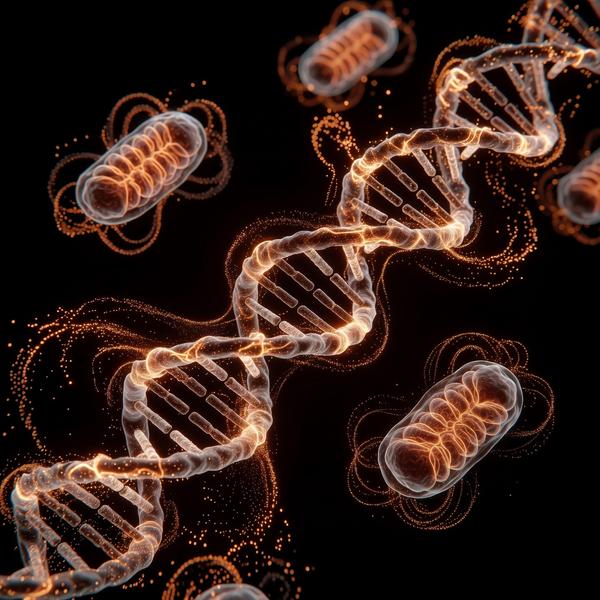
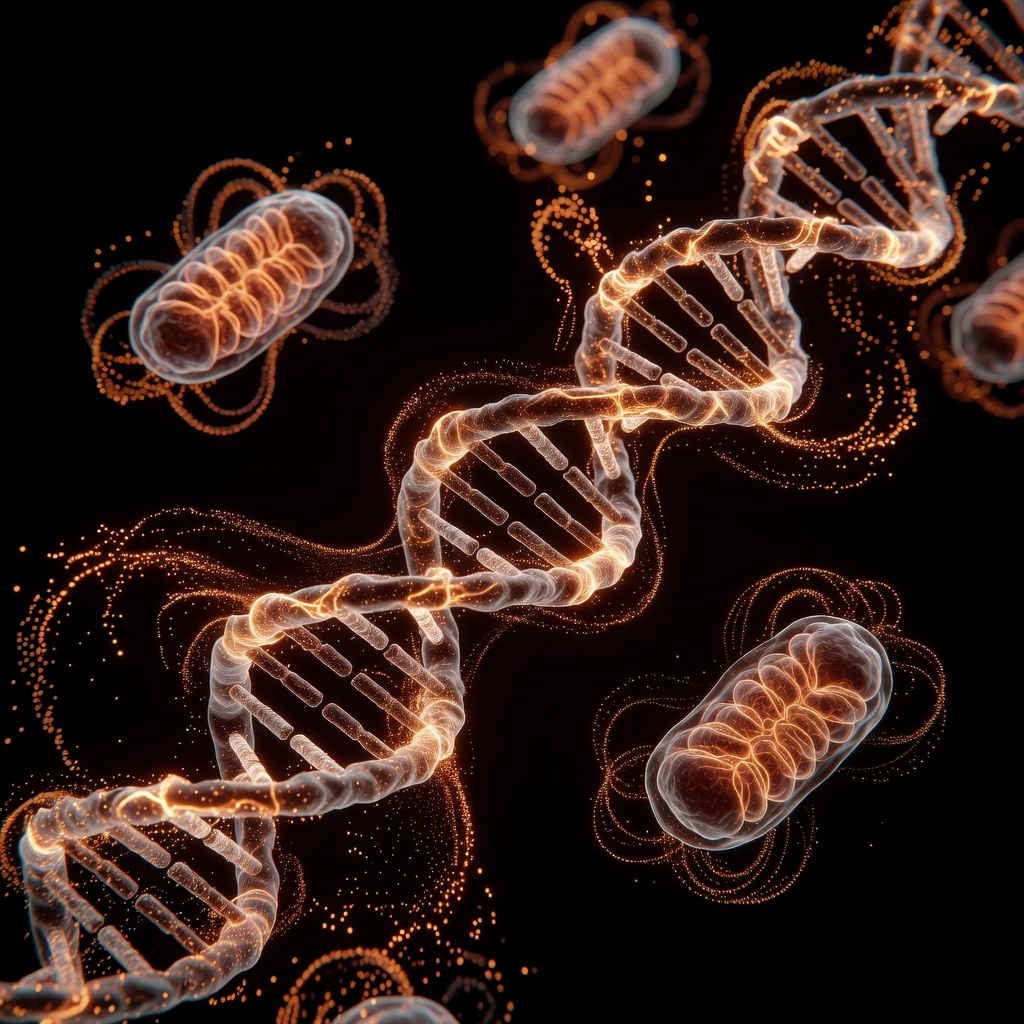
Vitamin D3 (cholecalciferol) acts as a steroid hormone, regulating the expression of over 1,000 genes. Vitamin K2 (specifically menaquinone-7) acts as the biological traffic controller, ensuring that the calcium mobilized by D3 is directed into the bones and teeth rather than calcifying the vascular system. However, their synergy is most potent within the mitochondrial membrane, where they influence oxidative phosphorylation and ATP synthesis.
Mitochondrial Dysfunction and Chronic Fatigue
When mitochondrial electron transport chain efficiency wanes, the cell experiences a decline in ATP production. Vitamin D deficiency is directly linked to mitochondrial dysfunction, characterized by increased oxidative stress and impaired fatty acid oxidation. By supplementing with an optimized ratio of D3 and K2, we can improve the structural integrity of the mitochondrial membrane, thereby reducing reactive oxygen species (ROS) leakage.
Cellular Respiration and Vitamin K2
Recent research suggests that Vitamin K2 may act as a mitochondrial electron carrier. Its ability to support the electron transport chain suggests that K2 deficiencies might manifest as cellular energy deficits. When combined with D3, which promotes mitochondrial biogenesis, the pair creates a robust foundation for metabolic resilience.
Root-Cause Strategy for Optimization
- Assessment: Do not guess. Utilize serum testing for 25(OH)D and monitor cardiovascular markers.
- Co-factors: Ensure intake of Magnesium and Zinc, as D3 metabolism is magnesium-dependent. Magnesium serves as a critical bridge in the ATP-ADP cycle, making it the essential third partner in this protocol.
- Consistency: Mitochondrial adaptations take time. A consistent, daily protocol is more effective than intermittent high-dose therapy.
Conclusion
By viewing the D3-K2 protocol through the lens of mitochondrial energetics, we shift from 'bone maintenance' to 'cellular performance.' This is the essence of INNERSTANDING—optimizing the foundational biology that allows the human body to thrive under metabolic load.
This article is provided for informational and educational purposes only. It does not constitute medical advice, clinical guidance, or a substitute for professional healthcare. Information reflects cited research at time of publication. Always consult a qualified healthcare professional before acting on any health information.
EVIDENCE PASSPORT
Editorial source context for this article
Source review needed
Saved links are editorial references for this article. They may support specific claims rather than every sentence. Open and assess each source in context. This passport does not independently verify them.
Editorial context
A complete editorial reading has not been recorded for this article, and no source links are saved on its record.
Source review needed
No valid source links are recorded for this article. Supplementary research, where available, is listed separately below.
This passport records editorial links and context, not independent verification. Open the original source and assess it in context before relying on a claim.
Medical Disclaimer
The information in this article is for educational purposes only and does not constitute medical advice, diagnosis, or treatment. Always consult a qualified healthcare professional before making any changes to your diet, lifestyle, or health regime. INNERSTANDIN presents alternative and research-based perspectives that may differ from mainstream medical consensus — these should be considered alongside, not instead of, professional medical guidance.
Read Full DisclaimerContinue the thread
Keep this question moving.
Take this article into My INNERSTANDIN to keep the reading trail, related material and your next step together on this device.
Explore this in the Body Map
Explore related body structures and their educational pages in the interactive Body Map.
Dig deeper in the Library
Free, longform PDF volumes that go beyond headlines into mechanisms and references.
RABBIT HOLE
Follow the biological thread deeper