
Beyond Symptoms: How Plant Alkaloids Communicate with the Human Endocannabinoid System
Updated April 2026
Evidence orientation
Editorial context not yet recorded
Follow this category
This stays in this browser. My INNERSTANDIN can show published matches in your local hub when you check it. It does not send email, push, or alert notifications.
Local learning review
A private browser aid for revisiting ideas. It is not an alert or a health recommendation.
Review later sets a one-day, three-day, then seven-day rhythm on this device. Choose it only when you want to revisit this article.
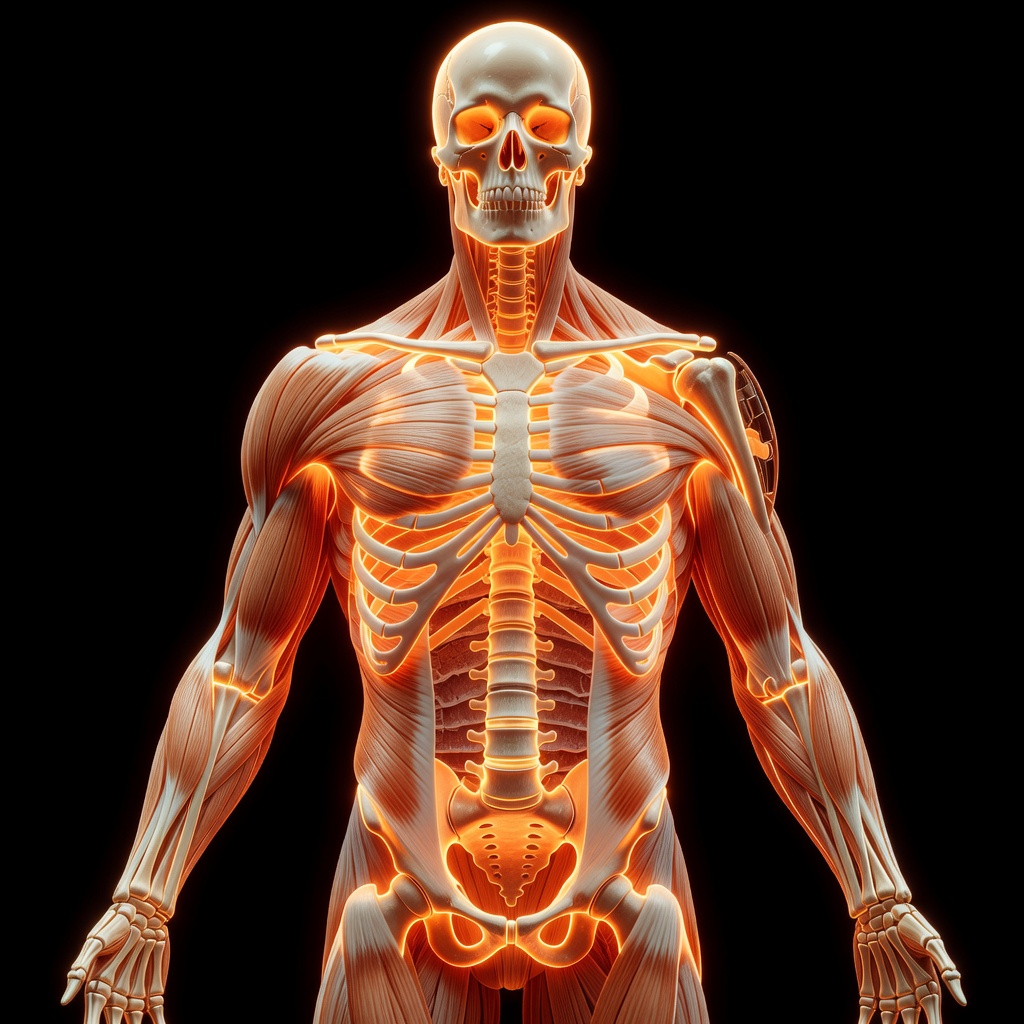
For decades, the mainstream medical narrative has conditioned the public to view health through the reductive lens of symptom management. We are taught that a headache is a lack of paracetamol, or that inflammation is a deficiency in ibuprofen. This mechanistic worldview ignores the profound, ancestral dialogue occurring between the flora of our planet and the intricate biological systems within us.
At the heart of this dialogue is the Endocannabinoid System (ECS)—perhaps the most critical yet misunderstood regulatory system in the human body. Far from being a mere 'cannabis receptor' system, the ECS is a sophisticated homeostatic regulator that governs everything from neuroprotection and immune response to metabolic balance. However, the true revelation lies in Phytotherapy: the discovery that certain plant-derived compounds, specifically alkaloids, act as molecular keys that can unlock, tune, and repair this internal system.
To understand health, we must move beyond the suppression of symptoms and investigate the biological mechanisms of cellular communication.
The Endocannabinoid System: The Body’s Biological Internal Wisdom
The Endocannabinoid System is an ancient lipid-signalling system that evolved over 600 million years ago. It is present in almost every animal species, save for protozoa and insects. In humans, it acts as a "central nervous system dimmer switch," modulating the intensity of signals passing through our nerves and immune cells.
The ECS consists of three primary components:
- Endocannabinoids: Internal ligands (like Anandamide and 2-AG) produced by our bodies on demand.
- Receptors: Specifically CB1 (concentrated in the brain and central nervous system) and CB2 (concentrated in the immune system and peripheral organs).
- Enzymes: Such as FAAH (Fatty Acid Amide Hydrolase), which break down cannabinoids once their message has been delivered.
Truth-Bomb: Most modern illnesses—including fibromyalgia, irritable bowel syndrome (IBS), and migraines—are now being identified as manifestations of Clinical Endocannabinoid Deficiency (CECD). Our modern environment has effectively 'muted' our internal regulatory system.
When the ECS is out of balance, the body loses its ability to achieve homeostasis. This is where the plant kingdom intervenes, not as a "drug," but as a biological corrective.
Alkaloids: The Nitrogenous Language of the Plant Kingdom
Alkaloids are a diverse group of naturally occurring organic compounds that contain at least one nitrogen atom. They are the secondary metabolites of plants—chemicals produced not for growth, but for defence, communication, and environmental adaptation.
In the context of Herbal Medicine, alkaloids are the "heavy lifters." From the caffeine in your tea to the morphine in the poppy, alkaloids have profound physiological effects. However, the most sophisticated alkaloids are those that mirror our own internal chemistry. They are "mimetic," meaning they can impersonate our endogenous molecules to trigger specific biological responses.
Key Takeaways: The Nature of Alkaloids
- Bioavailability: Alkaloids are designed to bypass certain biological barriers, allowing them to reach the brain and nervous system effectively.
- Synergy: In whole-plant medicine, alkaloids work alongside terpenes and flavonoids, a phenomenon known as the Entourage Effect.
- Specificity: Different alkaloids have high affinity for specific receptors, allowing for targeted therapeutic interventions.
The Molecular Handshake: How Plant Compounds Unlock the ECS
The communication between plant alkaloids and the ECS is often described as a "lock and key" mechanism. When you consume a plant rich in phytocannabinoids or ECS-active alkaloids, these molecules travel through the bloodstream and bind to CB1 or CB2 receptors.
However, the science goes deeper. Plant compounds do not just "turn on" receptors; they act as allosteric modulators. This means they can change the shape of the receptor, making it more or less sensitive to our own internal endocannabinoids.
- Direct Binding: Compounds like THC (from Cannabis sativa) bind directly to CB1 receptors, mimicking the body’s "bliss molecule," Anandamide.
- Enzymatic Inhibition: Some plant alkaloids, such as those found in Black Pepper (Piperine), can inhibit the enzymes (like FAAH) that break down our internal cannabinoids. This allows our natural "healing" molecules to circulate in the body for longer.
- Indirect Activation: Certain herbs stimulate the production of more receptors, essentially "upregulating" the system so that it becomes more efficient at self-regulation.
Warning: Synthetic pharmaceuticals often aim to "block" or "flood" a single receptor pathway, leading to cascading side effects. Conversely, whole-plant alkaloids provide a "buffer," providing the body with the precursors it needs to heal itself without overstimulating the system.
Beyond CBD: The Unsung Herbal Heroes of Homeostasis
While Cannabis is the most famous ECS-modulating plant, the truth is that our environment is teeming with "non-cannabis" plants that communicate with this system. This is a vital component of Phytotherapy that the pharmaceutical industry often overlooks.
1. Black Pepper (Piper nigrum) and the Beta-Caryophyllene Connection
Black pepper contains a terpene/alkaloid hybrid called Beta-Caryophyllene (BCP). Research has confirmed that BCP is a potent CB2 agonist. By stimulating CB2 receptors, BCP helps to reduce systemic inflammation and modulate the immune response without any psychoactive effects.
2. Cacao (Theobroma cacao) and the Bliss Molecule
Raw Cacao contains N-acylethanolamines, compounds that are chemically similar to Anandamide. Furthermore, cacao contains inhibitors that prevent the breakdown of Anandamide. This is why high-quality cacao is often associated with feelings of euphoria and "heart-opening"—it is literally preventing your body from destroying its own "bliss" chemicals.
3. Echinacea (Echinacea angustifolia)
Commonly used for colds, Echinacea contains Alkamides. These specific alkaloids bind to the CB2 receptor, explaining why the herb is so effective at modulating immune function and reducing inflammatory cytokines. It isn't just "killing germs"; it is instructing the immune system via the ECS to respond more intelligently.
Environmental Toxicity and the Erosion of the ECS
Why do we suddenly need these plant alkaloids more than ever? The answer lies in the environmental root causes of our current health crisis. We are living in an era of unprecedented biological interference.
- Synthetic Lighting and Circadian Disruption: The ECS is intrinsically linked to our light-dark cycles. Chronic exposure to "blue light" suppresses melatonin and de-synchronises ECS-driven metabolic processes.
- Industrial Seed Oils: High intake of Omega-6 fatty acids (found in processed vegetable oils) can overstimulate the ECS, leading to obesity and chronic inflammation.
- Electromagnetic Fields (EMFs): Preliminary research suggests that chronic EMF exposure may interfere with the voltage-gated calcium channels that are regulated by the ECS.
- Pesticides: Many modern agricultural chemicals act as "endocrine disruptors," confusing the signalling pathways that the ECS relies on to maintain balance.
Truth-Bomb: We are not just suffering from a "lack of drugs"; we are suffering from a biological disconnect. Our bodies are screaming for the nitrogenous signals found in wild plants to counteract the digital and chemical noise of the 21st century.
Truth-Exposing: The Symptom-Suppression Trap vs. Phytotherapy
Modern medicine is largely built on the antagonist model. We take antihistamines, anti-inflammatories, and anti-depressants. The prefix "anti-" reveals the philosophy: to oppose, to block, to silence.
While this is effective for acute trauma, it is disastrous for chronic health. When you block a biological pathway, the body often compensates by becoming more sensitive or by shutting down its own internal production of that specific chemical. This leads to dependency and a worsening of the root cause.
Phytotherapy (Herbal Medicine) operates on the agonist and modulator model. It provides the body with the complex molecular information required to restore its own function. Plant alkaloids do not simply "fix" the problem; they remind the body how to fix itself.
- Pharmaceuticals: One molecule, one target, high toxicity, symptom-focused.
- Plant Alkaloids: Multi-molecular, system-wide communication, low toxicity, root-cause focused.
Cultivating Resonance: A Protocol for ECS Restoration
To move beyond symptoms and truly harness the power of plant alkaloids, one must adopt a holistic approach to Herbal Medicine. This is not about swapping a pharmaceutical pill for an herbal pill; it is about changing the biological terrain of the body.
1. Re-introduce "Bitters" into the Diet
Many ECS-active alkaloids are inherently bitter. Modern diets have "bred out" bitterness in favour of sweetness. By re-incorporating herbs like Dandelion, Mugwort, and Motherwort, we stimulate the bitter receptors in the gut, which are directly linked to ECS-mediated metabolic regulation.
2. Prioritise Full-Spectrum Extracts
Isolates (like pure CBD oil) lack the complex alkaloid and terpene profile of the whole plant. To achieve the Entourage Effect, always choose full-spectrum or "whole-herb" preparations. The plant's "intelligence" lies in the ratio of its compounds, not in a single isolated chemical.
3. Address the Lifestyle "Drain"
You cannot supplement your way out of a lifestyle that actively degrades your ECS.
- Sleep: The ECS is repaired during deep sleep.
- Movement: "Runner's high" is actually a surge in the endocannabinoid Anandamide.
- Cold Exposure: Short bursts of cold (like a cold shower) have been shown to increase CB1 receptor density.
4. Mindful Alkaloid Integration
Use plants like Turmeric (with its ECS-modulating Curcumin), Ginger, and Holy Basil (Tulsi) daily. These are not "medicines" for when you are sick; they are biological nutrients for your regulatory system.
Conclusion: The Future of Medicine is Ancestral
The more we peer into the microscope, the more we find that the "superstitions" of our ancestors were based on a profound biological reality. They knew that plants were teachers and messengers. Today, we call those messages alkaloids, and we call the recipient the Endocannabinoid System.
The path to true health is not found in the synthesis of new, patentable molecules, but in the restoration of our ancient dialogue with the plant kingdom. By understanding that plant alkaloids are sophisticated biological software capable of updating our internal hardware, we can finally move beyond the management of symptoms and step into a state of sovereign vitality.
It is time to stop silencing the body's cries for help and start listening to the nitrogenous language of the earth. The "Innerstanding" of health begins when we realise that the cure is not a chemical intervention, but a biological reconnection.
Final Truth: Your body possesses an inherent wisdom and a desire for balance. Plant alkaloids are simply the keys that unlock the door to that internal sanctuary. Choose the keys wisely.
This article is provided for informational and educational purposes only. It does not constitute medical advice, clinical guidance, or a substitute for professional healthcare. Information reflects cited research at time of publication. Always consult a qualified healthcare professional before acting on any health information.
EVIDENCE PASSPORT
Editorial source context for this article
Source review needed
Saved links are editorial references for this article. They may support specific claims rather than every sentence. Open and assess each source in context. This passport does not independently verify them.
Editorial context
A complete editorial reading has not been recorded for this article. Source links remain available for you to open and assess directly.
Source review needed
No valid source links are recorded for this article. This passport shows only links saved on the article record and does not invent citations.
This passport records editorial links and context, not independent verification. Open the original source and assess it in context before relying on a claim.
Medical Disclaimer
The information in this article is for educational purposes only and does not constitute medical advice, diagnosis, or treatment. Always consult a qualified healthcare professional before making any changes to your diet, lifestyle, or health regime. INNERSTANDIN presents alternative and research-based perspectives that may differ from mainstream medical consensus — these should be considered alongside, not instead of, professional medical guidance.
Read Full DisclaimerContinue the thread
Keep this question moving.
Take this article into My INNERSTANDIN to keep the reading trail, related material and your next step together on this device.