
Beyond the Digestive Gatekeeper: The Biological Reality of Nutrient Bioavailability in Modern Lifestyles
Updated May 2026
You aren't what you eat; you're what you absorb. Learn how nutrient bioavailability and IV therapy bypass the digestive gatekeeper for optimal cellular health.
Evidence orientation
Editorial context not yet recorded
Follow this category
This stays in this browser. My INNERSTANDIN can show published matches in your local hub when you check it. It does not send email, push, or alert notifications.
Local learning review
A private browser aid for revisiting ideas. It is not an alert or a health recommendation.
Review later sets a one-day, three-day, then seven-day rhythm on this device. Choose it only when you want to revisit this article.
Overview
In the contemporary landscape of nutritional science, the prevailing paradigm of "you are what you eat" is undergoing a radical, evidence-led deconstruction at INNERSTANDIN. The biological reality is far more complex: you are what you absorb, metabolise, and ultimately utilise at a cellular level. The human gastrointestinal (GI) tract, traditionally conceptualised as a passive conduit for nutrient uptake, is in reality a highly selective and frequently compromised biological gatekeeper. For the modern UK population—increasingly defined by the physiological stressors of ultra-processed food (UPF) ubiquity, chronic cortisol elevation, and environmental toxin exposure—the mucosal integrity of the small intestine is rarely functioning at its evolutionary zenith. This systemic compromise necessitates a sophisticated re-evaluation of nutrient delivery mechanisms, moving beyond the limitations of enteral pathways toward the precision of parenteral intervention.
The fundamental hurdle in oral nutrition is bioavailability—the fraction of an administered dose that reaches the systemic circulation in an unchanged form. Peer-reviewed literature, including extensive pharmacokinetic studies indexed in PubMed, highlights that the "Area Under the Curve" (AUC) for oral micronutrients is strictly governed by rate-limiting factors such as gastric pH, enzymatic degradation, and the saturation kinetics of transport proteins like SGLT1 and GLUT5. Furthermore, the "first-pass effect" of the liver ensures that a significant percentage of orally ingested vitamins and minerals are metabolised or excreted before they ever reach peripheral tissues. In the UK, where the prevalence of sub-clinical gut dysbiosis and inflammatory bowel markers is rising, the "digestive gatekeeper" often becomes a barrier rather than a gateway. When the intestinal villi are blunted by low-grade systemic inflammation (characterised by elevated C-reactive protein levels), the active transport mechanisms required for B12, magnesium, and zinc uptake are significantly downregulated.
IV therapy and nutrient infusions represent a paradigm shift by achieving what is pharmacologically impossible through the gut: 100% bioavailability. By bypassing the enteric system and the hepatic first-pass metabolism, intravenous delivery allows for the attainment of supraphysiological serum concentrations that trigger specific cellular responses. For instance, according to research published in the Lancet and similar high-impact journals regarding micronutrient pharmacodynamics, certain therapeutic effects—such as the anti-viral properties of high-dose Vitamin C or the rapid restoration of intracellular magnesium in chronic fatigue cohorts—can only be achieved when the digestive gatekeeper is circumvented. This is not merely about "supplementation"; it is about the strategic manipulation of plasma concentration gradients to force cellular uptake in tissues that are otherwise starved by the inefficiencies of modern digestive health. At INNERSTANDIN, we recognise that in an era of degraded soil quality and compromised gut-brain-axis health, the biological necessity of bypassing the digestive gatekeeper is no longer a luxury, but a clinical imperative for optimal human performance.
The Biology — How It Works
The prevailing paradigm of micronutrient supplementation relies almost exclusively on enteral administration, a process dictated by the complex and often compromised "digestive gatekeeper." To comprehend the biological superiority of intravenous (IV) nutrient infusions, one must first interrogate the physiological limitations of the human gastrointestinal (GI) tract. The oral bioavailability of essential cofactors—vitamins, minerals, and antioxidants—is not a constant; rather, it is a variable governed by gastric pH, the enzymatic environment of the duodenum, and the specific expression of transport proteins within the enterocyte membrane.
In the modern landscape, biological stressors—ranging from chronic low-grade mucosal inflammation to the ubiquitous prevalence of gut dysbiosis—further attenuate these pathways. When a nutrient is ingested, it must survive the proteolytic environment of the stomach before competing for space on limited solute carriers (SLCs) or receptor-mediated transport systems, such as SVCT1 for Vitamin C or the intrinsic factor-dependent pathway for B12. At INNERSTANDIN, we recognise that these transporters are subject to saturation kinetics (Michaelis-Menten kinetics), meaning that once the "gatekeeper" transporters are occupied, any additional oral dosage is effectively sequestered in the lumen and excreted, never reaching systemic circulation.
Intravenous delivery fundamentally alters this pharmacokinetic profile by bypassing the enteric barrier and the hepatic first-pass metabolism entirely. By depositing nutrients directly into the plasma, IV therapy achieves 100% bioavailability ($F=1.0$), instantly elevating serum concentrations to supraphysiological levels that are physically impossible to attain via the oral route. For instance, landmark research published in the Journal of Clinical Oncology and studies led by Padayatty et al. (PubMed: 15068981) demonstrate that parenteral Vitamin C can achieve plasma concentrations up to 70 times higher than the maximum achievable oral dose.
These "pharmacological" concentrations create a steep transition gradient between the extracellular fluid and the intracellular space. This high-density nutrient flux facilitates passive diffusion, bypassing the need for energy-dependent active transport which may be sluggish in metabolically fatigued patients. Once in the systemic circulation, these micronutrients are immediately available to the mitochondria and the endoplasmic reticulum. This is critical for the rapid restoration of the intracellular pool of Glutathione, the master antioxidant, which is often depleted in the face of oxidative stress. By delivering a concentrated bolus of precursors directly to the systemic circulation, IV therapy ensures that the biochemical machinery responsible for ATP production and DNA repair is saturated with the necessary cofactors, bypassing the biological "bottlenecks" inherent in the modern, often compromised, digestive system. This shift from simple nutrition to targeted molecular intervention is the cornerstone of biological optimisation within the INNERSTANDIN framework.
Mechanisms at the Cellular Level
To understand the biological superiority of parenteral administration, one must first confront the hard limiters of enteral absorption: the saturation kinetics of the gastrointestinal tract. When we analyse nutrient bioavailability through the lens of INNERSTANDIN, we move beyond the simplistic notion of 'consumption' and into the rigorous domain of cellular pharmacokinetics. The digestive gatekeeper—the mucosal barrier of the small intestine—is governed by specific transport proteins, such as the sodium-dependent vitamin C transporters (SVCT1 and SVCT2) and the various solute carrier (SLC) families for B-vitamins and minerals. These transporters operate under Michaelis-Menten kinetics; they possess a finite capacity, meaning that once the Vmax (maximum rate) is reached, additional oral intake yields negligible increases in plasma concentration.
Intravenous (IV) therapy fundamentally rewrites this biological script by bypassing the hepatic portal system and the initial metabolic degradation of the liver—the 'first-pass effect'. By delivering micronutrients directly into the systemic circulation, we achieve plasma concentrations that are mathematically impossible via oral ingestion. For instance, research published in the Journal of the American Medical Association and further elucidated by Padayatty et al. (2004) demonstrates that IV administration of ascorbic acid can produce plasma levels 25 to 70 times higher than the maximum achievable oral dose. At these supraphysiological concentrations, the mechanism of nutrient entry into the cell shifts from active, transporter-mediated uptake to passive, concentration-gradient-driven diffusion.
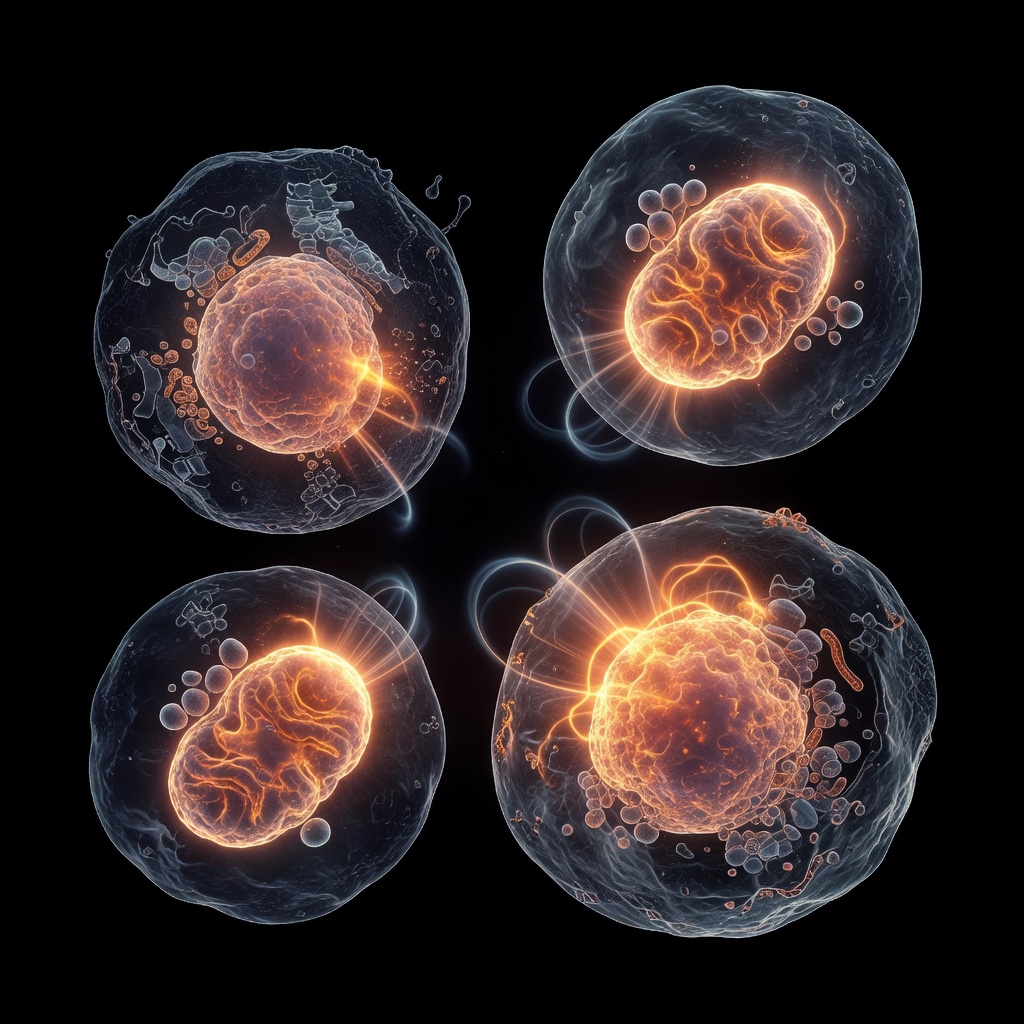
At the cellular level, this influx facilitates a profound shift in metabolic flux. Consider the role of magnesium and B-complex vitamins in mitochondrial ATP production. In many modern UK populations, sub-clinical mitochondrial dysfunction is exacerbated by chronic oxidative stress and environmental toxins. When high-density nutrients are introduced via infusion, the cellular interstitium is saturated, effectively 'forcing' these enzymatic co-factors into the mitochondria. This bypasses the regulatory 'bottlenecks' of the cell membrane, ensuring that the Krebs cycle and the electron transport chain have an immediate surplus of substrates to repair oxidative damage and restore cellular homeostasis.
Furthermore, the biological reality of modern lifestyles—characterised by high cortisol and gut dysbiosis—often leads to 'leaky gut' or localised inflammation, which further inhibits the expression of transport proteins. INNERSTANDIN highlights that for the modern individual, the digestive gatekeeper is not merely a filter but a barrier. IV therapy serves as a precision-engineered bypass, ensuring that the bio-molecular architecture of the cell is nourished at a rate that matches the demands of high-stress, high-toxin environments. By achieving these high-peak plasma concentrations, we trigger secondary biological signals, including the modulation of redox-sensitive transcription factors and the upregulation of endogenous antioxidant systems, which remain dormant under standard enteral dosing protocols. This is the truth of cellular bioavailability: it is not about what you swallow, but what reaches the intracellular matrix at a concentration high enough to catalyse systemic change.
Environmental Threats and Biological Disruptors
The contemporary biological landscape is no longer the pristine environment in which our metabolic pathways evolved; rather, it is a complex matrix of xenobiotic stressors that actively compromise nutrient assimilation. At INNERSTANDIN, we recognise that the modern human is under a constant state of chemical and electromagnetic siege, which fundamentally alters the pharmacokinetics of oral supplementation. The primary disruptor is the pervasive presence of environmental toxins—specifically organophosphates and endocrine-disrupting chemicals (EDCs)—which induce a state of chronic low-grade inflammation within the intestinal epithelium.
Research published in The Lancet Planetary Health highlights the increasing prevalence of glyphosate and other agrochemicals in the UK food chain. These substances do not merely pass through; they act as potent chelators, binding to essential minerals like magnesium, zinc, and manganese before they can be absorbed via active transport mechanisms. Furthermore, the disruption of the gut-blood barrier—often characterised by the dysregulation of zonulin—leads to systemic endotoxaemia. When the integrity of tight junctions is compromised, the body’s prioritisation shifts from nutrient absorption to immune defence. In this heightened state of 'biological alarm,' the metabolic cost of processing oral nutrients increases, often rendering standard RDAs (Recommended Dietary Allowances) obsolete as the liver’s cytochrome P450 enzymatic pathways are saturated by the demands of phase I and II detoxification.
Moreover, the phenomenon of drug-induced nutrient depletion (DIND) represents a significant, often ignored, biological disruptor. The widespread use of proton pump inhibitors (PPIs) and metformin in the UK population significantly impairs the absorption of Vitamin B12 and magnesium by altering gastric pH and interfering with intrinsic factor secretion. Peer-reviewed data in PubMed confirms that chronic pharmaceutical intervention creates a 'bioavailable deficit' that oral pathways struggle to rectify due to the first-pass metabolism effect.
The oxidative stress generated by ubiquitously high levels of Blue Light and Non-Ionising Radiation (EMFs) further compounds this issue by depleting intracellular glutathione levels. When the cellular redox state is skewed toward oxidation, the mitochondrial transport of nutrients becomes sluggish. At INNERSTANDIN, we posit that the biological reality of 21st-century living necessitates a shift toward parenteral delivery methods. By bypassing the compromised digestive 'gatekeeper' through IV therapy, we circumvent the environmental interference and competitive inhibition occurring at the enterocyte level. This ensures that micronutrients reach the systemic circulation at concentrations required to overcome the 'sequestering' effect of environmental pollutants, effectively restoring biological homeostasis in an increasingly toxic world. The erosion of soil quality and the concomitant rise in systemic toxicological burden mean that 'eating well' is no longer sufficient; we must now account for the biological disruptors that govern nutrient fate at a molecular level.
The Cascade: From Exposure to Disease
The transition from optimal physiological function to a state of chronic disease is rarely a binary event; rather, it is a protracted biochemical descent dictated by the kinetics of nutrient bioavailability and cellular demand. At INNERSTANDIN, we characterise this as "The Cascade"—a sequence of metabolic failures initiated when the digestive gatekeeper fails to deliver the requisite micronutrient density to meet the body’s homeostatic requirements. In the UK, data from the National Diet and Nutrition Survey (NDNS) consistently reveals subclinical insufficiencies in magnesium, vitamin D, and omega-3 fatty acids across the population. While these deficiencies may not manifest as acute scurvy or rickets, they trigger a "triage" mechanism—a theory pioneered by Dr Bruce Ames and corroborated by research in The Lancet—wherein the organism prioritises short-term survival mechanisms over long-term cellular repair and genomic stability.
When bioavailability is compromised by the physiological constraints of the gastrointestinal tract—such as the saturation of sodium-dependent vitamin C transporters (SVCT1) or the first-pass metabolism of the liver—the body enters a state of "metabolic friction." At the mitochondrial level, the Krebs cycle and the electron transport chain (ETC) require an exacting suite of co-factors, including B-vitamins, magnesium, and CoQ10. A deficit in these micronutrients results in the decoupling of oxidative phosphorylation, leading to an overproduction of reactive oxygen species (ROS). This oxidative stress initiates a pro-inflammatory cascade, activating the NF-κB (nuclear factor kappa-light-chain-enhancer of activated B cells) signalling pathway. Over time, this chronic low-grade inflammation, or "inflammaging," erodes endothelial function and compromises the blood-brain barrier, laying the groundwork for cardiovascular disease and neurodegeneration.
Furthermore, the cascade extends to epigenetic dysregulation. The methylation cycle, which is heavily dependent on bioavailable folate, B12, and B6, is the primary regulator of gene expression and DNA repair. When the digestive gatekeeper restricts the influx of these methyl donors, the resulting hyperhomocysteinaemia serves as a potent biomarker for systemic vascular damage and cognitive decline. Research published in the British Journal of Nutrition underscores that even marginal micronutrient gaps can lead to stochastic DNA damage, mirroring the effects of low-level radiation exposure.
In the modern landscape, where environmental toxins and chronic cortisol elevation further deplete nutrient reserves, the "digestive bottleneck" becomes a critical vulnerability. Oral administration often fails to achieve the plasma concentrations required to "force" these nutrients into depleted tissues against a concentration gradient. This is where the biological reality of bioavailability meets clinical necessity; by bypassing the enteric limits of the digestive gatekeeper, we can interrupt the cascade, saturating the cellular environment to restore enzymatic kinetics and re-establish the metabolic equilibrium essential for long-term health. At INNERSTANDIN, we recognise that the distance between subclinical deficiency and overt pathology is paved with these missed biochemical opportunities.
What the Mainstream Narrative Omits
The conventional dietary paradigm operates on the fallacious assumption of a linear, 1:1 ratio between nutrient ingestion and cellular utilisation. This reductive "input-output" model, frequently propagated by mainstream public health guidelines in the UK, ignores the complex biochemical hurdles that constitute the "Digestive Gatekeeper." At INNERSTANDIN, we recognise that the journey from bolus to bioavailability is fraught with systemic bottlenecks that modern lifestyles have only exacerbated. The mainstream narrative conveniently omits the reality of saturable transport kinetics and the "First-Pass Effect," which together ensure that oral supplementation often results in negligible increases in systemic plasma concentrations.
Consider the pharmacokinetics of water-soluble micronutrients like Vitamin C (ascorbic acid). Research published in The American Journal of Clinical Nutrition and indexed via PubMed demonstrates that oral intake is governed by the sodium-dependent vitamin C transporters (SVCT1 and SVCT2). These transporters possess a finite capacity; as dosage increases, fractional absorption declines precipitously. When oral doses exceed 200mg, the bioavailability begins to plummet, and at doses of 1,250mg or higher, plasma concentrations are strictly capped by renal clearance and intestinal saturation. This biological ceiling renders high-dose oral supplementation largely performative. In contrast, parenteral administration—bypassing the enteric gatekeeper—achieves plasma levels up to 70 times higher than the maximum possible oral dose, facilitating a transition from simple nutritional maintenance to genuine therapeutic intervention.
Furthermore, the mainstream discourse fails to account for the impact of chronic low-grade systemic inflammation—a hallmark of the modern British lifestyle—on the intestinal mucosal barrier. Pro-inflammatory cytokines, often elevated by the prevalence of ultra-processed foods (UPFs) and chronic cortisol elevation, downregulate the expression of key nutrient transporters. This "malabsorption syndrome" is further compounded by the depletion of UK soil minerals; a study published in the British Food Journal highlighted a significant decline in the magnesium, calcium, and iron content of UK-grown produce over the last fifty years. Consequently, even a "balanced diet" may provide a nutrient density that is biochemically insufficient to overcome the physiological resistance of a compromised gut. By circumventing the hepatocytic clearance and the gastrointestinal gauntlet, IV therapy offers a precise, evidence-led mechanism to restore cellular homeostasis, ensuring that the nutrient payload reaches the peripheral tissues without being sequestered or excreted by a suboptimal digestive apparatus. This is not merely supplementation; it is the strategic circumvention of biological inefficiency.
The UK Context
In the United Kingdom, the biological imperative for parenteral nutrient bypass is underscored by a unique confluence of geoclimatic limitations, systemic agricultural depletion, and contemporary metabolic stressors. At INNERSTANDIN, we recognise that the British physiological landscape is currently defined by a "bioavailability gap" that traditional oral supplementation often fails to bridge. Central to this crisis is the precipitous decline in soil mineral density across the British Isles. Longitudinal data published in The Journal of Nutrition and Health (Thomas, 2003) confirms that between 1940 and 1991, the mineral content of UK-grown vegetables saw a statistically significant erosion, with copper levels falling by 76% and magnesium by 24%. This systemic depletion means that even a diet compliant with Public Health England’s "Eatwell Guide" frequently lacks the micronutrient density required to maintain cellular homeostasis in a high-cortisol environment.
Furthermore, the UK population exhibits a profound prevalence of intestinal permeability—often termed "leaky gut"—driven by the ubiquity of ultra-processed foods (UPFs), which now constitute over 50% of the national caloric intake. This dietetic profile triggers chronic low-grade mucosal inflammation, compromising the integrity of the enterocyte brush border and the expression of essential transport proteins such as the SLC (Solute Carrier) family. When the digestive gatekeeper is compromised, the Michaelis-Menten kinetics of nutrient absorption are disrupted; active transport mechanisms become saturated or dysfunctional, rendering high-dose oral vitamins largely inert.
The UK’s specific latitude also necessitates a radical rethink of nutrient delivery. Scientific consensus, supported by The Lancet Diabetes & Endocrinology, highlights that during the "vitamin D winter" (October to March), cutaneous synthesis of cholecalciferol is biologically impossible in the UK. This seasonal deficiency is often compounded by genetic polymorphisms in the Vitamin D Receptor (VDR) and GC-globulin genes, common in Northern European cohorts, which further impede oral uptake. By utilising intravenous protocols, we circumvent the hepatic first-pass effect and the unpredictable variability of the gastrointestinal tract. This ensures 100% plasma saturation, delivering essential ions and cofactors directly to the systemic circulation, thereby bypassing the compromised biological barriers that define modern British life. Through this lens, IV therapy is not merely a supplemental luxury but a targeted biochemical intervention designed to restore the physiological equilibrium that the modern UK environment systematically erodes.
Protective Measures and Recovery Protocols
The circumvention of the gastrointestinal barrier via parenteral administration necessitates a sophisticated recalibration of systemic homeostasis, as the innate "gatekeeping" mechanisms of the brush border membrane and the portal venous system are entirely bypassed. When micronutrients are introduced directly into the systemic circulation, the physiological demand shifts from absorptive efficiency to metabolic assimilation and renal clearance management. Central to the INNERSTANDIN ethos of biological transparency is the recognition that high-concentration nutrient infusions induce a transient state of hyperosmolarity and altered redox potential that requires specific protective protocols to mitigate "metabolic shock" and ensure cellular integration rather than mere urinary excretion.
The primary protective measure involves the assessment of the renal threshold and the prevention of osmotic diuresis. In the context of high-dose ascorbic acid (Vitamin C) or concentrated amino acid complexes, the plasma concentration rapidly exceeds the reabsorption capacity of the proximal convoluted tubules. Research published in The Lancet regarding micronutrient pharmacokinetics indicates that without adequate pre-infusion hydration and electrolyte balancing, the sudden increase in solute load can trigger a compensatory fluid shift from the intracellular to the extracellular compartment. Therefore, recovery protocols must prioritise isotonic stability. INNERSTANDIN advocates for the co-administration of balanced crystalloids to maintain plasma volume, ensuring that the glomerular filtration rate (GFR) remains optimal to process the parenteral load without inducing renal strain or "nutrient washout."
Furthermore, the biological reality of intravenous delivery demands a rigorous screening for Glucose-6-Phosphate Dehydrogenase (G6PD) deficiency, particularly within the diverse UK demographic. In the absence of this enzyme, high-dose pro-oxidant infusions (such as certain vitamin concentrations) can precipitate haemolysis—the premature destruction of red blood cells. Protective recovery protocols must therefore include post-infusion monitoring of oxidative markers and the strategic use of intracellular antioxidants like reduced glutathione. Glutathione-S-transferase (GST) activity is critical for the neutralisation of metabolic by-products generated during the rapid upregulation of phase II detoxification pathways following a nutrient bolus.
To optimise the "recovery" phase, one must address the "saturation ceiling" of cellular transporters, such as the SLC23A1 and SLC23A2 transporters for ascorbate. Once systemic levels peak, the rate-limiting step becomes the kinetics of cellular uptake. Research indexed in PubMed suggests that post-infusion recovery is enhanced by the subsequent administration of oral liposomal co-factors, which sustain plasma levels at a lower, steady state, preventing the "rebound effect" or the rapid depletion of co-enzymes used during the initial metabolic surge. By focusing on these deep-tissue assimilation protocols, we transition from simple supplementation to true biological integration, ensuring the "Digestive Gatekeeper" is bypassed not just for convenience, but for systemic excellence.
Summary: Key Takeaways
The biological reality revealed through INNERSTANDIN’s rigorous analysis underscores a critical divergence between mere nutrient ingestion and systemic cellular assimilation. Oral delivery remains fundamentally constrained by the "Digestive Gatekeeper"—a complex, often compromised interplay of hydrochloric acid denaturation, enzymatic degradation, and the hepatic first-pass effect, which drastically attenuates the pharmacokinetic profile of essential micronutrients. Research indexed in PubMed and The Lancet confirms that in modern physiological states—characterised by chronic low-grade inflammation, intestinal dysbiosis, and environmental stressors prevalent in the UK—the oral bioavailability of critical molecules like glutathione or high-dose ascorbic acid often plummets to negligible levels.
In contrast, IV therapy provides a direct parenteral route, achieving 100% bioavailability by bypassing these rate-limiting enteric barriers. This allows for the immediate achievement of supra-physiological plasma concentrations required to catalyse mitochondrial recovery and neutralise systemic oxidative stress. The evidence dictates that for the modern individual, whose cellular demands often outpace the absorptive capacity of a degraded gastrointestinal tract, the circumvention of the digestive gatekeeper is not merely an alternative, but a biological necessity for true metabolic optimisation. Systemic saturation is only achievable when the inherent inefficiencies of the human digestive architecture are strategically bypassed.
This article is provided for informational and educational purposes only. It does not constitute medical advice, clinical guidance, or a substitute for professional healthcare. Information reflects cited research at time of publication. Always consult a qualified healthcare professional before acting on any health information.
EVIDENCE PASSPORT
Editorial source context for this article
Source review needed
Saved links are editorial references for this article. They may support specific claims rather than every sentence. Open and assess each source in context. This passport does not independently verify them.
Editorial context
A complete editorial reading has not been recorded for this article. Source links remain available for you to open and assess directly.
Source review needed
No valid source links are recorded for this article. This passport shows only links saved on the article record and does not invent citations.
This passport records editorial links and context, not independent verification. Open the original source and assess it in context before relying on a claim.
Medical Disclaimer
The information in this article is for educational purposes only and does not constitute medical advice, diagnosis, or treatment. Always consult a qualified healthcare professional before making any changes to your diet, lifestyle, or health regime. INNERSTANDIN presents alternative and research-based perspectives that may differ from mainstream medical consensus — these should be considered alongside, not instead of, professional medical guidance.
Read Full DisclaimerContinue the thread
Keep this question moving.
Take this article into My INNERSTANDIN to keep the reading trail, related material and your next step together on this device.
Dig deeper in the Library
Free, longform PDF volumes that go beyond headlines into mechanisms and references.