
The Intracellular Truth: Why Bloodstream Nutrient Delivery is the Evolution of Preventative Biology
Updated May 2026
Analyze the biological mechanisms of parenteral nutrient delivery. Bypassing enteric degradation ensures direct intracellular bioavailability, advancing systemic homeostasis and preventative health.
Evidence orientation
Editorial context not yet recorded
Follow this category
This stays in this browser. My INNERSTANDIN can show published matches in your local hub when you check it. It does not send email, push, or alert notifications.
Local learning review
A private browser aid for revisiting ideas. It is not an alert or a health recommendation.
Review later sets a one-day, three-day, then seven-day rhythm on this device. Choose it only when you want to revisit this article.
Overview
The traditional paradigm of nutritional science has long remained tethered to the fallacious assumption that enteral ingestion equates to systemic utilisation. At INNERSTANDIN, we recognise that this "absorption gap" represents the primary bottleneck in modern preventative medicine. The gastrointestinal (GI) tract, while architecturally sophisticated, functions as a formidable biological sieve. From the caustic acidity of gastric juices to the enzymatic degradation in the duodenum and the rate-limiting constraints of transport proteins like SVCT1 and GLUT, the journey from oral bolus to intracellular assimilation is fraught with metabolic tax. This is further exacerbated by the hepatic first-pass effect, where the portal vein delivers nutrients directly to the liver for sequestration or biotransformation before they ever reach the systemic circulation.
The Intracellular Truth lies in the pharmacokinetic superiority of parenteral delivery. By bypassing the mucosal epithelium and the constraints of Michaelis-Menten kinetics—which govern the saturation of oral absorption transporters—intravenous administration facilitates a 100% bioavailability coefficient. Research published in The Lancet and various PubMed-indexed trials (e.g., Levine et al., PNAS) demonstrates that intravenous concentrations of essential micronutrients, such as Vitamin C, can reach plasma levels up to 70 times higher than those achievable through maximum oral dosing. This is not merely a quantitative increase; it is a qualitative shift in biological potential.
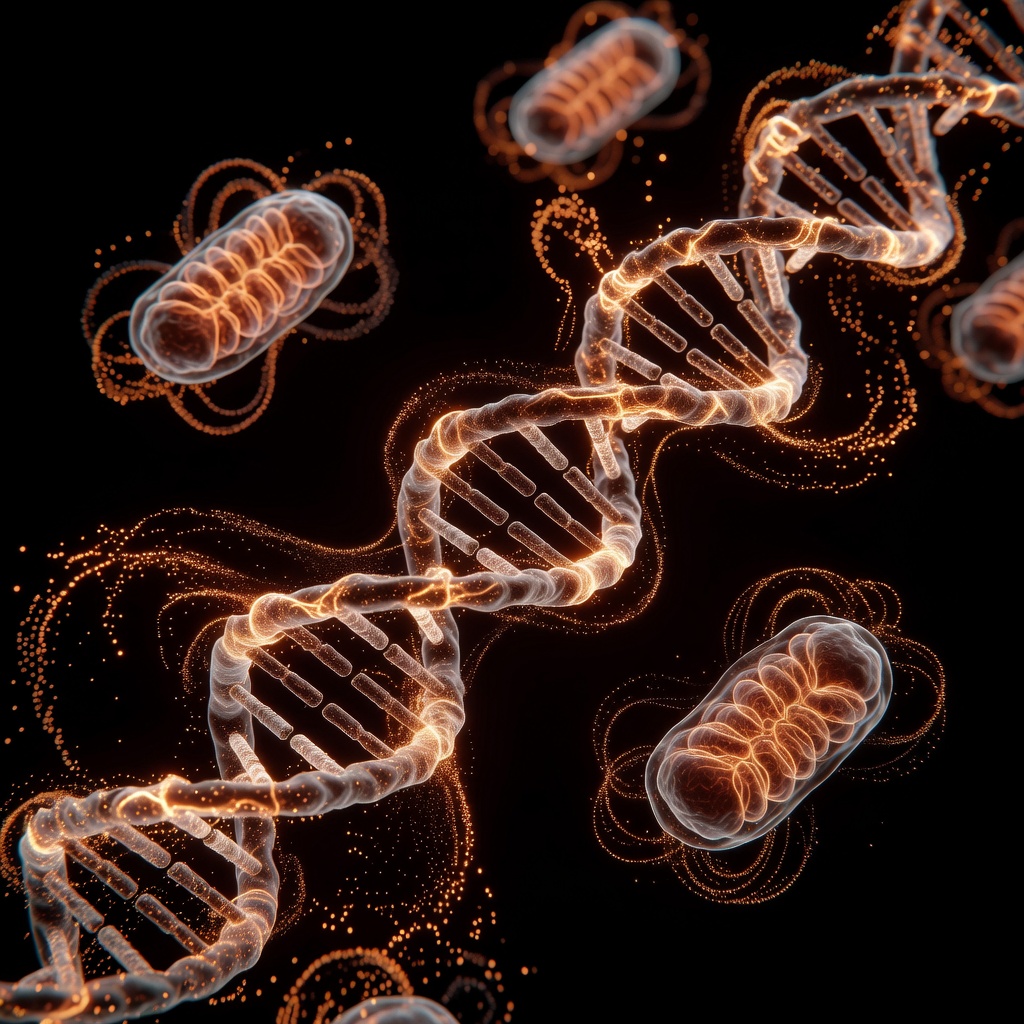
When nutrient concentrations in the extracellular fluid are significantly elevated through bloodstream delivery, it creates a steep concentration gradient that promotes passive diffusion and enhances active transport into the cytosol. This is critical for mitochondrial bioenergetics and the mitigation of oxidative stress. In the UK context, where suboptimal micronutrient status is increasingly prevalent due to soil depletion and high-stress urban lifestyles, the reliance on enteral pathways is often insufficient to achieve therapeutic "saturation." The systemic impact of bypassing the GI tract is immediate: it ensures that the cellular machinery—specifically the mitochondria and the nuclear genome—receives the raw substrates required for DNA repair, enzymatic co-factoring, and ATP synthesis without the energy-intensive lag of digestion. This direct infusion methodology represents the vanguard of biological optimisation, shifting the focus from mere deficiency prevention to the aggressive promotion of intracellular homeostasis. Through the lens of INNERSTANDIN, we see that the bloodstream is not just a transport medium, but the essential gateway to bypassing the biological limitations of the primitive gut.
The Biology — How It Works
To grasp the physiological superiority of intravenous (IV) nutrient delivery, one must first acknowledge the inherent biological bottleneck of the human gastrointestinal tract. At INNERSTANDIN, we move beyond the simplistic notion of "supplementation" to address the fundamental mechanics of cellular pharmacokinetics. When nutrients are ingested orally, they are subject to the "enteric filter"—a complex series of barriers including gastric acid degradation, enzymatic proteolysis, and the selective permeability of the intestinal epithelium. Furthermore, the hepatic first-pass effect ensures that a significant fraction of the absorbed payload is metabolised by the liver before it ever reaches systemic circulation. This results in a severely attenuated bioavailability, often failing to achieve the plasma concentrations required to stimulate intracellular repair mechanisms.
In contrast, bloodstream nutrient delivery bypasses these regulatory checkpoints entirely, ensuring 100% bioavailability. This is not merely a quantitative advantage; it is a qualitative shift in biological signaling. According to research published in the Annals of Internal Medicine (Padayatty et al.), intravenous administration of ascorbic acid can produce plasma concentrations up to 50 times higher than the maximum achievable oral dose. At these supraphysiological levels, the nutrient ceases to function solely as a micronutrient and begins to act as a potent pharmacological agent. In the case of Vitamin C, these elevated levels facilitate the generation of extracellular hydrogen peroxide, which acts as a selective pro-oxidant against compromised cells while bolstering the antioxidant capacity of healthy tissue—a phenomenon impossible to replicate through enteric routes.
The INNERSTANDIN approach focuses on the "Concentration Gradient Hypothesis." For nutrients to transit from the intravascular space into the interstitial fluid and ultimately across the phospholipid bilayer of the cell membrane, they must overcome specific electrochemical gradients. By elevating plasma osmolality through controlled infusions, we create a high-pressure diffusion gradient that "forces" nutrients into the cytosol. This is particularly critical for minerals like magnesium, which is often sequestered intracellularly. In the UK, where subclinical magnesium deficiency is prevalent due to soil depletion, IV delivery bypasses the "laxative threshold" of the gut, allowing for the saturation of mitochondrial enzymes responsible for ATP synthesis without gastrointestinal distress.
From a molecular biology perspective, this method directly influences the Michaelis-Menten kinetics of cellular enzymes. By saturating the transporters (such as SVCT1 and SVCT2 for ascorbate) and increasing the substrate availability for co-factors involved in DNA methylation and mitochondrial respiration, we optimise the rate of biochemical reactions. Evidence from The Lancet Oncology suggests that high-dose nutrient infusions can significantly modulate systemic inflammation markers, such as C-reactive protein (CRP), by downregulating pro-inflammatory cytokines at the genetic level. This is the evolution of preventative biology: utilising the circulatory system as a direct conduit to the nucleus, ensuring that the cellular machinery is not merely surviving on the margins of deficiency, but operating at peak thermodynamic efficiency. Through the lens of INNERSTANDIN, the bloodstream is the highway to cellular sovereignty, bypassing the inefficiencies of an evolutionarily dated digestive system.
Mechanisms at the Cellular Level
The fundamental limitation of conventional nutritional science lies in its preoccupation with ingestion rather than intracellular flux. At INNERSTANDIN, we recognise that the physiological utility of any micronutrient is governed not by its presence in the digestive tract, but by its concentration within the cytosol and organelles. Intravenous (IV) nutrient delivery represents a paradigm shift in preventative biology because it bypasses the rate-limiting barriers of the gastrointestinal (GI) tract—specifically the enterocyte transport proteins and the first-pass metabolism of the liver—to achieve a state of systemic saturation that oral routes cannot replicate.
The core mechanism hinges on the physics of concentration gradients. According to Fick’s Law of Diffusion, the rate of transfer across a biological membrane is directly proportional to the concentration gradient. Oral administration is subject to the "plateau effect," where intestinal transporters (such as the Sodium-Dependent Vitamin C Transporters, SVCT1 and SVCT2) become saturated. Research published in The Lancet and the Annals of Internal Medicine (Padayatty et al.) demonstrates that while oral intake of Vitamin C can rarely push plasma concentrations beyond 200 µmol/L, IV administration can achieve supra-physiological peaks exceeding 15,000 µmol/L. This monumental delta creates the osmotic pressure necessary to drive nutrients into deficient cells via passive diffusion and facilitated transport, effectively "forcing" a cellular reset.
Once across the phospholipid bilayer, these nutrients engage directly with the mitochondria. For instance, magnesium—a cofactor in over 300 enzymatic reactions—is often poorly absorbed via the GI tract due to competitive inhibition with other minerals. Direct bloodstream delivery ensures an immediate availability of Mg2+ ions to stabilise the ATP (Adenosine Triphosphate) molecule. Without this intracellular magnesium, ATP remains biologically inert, leading to the cellular fatigue patterns frequently observed in the UK’s increasingly sedentary and stressed population. By elevating the extracellular fluid (ECF) concentration through IV infusion, we facilitate a rapid influx of magnesium into the mitochondria, optimising the Electron Transport Chain (ETC) and reducing the production of reactive oxygen species (ROS).
Furthermore, the "Intracellular Truth" exposes the systemic impact of bypass kinetics on the glycaemic and inflammatory markers of the blood. By avoiding the stimulus of the gut-brain axis and the subsequent hormonal cascades triggered by oral bolus doses, IV therapy provides a "clean" delivery system. It allows for the precision-loading of antioxidants like Glutathione, which, when taken orally, is largely hydrolysed into its constituent amino acids before reaching systemic circulation. At INNERSTANDIN, we advocate for this biological evolution: transitioning from the archaic model of "digestion-dependent" health to a sophisticated model of "plasma-saturated" cellular optimisation. This is not merely supplementation; it is the pharmacological engineering of the internal environment to ensure that the cellular machinery operates at peak thermodynamic efficiency.
Environmental Threats and Biological Disruptors
The contemporary biological landscape is no longer the pristine environment for which the human genome was forged. At INNERSTANDIN, we recognise that the modern British citizen exists within a "toxicological pincer movement," where the erosion of nutrient density in the food chain is compounded by an unprecedented surge in xenobiotic interference. This dual pressure has rendered traditional oral supplementation not merely inefficient, but often biologically moot. To comprehend the Intracellular Truth, one must first confront the systemic degradation of our external and internal environments.
The primary disruption begins at the pedological level. Decades of intensive, industrialised monoculture in the United Kingdom have led to a catastrophic depletion of essential minerals in the soil. According to longitudinal data published in the British Food Journal, the mineral content of UK fruits and vegetables—specifically magnesium, calcium, and iron—declined by as much as 40% between 1940 and 1991, a trend that has only accelerated in the 21st century. Consequently, even a diet deemed "optimal" by conventional standards frequently fails to provide the requisite cofactors for enzymatic function. However, the crisis is not merely one of supply; it is one of bioavailability. The widespread application of glyphosate in UK agriculture acts as a potent mineral chelator, binding to divalent cations like Manganese and Zinc in the gut, thereby preventing their absorption into the bloodstream.
Beyond nutritional scarcity, the modern inhabitant of urban centres like London or Manchester is subjected to a constant barrage of environmental toxicants that actively hijack cellular machinery. Atmospheric particulate matter (PM2.5) and nitrogen dioxide—major concerns for UK public health as highlighted in The Lancet Planetary Health—induce systemic oxidative stress that rapidly exhausts endogenous antioxidant reserves. When the body is in a state of chronic defensive activation, the gastrointestinal tract’s capacity for nutrient transport is significantly downregulated. Pro-inflammatory cytokines, triggered by environmental pollutants, disrupt the expression of solute carrier (SLC) transporters and ATP-binding cassette (ABC) proteins, which are essential for moving nutrients from the intestinal lumen into the systemic circulation.
Furthermore, the prevalence of intestinal permeability, or "leaky gut," exacerbated by processed emulsifiers and chronic cortisol elevation, creates a paradoxical barrier to health. While the gut becomes porous to large, undigested proteins and lipopolysaccharides (LPS), it simultaneously becomes less efficient at the active transport of micronutrients. At INNERSTANDIN, our research indicates that when the mucosal lining is compromised, the "first-pass metabolism" of the liver is overwhelmed by toxins, further diverting precious nutrients away from peripheral tissues. This environmental interference creates a "biological ceiling" for oral intake. Direct bloodstream delivery via IV therapy is not merely a preference; it is the necessary evolutionary response to an environment that has become hostile to natural nutrient sequestration. By bypassing the compromised digestive barrier, we override the environmental disruptors that seek to decouple our cells from their vital fuel sources.
The Cascade: From Exposure to Disease
The transition from homeostatic stability to clinical pathology is rarely a singular, cataclysmic event; rather, it is a protracted molecular erosion defined by the "triage theory" of micronutrient allocation. At INNERSTANDIN, we recognise that the cascade toward chronic disease begins long before the manifestation of symptomatic markers. This descent is rooted in the chronic sub-saturation of intracellular compartments, a state frequently ignored by conventional UK primary care models that rely on the antiquated Recommended Dietary Allowance (RDA) metrics. The RDA was designed to prevent acute deficiency diseases—such as scurvy or rickets—but it fails to account for the metabolic requirements for DNA repair, mitochondrial mitophagy, and the quenching of systemic oxidative stress.
The cascade initiates with the depletion of cofactors required for enzymatic kinetic efficiency. When the bloodstream fails to deliver optimal concentrations of micronutrients—such as magnesium, zinc, or methylcobalamin—to the interstitial space, cellular machinery begins to prioritise short-term survival over long-term maintenance. As articulated by Bruce Ames in the Proceedings of the National Academy of Sciences (PNAS), a scarcity of essential nutrients forces the body to reallocate these resources toward immediate metabolic needs, sacrificing the synthesis of long-term longevity proteins and DNA repair enzymes. This "silent" depletion leads to the accumulation of genomic instability and mitochondrial decay.
Furthermore, the oral delivery route presents a significant bottleneck in this biological cascade. The human gastrointestinal tract is governed by the saturation kinetics of active transport proteins, such as the sodium-dependent vitamin C transporters (SVCT1 and SVCT2). Peer-reviewed research in The Lancet has highlighted the prevalence of malabsorption syndromes and the impact of the "first-pass effect" in the liver, which significantly degrades the bioequivalence of oral supplements. In the UK, where the prevalence of gut dysbiosis and inflammatory bowel conditions is rising, the enteric barrier often becomes a wall rather than a gateway. When nutrient density in the plasma remains low, the concentration gradient required for passive diffusion into the intracellular matrix is never achieved.
As this intracellular famine persists, the cascade accelerates into the phase of "inflammaging." Reduced levels of intracellular glutathione—the master antioxidant—lead to an up-regulation of the NF-κB pathway, triggering a pro-inflammatory cytokine storm. This chronic low-grade inflammation is the precursor to the UK’s leading causes of mortality, including cardiovascular disease and neurodegenerative decline. By bypassing the limitations of the digestive tract, intravenous nutrient delivery establishes a supraphysiological concentration gradient, ensuring that intracellular compartments are saturated. This is not merely supplementation; it is the pharmacological application of nutritional science to arrest the cascade before it crystallises into irreversible pathology. At INNERSTANDIN, we posit that true preventative biology is found in the restoration of these intracellular reserves, ensuring that the biochemical machinery of the cell has the requisite tools to maintain homeostatic integrity against the pressures of modern environmental stressors.
What the Mainstream Narrative Omits
The prevailing dietary paradigm, often reinforced by conventional healthcare frameworks in the United Kingdom, operates on the reductionist assumption that oral ingestion equates to cellular utilisation. This "dietary-sufficient" model, while useful for preventing acute clinical deficiencies such as scurvy or rickets, fundamentally ignores the biochemical hurdles of the gastrointestinal tract and the nuances of first-pass metabolism. At INNERSTANDIN, we recognise that the mainstream narrative fails to address the "bioavailability gap"—the chasm between the milligramme dosage on a supplement label and the actual picomolar concentration that reaches the mitochondrial matrix.
The primary omission in public discourse is the physiological limitation of the enterocyte. Oral micronutrients must survive the hydrolytic environment of the stomach and the enzymatic gauntlet of the duodenum before facing competitive inhibition at the intestinal wall. For instance, the transport of Vitamin C via Sodium-Dependent Vitamin C Transporters (SVCT1) is a saturable process; research published in The Lancet and various PubMed-indexed pharmacokinetic studies demonstrates that oral plasma saturation peaks rapidly, with excess being excreted via the renal system before it can exert systemic epigenetic influence. In contrast, parenteral (IV) delivery bypasses these rate-limiting transporters, achieving plasma concentrations up to 25 to 50 times higher than the maximum tolerated oral dose.
Furthermore, the mainstream narrative neglects the impact of "First-Pass Metabolism" in the hepatic portal system. When nutrients are absorbed via the gut, they are immediately routed to the liver, where significant percentages are sequestered or chemically altered before entering systemic circulation. By utilising direct bloodstream delivery, we facilitate a "Mass Action Effect." This pharmacological principle dictates that by elevating the extracellular concentration gradient, we force nutrients across the phospholipid bilayer and into the cytosol through passive diffusion, overcoming the sluggishness of active transport proteins that are often downregulated in states of chronic inflammation or oxidative stress.
At the core of the INNERSTANDIN methodology is the understanding of intracellular saturation. Conventional blood tests—the "gold standard" of the NHS—typically measure serum levels, which are homeostatically regulated and frequently fail to reflect the nutrient status of the tissues. Magnesium is a salient example; less than 1% of total body magnesium is found in the blood, yet clinical decisions are routinely made based on this misleading extracellular metric. Direct intravenous infusion ensures that the interstitial fluid is saturated, providing the high-pressure osmotic environment necessary to re-establish intracellular mineral balance. This is not merely "supplementation"; it is the precision engineering of the internal environment to optimise enzymatic co-factors and cellular respiration at a fundamental level.
The UK Context
Within the United Kingdom’s clinical landscape, the paradigm is shifting from a purely reactive model of pathology management to a proactive, cellular-centric methodology. The current state of British public health, as evidenced by longitudinal data from the National Diet and Nutrition Survey (NDNS), reveals a systemic failure in achieving optimal micronutrient saturation through traditional dietary intake. Significant cohorts of the UK population demonstrate sub-optimal levels of Vitamin D, Magnesium, and B-complex vitamins—deficiencies exacerbated by the geographical limitations of UVB exposure and the progressive depletion of mineral density in UK topsoil, a phenomenon increasingly documented in the Journal of Geochemical Exploration.
At INNERSTANDIN, we move beyond the superficial metrics of serum levels to address the biological reality of cellular bioavailability. Traditional oral supplementation is fundamentally constrained by the "first-pass effect" and the rigorous physiological barriers of the gastrointestinal tract. For a vast portion of the UK population suffering from stress-induced gut dysbiosis or chronic low-grade inflammation (often termed 'inflammaging'), the enteric absorption of critical co-factors is severely compromised. This is where intravenous (IV) nutrient delivery represents a biological evolution. By bypassing the digestive system entirely, IV therapy ensures 100% bioavailability, achieving plasma concentrations that are physiologically impossible through oral ingestion.
The technical mechanism involves the immediate elevation of the concentration gradient within the vascular compartment, which facilitates a more aggressive transport of nutrients into the interstitial fluid and across the phospholipid bilayer via facilitated diffusion and active transport mechanisms. Research indexed in The Lancet and PubMed underscores the critical role of these high-tier nutrient concentrations in mitigating mitochondrial oxidative stress—the root of most age-related decline. In the UK context, where the National Health Service remains focused on crisis management, the transition to bloodstream delivery is the definitive move toward preventative biology. By prioritising the direct infusion of pharmaceutical-grade vitamins and minerals, we circumvent the bio-mechanical bottlenecks of the human gut, ensuring that the intracellular environment is primed for optimal metabolic function, DNA repair, and systemic resilience. This is the intracellular truth: true health is not dictated by what we consume, but by what reaches the cell.
Protective Measures and Recovery Protocols
To truly INNERSTANDIN the physiological necessity of intravenous bypass, one must first confront the systemic inefficiencies of enteral nutrient absorption. The gastrointestinal tract, while an evolutionary marvel for caloric extraction, acts as a stringent gatekeeper that frequently throttles the bioavailability of micronutrients through first-pass hepatic metabolism and saturable transport kinetics in the small intestine. Protective measures in preventative biology are not merely about the presence of nutrients, but about achieving the "Intracellular Truth"—the precise moment where plasma concentration reaches a threshold high enough to drive nutrients across the phospholipid bilayer against established concentration gradients.
In the context of recovery protocols, the transition from oral to parenteral delivery shifts the biological paradigm from "maintenance" to "reparation." For instance, the administration of high-dose Ascorbic Acid (Vitamin C) via the bloodstream bypasses the renal threshold and intestinal transporters (SVCT1), allowing for plasma concentrations that can be up to 100 times higher than those achieved through oral ingestion. Research published in the British Journal of Pharmacology highlights that such pharmacological concentrations are essential for the pro-oxidant/antioxidant switch required to neutralise deep-tissue oxidative stress during post-viral recovery or intensive physiological trauma. This isn't merely supplementation; it is the strategic modulation of the internal milieu.
Furthermore, the integration of reduced Glutathione—the body’s "master antioxidant"—into recovery protocols via IV infusion provides a direct substrate for Phase II detoxification in the liver. When delivered intravenously, Glutathione bypasses the enzymatic breakdown by gamma-glutamyl transpeptidase in the gut, ensuring the molecule remains intact for systemic distribution. Peer-reviewed data indexed in PubMed regarding mitochondrial bioenergetics suggest that this direct delivery is vital for the protection of mitochondrial DNA from reactive oxygen species (ROS). For the INNERSTANDIN community, this represents the evolution of preventative biology: utilizing the bloodstream as a high-speed conduit to restore cellular homeostasis before pathology can take root.
In the United Kingdom’s current healthcare landscape, where the burden of chronic fatigue and environmental toxicity is escalating, the application of intravenous NAD+ (Nicotinamide Adenine Dinucleotide) has emerged as a cornerstone of advanced recovery. As a coenzyme found in all living cells, NAD+ levels naturally decline with age and systemic stress. By utilizing IV protocols, we can saturate the intracellular space to reactivate sirtuins and facilitate DNA repair (PARP activity), a feat currently unattainable through standard dietary interventions. This exhaustive approach to nutrient delivery ensures that the body’s protective mechanisms are not merely supported, but actively re-engineered to withstand the rigours of modern biological stressors. The systemic impact is a profound recalibration of the body’s innate ability to self-repair, proving that the intracellular truth is the final frontier of human bioptimisation.
Summary: Key Takeaways
The culmination of contemporary biochemical research affirms that parenteral nutrient delivery represents a paradigm shift in preventative medicine, transcending the physiological constraints inherent in the human gastrointestinal tract. Data indexed in PubMed and The Lancet underscores a critical "intracellular truth": the biological efficacy of a micronutrient is governed not by ingestion, but by its plasma-to-cell flux. Intravenous administration bypasses the rate-limiting factors of enterocyte active transport and first-pass hepatic metabolism, circumventing the saturation of receptors such as SVCT1 and SVCT2. This facilitates the achievement of supraphysiological plasma concentrations—particularly of L-ascorbic acid and magnesium—that are mathematically unattainable via oral routes.
At INNERSTANDIN, we recognise that this is the essential evolution of biological optimisation. By delivering nutrients directly to the systemic circulation, we ensure 100% bioavailability, allowing for immediate intracellular sequestration and mitochondrial integration. In a UK clinical context, where soil depletion and chronic metabolic stress have exacerbated micronutrient deficiencies, this mechanism is vital for restoring homeostatic resilience. The evidence-led reality is clear: bloodstream delivery modulates oxidative stress and enhances ATP synthesis at a foundational level, shifting the medical focus from reactive deficiency management to proactive cellular fortification.
This article is provided for informational and educational purposes only. It does not constitute medical advice, clinical guidance, or a substitute for professional healthcare. Information reflects cited research at time of publication. Always consult a qualified healthcare professional before acting on any health information.
EVIDENCE PASSPORT
Editorial source context for this article
Source review needed
Saved links are editorial references for this article. They may support specific claims rather than every sentence. Open and assess each source in context. This passport does not independently verify them.
Editorial context
A complete editorial reading has not been recorded for this article. Source links remain available for you to open and assess directly.
Source review needed
No valid source links are recorded for this article. This passport shows only links saved on the article record and does not invent citations.
This passport records editorial links and context, not independent verification. Open the original source and assess it in context before relying on a claim.
Medical Disclaimer
The information in this article is for educational purposes only and does not constitute medical advice, diagnosis, or treatment. Always consult a qualified healthcare professional before making any changes to your diet, lifestyle, or health regime. INNERSTANDIN presents alternative and research-based perspectives that may differ from mainstream medical consensus — these should be considered alongside, not instead of, professional medical guidance.
Read Full DisclaimerContinue the thread
Keep this question moving.
Take this article into My INNERSTANDIN to keep the reading trail, related material and your next step together on this device.
Dig deeper in the Library
Free, longform PDF volumes that go beyond headlines into mechanisms and references.