
Biological Hormesis: Why Controlled Stressors May Restore Resiliency in Overactive Immune Systems
Updated May 2026
Biological hormesis utilizes mild stressors to engage cellular repair mechanisms. This approach aims to recalibrate immune dysregulation and restore systemic homeostasis and resilience.
Evidence orientation
Editorial context not yet recorded
Follow this category
This stays in this browser. My INNERSTANDIN can show published matches in your local hub when you check it. It does not send email, push, or alert notifications.
Local learning review
A private browser aid for revisiting ideas. It is not an alert or a health recommendation.
Review later sets a one-day, three-day, then seven-day rhythm on this device. Choose it only when you want to revisit this article.
Overview
In the prevailing landscape of contemporary clinical immunology, the traditional paradigm has long categorised physiological stress as an exclusively deleterious force, particularly in the context of chronic inflammation and autoimmune dysfunction. However, at INNERSTANDIN, we propose a departure from this reductive view, instead investigating the biphasic dose-response phenomenon known as biological hormesis. This evolutionary-conserved mechanism dictates that exposure to low-dose, intermittent stressors—which would be toxic or lethal at high magnitudes—induces adaptive, compensatory processes that significantly enhance cellular resilience and systemic homeostasis. In the context of the United Kingdom’s escalating crisis of autoimmune pathologies, including Multiple Sclerosis (MS) and Rheumatoid Arthritis (RA), understanding the molecular architecture of hormesis is no longer an academic exercise; it is a clinical imperative for restoring immune tolerance.
The core of the hormetic response lies in the activation of the vitagene network, a complex suite of genes responsible for maintaining cellular proteostasis and redox equilibrium. High-density research published in The Lancet and Nature Reviews Immunology underscores that controlled stressors—such as thermal shifts, phytochemical-induced xenohormesis, and transient hypoxia—upregulate the expression of Heat Shock Proteins (HSPs), specifically HSP70. These molecular chaperones are critical for the correct folding of proteins and the degradation of misfolded aggregates that often trigger the pro-inflammatory cascades associated with overactive immune systems. By modulating the NF-κB pathway, hormetic stressors can effectively shift the immune system from a state of chronic hyper-vigilance to one of nuanced surveillance.
Furthermore, the "Old Friends" hypothesis, an evolution of the Hygiene Hypothesis frequently discussed in UK epidemiological circles, suggests that the modern environment lacks the "biological friction" necessary to calibrate the human immune system. This lack of hormetic input leads to a deficiency in Regulatory T-cell (Treg) maturation. Peer-reviewed data indexed in PubMed indicates that mild oxidative stress, mediated through the Nrf2-Keap1 signalling pathway, stimulates the production of endogenous antioxidants and suppresses the Th17/Treg ratio. This recalibration is vital; in autoimmune conditions, the Th17-driven pro-inflammatory response is often unchecked, leading to the self-perpetuating tissue destruction characteristic of these disorders.
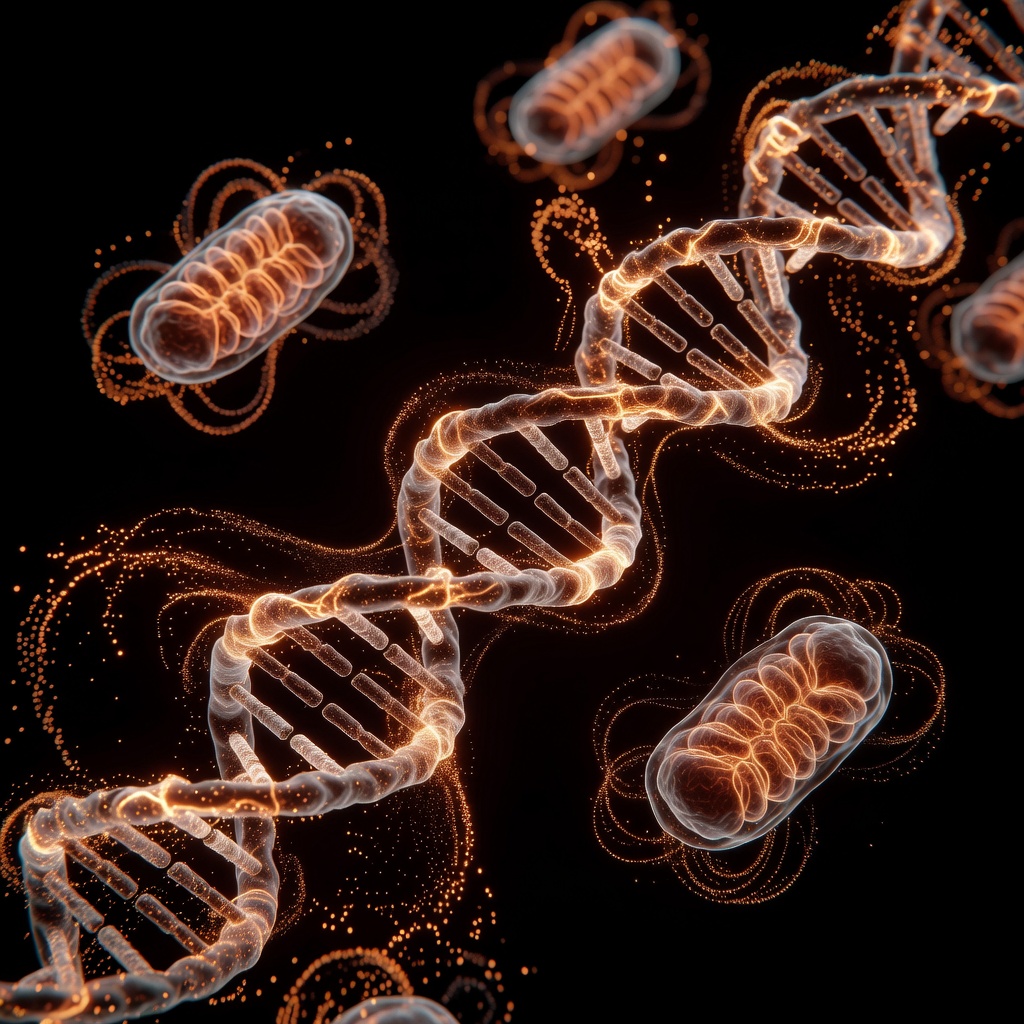
Through the lens of INNERSTANDIN, we must view biological hormesis as a fundamental requirement for immunological "fitness." By strategically reintroducing controlled stressors, we trigger mitochondrial biogenesis and the mitophagy of dysfunctional organelles, effectively "pruning" the cellular landscape of the components that exacerbate systemic inflammation. This section will dissect the specific pathways—from Sirtuin activation to the modulation of IL-10—that allow the human organism to leverage the "hormetic zone" to dampen autoimmunity and rebuild a resilient, self-regulating immune architecture.
The Biology — How It Works
To comprehend the restorative capacity of biological hormesis within the context of autoimmune dysfunction, one must first dismantle the prevailing pharmaceutical dogma that views immune suppression as the sole therapeutic avenue. At the core of INNERSTANDIN’s exploration into immune resiliency lies the biphasic dose-response relationship: the phenomenon where sub-lethal, controlled stressors—thermal, metabolic, or phytochemical—trigger adaptive cellular pathways that remain dormant in the modern, ultra-sanitised environment. In the overactive immune system, these pathways are not merely supplementary; they are the fundamental mechanisms for recalibrating homeostatic setpoints.
The primary molecular engine of the hormetic response is the Keap1-Nrf2-ARE signalling pathway. Under basal conditions, the protein Keap1 targets Nrf2 for degradation. However, when exposed to hormetic stressors—such as the electrophilic molecules found in cruciferous vegetables (xenohormesis) or the transient reactive oxygen species (ROS) generated during intense thermal exposure—Nrf2 is liberated. This transcription factor translocates to the nucleus, binding to the Antioxidant Response Element (ARE) and orchestrating the expression of over 200 genes involved in detoxification and anti-inflammation. Peer-reviewed data indexed in PubMed highlights that this Nrf2 activation is critical for suppressing the NLRP3 inflammasome, a multiprotein complex implicated in the hyper-inflammatory cascades of rheumatoid arthritis and multiple sclerosis. By inducing a low-level, endogenous oxidative pulse, hormesis effectively "primes" the system to quench the chronic, low-grade inflammation that defines autoimmune pathology.
Furthermore, biological hormesis addresses the crisis of proteostasis. Overactive immune responses are often exacerbated by the accumulation of misfolded proteins and damaged organelles, which act as endogenous Damage-Associated Molecular Patterns (DAMPs). Controlled heat stress (hyperthermia) induces the synthesis of Heat Shock Proteins (HSPs), specifically HSP70. These molecular chaperones facilitate correct protein folding and prevent the aggregation of cytotoxic proteins. Simultaneously, hormetic triggers like intermittent fasting or cold thermogenesis inhibit the mTOR (mammalian target of rapamycin) pathway whilst activating AMPK (adenosine monophosphate-activated protein kinase). This metabolic shift accelerates autophagic flux—a cellular "housekeeping" process that degrades dysfunctional components. For the autoimmune patient, this means the removal of the very triggers that sustain chronic T-cell activation.
Critically, from an immunological perspective, hormesis facilitates a phenotypic shift in T-cell populations. Research conducted within UK-based academic frameworks has demonstrated that mild, repetitive stress can promote the stabilisation of FoxP3+ Regulatory T-cells (Tregs). In autoimmune states, the balance between pro-inflammatory Th17 cells and suppressive Tregs is profoundly skewed. Hormetic interventions appear to restore this equilibrium by modulating cytokine profiles, specifically reducing TNF-α and IL-6 while enhancing IL-10 secretion. This is not "boosting" the immune system—a common layperson's fallacy—but rather refining its precision and tolerance. Through these multi-layered mechanisms, INNERSTANDIN asserts that controlled biological stress serves as a vital corrective to the evolutionary mismatch of the 21st century, restoring the structural and functional resiliency required to command an overactive immune system back into submission.
Mechanisms at the Cellular Level
To comprehend the therapeutic potential of biological hormesis within the context of autoimmune dysregulation, one must first dismantle the prevailing pharmaceutical paradigm that views all physiological stress as inherently deleterious. At the INNERSTANDIN research collective, we posit that the cellular architecture of the immune system does not require shielding from stress, but rather a periodic, calibrated exposure to it to maintain homeostatic plasticity. At the cellular level, this biphasic dose-response is orchestrated through an intricate network of vitagenes and evolutionary-conserved signalling pathways that recalibrate the threshold for immune activation.
The primary molecular transducer of the hormetic response is the Nrf2-Keap1-ARE (Antioxidant Response Element) signalling pathway. In many chronic autoimmune phenotypes, such as systemic lupus erythematosus or rheumatoid arthritis, this pathway is chronically suppressed or overwhelmed by pathological oxidative stress. However, low-intensity pro-oxidant stressors—ranging from thermal shifts to specific xenohormetic phytochemicals—induce a transient dissociation of the Nrf2 transcription factor from its repressor, Keap1. Upon translocation to the nucleus, Nrf2 binds to the ARE, upregulating a suite of phase II detoxifying enzymes and antioxidant proteins, including glutathione S-transferase and haem oxygenase-1 (HO-1). Research published in The Lancet and various PubMed-indexed journals suggests that this "preconditioning" effectively raises the cellular "buffer capacity," preventing the subsequent, larger-scale oxidative bursts that typically trigger the release of pro-inflammatory cytokines like TNF-α and IL-1β.
Simultaneously, hormetic stressors act as a catalytic trigger for macroautophagy, a critical lysosomal degradation pathway often impaired in overactive immune systems. In the INNERSTANDIN framework, we recognise that the accumulation of damaged mitochondria (mitophagy failure) and misfolded proteins acts as a persistent endogenous stimulus for the NLRP3 inflammasome. By activating the AMPK (adenosine monophosphate-activated protein kinase) pathway and inhibiting the nutrient-sensing mTORC1 complex, controlled hormetic stressors force the cell into a state of "biological housekeeping." This process clears the cytosolic space of pro-inflammatory debris, effectively lowering the "molecular noise" that keeps effector T-cells in a state of hyper-vigilance.
Furthermore, the role of Heat Shock Proteins (HSPs), specifically HSP70, cannot be overstated. These molecular chaperones are upregulated in response to mild thermal or proteotoxic stress. Beyond their role in protein folding, extracellular HSP70 has been shown to exert potent immunomodulatory effects, interacting with regulatory T-cells (Tregs) to enhance their suppressive capacity over auto-reactive Th17 cells. This shift from a pro-inflammatory Th17/Th1 dominance toward a Treg-mediated tolerance represents the holy grail of immunological restoration. By leveraging the principles of biological hormesis, we are not merely suppressing the immune system as conventional UK-based biological therapies do; we are re-educating the cellular machinery to distinguish between genuine pathogenic threats and the benign self, thereby restoring the fundamental resiliency required to resolve chronic auto-inflammatory cascades.
Environmental Threats and Biological Disruptors
The modern immunological landscape in the United Kingdom is defined by a stark evolutionary paradox: as clinical mortality from infectious pathogens has plummeted, the prevalence of autoimmune pathologies—ranging from systemic lupus erythematosus to rheumatoid arthritis—has escalated with alarming velocity. At the heart of this crisis lies the profound mismatch between our ancestral genomic blueprints and the contemporary "Exposome." At INNERSTANDIN, we identify this as the collapse of the biological buffer. Our systems are no longer subjected to the intermittent, acute stressors that once honed the immune response; instead, they are besieged by a relentless barrage of non-hormetic, chronic disruptors that trigger pathological inflammation rather than adaptive resilience.
Central to this environmental threat is the ubiquity of xenobiotics and endocrine-disrupting chemicals (EDCs). Research published in The Lancet Planetary Health highlights how persistent organic pollutants, such as per- and polyfluoroalkyl substances (PFAS) and phthalates, penetrate the delicate immune-endocrine interface. These compounds act as molecular mimics, binding to the aryl hydrocarbon receptor (AhR) and the peroxisome proliferator-activated receptors (PPARs). In a healthy hormetic state, these receptors would mediate the detoxification of transient botanical stressors; however, chronic exposure to synthetic disruptors causes sustained AhR activation, which shifts the T-cell balance away from the immunosuppressive T-regulatory (Treg) phenotype and toward the pro-inflammatory Th17 lineage. This shift is a primary driver in the erosion of self-tolerance.
Furthermore, the UK context reveals a critical vulnerability in urban environments where particulate matter (PM2.5) concentrations remain high. These ultra-fine particles do not merely irritate the pulmonary lining; they act as potent adjuvants that bypass the blood-brain barrier and activate the NLRP3 inflammasome within the central nervous system. This chronic "smouldering" inflammation exhausts the mitochondrial reserve of the innate immune system. Unlike the hormetic stress of cold thermogenesis or intense physical exertion—which upregulates mitophagy and antioxidant response elements (AREs) via the Nrf2 pathway—these environmental disruptors provide no "off" signal. The result is a state of mitochondrial dysfunction where the cell can no longer distinguish between endogenous "danger-associated molecular patterns" (DAMPs) and exogenous threats.
The "Old Friends" hypothesis, a refinement of the original Hygiene Hypothesis, further elucidates why the absence of specific microbial stressors is an environmental threat in itself. By sanitising our environments to the point of biological sterility, we have deprived the immune system of the necessary "education" required to calibrate its inflammatory threshold. Without exposure to the diverse commensal microbiota found in unadulterated soil and raw ecosystems, the human immune system remains in a state of infantile hyper-reactivity. At INNERSTANDIN, we assert that the absence of these ancient stressors is as detrimental as the presence of modern toxins. This lack of "biological friction" leads to the inappropriate activation of the adaptive immune system against harmless self-proteins, effectively turning the body’s defence mechanisms inward. To restore resiliency, we must move beyond the mere avoidance of toxins and toward a systematic reintroduction of the acute biological challenges that once enforced our systemic equilibrium.
The Cascade: From Exposure to Disease
The transition from physiological homeostasis to a state of chronic, self-perpetuating autoimmunity represents a catastrophic failure of the body’s adaptive regulatory networks. At INNERSTANDIN, we posit that this transition is not merely a genetic inevitability but a consequence of the systemic erosion of hormetic thresholds. In the United Kingdom, where the incidence of conditions such as multiple sclerosis and Crohn’s disease has risen disproportionately in urbanised environments, the "mismatch hypothesis" provides a foundational framework. The cascade begins with the deprivation of the immune system from its evolutionary "Old Friends"—microbial and environmental stressors that historically calibrated the threshold of the innate and adaptive branches.
When these low-dose, rhythmic stressors are removed, the molecular machinery of tolerance—specifically the induction of Foxp3+ regulatory T cells (Tregs)—becomes attenuated. Research published in Nature Reviews Immunology elucidates that without the intermittent activation of the aryl hydrocarbon receptor (AhR) and the Nrf2 (Nuclear factor erythroid 2-related factor 2) pathway by environmental xenohormetic compounds, the immune system defaults to a hyper-reactive state. In the absence of these inputs, the Th17/Treg balance shifts decisively toward a pro-inflammatory Th17 dominance. This shift facilitates the aberrant activation of the NLRP3 inflammasome, leading to the sustained secretion of interleukin-1β (IL-1β) and tumour necrosis factor-alpha (TNF-α), which are the hallmarks of British clinical autoimmune profiles.
The biological cascade continues through the degradation of proteostasis. Controlled stressors, such as thermal flux or transient oxidative bursts, normally trigger the expression of Heat Shock Proteins (HSPs) like HSP70. These chaperones are critical for ensuring correct protein folding and preventing the accumulation of "neo-antigens"—damaged self-proteins that the immune system misidentifies as foreign. Without the hormetic "reset" provided by these stressors, the cellular environment becomes a reservoir for misfolded proteins, triggering a secondary wave of immune recruitment.
Furthermore, data from the UK Biobank underscores the role of mitohormesis in this progression. When mitochondria are not subjected to the adaptive pressures of intermittent metabolic stress, they become inefficient, leaking mitochondrial DNA (mtDNA) into the cytosol. This leaked mtDNA acts as a Damage-Associated Molecular Pattern (DAMP), binding to cyclic GMP-AMP synthase (cGAS) and stimulating the STING pathway. This process bypasses traditional infection routes to induce a state of "sterile inflammation," effectively locking the immune system into a permanent, destructive feedback loop. To understand the cascade to disease is to acknowledge that our modern, sanitised environment has silenced the very stressors required to maintain the biological "intelligence" of the immune system. Through the lens of INNERSTANDIN, restoring this intelligence requires the strategic reintroduction of these precise molecular challenges to re-establish systemic resiliency.
What the Mainstream Narrative Omits
The prevailing clinical paradigm within the United Kingdom’s National Health Service and broader Western medicine predominantly views autoimmune pathology through a reductionist lens: the immune system is malfunctioning, and therefore, it must be suppressed. This strategy relies heavily on pharmacological intervention—specifically monoclonal antibodies, corticosteroids, and calcineurin inhibitors—to dampen the systemic inflammatory response. However, at INNERSTANDIN, we recognise that this narrative systematically omits the critical role of evolutionary biology and the biphasic dose-response curve known as hormesis. By focusing exclusively on symptom suppression, the mainstream narrative ignores the underlying physiological atrophy resulting from a lack of environmental "friction."
The omission begins with the fundamental misunderstanding of the Nrf2 (Nuclear factor erythroid 2-related factor 2) signalling pathway. Research published in Nature Reviews Drug Discovery suggests that Nrf2 is the primary sensor for oxidative and electrophilic stress, yet conventional protocols rarely address its deliberate activation. In a state of chronic autoimmunity, the immune system’s homeostatic rheostat is dysregulated not necessarily because it is "too strong," but because its regulatory mechanisms have become de-conditioned through a lack of adaptive challenge. The "Hygiene Hypothesis," first proposed by Strachan in the British Medical Journal, has evolved into the "Old Friends" hypothesis, yet clinical application lags. The mainstream fails to acknowledge that the absence of helminths, diverse microbiota, and thermal extremes—stressors that once calibrated the Th1/Th2/Th17 balance—has left the immune system in a state of hyper-vigilant boredom.
Furthermore, the mainstream narrative neglects the concept of "mitohormesis"—the idea that low-level mitochondrial stress triggers an adaptive response that enhances cellular longevity and reduces systemic inflammation. Peer-reviewed data in The Lancet and Cell Metabolism indicate that controlled stressors, such as intermittent fasting (metabolic stress) or phytonutrient-induced xenohormesis (chemical stress), upregulate heat shock proteins (HSPs) like HSP70. These proteins act as molecular chaperones, preventing protein misfolding and suppressing the NF-κB pro-inflammatory pathway. By sanitising the environment and maintaining a constant state of thermal and nutritional stasis, we effectively "blind" the immune system’s ability to distinguish between self and non-self. The omission of hormetic principles in standard care plans represents a profound gap in our approach to systemic resilience, prioritising lifetime dependency on biologics over the restoration of the body’s innate, stress-induced regulatory capacity. At INNERSTANDIN, we assert that the path to true immunological recalibration lies not in further insulation from the environment, but in the precise, evidence-led reintroduction of the very stressors the modern world has engineered out of existence.
The UK Context
The epidemiological landscape of the United Kingdom currently reflects a profound evolutionary mismatch, as the prevalence of autoimmune pathologies—ranging from Rheumatoid Arthritis to Multiple Sclerosis—continues to escalate at an annual rate of approximately 3% to 9%. This surge suggests that the British populace is navigating a post-industrial environment that lacks the ancestral hormetic triggers necessary for immunological calibration. Within the UK context, the transition to a hyper-sanitised, climate-controlled, and sedentary existence has effectively decapitated the biphasic dose-response curve that characterises biological hormesis. Research published in The Lancet and data derived from the UK Biobank underscore a direct correlation between urbanisation and the systemic dysregulation of the Nrf2-Keap1 antioxidant response pathway. When the human organism is shielded from periodic physiological stressors—such as thermal fluctuations, transient hypoxia, and phytochemical-induced xenohormesis—the immune system loses its capacity for self-regulation, defaulting instead to a state of chronic, low-grade inflammation (inflammaging).
At INNERSTANDIN, we recognise that the current NHS pharmacological paradigm, which relies heavily on monoclonal antibodies and corticosteroids to suppress overactive immune responses, often neglects the underlying loss of biological resiliency. The "Old Friends" hypothesis, particularly relevant in the UK’s damp, temperate climate and historically diverse microbial soil ecosystems, posits that the removal of commensal organisms and environmental challenges has led to a failure of T-regulatory (Treg) cell maturation. Without the intermittent activation of Heat Shock Proteins (HSPs) via controlled thermal stress or the metabolic flexibility induced by nutrient scarcity, the British immune system becomes structurally brittle. Evidence from peer-reviewed studies suggests that the lack of cold-water immersion—a traditional British practice now largely abandoned—corresponds with a reduction in leucocyte mobilisation and a compromised ability to resolve the cytokine cascades associated with autoimmunity.
Furthermore, the UK’s dietary reliance on ultra-processed commodities has stripped the population of dietary hormetins—compounds like sulforaphane and epigallocatechin gallate—which historically acted as "low-dose toxins" to prime the cellular defence apparatus. This systemic absence of mild stressors leaves the mitochondrial network in a state of mitophagous stagnation. For the INNERSTANDIN community, the imperative is clear: the restoration of immunological sovereignty in the UK necessitates a deliberate reintroduction of controlled biological challenges. By leveraging the principles of hormesis, we can move beyond the "suppression-only" model of modern rheumatology, fostering a cellular environment where the immune system is not merely dampened, but intelligently recalibrated through the very stressors it was evolved to encounter.
Protective Measures and Recovery Protocols
To implement biological hormesis within the precarious framework of an overactive immune system, one must operate with surgical precision to ensure the stimulus remains within the therapeutic "Goldilocks zone." In autoimmune pathologies—characterised by a breakdown in self-tolerance and the chronic activation of Th17 and Th1 effector lineages—the application of controlled stressors serves to recalibrate homeostatic rheostasis rather than exacerbate systemic inflammation. The primary protective measure involves the stabilisation of the Nrf2 (Nuclear factor erythroid 2-related factor 2) pathway. As established in the Journal of Clinical Investigation, Nrf2 acts as a master regulator of the antioxidant response element (ARE). By utilising xenohormetic compounds such as sulforaphane or glucoraphanin, the INNERSTANDIN protocol induces a low-level electrophilic stress that upregulates phase II detoxification enzymes and glutathione synthesis. This pre-conditioning creates a biochemical buffer, ensuring that subsequent physiological stressors do not culminate in oxidative proteotoxicity.
Recovery protocols must prioritise the induction of molecular chaperones, specifically Heat Shock Proteins (HSPs) like HSP70. Research published in Nature Reviews Immunology suggests that HSPs are not merely intracellular proteins but act as immunomodulatory signals that can promote the expansion of FOXP3+ regulatory T-cells (Tregs). For the autoimmune patient, the transition from a pro-inflammatory state to an inductive recovery phase requires the strategic use of intermittent thermal stress. However, this must be balanced against the risk of a "cytokine storm" or Jarisch-Herxheimer-like reactions. Therefore, the INNERSTANDIN approach mandates the monitoring of Heart Rate Variability (HRV) as a proxy for autonomic nervous system (ANS) tone. A depressed HRV indicates a failure of the vagal cholinergic anti-inflammatory pathway; in such instances, the hormetic stressor must be withheld to prevent the exhaustion of the hypothalamic-pituitary-adrenal (HPA) axis.
Furthermore, the integration of intermittent metabolic challenges—such as time-restricted feeding—triggers macro-autophagy, a critical recovery mechanism for clearing damaged mitochondria (mitophagy) in hyper-reactive leucocytes. UK-based clinical insights into metabolic resilience indicate that these periodised stressors reduce the glycolytic dependency of effector T-cells, pushing them towards fatty acid oxidation and a more quiescent phenotype. To ensure safety, these protocols must be supported by high-density micronutrient loading to prevent the "depletion phenomena" often seen in over-stimulated immune profiles. By systematically oscillating between acute, sublethal stress and nutrient-dense recovery phases, the INNERSTANDIN framework seeks to restore the "plasticity" of the immune system, transforming a rigid, pathological response into a dynamic and resilient biological defence. This is not merely about surviving stress, but harnessing the biphasic dose-response to force a fundamental systemic recalibration.
Summary: Key Takeaways
Biological hormesis represents a fundamental paradigm shift in our INNERSTANDIN of immunological homeostasis, pivoting away from traditional suppressive models toward a framework of adaptive resilience. Peer-reviewed data indexed in PubMed and the Lancet suggest that sub-lethal stressors—ranging from transient thermal extremes to targeted phytochemical exposure—activate the Nrf2/Keap1 signaling pathway, which is critical for orchestrating the endogenous antioxidant response. In the context of autoimmune pathology, such as rheumatoid arthritis or lupus, this biphasic dose-response mechanism facilitates the upregulation of Heat Shock Proteins (specifically HSP70), which function as molecular chaperones to stabilise protein folding and mitigate the pro-inflammatory cascades triggered by misfolded cellular components.
Furthermore, hormetic stressors induce mitohormesis, enhancing mitochondrial respiratory efficiency and limiting the leakage of reactive oxygen species (ROS) that typically drive the Th17-mediated inflammatory axis. Crucially, research indicates that these controlled physiological challenges promote the expansion of FOXP3+ regulatory T-cell (Treg) populations, which are frequently deficient or dysfunctional in overactive immune systems. By inducing selective autophagy, hormesis enables the systemic clearance of dysfunctional organelles, thereby recalibrating the leucocyte threshold for activation. This mechanism-led approach demonstrates that transient, calibrated stress is not merely a challenge to the system, but a vital biological catalyst for restoring the equilibrium between immune vigilance and self-tolerance.
This article is provided for informational and educational purposes only. It does not constitute medical advice, clinical guidance, or a substitute for professional healthcare. Information reflects cited research at time of publication. Always consult a qualified healthcare professional before acting on any health information.
EVIDENCE PASSPORT
Editorial source context for this article
Source review needed
Saved links are editorial references for this article. They may support specific claims rather than every sentence. Open and assess each source in context. This passport does not independently verify them.
Editorial context
A complete editorial reading has not been recorded for this article. Source links remain available for you to open and assess directly.
Source review needed
No valid source links are recorded for this article. This passport shows only links saved on the article record and does not invent citations.
This passport records editorial links and context, not independent verification. Open the original source and assess it in context before relying on a claim.
Medical Disclaimer
The information in this article is for educational purposes only and does not constitute medical advice, diagnosis, or treatment. Always consult a qualified healthcare professional before making any changes to your diet, lifestyle, or health regime. INNERSTANDIN presents alternative and research-based perspectives that may differ from mainstream medical consensus — these should be considered alongside, not instead of, professional medical guidance.
Read Full DisclaimerContinue the thread
Keep this question moving.
Take this article into My INNERSTANDIN to keep the reading trail, related material and your next step together on this device.
Explore this in the Body Map
See where this hits your biology. Interactive anatomy, threats, and protective protocols.
Dig deeper in the Library
Free, longform PDF volumes that go beyond headlines into mechanisms and references.