
Biotin Deficiency and Microbiome Dysbiosis
Updated May 2026
While biotin is synthesized by gut flora, UK antibiotic overuse has compromised the microbial production of this B-vitamin. We look at the dermatological and metabolic consequences of biotin insufficiency.
Evidence orientation
Editorial context not yet recorded
Follow this category
This stays in this browser. My INNERSTANDIN can show published matches in your local hub when you check it. It does not send email, push, or alert notifications.
Local learning review
A private browser aid for revisiting ideas. It is not an alert or a health recommendation.
Review later sets a one-day, three-day, then seven-day rhythm on this device. Choose it only when you want to revisit this article.
Overview
For decades, the nutritional landscape has been dominated by a reductionist view of vitamins as mere dietary inputs. We are told that if we consume a "balanced diet," our physiological requirements will be met. This perspective is not only archaic but dangerously incomplete. It ignores the most significant bioreactor in the human body: the gut microbiome. At the centre of this oversight lies Biotin, also known as Vitamin B7 or Vitamin H.
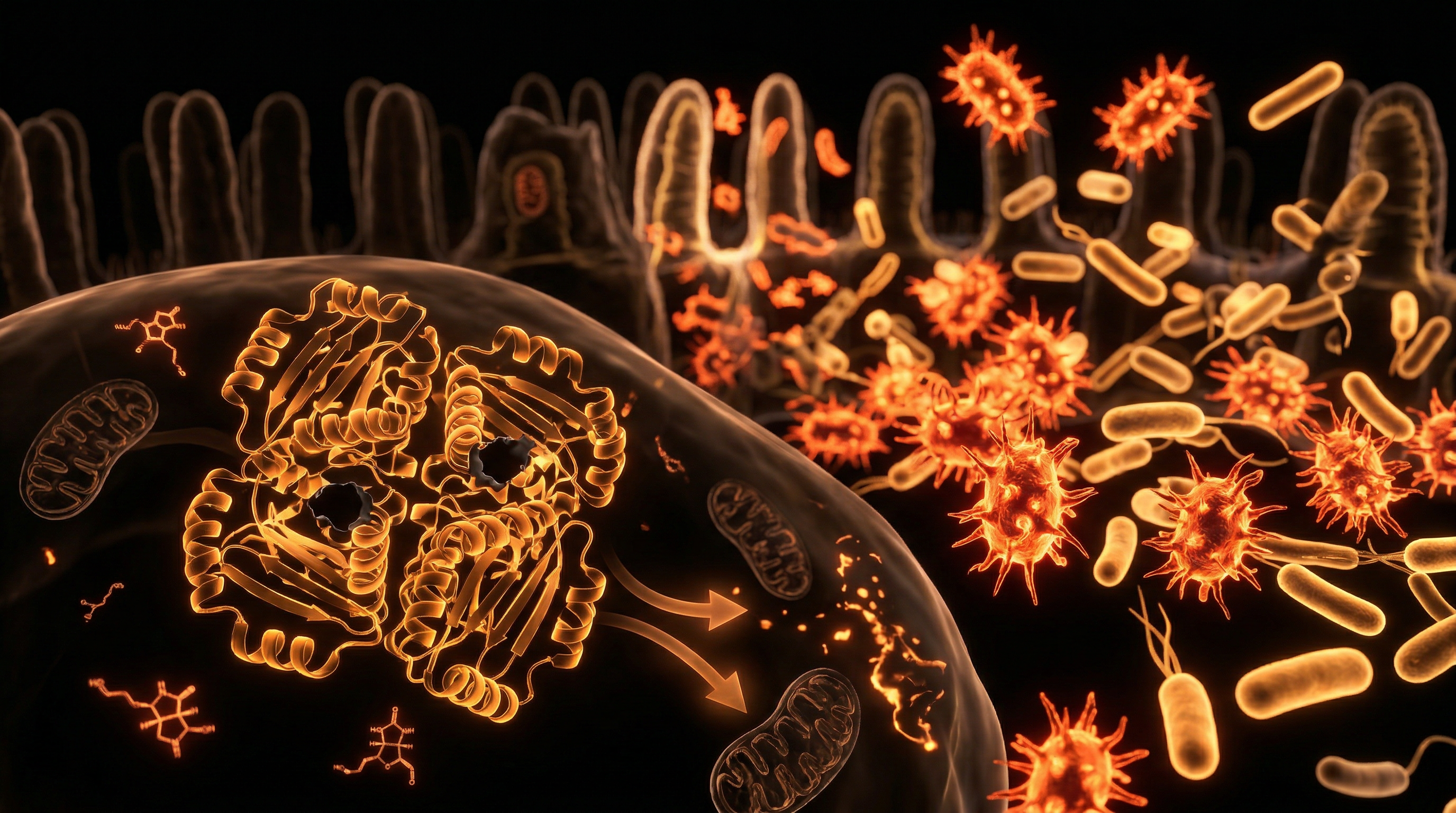
While traditional textbooks list biotin as a water-soluble vitamin found in eggs, nuts, and liver, they frequently gloss over a fundamental biological reality. A substantial portion of the human biotin requirement is meant to be satisfied through de novo biosynthesis by commensal bacteria residing in the large intestine. We are designed to be self-sustaining "biotin factories." However, in the modern United Kingdom, this internal factory is under siege.
The pervasive overuse of broad-spectrum antibiotics, the consumption of ultra-processed foods laden with emulsifiers, and the ubiquitous presence of environmental toxins like glyphosate have decimated the microbial architecture required for biotin production. This has led to a "silent epidemic" of biotin insufficiency—a condition that does not always manifest as an acute deficiency but as a chronic, low-grade metabolic and dermatological decline. This article serves as a comprehensive interrogation of how microbiome dysbiosis has compromised our biotin status and the systemic consequences of this biological betrayal.
Key Statistic: Research indicates that the distal colon contains concentrations of biotin that far exceed daily dietary intake, yet in individuals with compromised microbiomes, the bioavailability of this endogenous biotin drops by as much as 70%.
The Biology — How It Works
To understand the crisis, one must first understand the symbiosis. Biotin is a sulfur-containing B-vitamin that acts as an indispensable co-factor for five primary carboxylase enzymes. These enzymes are the "gears" of our metabolic engine, facilitating the transfer of carbon dioxide molecules during the synthesis of fatty acids, the glucose-production pathway (gluconeogenesis), and the catabolism of branched-chain amino acids.
The Microbial Factory
The human genome does not possess the blueprints to synthesise biotin. We are entirely dependent on exogenous sources: our diet and our microbes. In a healthy gut, specific phyla—primarily Bacteroidetes and certain strains of Firmicutes—possess the bio operons required to synthesise biotin from simple precursors like pimeloyl-CoA and alanine.
- Bacteroides fragilis and Bacteroides thetaiotaomicron are prolific biotin producers.
- These bacteria release biotin into the intestinal lumen, where it is absorbed through the Sodium-dependent Multivitamin Transporter (SMVT).
- Unlike most nutrients absorbed in the small intestine, microbial biotin is primarily absorbed in the colon, a site often neglected by traditional nutritional science.
The Biotin Cycle and Biotinidase
The body is remarkably frugal with its biotin supply. We possess an enzyme called biotinidase, which functions to "recycle" the vitamin. When proteins containing biotin are broken down, biotinidase cleaves the biotin from the amino acid (lysine), allowing it to be reused. This recycling mechanism is a biological safeguard against periods of scarcity. However, this system relies on a steady "basal load" provided by the gut. When the microbiome is decimated, the recycling system becomes overwhelmed; it cannot recycle what isn't there in the first place.
Mechanisms at the Cellular Level
The systemic impact of biotin deficiency is rooted in the failure of five specific biotin-dependent carboxylases. When biotin levels drop due to dysbiosis, these enzymes lose their "prosthetic group"—their active key—leading to a metabolic logjam.
1. Acetyl-CoA Carboxylase (ACC I and II)
ACC is the rate-limiting step in fatty acid synthesis. It converts acetyl-CoA to malonyl-CoA.
- Consequence of Failure: Impaired production of the long-chain fatty acids required for the acid mantle of the skin and the myelin sheath surrounding nerves. This is why biotin deficiency often manifests as both dermatological and neurological issues simultaneously.
2. Pyruvate Carboxylase (PC)
This enzyme is crucial for gluconeogenesis—the creation of glucose from non-carbohydrate sources. It is a vital bridge between the cytoplasm and the mitochondria (the Krebs cycle).
- Consequence of Failure: A backup of pyruvate, which is then diverted into lactic acid. This contributes to systemic metabolic acidosis and chronic fatigue, as the cell's ability to produce ATP (energy) is severely hampered.
3. Propionyl-CoA Carboxylase (PCC)
PCC is involved in the breakdown of specific amino acids and odd-chain fatty acids.
- Consequence of Failure: The accumulation of propionic acid, which is neurotoxic. Subclinical elevations can lead to "brain fog," lethargy, and developmental delays in children.
4. 3-Methylcrotonyl-CoA Carboxylase (MCC)
This enzyme is required for the catabolism of leucine, an essential amino acid.
- Consequence of Failure: The accumulation of 3-hydroxyisovaleric acid (3-HIA) in the urine. Measuring 3-HIA is actually a more sensitive marker for biotin deficiency than measuring serum biotin itself—a fact frequently ignored by NHS diagnostic labs.
The Epigenetic Dimension: Histone Biotinylation
Perhaps the most groundbreaking discovery in biotin research is its role in epigenetics. Biotin is used to modify histones—the proteins around which DNA is wrapped.
- Gene Silencing: Biotinylation of histones (specifically H2A, H3, and H4) is involved in gene silencing and the maintenance of genomic stability.
- When the microbiome fails to provide sufficient biotin, our very gene expression is altered. This increases our susceptibility to DNA damage and inflammatory cytokine "storms," linking gut dysbiosis directly to the expression of autoimmune and oncogenic genes.
Environmental Threats and Biological Disruptors
The degradation of the British microbiome is not an accident; it is a consequence of environmental and clinical pressures.
The Antibiotic "Scorched Earth"
The UK has one of the highest historical rates of antibiotic prescribing in Europe. While efforts are being made to reduce this, the damage to the generational "seed stock" of our gut flora is done. Broad-spectrum antibiotics like Amoxicillin and Ciprofloxacin do not discriminate; they kill the biotin-producing Bacteroides as effectively as they kill pathogens.
- Research shows that even a single seven-day course of antibiotics can permanently alter the microbial diversity of the colon, specifically suppressing the species responsible for B-vitamin synthesis.
Glyphosate and the Shikimate Pathway
Glyphosate, the world's most used herbicide, is a frequent contaminant in the UK food supply (particularly in wheat and oats). While proponents claim it is safe because humans lack the shikimate pathway, they omit the fact that our gut bacteria use this pathway.
- Glyphosate acts as a potent, low-dose antibiotic, selectively killing "beneficial" microbes while allowing pathogenic, non-biotin-producing strains like Clostridia to flourish.
The Avidin Factor and Processed Foods
While the consumption of raw egg whites (containing avidin, which binds biotin) is rare, the use of isolated egg proteins in processed foods and "health" shakes is rising. When combined with a microbiome that is already underperforming, these dietary binders can strip the body of the remaining biotin it manages to produce.
Alcohol and Medications
In the UK, alcohol consumption remains a significant cultural factor. Alcohol inhibits the SMVT transporter, preventing the absorption of biotin in the colon. Furthermore, medications such as anticonvulsants (used for epilepsy and increasingly for nerve pain) compete with biotin for absorption and accelerate its breakdown in the liver.
The Cascade: From Exposure to Disease
The progression from a disrupted microbiome to clinical pathology follows a predictable, yet often misdiagnosed, cascade.
Stage 1: The Asymptomatic Decline
In the initial months following antibiotic use or chronic poor diet, the body relies on its biotinidase recycling system and liver stores. Serum levels may appear normal. However, at a cellular level, histone biotinylation begins to decrease. The person may experience mild fatigue or "moodiness," which is usually attributed to stress.
Stage 2: Dermatological Signalling
The skin is often the first organ to "shout" when biotin levels are insufficient.
- Seborrheic Dermatitis: A greasy, red, scaly rash, particularly around the nose, mouth, and eyes.
- Alopecia: Thinning of the hair and loss of eyebrow density.
- Erythematous Periorificial Rash: This is the classic "biotin deficiency face."
The reason for this is the failure of ACC (Acetyl-CoA Carboxylase). Without it, the lipid barrier of the skin fails, leading to transepidermal water loss and the entry of opportunistic pathogens like Malassezia fungi.
Stage 3: Neurological and Metabolic Collapse
As the deficiency deepens, the nervous system—which is highly dependent on fatty acid synthesis for myelin—begins to falter.
- Paresthesia: Tingling in the extremities (pins and needles).
- Hypotonia: Muscle weakness.
- Lethargy and Depression: Resulting from impaired amino acid metabolism and neurotransmitter imbalances.
- Lactic Acidosis: Subclinical elevations in lactic acid cause muscle aches and "unexplained" exercise intolerance.
Important Callout: Many patients diagnosed with Chronic Fatigue Syndrome (ME/CFS) or Fibromyalgia in the UK display metabolic markers (such as elevated 3-hydroxyisovaleric acid) that are indicative of impaired biotin-dependent pathways, yet they are rarely screened for microbiome-driven B-vitamin deficiencies.
What the Mainstream Narrative Omits
The medical establishment continues to treat biotin deficiency as a "rare" condition, citing the fact that "biotin is found in many foods." This is a half-truth that ignores the following realities:
1. The RDA Fallacy
The "Adequate Intake" (AI) for biotin is set at a measly 30 micrograms per day for adults. This figure was calculated decades ago based on avoiding the most extreme, life-threatening symptoms. It does not account for the requirements of optimal cellular function, epigenetic stability, or the higher needs of those with chronic inflammation or gut dysbiosis.
2. Serum Testing is Inaccurate
Standard blood tests measure total serum biotin. This is a poor indicator of functional status. A person can have "normal" serum levels while their cells are starving for biotin because the SMVT transport mechanism is down-regulated or because the biotin is not being effectively converted into its active co-enzyme form.
3. The Genetic "Dark Matter"
A significant portion of the population carries SNPs (Single Nucleotide Polymorphisms) in the BTD (biotinidase) or SLC5A6 (SMVT) genes. These people have a naturally higher requirement for biotin. When a "normal" person with these SNPs experiences microbiome dysbiosis, they crash much faster. The mainstream narrative treats genetics and the microbiome as separate silos; in reality, they are a fused system.
4. The "Sterile Gut" Myth
Modern hygiene theory suggests that a sterile gut is a healthy gut. In reality, the "sterilisation" of the UK gut through chlorinated water, antibacterial soaps, and food preservatives has removed the very microbial "mentors" that train our immune system and provide our B-vitamins. We have traded acute infections for chronic metabolic failure.
The UK Context
The United Kingdom presents a unique and troubling case study for biotin-microbiome disruption. Several factors converge here to create a "perfect storm."
The "Great British Diet"
Despite the rise of "wellness" culture, the average UK diet is dominated by ultra-processed foods (UPFs). UPFs make up over 50% of the British calorie intake. These foods are devoid of the prebiotics (like inulin and resistant starch) required to feed biotin-producing Bacteroides. Furthermore, the UK’s high consumption of "diet" products containing artificial sweeteners has been shown to specifically inhibit the growth of beneficial gut flora.
The Antibiotic Legacy
The NHS was, for many years, exceptionally liberal with antibiotic prescriptions for minor viral upper respiratory tract infections. While the UK 5-year Action Plan for Antimicrobial Resistance is addressing this, we are dealing with a "legacy population" whose microbiomes were altered in childhood and have never been properly restored.
Environmental Chlorine and Fluoride
The UK’s municipal water treatment relies heavily on chlorine. While necessary for preventing water-borne diseases, the residual chlorine in tap water acts as a continuous, low-dose antimicrobial wash for the oral and upper GI microbiome. For a population already low in biotin-producing bacteria, this constant "sanitisation" prevents the microbiome from ever reaching a state of robust synthesis.
The Vitamin D Connection
There is a synergistic relationship between Vitamin D and Biotin absorption. Vitamin D up-regulates the expression of the SMVT (the biotin transporter). In the UK, where Vitamin D deficiency is nearly universal during the winter months, our ability to absorb even the small amount of biotin produced by our gut is further compromised.
Protective Measures and Recovery Protocols
Recovering from microbiome-driven biotin deficiency requires more than just swallowing a pill. It requires a comprehensive "re-wilding" of the internal terrain.
1. Targeted Supplementation
While we aim for microbial independence, "rescue doses" are often necessary.
- Therapeutic Dosing: For those with dermatological or neurological symptoms, doses of 5mg to 10mg (5,000 to 10,000 mcg) per day may be required to bypass impaired transport mechanisms.
- The "B-Complex" Rule: Biotin should never be taken in isolation for long periods. It works in concert with B5 (pantothenic acid) and B12. High-dose biotin can sometimes mask or induce a functional deficiency in other B-vitamins.
2. Re-seeding the Biotin Factory
We must re-introduce and feed the biotin-producers.
- Probiotics: Look for strains like Bifidobacterium infantis and Lactobacillus reuteri, which have been shown to support the metabolic environment of the colon.
- Prebiotic Fibre: Consume at least 30g of fibre per day from diverse sources. Jerusalem artichokes, leeks, garlic, and onions are rich in inulin, the preferred fuel for Bacteroides.
- Polyphenols: Dark berries, green tea, and cocoa contain polyphenols that act as "microbiome modulators," suppressing pathogens while encouraging the growth of biotin-synthesising species.
3. Eliminating the Disruptors
- Filtered Water: Use a high-quality water filter (reverse osmosis or carbon block) to remove residual chlorine and fluoride.
- Organic Preference: Prioritise organic oats, wheat, and legumes to avoid glyphosate residues that damage the bio operon bacteria.
- Alcohol Cessation: During the recovery phase (at least 90 days), alcohol should be avoided to allow the SMVT transporters in the gut to recover.
4. Diagnostic Testing: The "Gold Standard"
If you suspect a deficiency, do not settle for a serum biotin test. Request an Organic Acids Test (OAT). Look specifically for:
- 3-Hydroxyisovaleric Acid: A high level is a definitive sign of cellular biotin deficiency.
- Lactate and Pyruvate: Elevations suggest a failure of the Pyruvate Carboxylase enzyme.
- Methylcitrate: An indicator of Propionyl-CoA Carboxylase failure.
Summary: Key Takeaways
The narrative that biotin deficiency is "impossible" on a standard Western diet is a dangerous myth. It is a belief predicated on a human body that exists in a vacuum, isolated from its microbial partners.
- Microbial Symbiosis: We are evolved to receive a significant portion of our biotin from the gut microbiome. The "balanced diet" narrative is insufficient if the "internal factory" is broken.
- The Antibiotic Toll: Overuse of antibiotics in the UK has created a generational deficit in biotin-producing bacteria, leading to widespread subclinical deficiency.
- Cellular Consequences: Biotin is not just for hair and nails; it is a fundamental regulator of energy metabolism (carboxylases) and gene expression (histone biotinylation).
- Dermatological Warning Signs: Issues such as seborrheic dermatitis and thinning hair are not "cosmetic" problems; they are systemic "check engine" lights indicating metabolic failure.
- The Path Forward: Recovery requires a dual approach: high-dose supplementation to address the immediate cellular debt, and long-term "re-wilding" of the gut microbiome to restore endogenous production.
As we move further into an era of unprecedented environmental and chemical stress, we must reclaim our biological sovereignty. This begins with acknowledging that our health is not merely a product of what we eat, but of what our microbial residents produce. To ignore the microbiome's role in biotin status is to ignore one of the most fundamental pillars of human metabolism. The "silent scurvy" of the B-vitamins is here; it is time we started looking at the gut to find the solution.
This article is provided for informational and educational purposes only. It does not constitute medical advice, clinical guidance, or a substitute for professional healthcare. Information reflects cited research at time of publication. Always consult a qualified healthcare professional before acting on any health information.
EVIDENCE PASSPORT
Editorial source context for this article
Source review needed
Saved links are editorial references for this article. They may support specific claims rather than every sentence. Open and assess each source in context. This passport does not independently verify them.
Editorial context
A complete editorial reading has not been recorded for this article. Source links remain available for you to open and assess directly.
Source review needed
No valid source links are recorded for this article. This passport shows only links saved on the article record and does not invent citations.
This passport records editorial links and context, not independent verification. Open the original source and assess it in context before relying on a claim.
Medical Disclaimer
The information in this article is for educational purposes only and does not constitute medical advice, diagnosis, or treatment. Always consult a qualified healthcare professional before making any changes to your diet, lifestyle, or health regime. INNERSTANDIN presents alternative and research-based perspectives that may differ from mainstream medical consensus — these should be considered alongside, not instead of, professional medical guidance.
Read Full DisclaimerContinue the thread
Keep this question moving.
Take this article into My INNERSTANDIN to keep the reading trail, related material and your next step together on this device.
Explore this in the Body Map
See where this hits your biology. Interactive anatomy, threats, and protective protocols.
Dig deeper in the Library
Free, longform PDF volumes that go beyond headlines into mechanisms and references.