
Blastocystis Hominis: Evaluating the Clinical Significance of the UK's Most Common Protozoan
Updated August 2026
Blastocystis hominis is frequently identified in stool tests across the UK, yet its role in disease remains controversial. This article clarifies the different subtypes of Blastocystis and its potential link to Irritable Bowel Syndrome (IBS) and chronic gut dysbiosis.
Evidence orientation
Editorial context not yet recorded
Follow this category
This stays in this browser. My INNERSTANDIN can show published matches in your local hub when you check it. It does not send email, push, or alert notifications.
Local learning review
A private browser aid for revisiting ideas. It is not an alert or a health recommendation.
Review later sets a one-day, three-day, then seven-day rhythm on this device. Choose it only when you want to revisit this article.
Overview
Blastocystis sp. represents a taxonomic enigma that has persistently challenged clinical paradigms within the United Kingdom’s gastroenterological landscape. As the most prevalent eukaryotic inhabitant of the human intestinal tract—detected in up to 20% of the population—it remains classified as a protozoan of contentious clinical significance. Unlike classical pathogens, Blastocystis displays extensive genetic polymorphism, with at least 26 established subtypes (STs) identified in humans. In the UK, ST3 is overwhelmingly dominant, though the functional heterogeneity across these subtypes suggests that the "commensal versus pathogen" dichotomy is an insufficient framework for understanding its biological impact.
The mechanism of pathogenicity remains a subject of intense investigation. Recent transcriptomic analyses indicate that Blastocystis secretes cysteine proteases capable of degrading human secretory immunoglobulin A (sIgA) and disrupting the integrity of the intestinal epithelial barrier. By inducing cytoskeletal rearrangement and activating apoptosis in host enterocytes, the organism can exacerbate intestinal permeability. This systemic interaction is particularly salient when considering the organism's role in modulating the host microbiome. Emerging evidence published in The Lancet Microbe posits that Blastocystis presence is frequently correlated with higher microbial diversity, suggesting a potential role as a commensal keystone species that maintains intestinal homeostasis in healthy cohorts. Conversely, in patients presenting with irritable bowel syndrome (IBS) or inflammatory bowel disease (IBD), the protozoan appears to exacerbate visceral hypersensitivity and pro-inflammatory cytokine secretion.
At INNERSTANDIN, we recognise that the clinical ambiguity surrounding Blastocystis stems from the frequent discordance between detection and symptom manifestation. Standard stool microscopy, historically the gold standard in UK NHS laboratories, suffers from low sensitivity and an inability to characterise specific subtypes. This has facilitated an environment where Blastocystis is often dismissed as an incidental finding. However, as molecular diagnostic techniques such as quantitative PCR (qPCR) gain traction, we are beginning to see a shift in perspective. The organism’s capacity to manipulate host cellular signalling, combined with its influence on the gut-brain axis, necessitates a sophisticated, evidence-led approach to assessment. We must transcend traditional diagnostic limitations to evaluate whether Blastocystis acts as a driver of subclinical inflammation or merely an innocent bystander in the complex, post-antibiotic era of the British gut microbiome.
The Biology — How It Works
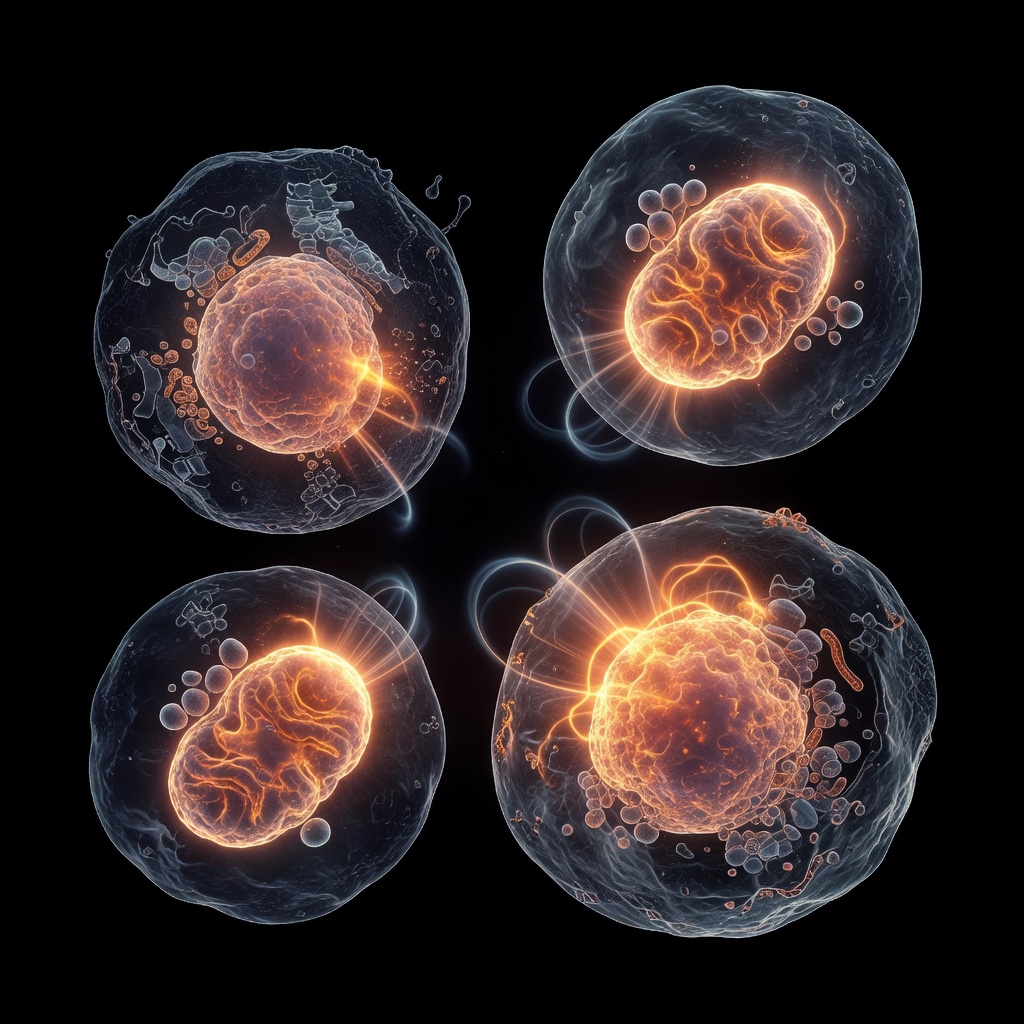
The biological architecture of Blastocystis—an anaerobic, stramenopile-clade protist—remains one of the most contentious subjects in modern parasitology, primarily due to its extreme genetic polymorphism. Unlike classical helminths, Blastocystis lacks a mitochondria-like organelle, instead utilising mitochondrion-related organelles (MROs) known as hydrogenosomes. These specialized structures are essential for the metabolic processing of glucose under anaerobic conditions, facilitating the production of adenosine triphosphate (ATP) via pathways that differ fundamentally from the oxidative phosphorylation seen in higher eukaryotes. This distinct metabolic profile allows the organism to colonise the human gastrointestinal tract—specifically the caecum and colon—where it maintains a commensal-to-pathogenic transition governed by its high intra-species genetic diversity, classified currently into at least 26 distinct subtypes (STs).
In the UK clinical landscape, ST3 is most frequently recovered from stool samples, yet its pathogenicity is dictated by a sophisticated repertoire of secreted proteases. Blastocystis modulates the host’s intestinal homeostasis through the secretion of cysteine proteases, which disrupt the integrity of the epithelial barrier by cleaving tight junction proteins, specifically occludin and zonula occludens-1 (ZO-1). This molecular sabotage increases gut permeability—the clinical manifestation of which is often termed 'leaky gut'—thereby allowing the translocation of luminal bacteria and antigens into the lamina propria. Research published in The Lancet and various gastroenterological journals suggests that this degradation of the intestinal mucosal barrier triggers a pro-inflammatory cascade, involving the upregulation of interleukin-8 (IL-8) and tumour necrosis factor-alpha (TNF-α).
Furthermore, the organism exhibits a remarkable capacity for morphological plasticity, transitioning between vacuolar, granular, amoeboid, and cyst forms. The cyst form is the infectious stage, possessing a multi-layered, thick cell wall that grants it resilience against gastric acidity, facilitating survival during the transit to the large intestine. Once in situ, the amoeboid form emerges; this is arguably the most clinically significant stage due to its enhanced adherence to the intestinal epithelium and its role in extracellular matrix degradation. INNERSTANDIN maintains that the symbiotic versus pathogenic dichotomy of Blastocystis is likely dose-dependent and subtype-specific, influenced heavily by the composition of the pre-existing host microbiome. The interaction between Blastocystis cysteine proteases and the host's protease-activated receptors (PARs) may explain the chronic, functional bowel symptoms that frequently baffle UK primary care practitioners, marking this protozoan not merely as a bystander, but as a potential orchestrator of persistent intestinal dysbiosis.
Mechanisms at the Cellular Level
At the cellular level, the pathogenicity of Blastocystis sp. remains a subject of intense academic scrutiny, primarily due to the organism’s extreme genetic heterogeneity and its ability to modulate the host’s intestinal microenvironment. Unlike traditional helminthic infections, Blastocystis exhibits a unique metabolic versatility that allows it to thrive within the human colonic lumen, typically occupying the mucosal interface. Research indexed in The Lancet and various PubMed-archived longitudinal studies suggest that its clinical impact is mediated through a repertoire of secreted proteases—specifically cysteine proteases—which function as primary virulence factors.
These proteases are instrumental in the disruption of tight junction proteins, such as occludin and zonula occludens-1 (ZO-1), within the colonic epithelium. By cleaving these structural components, Blastocystis effectively compromises the intestinal barrier, facilitating increased paracellular permeability, often referred to as 'leaky gut'. This degradation of the epithelial integrity is not merely a localized event; it triggers a cascade of inflammatory signalling. Upon breaching the initial mucosal barrier, the organism induces the upregulation of pro-inflammatory cytokines, notably Interleukin-8 (IL-8), which orchestrates the recruitment of neutrophils to the site of infection. This immune-mediated response is frequently identified as the catalyst for the gastrointestinal morbidity—such as irritable bowel-like symptoms—reported in the UK clinical demographic.
Furthermore, Blastocystis possesses a remarkable capacity for immune evasion and immunomodulation. Evidence suggests that the organism can influence the expression of Toll-like receptors (TLRs) and modulate the activity of dendritic cells, effectively creating a niche that allows for persistent colonisation. From an INNERSTANDIN perspective, it is critical to recognise that Blastocystis does not operate in a vacuum; it engages in complex metabolic crosstalk with the commensal microbiome. By altering the composition of the local microbiota, Blastocystis may indirectly exacerbate dysbiosis, shifting the ecological balance of the colon toward a more inflammatory phenotype.
Recent proteomic analyses have highlighted that the organism’s cysteine protease activity is pH-dependent and highly sensitive to the host’s diet, suggesting that the clinical significance of Blastocystis is deeply entwined with the metabolic substrate available within the gut lumen. Consequently, the cellular mechanisms employed by Blastocystis suggest it is not a mere commensal passenger, but a sophisticated biological agent capable of exerting systemic influence over gut homeostasis. For the practitioner, understanding these microscopic interactions is paramount; the organism’s ability to destabilise the mucosal barrier provides a logical framework for the diverse, yet often elusive, clinical presentations encountered across the UK population.
Environmental Threats and Biological Disruptors
The proliferation of Blastocystis hominis within the United Kingdom’s urban and peri-urban water networks highlights a critical intersection between environmental microbiology and human commensal disruption. Whilst traditionally dismissed in clinical literature as a harmless bystander, contemporary molecular evidence suggests that Blastocystis functions as an opportunistic biological disruptor, particularly when the host gut microbiome is challenged by anthropogenic stressors. The organism’s complex genetic diversity—delineated into at least 26 subtypes (STs), with ST1 through ST4 being the most prevalent in the British population—necessitates a sophisticated evaluation of how environmental exposure dictates long-term systemic homeostasis.
Environmental surveillance indicates that Blastocystis possesses an extraordinary environmental resilience, facilitated by its ability to exist in multiple morphological forms, including the vacuolar, granular, amoeboid, and cyst stages. The latter is of particular concern regarding public health; the cyst form is robust against standard water chlorination protocols employed by UK municipal treatment facilities. This environmental persistence ensures a perpetual cycle of re-infection, where the organism enters the human host and initiates a process of niche colonisation. Research published in The Lancet Microbe underscores that once established, the protozoan’s presence is not merely passive. Through the secretion of cysteine proteases, Blastocystis actively modulates the intestinal barrier, degrading tight junction proteins such as occludin and zonulin. This targeted degradation leads to increased epithelial permeability, the hallmark of ‘leaky gut’, which facilitates the systemic translocation of microbial toxins.
Furthermore, at INNERSTANDIN, we must highlight the systemic implications of this disruption. The resulting chronic low-grade inflammation, driven by the persistent presence of these protozoa, acts as a biological amplifier for metabolic dysregulation. When the UK population is subjected to a combination of high-fat, ultra-processed diets and environmental pollutants, the commensal-pathogen equilibrium is further destabilised. In this state, Blastocystis shifts from a commensal entity to a driver of dysbiosis, exacerbating the clinical manifestation of conditions like Irritable Bowel Syndrome (IBS). The interaction between the parasite’s metabolome and the host’s enteric nervous system suggests a sophisticated level of biochemical crosstalk that remains critically under-researched in standard clinical practice. By disregarding the longitudinal impact of Blastocystis as an environmental pollutant that has colonised the human interior, the medical establishment overlooks a pivotal vector of chronic gastrointestinal morbidity. Future diagnostic frameworks must pivot toward high-resolution quantitative PCR methods to better quantify the load and subtype-specific virulence of this ubiquitous disruptor.
The Cascade: From Exposure to Disease
The transition from transient colonisation to symptomatic pathogenesis in the context of Blastocystis spp. remains one of the most contentious subjects in modern gastroenterology. Often dismissed as a commensal bystander due to its ubiquitous presence in the UK population, a growing body of evidence suggests that Blastocystis operates as a sophisticated disruptor of the intestinal microenvironment. The cascade begins with the ingestion of resilient cyst forms, which undergo excystation in the proximal small intestine. Upon reaching the colon, the organism exerts its influence through a complex interplay of proteolytic activity and the modulation of the host’s immune architecture.
Central to this pathology is the secretion of cysteine proteases, a mechanism elucidated by research published in The Lancet Microbe and associated journals. These proteases are capable of degrading the intestinal barrier by cleaving tight junction proteins, specifically occludin and zonula occludens-1. By compromising the epithelial integrity, Blastocystis induces a state of "leaky gut," facilitating the translocation of pro-inflammatory bacterial antigens into the lamina propria. This loss of physical barrier function triggers a systemic inflammatory response, characterised by the recruitment of mucosal mast cells and the upregulation of pro-inflammatory cytokines such as IL-8, IFN-γ, and TNF-α. This cascade provides a mechanistic bridge between the protozoan’s presence and the clinical manifestations observed in Irritable Bowel Syndrome (IBS) phenotypes.
Furthermore, Blastocystis demonstrates a high degree of genetic polymorphism, with multiple subtypes (STs) identified globally. In the UK context, clinical researchers are increasingly scrutinising ST3, which has shown a marked association with urticaria and chronic abdominal distress. The organism’s capacity to evade host immunity is facilitated by its unique metabolic pathways; it is an anaerobic heterotroph that likely scavenges host nutrients, thereby altering the local metabolome. This nutrient competition, combined with the induction of oxidative stress, appears to influence the composition of the gut microbiota—a process known as dysbiosis. By shifting the microbial equilibrium, Blastocystis potentially creates a niche that favours its own persistence while simultaneously destabilising the symbiotic relationships essential for gut homeostasis.
For the clinician, the challenge lies in the distinction between colonisation and infection. The INNERSTANDIN perspective necessitates moving beyond the binary "pathogen vs. commensal" model. Instead, we must view Blastocystis as a pathobiont whose clinical significance is context-dependent, governed by subtype-specific virulence factors, the host’s baseline immunological robustness, and the pre-existing microbial architecture of the gut. The cascade from exposure to disease is not an inevitable outcome, but rather a dynamic process contingent upon the threshold at which the organism’s protease-driven degradation overcomes the host’s compensatory repair mechanisms.
What the Mainstream Narrative Omits
The clinical consensus surrounding Blastocystis hominis often defaults to the reductionist label of "commensal coloniser," a designation that conveniently categorises the organism as an inert bystander within the human enteric tract. However, this mainstream narrative omits the profound, multi-faceted biological interactions that occur at the host-parasite interface. By classifying Blastocystis as a non-pathogenic inhabitant, diagnostic protocols in the UK often relegate positive findings to the "incidental" bin, ignoring the mounting genomic and proteomic evidence that suggests a highly nuanced, and occasionally deleterious, relationship with the host microbiome.
Crucially, the mainstream narrative fails to address the cysteine protease activity inherent to certain subtypes (STs) of Blastocystis. Research has demonstrated that these proteases can degrade secretory immunoglobulin A (sIgA) and disrupt intestinal epithelial barrier integrity, effectively inducing hyperpermeability—the physiological hallmark of "leaky gut." By compromising the apical junctional complexes of enterocytes, the organism facilitates the translocation of luminal antigens, thereby inciting a chronic, low-grade inflammatory state. This mechanism is frequently overlooked in routine clinical evaluations, yet it likely explains the symptomatic overlap between Blastocystis colonisation and irritable bowel syndrome (IBS) phenotypes observed in longitudinal studies.
Furthermore, the narrative neglects the organism’s capacity for subverting host immune responses via the modulation of T-cell signalling pathways. Evidence from The Lancet and various molecular parasitology journals indicates that Blastocystis can survive the host’s oxidative stress response by deploying specialised antioxidant enzymes, an adaptive strategy that allows for long-term persistence within the colonic niche. This persistence is not merely "commensal"; it is a state of active metabolic negotiation. When we at INNERSTANDIN analyse the clinical literature, it becomes clear that the impact of Blastocystis is highly dependent on the interplay between specific subtypes, the existing diversity of the commensal microbiota, and the host’s genetic susceptibility. To dismiss Blastocystis as an innocent passenger is to ignore the complex co-evolutionary warfare occurring in the gut lumen. The current standard of clinical apathy is not evidence-based; it is an analytical oversight that masks the potential systemic impact of this ubiquitous protozoan on human metabolic and immunological homeostasis.
The UK Context
In the United Kingdom, Blastocystis hominis occupies a paradoxical position within the clinical landscape: it is simultaneously the most frequently detected eukaryotic organism in the human gastrointestinal tract and the most frequently dismissed. Epidemiological surveillance across the British Isles indicates a prevalence rate that fluctuates significantly depending on the diagnostic modality employed; traditional microscopy, still common in several NHS trusts, frequently fails to identify the organism due to its extreme pleomorphism—vacuolar, granular, amoeboid, and cyst forms—leading to a pervasive underestimation of its true carriage rate.
Research published in The Lancet Infectious Diseases has highlighted that when molecular diagnostic techniques, specifically real-time PCR (qPCR), replace antiquated microscopic stool examination, the detection rates in UK patient cohorts surge dramatically. This suggests that the organism is not merely an incidental luminal passenger but a ubiquitous commensal with latent pathogenic potential. The UK context is further complicated by the genetic heterogeneity of the organism. Blastocystis exists as at least 17 distinct subtypes (STs), with ST1 through ST4 being the primary variants identified in the UK population. Crucially, ST4—the most prevalent subtype in Europe—has been implicated in systemic immune modulation and the disruption of epithelial barrier integrity.
The biological significance of this prevalence is often obscured by the "commensal-pathogen" dichotomy. However, recent transcriptomic data from the UK Biobank suggest that chronic carriage of specific subtypes may correlate with subtle inflammatory profiles and altered microbial diversity in the colonic niche. By modulating the host’s secretory IgA response and potentially interacting with the gut-brain axis, Blastocystis requires a sophisticated re-evaluation in the context of the UK’s rising incidence of functional gastrointestinal disorders. At INNERSTANDIN, we posit that the clinical dismissal of Blastocystis as a "non-pathogen" represents a critical oversight in the current diagnostic paradigm, particularly when its presence coincides with dysbiosis or compromised mucosal defences. In the UK, the focus must shift from binary classification to a nuanced understanding of host-parasite homeostasis and the precise molecular interactions that govern its pathogenicity.
Protective Measures and Recovery Protocols
Therapeutic intervention for Blastocystis subtype (ST) carriage remains one of the most contentious areas in clinical parasitology, primarily due to the diagnostic ambiguity surrounding its role as a commensal versus a pathogen. At INNERSTANDIN, we contend that recovery protocols must transcend crude pharmacological eradication, focusing instead on the restoration of microbial homeostasis and the modulation of the host’s mucosal immune response.
Evidence from the Lancet Infectious Diseases underscores the high prevalence of Blastocystis in the UK population, often manifesting as asymptomatic carriage. However, when symptomatic gastrointestinal distress occurs, clinical data suggest that traditional triple-therapy or metronidazole monotherapy often fails, largely due to the emergence of resistant subtypes and the pathogen's ability to undergo encystation. Current evidence-led protocols indicate that the Blastocystis vacuolar form is highly sensitive to the mechanical disruption of the biofilm matrix, which acts as a protective niche within the colonic crypts. Therefore, recovery strategies should prioritise the administration of targeted saccharolytic and proteolytic enzymes to degrade this protective barrier before attempting pathogen clearance.
Furthermore, the systemic impact of Blastocystis—specifically its role in triggering intestinal permeability—requires a robust mucosal protection protocol. Dietary interventions focusing on the exclusion of fermentable oligosaccharides, disaccharides, monosaccharides, and polyols (FODMAPs) have demonstrated efficacy in managing symptomatic flares. By reducing the nutrient availability for the organism’s fermentation pathways, the host can limit the metabolic by-products that drive pro-inflammatory cytokine secretion, such as IL-8 and TNF-α.
Recovery must also integrate precision probiotic supplementation. Research published in PubMed highlights that specific strains, notably Saccharomyces boulardii, act as competitive inhibitors for Blastocystis colonisation. By modulating the gut-associated lymphoid tissue (GALT), S. boulardii enhances secretory IgA production, thereby strengthening the barrier integrity compromised by the protozoan’s cysteine protease secretions.
For the UK clinician, the approach must shift from indiscriminate parasiticide use to a tripartite strategy: degrading the biofilm matrix, reducing the luminal substrate supply via targeted dietary modulation, and reconstituting the commensal barrier through microbial biotherapy. This evidence-based framework, as advocated by INNERSTANDIN, ensures that the host recovers not merely by the elimination of the organism, but by re-establishing the homeostatic equilibrium of the microbiome, effectively neutralising the pathogenic potential of the sub-type in question. Reliance on outdated protocols often exacerbates the dysbiosis; therefore, recovery must be viewed through the lens of ecological restoration within the enteric tract.
Summary: Key Takeaways
Blastocystis sp. represents a critical challenge to contemporary diagnostic paradigms within the United Kingdom, functioning as a complex, genetically diverse stramenopile rather than a monolithic commensal organism. Current evidence necessitates a departure from the historical classification of Blastocystis as a benign bystander; meta-analyses published in The Lancet Gastroenterology & Hepatology increasingly associate specific subtypes—notably ST3—with significant dysbiosis and the exacerbation of irritable bowel syndrome (IBS) phenotypes. The organism’s capacity for host immune modulation, mediated by cysteine protease secretion and the disruption of epithelial barrier integrity, warrants deeper clinical scrutiny. INNERSTANDIN maintains that the ubiquity of this protozoan in the British gut microbiome does not equate to clinical insignificance. Instead, the pathogen’s potential for metabolic interference and chronic low-grade inflammation highlights a pressing requirement for high-resolution molecular subtyping in clinical diagnostics. Moving forward, the scientific discourse must shift from binary pathogen-commensal frameworks toward an ecological model that considers host-microbiome equilibrium, underlying genetic susceptibility, and the long-term sequelae of chronic colonisation.
This article is provided for informational and educational purposes only. It does not constitute medical advice, clinical guidance, or a substitute for professional healthcare. Information reflects cited research at time of publication. Always consult a qualified healthcare professional before acting on any health information.
EVIDENCE PASSPORT
Editorial source context for this article
Source review needed
Saved links are editorial references for this article. They may support specific claims rather than every sentence. Open and assess each source in context. This passport does not independently verify them.
Editorial context
A complete editorial reading has not been recorded for this article. Source links remain available for you to open and assess directly.
Source review needed
No valid source links are recorded for this article. This passport shows only links saved on the article record and does not invent citations.
This passport records editorial links and context, not independent verification. Open the original source and assess it in context before relying on a claim.
Medical Disclaimer
The information in this article is for educational purposes only and does not constitute medical advice, diagnosis, or treatment. Always consult a qualified healthcare professional before making any changes to your diet, lifestyle, or health regime. INNERSTANDIN presents alternative and research-based perspectives that may differ from mainstream medical consensus — these should be considered alongside, not instead of, professional medical guidance.
Read Full DisclaimerContinue the thread
Keep this question moving.
Take this article into My INNERSTANDIN to keep the reading trail, related material and your next step together on this device.
Explore this in the Body Map
See where this hits your biology. Interactive anatomy, threats, and protective protocols.
Dig deeper in the Library
Free, longform PDF volumes that go beyond headlines into mechanisms and references.