Bone Sequestration Dynamics: The Kinetics of Lead Mobilization During Pregnancy and Menopause
An in-depth exploration of how the human skeletal system acts as a long-term reservoir for lead, and the specific physiological triggers during pregnancy and menopause that cause its remobilization into the bloodstream, impacting maternal and fetal health.
# Bone Sequestration Dynamics: The Kinetics of Lead Mobilization During Pregnancy and Menopause
At INNERSTANDING, we focus on uncovering the root causes of systemic health issues that often go overlooked in conventional diagnostics. One of the most insidious examples of 'legacy toxicity' is lead (Pb) sequestration. While environmental lead exposure has decreased significantly in the UK since the banning of leaded petrol and the phasing out of lead-based paints, the lead absorbed by individuals decades ago has not simply vanished. Instead, it has been stored within the very architecture of the human body: the skeletal system.
This article examines the complex kinetics of lead sequestration in bone and the specific physiological 'windows of vulnerability'—namely pregnancy and menopause—where this stored toxicant is remobilised, posing renewed risks to systemic health.
The Skeletal Reservoir: Lead as a Calcium Mimic
Lead is a divalent cation (Pb²⁻) that shares a striking chemical similarity to calcium (Ca²⁻). Because of this molecular mimicry, the human body does not efficiently distinguish between the two. When lead enters the bloodstream—whether through inhalation or ingestion—it follows the same metabolic pathways as calcium. Approximately 90% to 95% of the total body burden of lead in adults is sequestered within the bone matrix.
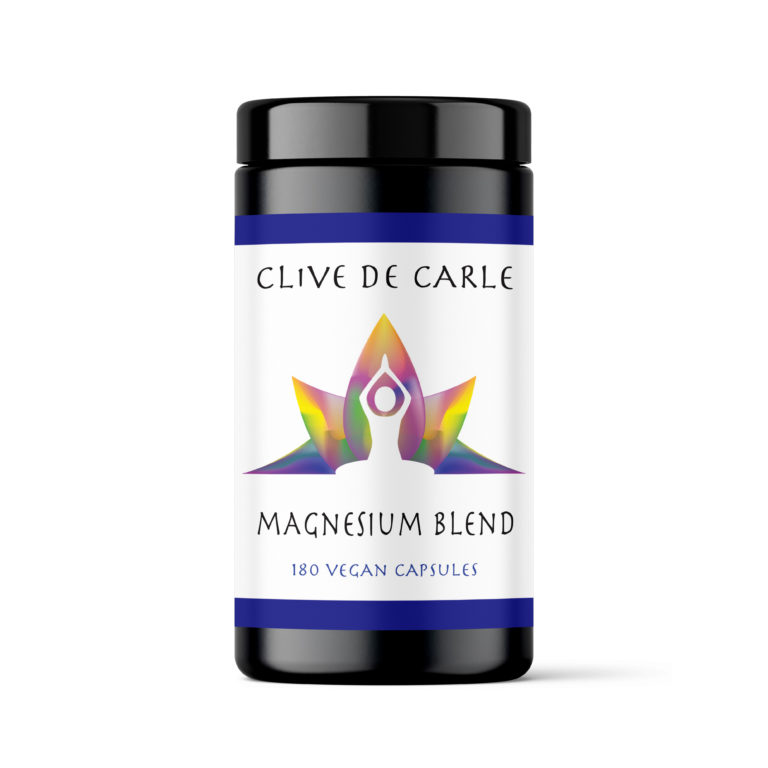
Magnesium Blend – The Most Important Mineral
A high-bioavailability mineral blend designed to support over 300 essential biochemical reactions, from energy production to muscle relaxation. This formula helps combat daily fatigue while providing the foundational support your nervous system and bones require.
Vetting Notes
Pending
Lead is incorporated into the hydroxyapatite crystals of the bone during the mineralisation process. It doesn't just sit on the surface; it becomes part of the crystalline structure. Within the bone, lead has a half-life of 20 to 30 years. This means that even if an individual has had zero environmental exposure for two decades, their internal stores may still be significant. The bone acts as a 'dynamic sink,' holding lead until the body's demand for calcium triggers its release.
The Root Cause: Bone Remodelling and Kinetic Shifts
Bone is not a static organ. It is a highly active metabolic tissue that undergoes constant remodelling through the balanced actions of osteoblasts (bone-forming cells) and osteoclasts (bone-resorbing cells). Under normal circumstances, this turnover is balanced. However, certain life stages trigger a shift in this kinetic equilibrium, favouring bone resorption. When the bone matrix is broken down to release calcium back into the blood, the sequestered lead is inevitably released alongside it. This phenomenon is known as 'endogenous lead exposure.'
Pregnancy: The Demand for Fetal Mineralisation
Pregnancy represents one of the most intense periods of calcium demand in the human lifecycle. To support the skeletal development of the growing fetus, the maternal body undergoes significant physiological adaptations. If maternal dietary calcium intake is insufficient, the body prioritises the fetus by increasing the rate of maternal bone resorption.
Maternal-Fetal Lead Transfer
As the mother's bones are resorbed to provide calcium, lead is mobilised into her plasma. Lead readily crosses the placenta via passive diffusion. Because the fetal blood-brain barrier is highly permeable and the developing nervous system is exceptionally sensitive, even low-level endogenous lead release can have neurodevelopmental consequences. Studies have shown that maternal blood lead levels often rise during the second and third trimesters, even in the absence of external lead sources. This is a direct result of skeletal remobilisation. Furthermore, lead can interfere with the synthesis of 1,25-dihydroxyvitamin D, further complicating calcium homeostasis and potentially leading to complications like pre-eclampsia or low birth weight.
Lactation: The Continued Drain
The risk does not end at birth. Lactation is another period of high calcium demand. The production of breast milk requires the transfer of significant amounts of calcium from the mother to the infant. If the mother's mineral stores are being tapped to provide this calcium, lead will continue to be mobilised into the breast milk, providing a secondary route of infant exposure. At INNERSTANDING, we emphasise that addressing lead toxicity is a multi-generational imperative.
Menopause: The Estrogen Connection
For many women, the most significant release of sequestered lead occurs during the menopausal transition. Estrogen plays a critical role in bone health by inhibiting the activity of osteoclasts. As estrogen levels decline during perimenopause and menopause, this inhibitory signal is lost, leading to an acceleration of bone turnover and, in many cases, the development of osteoporosis.
This accelerated bone loss acts as a 'slow-release' mechanism for decades of accumulated lead. Post-menopausal women often experience a measurable rise in blood lead levels, which has been linked to several systemic health issues:
- —Hypertension: Lead interferes with nitric oxide signalling and increases oxidative stress, contributing to arterial stiffness and high blood pressure.
- —Cognitive Decline: Low-level lead exposure is a known risk factor for neurodegenerative processes, potentially exacerbating age-related memory loss.
- —Renal Function: The kidneys are the primary route for lead excretion. Chronic endogenous exposure can lead to subclinical renal impairment over time.
Strategies for Mitigation: The INNERSTANDING Approach
Understanding the kinetics of lead mobilisation allows us to move from a reactive to a proactive stance. If we know that bone resorption is the trigger, the strategy must focus on maintaining bone density and reducing the need for skeletal demineralisation.
1. Optimising Mineral Status
Ensuring adequate intake of calcium, magnesium, and phosphorus is the first line of defence. When the body has sufficient circulating calcium, the hormonal signal (Parathyroid Hormone) to resorb bone is diminished, thereby keeping the lead 'locked' within the matrix.
2. Vitamin D and K2 Synergism
Vitamin D is essential for calcium absorption, while Vitamin K2 (specifically the MK-7 form) ensures that calcium is directed into the bone and teeth rather than the soft tissues. This synergistic pair is vital for maintaining the structural integrity of the skeletal sink.
3. Supporting the Hormonal Transition
During menopause, supporting hormonal balance through nutrition, lifestyle, and, where appropriate, bioidentical hormone replacement therapy (BHRT) can slow the rate of bone turnover, effectively moderating the release of lead.
4. Detoxification and Elimination
While we cannot safely 'chelate' lead out of the bone matrix during pregnancy, we can support the primary organs of elimination—the liver and kidneys—to ensure that any lead mobilised into the blood is efficiently excreted. This includes maintaining hydration and ensuring adequate intake of antioxidants like Vitamin C and Selenium, which help mitigate the oxidative damage caused by circulating lead.
Conclusion
Lead sequestration is a silent legacy of our industrial past, but its dynamics are a present-day health reality. By understanding that pregnancy and menopause act as physiological triggers for lead remobilisation, we can take targeted steps to protect both maternal and fetal health, as well as the long-term wellbeing of women as they age. At INNERSTANDING, we believe that true health education requires looking beneath the surface to the root causes stored within our very bones.
This article is provided for informational and educational purposes only. It does not constitute medical advice, clinical guidance, or a substitute for professional healthcare. Information reflects cited research at time of publication. Always consult a qualified healthcare professional before acting on any health information.
RESEARCH FOUNDATIONS
Biological Credibility Archive
Citations provided for educational reference. Verify via PubMed or institutional databases.
Medical Disclaimer
The information in this article is for educational purposes only and does not constitute medical advice, diagnosis, or treatment. Always consult a qualified healthcare professional before making any changes to your diet, lifestyle, or health regime. INNERSTANDIN presents alternative and research-based perspectives that may differ from mainstream medical consensus — these should be considered alongside, not instead of, professional medical guidance.
Read Full DisclaimerReady to learn more?
Continue your journey through our classified biological research.
DISCUSSION ROOM
Members of THE COLLECTIVE discussing "Bone Sequestration Dynamics: The Kinetics of Lead Mobilization During Pregnancy and Menopause"
SILENT CHANNEL
Be the first to discuss this article. Your insight could help others understand these biological concepts deeper.
THE ARSENAL
Based on Lead Toxicity — products curated by our research team for educational relevance and biological support.
Magnesium Blend – The Most Important Mineral
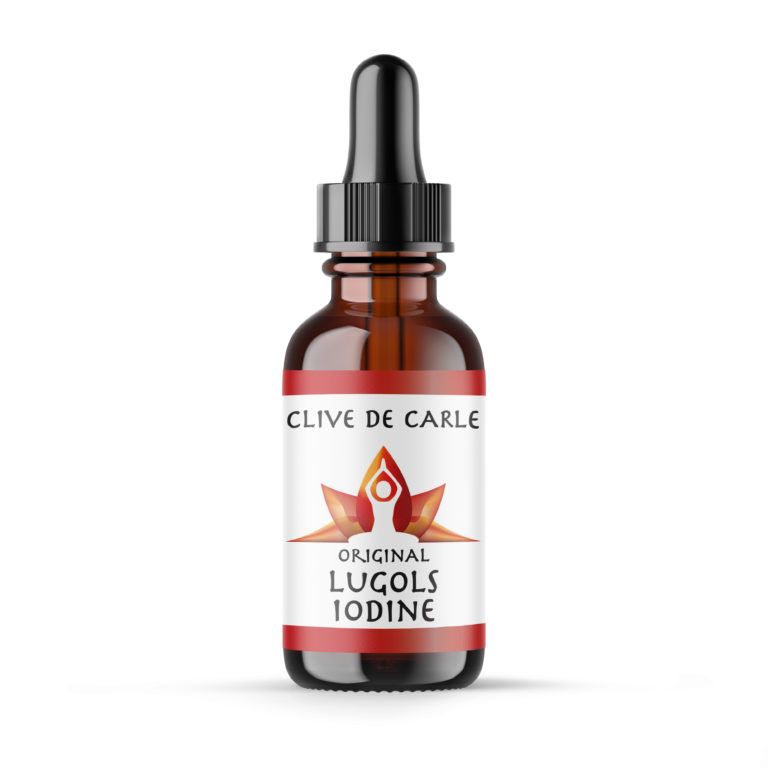
Lugol’s Iodine – Hormonal Issues, Menopause, Immune System, Brain Fog, Memory, Thyroid, Dry Skin
INNERSTANDING may earn a commission on purchases made through these links. All products are selected based on rigorous educational relevance to our biological research.
RABBIT HOLE
Follow the biological thread deeper