Candida Albicans: Investigating the Impact of Fungal Overgrowth on Gut Barrier Integrity
# Candida Albicans: Investigating the Impact of Fungal Overgrowth on Gut Barrier Integrity
In the realm of modern functional medicine and the study of stealth pathogens, few organisms are as misunderstood, underestimated, or as pervasive as *Candida albicans*. Whilst mainstream clinical practice often relegates this fungal organism to the periphery—treating it merely as a localized nuisance like oral thrush or vaginal candidiasis—the reality emerging from the vanguard of microbiological research is far more concerning.
For those seeking Innerstanding, we must look deeper into how this opportunistic fungus transforms from a commensal inhabitant of our microbiome into a pathogenic force capable of dismantling the very foundation of our health: the intestinal barrier. This article investigates the biological mechanisms by which *Candida* induces intestinal permeability (commonly known as Leaky Gut) and the systemic chaos that ensues when our internal borders are breached.
---
The Dual Nature of the Beast: Commensal vs. Pathogen
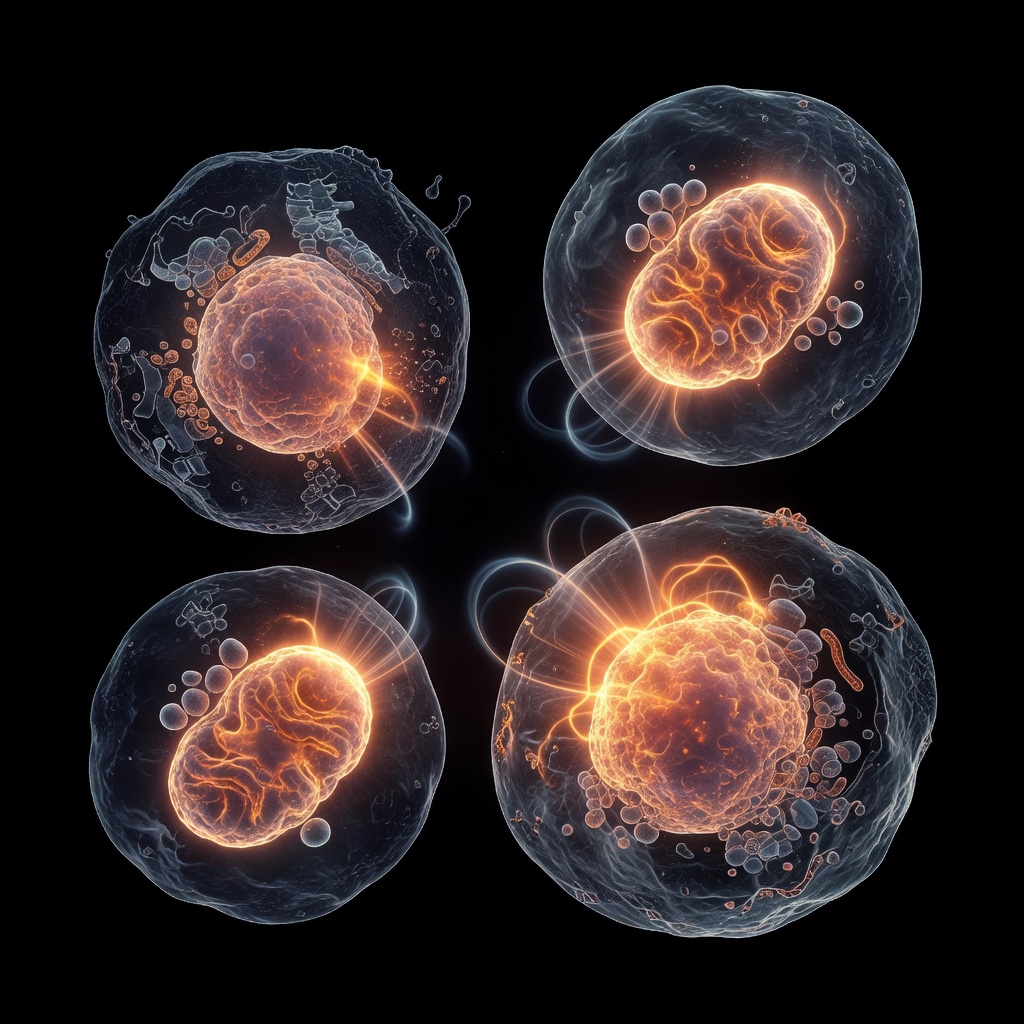
To understand the threat, one must first understand the organism. *Candida albicans* is a polymorphic fungus. In a balanced microbiome, it exists in a unicellular yeast form, living harmoniously alongside billions of bacteria in the gastrointestinal tract. In this state, it is relatively harmless, kept in check by the competitive pressure of beneficial flora such as *Lactobacillus* and *Bifidobacterium*.
However, *Candida* is an opportunist of the highest order. When the internal environment shifts—due to diet, stress, or medication—it undergoes a dramatic morphological transition. It shifts from a benign yeast into a virulent hyphal form.
Key Fact: Unlike the rounded yeast cells, the hyphal form of *Candida* develops long, branching filaments called pseudo-hyphae. These structures act like microscopic spears, physically penetrating the mucosal lining of the gut to seek out nutrients in the bloodstream.
This "shape-shifting" ability is the primary weapon in *Candida’s* arsenal, allowing it to bypass the immune system and embed itself into host tissues.
---
Biological Mechanisms: How Candida Breeches the Wall
The human gut barrier is a marvel of biological engineering. A single layer of epithelial cells, held together by protein complexes known as Tight Junctions, serves as the gatekeeper between the external world (the contents of your gut) and your internal systemic circulation. When *Candida* overgrowth occurs, this barrier is targeted through three primary mechanisms.
1. Physical Penetration and Hyphal Growth
As mentioned, the transition to the hyphal state allows the fungus to physically bore into the enterocytes (gut cells). This mechanical pressure creates micro-fissures in the intestinal lining. It is not merely a superficial presence; the fungus literally "roots" itself into the gut wall, creating a direct pathway for foreign substances to leak into the blood.
2. The Release of Candidalysin
In 2016, researchers identified a potent peptide toxin secreted by *Candida albicans* hyphae called Candidalysin. This toxin is a "pore-forming" cytolytic peptide. Its sole purpose is to punch holes in the membranes of human cells. When *Candida* blooms in the gut, the concentration of Candidalysin increases, leading to direct cellular death and the subsequent thinning of the protective mucosal layer.
3. Disruption of Tight Junction Proteins
The integrity of the gut depends on proteins like zonulin and occludin, which act as the "cement" between cell "bricks." *Candida* overgrowth triggers an up-regulation of zonulin, the molecule responsible for opening the tight junctions. When these junctions are forced open, the gut becomes hyper-permeable.
---
The Stealth Pathogen: Biofilm Formation
One of the reasons *Candida* is classified as a stealth pathogen is its ability to construct biofilms. A biofilm is a complex, protective matrix of extracellular polymers that shields the fungus from both the host’s immune system and antifungal agents.
- —Immune Evasion: Within a biofilm, *Candida* cells are virtually invisible to white blood cells.
- —Resistance: Studies show that *Candida* within a biofilm can be up to 1,000 times more resistant to antifungal medications than free-floating yeast cells.
- —Metabolic Reservoirs: Biofilms serve as a "base of operations," allowing the fungus to shed cells into the gut lumen whenever the host’s immune system is weakened.
---
The UK Context: A Modern Epidemic of Dysbiosis
In the United Kingdom, the prevalence of *Candida*-related issues is reaching a critical threshold, though it remains largely unrecognised by the NHS as a systemic condition. Several factors specific to the British lifestyle and medical landscape contribute to this "silent" epidemic.
The Over-Prescription of Antibiotics
The UK has historically struggled with the over-prescription of broad-spectrum antibiotics. Every course of antibiotics acts like "scorched earth" in the gut, decimating the beneficial bacteria that keep *Candida* in check. Without these bacterial "policemen," the fungus has a vacant territory to colonise and expand.
The "Western" Dietary Profile
The British diet, high in ultra-processed foods, refined flours, and hidden sugars, provides the perfect fuel for fungal growth. *Candida* thrives on glucose and galactose. The high consumption of "biscuits, bread, and brews" in the UK provides a constant supply of fermentable substrate for the yeast to ferment into acetaldehyde—a toxic byproduct that contributes to "brain fog" and liver strain.
Environmental Humidity and Mould
The UK climate, characterised by dampness and older housing stock, often leads to indoor mould exposure (*Aspergillus*, *Stachybotrys*). Exposure to environmental moulds can prime the immune system for Chronic Inflammatory Response Syndrome (CIRS), making the body less capable of managing internal *Candida* overgrowth.
---
Environmental and Lifestyle Triggers
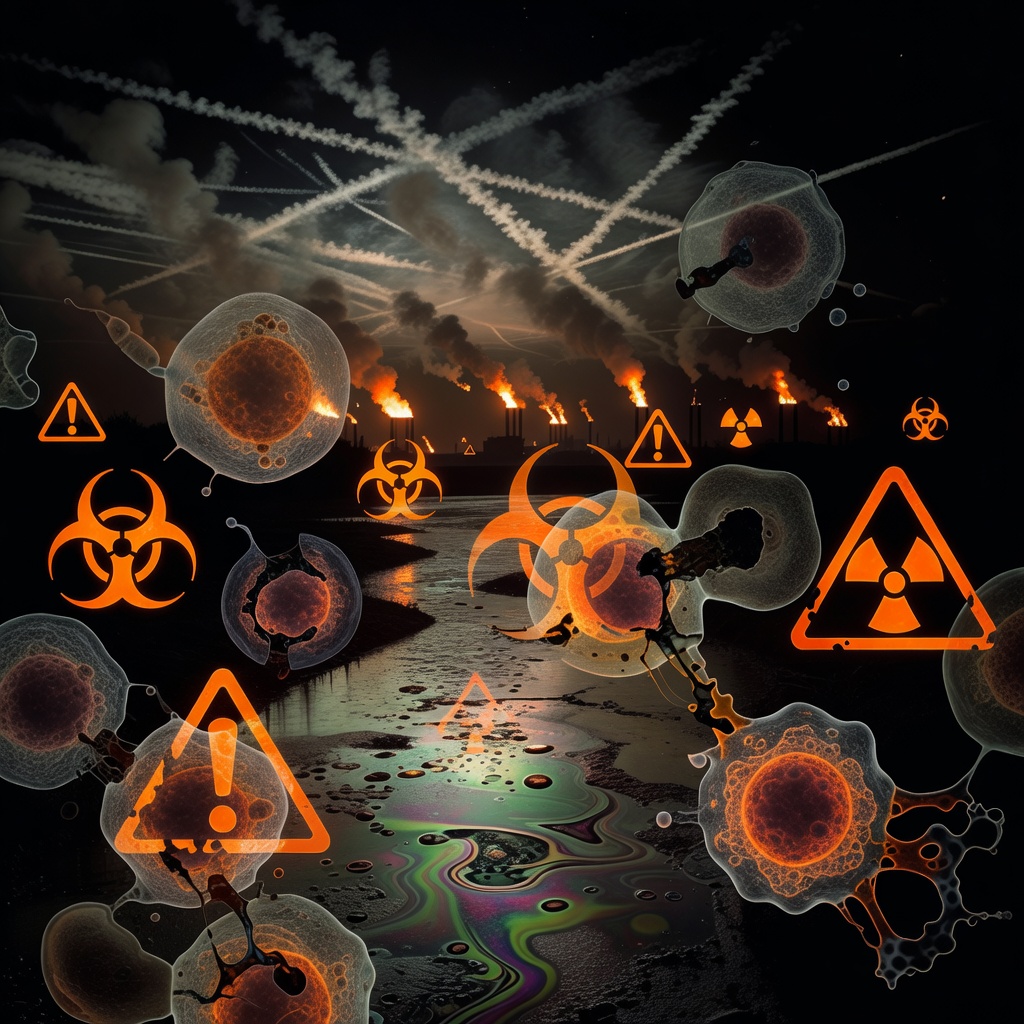
Beyond diet and medicine, several "invisible" factors contribute to the fungal takeover of the gut barrier.
- —Chronic Stress: High levels of cortisol increase blood sugar levels and suppress the Secretory IgA (SIgA)—the primary antibody in the gut that prevents fungal adhesion.
- —Chlorinated Water: Most UK tap water is treated with chlorine to kill pathogens. Unfortunately, chronic ingestion of chlorinated water can also alter the delicate balance of the gut microbiome, favouring resilient fungal species over sensitive beneficial bacteria.
- —Heavy Metal Burden: There is a compelling theory in alternative health circles that *Candida* may actually proliferate as a protective mechanism to sequester heavy metals like mercury. Until the metal burden is addressed, the *Candida* may remain "stubborn" because it is serving a biological (albeit damaging) purpose.
---
The Systemic Ripple Effect: Beyond the Gut
When the gut barrier is compromised by *Candida*, the result is Endotoxaemia. This is where fragments of the fungal cell wall (beta-glucans) and other toxins enter the systemic circulation.
Key Fact: Once in the blood, *Candida* byproducts can cross the blood-brain barrier, leading to neuro-inflammation. This is why many sufferers of fungal overgrowth report significant cognitive impairment, anxiety, and depression.
Furthermore, the "Leaky Gut" caused by *Candida* allows undigested food particles to enter the bloodstream. The immune system flags these as foreign invaders, leading to the development of food sensitivities and, in some cases, autoimmune conditions through a process known as molecular mimicry.
---
Protective Strategies: Reclaiming Gut Integrity
Reversing the impact of *Candida* requires a multi-faceted approach that goes beyond simply taking an antifungal pill. We must change the "terrain" of the gut.
1. Starve the Invader
The first step is the removal of the fuels that drive fungal pleomorphism. This includes:
- —Eliminating all refined sugars and high-glycemic fruits.
- —Reducing or eliminating fermented foods (which can sometimes aggravate certain *Candida* strains) and yeast-containing products like alcohol and bread.
2. Targeted Natural Antifungals
Nature provides potent compounds that can disrupt fungal cell walls without the side effects of pharmaceutical fluconazole.
- —Caprylic Acid: A fatty acid found in coconut oil that "punctures" the yeast cell membrane.
- —Oregano Oil: Contains carvacrol and thymol, powerful agents that inhibit *Candida* germ tube formation.
- —Berberine: Helps to displace fungal colonisation while improving insulin sensitivity (lowering the sugar available to the yeast).
3. Breaking the Biofilm
To reach the hidden *Candida*, one must use biofilm disruptors. Enzymes such as interferase, cellulase, and hemicellulase can digest the protective "slime" layer, exposing the fungus to the immune system and antifungals.
4. Sealing the Barrier
Once the overgrowth is being managed, the gut wall must be repaired.
- —L-Glutamine: The primary fuel for enterocytes, helping to "knit" the tight junctions back together.
- —Saccharomyces boulardii: A beneficial yeast that does not form hyphae and actually competes with *Candida* for binding sites on the gut wall.
- —Collagen and Bone Broth: Rich in amino acids like glycine and proline, essential for mucosal repair.
---
Key Takeaways
- —*Candida albicans* is not just a "yeast infection"; it is a sophisticated stealth pathogen capable of changing its physical shape to invade human tissue.
- —The transition from yeast to hyphae is the primary driver of Intestinal Permeability (Leaky Gut), facilitated by toxins like Candidalysin.
- —Biofilms act as protective fortresses, making chronic fungal overgrowth resistant to standard medical treatments.
- —The UK context—marked by high antibiotic use and a sugar-heavy diet—creates an ideal environment for *Candida* to flourish.
- —Systemic symptoms like brain fog, fatigue, and food allergies are often direct consequences of a fungal-breached gut barrier.
- —True healing requires a "terrain-based" approach: starving the fungus, disrupting biofilms, and using specific nutrients to rebuild the intestinal wall.
By achieving a deeper Innerstanding of how *Candida albicans* operates, we can move away from superficial symptom management and toward a profound restoration of our biological integrity. The gut is our first line of defence; protecting its borders is the most vital step in the journey toward sovereign health.
This article is provided for informational and educational purposes only. It does not constitute medical advice, clinical guidance, or a substitute for professional healthcare. Information reflects cited research at time of publication. Always consult a qualified healthcare professional before acting on any health information.
RESEARCH FOUNDATIONS
Biological Credibility Archive
Citations provided for educational reference. Verify via PubMed or institutional databases.
Medical Disclaimer
The information in this article is for educational purposes only and does not constitute medical advice, diagnosis, or treatment. Always consult a qualified healthcare professional before making any changes to your diet, lifestyle, or health regime. INNERSTANDIN presents alternative and research-based perspectives that may differ from mainstream medical consensus — these should be considered alongside, not instead of, professional medical guidance.
Read Full DisclaimerReady to learn more?
Continue your journey through our classified biological research.
DISCUSSION ROOM
Members of THE COLLECTIVE discussing "Candida Albicans: Investigating the Impact of Fungal Overgrowth on Gut Barrier Integrity"
SILENT CHANNEL
Be the first to discuss this article. Your insight could help others understand these biological concepts deeper.
RABBIT HOLE
Follow the biological thread deeper