Castor Oil and the Microbiome: Assessing Its Role in Inhibiting Opportunistic Bacterial Biofilms
Discuss this resourceUpdated August 2026
An in-depth exploration of how ricinoleic acid in castor oil may disrupt opportunistic bacterial biofilms, supporting gut health and microbial balance through traditional pack therapy.
Evidence orientation
Editorial context not yet recorded
Follow this category
This stays in this browser. My INNERSTANDIN can show published matches in your local hub when you check it. It does not send email, push, or alert notifications.
Local learning review
A private browser aid for revisiting ideas. It is not an alert or a health recommendation.
Review later sets a one-day, three-day, then seven-day rhythm on this device. Choose it only when you want to revisit this article.
At INNERSTANDING, we prioritize root-cause health. Traditional practices like Castor Oil Pack Therapy (COPT) have long been dismissed as anecdotal, yet modern research into the gut microbiome is finally illuminating why they work. One of the most compelling mechanisms of action is the effect of castor oil—and its primary active component, ricinoleic acid—on opportunistic bacterial biofilms.
Understanding the Biofilm Problem
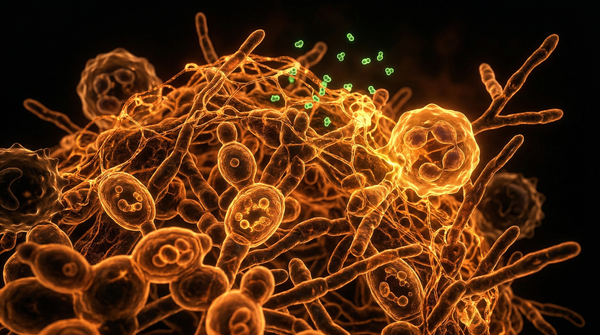
Your gut microbiome is a complex ecosystem. While symbiotic bacteria are essential for digestion and immunity, opportunistic pathogens can hijack this environment. They often do this by secreting a protective matrix of extracellular polymeric substances known as a biofilm. This shield makes the pathogens resistant to antibiotics, immune surveillance, and natural plant-based antimicrobials.
The Role of Ricinoleic Acid
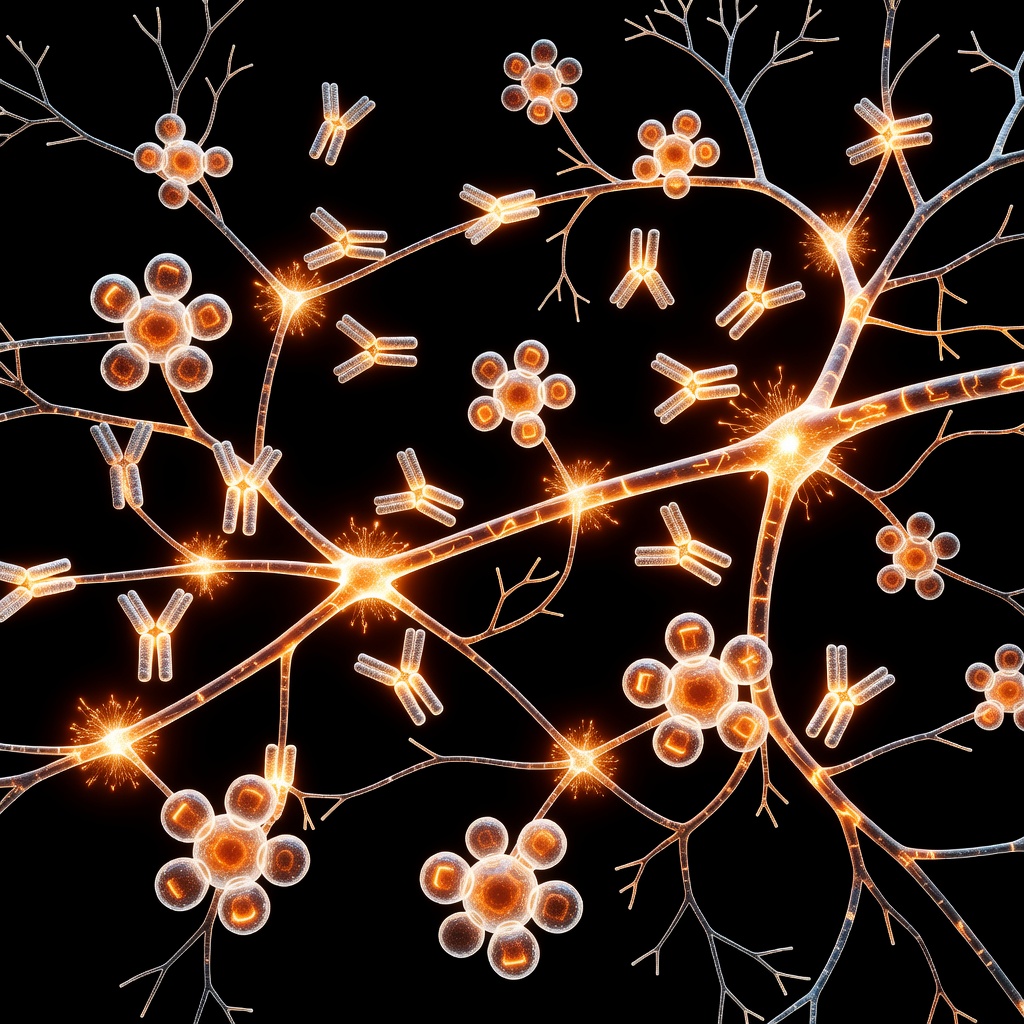
Castor oil contains up to 90% ricinoleic acid, a unique fatty acid that possesses significant anti-inflammatory and antimicrobial properties. When applied topically or absorbed, it influences the fluidity of the bacterial cell membrane. Emerging research suggests that ricinoleic acid may interfere with the quorum sensing—the communication signaling used by bacteria to build and maintain their protective biofilm structures.
Disrupting the Pathogenic Shield
By disrupting the integrity of these biofilms, castor oil therapy may allow your native, commensal bacteria to recolonize effectively. When the protective 'mucus' or biofilm of an overgrowth (such as SIBO or Candida) is weakened, the underlying environment becomes less hospitable to dysbiosis. This is not about 'killing' everything in the gut, but rather creating the conditions where the body can re-establish equilibrium.
Implementing Castor Oil Packs
To integrate this into your health protocol, apply high-quality, organic cold-pressed castor oil to a wool or cotton flannel pack. Place the pack over the abdominal region—specifically over the liver and digestive tract. Use a warm water bottle or heating pad to improve transdermal absorption. This consistent, warm application is thought to enhance lymphatic flow and soothe the nervous system, further reducing the inflammatory markers that often feed opportunistic overgrowth.
A Root-Cause Perspective
Remember that while castor oil packs can act as a potent tool to disrupt biofilms, they are part of a larger picture. Supporting the microbiome also requires addressing dietary triggers, systemic inflammation, and nervous system regulation. Use this as a foundational practice to assist your body in its natural processes of self-cleansing and microbial regulation.
This article is provided for informational and educational purposes only. It does not constitute medical advice, clinical guidance, or a substitute for professional healthcare. Information reflects cited research at time of publication. Always consult a qualified healthcare professional before acting on any health information.
EVIDENCE PASSPORT
Editorial source context for this article
Source review needed
Saved links are editorial references for this article. They may support specific claims rather than every sentence. Open and assess each source in context. This passport does not independently verify them.
Editorial context
A complete editorial reading has not been recorded for this article, and no source links are saved on its record.
Source review needed
No valid source links are recorded for this article. Supplementary research, where available, is listed separately below.
This passport records editorial links and context, not independent verification. Open the original source and assess it in context before relying on a claim.
Medical Disclaimer
The information in this article is for educational purposes only and does not constitute medical advice, diagnosis, or treatment. Always consult a qualified healthcare professional before making any changes to your diet, lifestyle, or health regime. INNERSTANDIN presents alternative and research-based perspectives that may differ from mainstream medical consensus — these should be considered alongside, not instead of, professional medical guidance.
Read Full DisclaimerContinue the thread
Keep this question moving.
Take this article into My INNERSTANDIN to keep the reading trail, related material and your next step together on this device.
Explore this in the Body Map
Explore related body structures and their educational pages in the interactive Body Map.
Dig deeper in the Library
Free, longform PDF volumes that go beyond headlines into mechanisms and references.
RABBIT HOLE
Follow the biological thread deeper