Castor Oil Therapy and the Modulation of the Gut-Associated Lymphoid Tissue (GALT)
Discuss this resourceUpdated August 2026
An in-depth exploration of how topical castor oil application influences the Gut-Associated Lymphoid Tissue (GALT) to support immune regulation, lymphatic drainage, and digestive homeostasis.
Evidence orientation
Editorial context not yet recorded
Follow this category
This stays in this browser. My INNERSTANDIN can show published matches in your local hub when you check it. It does not send email, push, or alert notifications.
Local learning review
A private browser aid for revisiting ideas. It is not an alert or a health recommendation.
Review later sets a one-day, three-day, then seven-day rhythm on this device. Choose it only when you want to revisit this article.

Introduction: The Hidden Engine of Immunity
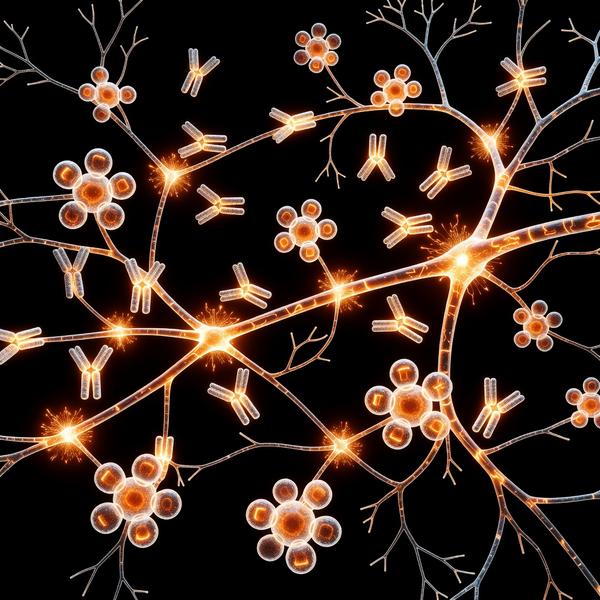
The Gut-Associated Lymphoid Tissue (GALT) represents the largest component of the human immune system. Situated within the intestinal mucosa, it acts as the primary interface between our internal biology and the external environment. For individuals struggling with chronic inflammation, digestive distress, or systemic dysregulation, the root cause often resides in a stagnant lymphatic system surrounding the gut. At INNERSTANDING, we advocate for traditional modalities like Castor Oil Therapy to modulate this critical immune hub.
Understanding GALT and Lymphatic Stagnation
GALT is responsible for constant surveillance. When the lymphatic vessels lining the intestines become sluggish—often due to dietary stress, environmental toxicity, or chronic inflammation—the immune response becomes compromised. Lymphatic congestion leads to the accumulation of metabolic waste and proinflammatory cytokines, creating a feedback loop of irritation within the intestinal lining. This state is frequently linked to conditions like leaky gut, food sensitivities, and autoimmune reactivity.
The Mechanism of Castor Oil Therapy
Castor oil (Ricinus communis) is unique due to its high concentration of ricinoleic acid, a fatty acid with potent anti-inflammatory and analgesic properties. When applied topically as a pack over the abdomen, castor oil penetrates the skin and is absorbed into the lymphatic capillaries.
- Lymphatic Stimulation: Ricinoleic acid stimulates smooth muscle contraction in the lymphatic vessels, physically encouraging the movement of lymph fluid away from the gut wall.
- Immune Modulation: By improving lymphatic drainage, castor oil reduces the burden of toxins surrounding the GALT, allowing immune cells to function with greater specificity rather than reacting to chronic low-grade inflammation.
- Parasympathetic Activation: The warm application of a pack encourages the shift from a sympathetic 'fight or flight' state to a parasympathetic 'rest and digest' state, which is essential for proper gut motility and immune function.
Implementing the Therapy
To effectively support GALT, consistency is paramount. Apply a high-quality, cold-pressed organic castor oil to a wool or cotton flannel cloth. Place this over the abdominal area—specifically targeting the liver and the intestinal tract—and apply a heat source (such as a hot water bottle) for 45 to 60 minutes. This process should be repeated 3-4 times per week to observe systemic shifts in digestive comfort and immune resilience.
Addressing the Root Cause
It is important to view castor oil therapy not as a panacea, but as a foundational support mechanism. While the therapy assists in moving stagnation, it must be paired with a nutrient-dense, anti-inflammatory diet and stress management. By clearing the 'biological sewage' through the lymph, we provide the GALT the space it needs to reset its sensitivity threshold, ultimately restoring gut-immune homeostasis.
This article is provided for informational and educational purposes only. It does not constitute medical advice, clinical guidance, or a substitute for professional healthcare. Information reflects cited research at time of publication. Always consult a qualified healthcare professional before acting on any health information.
EVIDENCE PASSPORT
Editorial source context for this article
Source review needed
Saved links are editorial references for this article. They may support specific claims rather than every sentence. Open and assess each source in context. This passport does not independently verify them.
Editorial context
A complete editorial reading has not been recorded for this article, and no source links are saved on its record.
Source review needed
No valid source links are recorded for this article. Supplementary research, where available, is listed separately below.
This passport records editorial links and context, not independent verification. Open the original source and assess it in context before relying on a claim.
Medical Disclaimer
The information in this article is for educational purposes only and does not constitute medical advice, diagnosis, or treatment. Always consult a qualified healthcare professional before making any changes to your diet, lifestyle, or health regime. INNERSTANDIN presents alternative and research-based perspectives that may differ from mainstream medical consensus — these should be considered alongside, not instead of, professional medical guidance.
Read Full DisclaimerContinue the thread
Keep this question moving.
Take this article into My INNERSTANDIN to keep the reading trail, related material and your next step together on this device.
Explore this in the Body Map
Explore related body structures and their educational pages in the interactive Body Map.
Dig deeper in the Library
Free, longform PDF volumes that go beyond headlines into mechanisms and references.
RABBIT HOLE
Follow the biological thread deeper