
Cellular Stress and Intestinal Defense: The Crosstalk Between Oxidative Damage and Paracellular Leakage
Discuss this resourceUpdated September 2026
An exploration into how reactive oxygen species and oxidative stress disrupt the intestinal barrier's tight junction proteins, leading to systemic inflammation and the phenomenon commonly known as leaky gut.
Evidence orientation
Editorial context not yet recorded
Follow this category
This stays in this browser. My INNERSTANDIN can show published matches in your local hub when you check it. It does not send email, push, or alert notifications.
Local learning review
A private browser aid for revisiting ideas. It is not an alert or a health recommendation.
Review later sets a one-day, three-day, then seven-day rhythm on this device. Choose it only when you want to revisit this article.
Introduction to Intestinal Integrity
The human gut lining is a miracle of biological engineering. Composed of a single layer of epithelial cells, it functions as a highly selective barrier, allowing essential nutrients to pass into the bloodstream while blocking pathogens and toxins. The integrity of this barrier depends on the structural stability of 'tight junctions'—protein complexes that zip adjacent cells together. When these junctions fail, we experience paracellular leakage, a condition medically defined as increased intestinal permeability.
The Role of Oxidative Stress
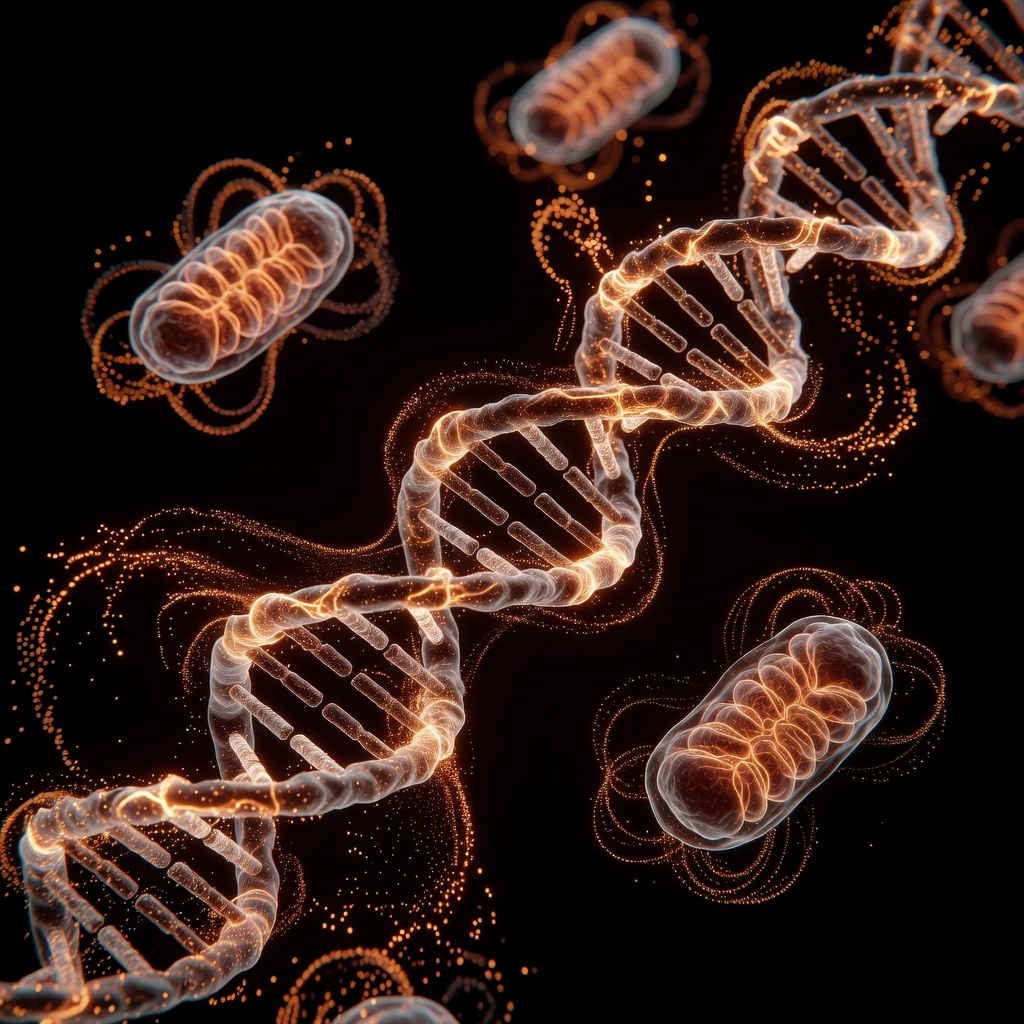
At the root of barrier failure lies the metabolic conflict known as oxidative stress. Oxidative stress occurs when there is an imbalance between the production of reactive oxygen species (ROS) and the body's antioxidant defense systems. In the context of the intestinal epithelium, chronic inflammation or dietary stressors cause mitochondria within these cells to overproduce free radicals. These molecules are highly reactive and begin to 'steal' electrons from surrounding structures, including cell membranes and the proteins that stabilize tight junctions.
Crosstalk: From ROS to Barrier Breakdown
The mechanism of crosstalk between oxidative damage and paracellular leakage is highly specific. When ROS levels climb, they trigger a signaling cascade that activates enzymes such as Myosin Light Chain Kinase (MLCK). This enzyme acts as a physical 'wrench,' causing the actin-myosin cytoskeleton inside the cell to contract. As the cytoskeleton pulls, it physically tugs on the tight junction proteins, specifically Occludin and Claudins, forcing them to dissociate. The resulting gap allows larger molecules—such as undigested proteins and bacterial endotoxins like Lipopolysaccharides (LPS)—to pass directly into the bloodstream.
The Vicious Cycle of Inflammation
Once the barrier is breached, the body's immune system detects these foreign intruders and initiates an inflammatory response. This response generates further ROS to neutralize the perceived threats, which inadvertently causes collateral damage to neighboring healthy epithelial cells. This creates a feedback loop: oxidative stress causes leakage, leakage causes inflammation, and inflammation drives further oxidative stress. Breaking this cycle requires addressing the root causes, which often include high-sugar diets, microbial dysbiosis, and chronic emotional stress.
Restoring the Barrier
Healing the gut requires a two-pronged strategy: reducing the oxidative burden and strengthening cellular architecture. Supplementation with systemic antioxidants like glutathione precursors, zinc carnosine, and polyphenols can mitigate the damage caused by ROS. Furthermore, supporting the microbiome with targeted fermented foods and fiber helps nourish the enterocytes, providing them with the short-chain fatty acids (like butyrate) they need to fuel their repair processes. By neutralizing the oxidative 'crosstalk,' we can facilitate the structural restoration of the intestinal lining, reclaiming health from the gut outward.
This article is provided for informational and educational purposes only. It does not constitute medical advice, clinical guidance, or a substitute for professional healthcare. Information reflects cited research at time of publication. Always consult a qualified healthcare professional before acting on any health information.
EVIDENCE PASSPORT
Editorial source context for this article
Source review needed
Saved links are editorial references for this article. They may support specific claims rather than every sentence. Open and assess each source in context. This passport does not independently verify them.
Editorial context
A complete editorial reading has not been recorded for this article, and no source links are saved on its record.
Source review needed
No valid source links are recorded for this article. Supplementary research, where available, is listed separately below.
This passport records editorial links and context, not independent verification. Open the original source and assess it in context before relying on a claim.
Medical Disclaimer
The information in this article is for educational purposes only and does not constitute medical advice, diagnosis, or treatment. Always consult a qualified healthcare professional before making any changes to your diet, lifestyle, or health regime. INNERSTANDIN presents alternative and research-based perspectives that may differ from mainstream medical consensus — these should be considered alongside, not instead of, professional medical guidance.
Read Full DisclaimerContinue the thread
Keep this question moving.
Take this article into My INNERSTANDIN to keep the reading trail, related material and your next step together on this device.
Explore this in the Body Map
Explore related body structures and their educational pages in the interactive Body Map.
Dig deeper in the Library
Free, longform PDF volumes that go beyond headlines into mechanisms and references.