
Chlorophyll and Haemoglobin: The Molecular Interface of Sunlight and Human Bioenergetics
Updated April 2026
Evidence orientation
Editorial context not yet recorded
Follow this category
This stays in this browser. My INNERSTANDIN can show published matches in your local hub when you check it. It does not send email, push, or alert notifications.
Local learning review
A private browser aid for revisiting ideas. It is not an alert or a health recommendation.
Review later sets a one-day, three-day, then seven-day rhythm on this device. Choose it only when you want to revisit this article.
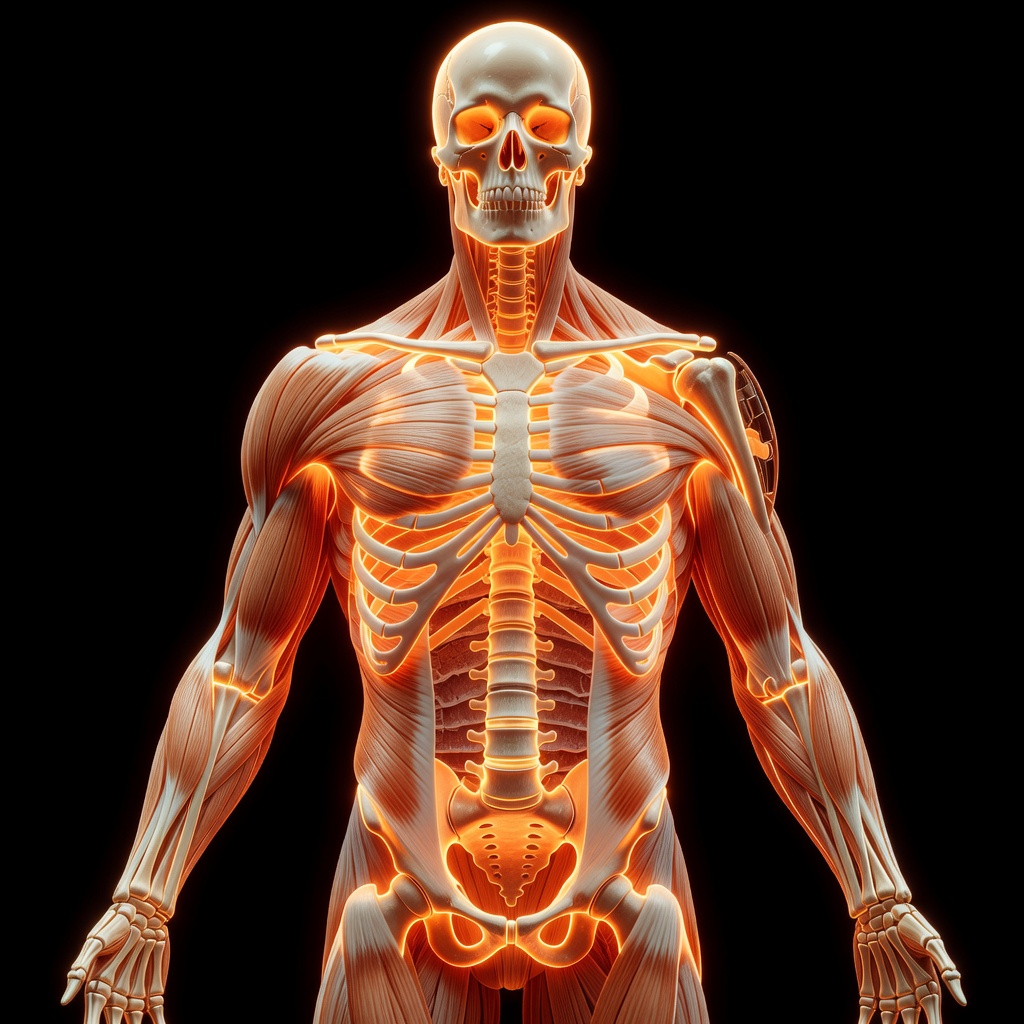
In the quest for true vitality, we must look beyond the reductionist view of calories and macronutrients. At the heart of the INNERSTANDING philosophy lies a profound truth: human health is an expression of light. The primary bridge between the cosmic energy of the sun and the cellular machinery of the human body is found in the uncanny structural mimicry between Chlorophyll and Haemoglobin.
This article exposes the biological reality of "liquid sunshine" and explores how consuming raw, living plant matter acts as a molecular transfusion, upgrading our bioenergetic state and aligning our internal terrain with the rhythms of the natural world.
The Twin Molecules of Life: A Geometrical Mirror
To understand the interface between plants and humans, one must observe the foundational architecture of life at a molecular level. In 1915, Dr Richard Willstätter was awarded the Nobel Prize for discovering the structure of chlorophyll. What he unveiled was a truth that many ancient healing traditions had intuited for millennia: the pigment that makes plants green is almost identical to the pigment that makes human blood red.
The Porphyrin Ring
Both Chlorophyll and Haemoglobin are built upon a structure known as a porphyrin ring—a complex, planar arrangement of nitrogen, carbon, and hydrogen atoms. This ring is designed to hold a single metallic ion at its centre.
- In Haemoglobin, the central atom is Iron (Fe). This iron allows the blood to bind with oxygen and transport it to every cell in the body.
- In Chlorophyll, the central atom is Magnesium (Mg). This magnesium allows the plant to capture photons of light and convert them into chemical energy.
"The structural similarity between the plant’s 'blood' and the human's blood is one of the most significant biological 'coincidences' in nature. It suggests a profound evolutionary and energetic compatibility between the vegetable kingdom and the human organism."
When we ingest raw chlorophyll, we are essentially consuming a refined, light-charged template that the body can use to support haematopoiesis (the production of blood). While the body does not simply "swap" magnesium for iron, the presence of chlorophyll provides the building blocks and the alkaline environment necessary for the body to regenerate its own red blood cell supply with unparalleled efficiency.
Biological Mechanisms: Beyond Nutrition into Bioenergetics
The traditional view of chlorophyll is that it is a "blood builder." While true, this is only the surface of the truth. The real magic happens within the realm of Bioenergetics—the study of how energy flows through living systems.
1. Oxygenation and Alkalinity
Haemoglobin’s primary role is oxygen transport. Disease, particularly cancer and chronic inflammation, thrives in anaerobic (oxygen-poor) and acidic environments. Chlorophyll increases the oxygen-carrying capacity of the blood. By mimicking the porphyrin structure, chlorophyll assists in the proliferation of red blood cells, ensuring that the "inner ocean" of the human body remains oxygen-rich and slightly alkaline.
2. The Mitochondrial Interface
Recent research has suggested a startling possibility: that mammals may be able to capture light energy directly if they have chlorophyll in their systems. Studies have shown that chlorophyll metabolites can enter the mitochondria (the powerhouses of our cells). When exposed to specific wavelengths of light that penetrate the skin, these metabolites help the mitochondria produce ATP (adenosine triphosphate) more efficiently. This suggests that humans, when saturated with living chlorophyll, become semi-photosynthetic, deriving energy directly from the sun.
3. Biophotons: The Storage of Light
As advocated by the Raw & Living Foods movement, food is more than just chemistry; it is information. Dr Fritz-Albert Popp discovered that all living cells emit biophotons—ultra-weak light emissions. Raw, chlorophyll-rich plants have the highest biophoton density. When we cook these foods, the light "leaks" out, leaving behind a "dead" chemical husk. By consuming living greens, we are absorbing stored sunlight, which regulates our internal biological clock and enhances cellular communication.
The UK Context: Navigating the "Cloudy Isle"
For those living in the United Kingdom, the relationship between chlorophyll and haemoglobin is of critical importance. The UK faces unique environmental challenges that make the consumption of "liquid sunshine" a biological necessity rather than a dietary choice.
- The Solar Deficit: With limited sunlight for much of the year, many UK residents suffer from Seasonal Affective Disorder (SAD) and chronic Vitamin D deficiency. Chlorophyll acts as a secondary mechanism for light absorption, helping to mitigate the lack of direct solar exposure on the skin.
- Mineral-Depleted Soils: UK industrial farming has led to a significant decline in soil minerals, particularly Magnesium. Since magnesium is the heart of the chlorophyll molecule, consuming high-quality, organic, or foraged greens is the most bioavailable way to restore this vital mineral to the human body.
- The Modern Urban Terrain: High levels of pollution in cities like London, Manchester, and Birmingham increase the oxidative stress on our red blood cells. Chlorophyll acts as a natural chelator, binding to heavy metals and environmental toxins and ushering them out of the body before they can damage the haemoglobin.
Environmental Factors and the Threat to Bio-Vitality
We live in an era of unprecedented environmental interference. The "Molecular Interface" is under constant assault from external factors that disrupt our ability to process energy.
EMFs and Oxidative Stress
Electromagnetic Frequencies (EMFs) from 5G, Wi-Fi, and smart devices have been shown to impact the voltage-gated calcium channels in our cells and can lead to the "stacking" of red blood cells (the Rouleaux effect). This reduces the surface area available for oxygen transport. Chlorophyll-rich blood has a higher "zeta potential"—a negative electrical charge that keeps red blood cells repelling each other, ensuring they flow freely and carry oxygen efficiently.
The Problem with Synthetic Iron
The mainstream medical response to "tired blood" or anaemia is often synthetic iron supplements (ferrous sulphate). However, these are often poorly absorbed and can cause oxidative damage in the gut. Truth-exposing health education reveals that the body prefers to build blood through the organic transmutation of plant-based minerals. Chlorophyll provides the most harmonious pathway to healthy blood without the side effects of metallic iron toxicity.
Fact: Wheatgrass juice, one of the most potent sources of chlorophyll, contains up to 70% chlorophyll and is structurally almost identical to human blood, earning it the title "The Plasma of Life."
Protective Strategies: Integrating Living Light
To harness the power of the chlorophyll-haemoglobin interface, one must move beyond the occasional salad. It requires a conscious strategy to flood the system with living pigments.
1. Prioritise Raw & Living Greens
Heat destroys the delicate porphyrin ring. To get the bioenergetic benefits, greens must be consumed raw.
- Juicing: Celery, cucumber, and dark leafy greens (Kale, Spinach, Chard).
- Wheatgrass: A 30ml shot of wheatgrass is equivalent in nutritional value to 1kg of green leafy vegetables.
- Microgreens: These are concentrated "light-packages," containing up to 40 times more nutrients than their mature counterparts.
2. Foraging for Wild Medicine
The UK is home to some of the most potent chlorophyll sources on earth, often dismissed as weeds. Nettles and Cleavers (Goosegrass) are superior to store-bought greens. Nettles, in particular, are exceptionally high in iron and chlorophyll, making them the ultimate blood-tonic for the British climate.
3. Strategic Sun Exposure
To activate the chlorophyll metabolites in your tissues, you must expose your skin to sunlight, even in the UK winter. A 20-minute walk during "solar noon" allows the photons to interact with the chlorophyll in your capillaries, stimulating ATP production and boosting the immune system.
4. Avoiding "Light Blockers"
Chlorophyll's effectiveness is hindered by a diet high in processed fats and refined sugars, which "sludge" the blood. To keep the molecular interface clean:
- Eliminate seed oils (which oxidise easily).
- Reduce intake of heavy proteins that require vast amounts of oxygen to digest.
- Hydrate with structured, mineral-rich water to support the electrical conductivity of the blood.
Key Takeaways: The INNERSTANDING Summary
Understanding the link between chlorophyll and haemoglobin is a gateway to reclaiming sovereign health. It is the realisation that we are not merely "meat machines" but bio-electrical beings powered by light.
- Molecular Mimicry: Chlorophyll is "green blood," identical to haemoglobin but for its central magnesium atom.
- Energy Transduction: Consuming raw chlorophyll allows the body to more efficiently capture and use solar energy.
- Blood Regeneration: Chlorophyll provides the ideal environment and precursors for building high-quality, oxygen-rich red blood cells.
- Detoxification: The porphyrin ring in chlorophyll binds to toxins, heavy metals, and carcinogens, protecting the integrity of our DNA.
- Living Food is Essential: Only raw and living foods contain the biophotons and intact molecular structures needed to interface with our bioenergetics.
By consciously integrating "liquid sunshine" into our daily protocol, we bridge the gap between the celestial and the cellular. We no longer just eat to survive; we consume light to thrive, ensuring our internal flame burns bright even in the darkest of seasons. This is the essence of INNERSTANDING: knowing that the green world is not just around us, but within us.
This article is provided for informational and educational purposes only. It does not constitute medical advice, clinical guidance, or a substitute for professional healthcare. Information reflects cited research at time of publication. Always consult a qualified healthcare professional before acting on any health information.
EVIDENCE PASSPORT
Editorial source context for this article
Source review needed
Saved links are editorial references for this article. They may support specific claims rather than every sentence. Open and assess each source in context. This passport does not independently verify them.
Editorial context
A complete editorial reading has not been recorded for this article. Source links remain available for you to open and assess directly.
Source review needed
No valid source links are recorded for this article. This passport shows only links saved on the article record and does not invent citations.
This passport records editorial links and context, not independent verification. Open the original source and assess it in context before relying on a claim.
Medical Disclaimer
The information in this article is for educational purposes only and does not constitute medical advice, diagnosis, or treatment. Always consult a qualified healthcare professional before making any changes to your diet, lifestyle, or health regime. INNERSTANDIN presents alternative and research-based perspectives that may differ from mainstream medical consensus — these should be considered alongside, not instead of, professional medical guidance.
Read Full DisclaimerContinue the thread
Keep this question moving.
Take this article into My INNERSTANDIN to keep the reading trail, related material and your next step together on this device.
Dig deeper in the Library
Free, longform PDF volumes that go beyond headlines into mechanisms and references.