
Chromium Loss and Glycemic Dysregulation
Updated May 2026
The refining of sugar and flour strips chromium, a mineral essential for insulin receptor sensitivity in the UK population. We discuss the metabolic consequences of chromium deficiency in the context of Type 2 Diabetes.
Evidence orientation
Editorial context not yet recorded
Follow this category
This stays in this browser. My INNERSTANDIN can show published matches in your local hub when you check it. It does not send email, push, or alert notifications.
Local learning review
A private browser aid for revisiting ideas. It is not an alert or a health recommendation.
Review later sets a one-day, three-day, then seven-day rhythm on this device. Choose it only when you want to revisit this article.
Overview
The modern metabolic crisis, characterised by an unprecedented surge in Type 2 Diabetes (T2D), obesity, and systemic insulin resistance, is frequently attributed to the sheer volume of caloric intake. However, as senior biological researchers at INNERSTANDING, we posit that the quantity of food is merely a secondary factor. The primary driver of glycemic dysregulation is the qualitative stripping of essential micro-nutrients during industrial food processing—specifically, the catastrophic loss of the trace mineral trivalent chromium (Cr3+).
For decades, the refining of sugar and flour has been heralded as a triumph of food engineering, providing shelf-stable, palatable energy. In reality, this process acts as a form of "nutritional strip-mining." When whole wheat is refined into white flour, or sugar beet is processed into crystalline sucrose, upwards of 90% of the naturally occurring chromium is discarded. This is a biological disaster because chromium is not an optional additive; it is the fundamental "key" that allows insulin to unlock the cellular door for glucose.
In the United Kingdom, where ultra-processed foods (UPFs) now constitute over 50% of the national diet, we are witnessing a nationwide experiment in chromium depletion. The resulting glycemic dysregulation is not merely a failure of willpower or "lifestyle choices"; it is a predictable biochemical consequence of consuming "empty" carbohydrates that demand chromium for metabolism but provide none in return. This article explores the hidden mechanics of this deficiency and the suppressed reality of how our industrialised food system has engineered a metabolic dead-end for the British public.
Fact: The refining of whole wheat into white flour removes approximately 92% of its native chromium content, while the refining of raw sugar into white sugar removes 98%.
The Biology — How It Works
Chromium exists in several oxidation states, but in the context of human biology, we are concerned exclusively with trivalent chromium (Cr3+). Unlike its toxic industrial cousin, hexavalent chromium (Cr6+), trivalent chromium is a vital micronutrient required for the normal metabolism of carbohydrates, proteins, and lipids.
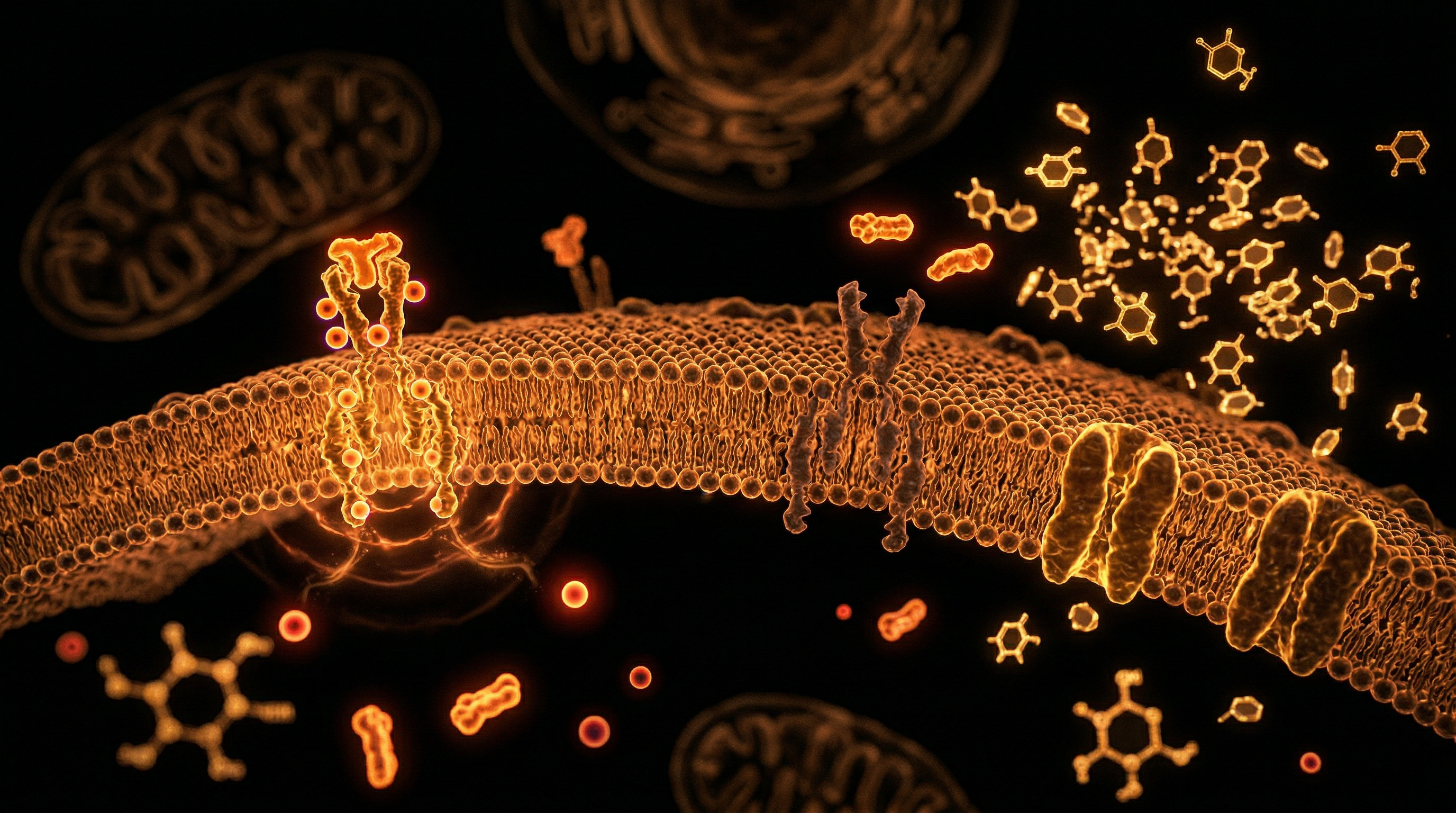
The fundamental biological role of chromium is to act as a potentiator of insulin action. Insulin is a hormone produced by the pancreas that signals cells to absorb glucose from the bloodstream. However, insulin does not work in isolation. For the insulin receptor on the cell membrane to function at peak efficiency, it requires the presence of a specific chromium-binding complex.
When blood glucose rises after a meal, the pancreas releases insulin. This insulin travels through the bloodstream and binds to the alpha-subunit of the insulin receptor on the surface of muscle, fat, and liver cells. This binding triggers a signal, but it is a relatively weak signal. To amplify this signal—to truly "turn on" the receptor—the body requires chromium.
The paradox of chromium biology lies in its consumption. Unlike many minerals that are recycled efficiently, chromium is mobilised from storage sites and excreted in the urine in response to a glucose load. Therefore, the more refined sugar and carbohydrates an individual consumes, the more chromium they lose. This creates a vicious cycle: the foods that necessitate the most chromium are the very ones that contain the least and cause the highest rate of depletion.
The Absorption Challenge
Chromium is notoriously difficult for the human body to absorb. Inorganic chromium salts often have an absorption rate of less than 1%. Even in organically bound forms, the uptake remains relatively low. This inherent biological bottleneck means that even minor reductions in dietary chromium—such as those caused by the shift from whole-meal to refined grains—can have disproportionate effects on systemic levels.
Mechanisms at the Cellular Level
To understand why chromium is the lynchpin of metabolic health, we must look at the Low-Molecular-Weight Chromium-binding substance (LMWCr), also known as Chromodulin.
The Chromodulin Cycle
The mechanism by which chromium enhances insulin sensitivity is an elegant example of molecular synergy:
- Insulin Binding: Insulin binds to its receptor, causing a conformational change that activates the receptor's internal tyrosine kinase activity.
- Chromium Mobilisation: In response to the rise in insulin, chromium is moved from the blood into the insulin-sensitive cells.
- Apo-to-Holo Conversion: Inside the cell, chromium binds to a pocket in a small peptide called apo-chromodulin. Once it has bound four chromium ions, it becomes holo-chromodulin.
- Amplification: Holo-chromodulin then binds directly to the active form of the insulin receptor, significantly increasing its tyrosine kinase activity. This acts like a "turbocharger," amplifying the insulin signal by up to eightfold.
- Termination: Once the insulin signal is no longer needed, chromodulin is excreted from the cell and eventually leaves the body through the urine.
GLUT4 Translocation
The ultimate goal of this cellular signalling is the translocation of GLUT4 (Glucose Transporter Type 4). GLUT4 is the "gatekeeper" protein. In a resting state, it sits inside vesicles within the cell. Only when the insulin receptor is sufficiently activated does GLUT4 move to the cell membrane, where it forms a channel for glucose to enter.
Without sufficient chromium, the "turbocharging" of the insulin receptor fails to occur. The signal remains weak, the GLUT4 vesicles remain largely stagnant, and glucose remains trapped in the bloodstream. This is the molecular definition of insulin resistance. The pancreas, sensing that blood sugar is still high, pumps out more insulin, leading to hyperinsulinaemia—a state that further degrades receptor sensitivity and promotes fat storage.
Key Fact: Research indicates that chromodulin can increase the activity of the insulin receptor's tyrosine kinase by nearly 800%, highlighting its role as a critical metabolic switch.
Environmental Threats and Biological Disruptors
The depletion of chromium from the human body is not solely a result of dietary absence; it is accelerated by several modern environmental and lifestyle factors that act as biological disruptors.
The Refining Process: The Primary Culprit
As previously noted, the industrial processing of wheat and sugar is the chief cause of chromium loss. Historically, humans obtained chromium from unrefined grains, brewer's yeast, and black pepper. The shift toward "white" products—white bread, white pasta, white sugar—has effectively removed the mineral from the foundation of the food pyramid.
Furthermore, the process of milling removes the bran and germ of the grain, where minerals are concentrated. The final product is essentially a pure starch that triggers a massive insulin spike while providing zero of the co-factors needed to process that starch.
Soil Depletion and Intensive Farming
In the UK, intensive agricultural practices have led to a steady decline in soil mineral content. The focus on NPK (Nitrogen, Phosphorus, Potassium) fertilisers ensures crop yield but ignores the replenishment of trace minerals like chromium, selenium, and magnesium. Consequently, even the vegetables that are "supposed" to contain chromium are increasingly deficient.
Chemical Interference: Glyphosate and Chelators
The widespread use of herbicides, particularly glyphosate, presents a significant threat. Glyphosate is a potent mineral chelator; it binds to minerals in the soil and within the plant, making them unavailable for biological use. When we consume glyphosate-treated crops (even those that are refined), we may be ingesting a substance that further impairs our ability to utilise the already scarce chromium in our systems.
The Role of Stress
Psychological and physical stress triggers the release of cortisol. Cortisol is a glucose-mobilising hormone (part of the "fight or flight" response). Sustained high levels of cortisol lead to persistent elevations in blood glucose, which in turn causes the continuous mobilisation and urinary excretion of chromium. In the high-stress environment of modern Britain, chromium is being "leached" out of the population at an alarming rate.
The Cascade: From Exposure to Disease
Chromium deficiency does not manifest as an acute illness like scurvy; rather, it initiates a slow, degenerative "cascade" that culminates in chronic disease.
Stage 1: Compensatory Hyperinsulinaemia
In the early stages of chromium depletion, the body compensates for reduced insulin sensitivity by producing more insulin. At this stage, fasting blood glucose levels may still appear "normal" in a standard NHS GP check-up, but the underlying insulin levels are pathologically high. This is the silent window of metabolic dysfunction.
Stage 2: The Pro-Inflammatory State
High insulin levels are pro-inflammatory. They signal the body to store fat, particularly visceral fat around the organs. This adipose tissue releases cytokines (inflammatory signalling molecules) that further interfere with insulin signalling. The lack of chromium is now being compounded by systemic inflammation.
Stage 3: Dyslipidaemia and Cardiovascular Risk
Chromium is also involved in lipid metabolism. Deficiency is often associated with a rise in LDL cholesterol and triglycerides, and a decrease in HDL ("good") cholesterol. This "atherogenic triad" significantly increases the risk of heart disease long before a diagnosis of Type 2 Diabetes is made.
Stage 4: Overt Type 2 Diabetes (T2D)
Eventually, the pancreatic beta cells, exhausted by the demand for massive insulin production, begin to fail. Blood glucose levels rise uncontrollably. This is the point of diagnosis, but the biological "crime" began years, if not decades, earlier with the loss of chromium-mediated insulin sensitivity.
Statistic: It is estimated that up to 25% of the UK population exhibits some form of metabolic syndrome, a condition where chromium depletion plays a central, albeit unrecognised, role.
What the Mainstream Narrative Omits
The mainstream medical and nutritional narrative in the UK—largely driven by Public Health England (PHE) and the NHS—continues to focus on "calorie counting" and "fat reduction" as the primary tools for managing diabetes. However, this narrative is conspicuously silent on the role of trace mineral depletion.
The "RDA" Fallacy
The Recommended Dietary Allowance (RDA) for chromium is set at a level designed merely to prevent overt deficiency symptoms, not to optimise metabolic function in a high-carb environment. Current guidelines suggest around 25-35 micrograms per day for adults. However, many metabolic researchers argue that in the context of a modern, sugar-laden diet, the requirement for chromium could be ten times higher to compensate for urinary losses.
The Pharmaceutical Bias
There is a profound financial incentive to treat Type 2 Diabetes with pharmaceuticals like Metformin or SGLT2 inhibitors rather than addressing the underlying nutritional void. While Metformin also works by improving insulin sensitivity, it does not replace the fundamental role of chromium. By ignoring chromium, the medical establishment ensures a lifetime of dependency on medication rather than a return to metabolic sovereignty.
The "Non-Essentiality" Myth
In recent years, some academic circles have attempted to reclassify chromium as "non-essential." This move is based on laboratory studies in sterile environments that do not reflect the toxic, high-sugar reality of the human diet. At INNERSTANDING, we view this as a dangerous obfuscation that serves to further de-prioritise nutritional interventions in public health policy.
The UK Context
The United Kingdom presents a unique and troubling case study for chromium depletion. The "Great British Diet" has undergone a radical transformation over the last 50 years, moving from whole-food-based meals to a reliance on highly engineered, ultra-processed convenience foods.
The UPF Capital of Europe
The UK consumes more ultra-processed foods than any other nation in Europe. These foods—ready meals, mass-produced breads, sugary cereals, and snack bars—are the "perfect storm" for chromium deficiency. They are high in refined carbohydrates and sugars (increasing chromium demand) and virtually devoid of the mineral itself (reducing chromium supply).
The Soil Crisis
British soil is notoriously low in several trace minerals due to the combination of post-glacial geology and centuries of intensive farming. Unlike the United States, where some grains are "fortified" (albeit with inferior synthetic vitamins), the UK's fortification focus has primarily been on iron and certain B vitamins (folic acid), leaving the chromium gap wide open.
The NHS Burden
The cost of treating Type 2 Diabetes and its complications (amputations, blindness, kidney failure) now accounts for approximately 10% of the entire NHS budget. Yet, the dietary advice given to diabetic patients often still includes "starchy carbohydrates" as a base for every meal—the very foods that, in their refined form, continue to deplete the patient's chromium stores.
- Total T2D Cases in UK: Over 4 million.
- Estimated Undiagnosed: 1 million.
- Projected Cases by 2030: 5.5 million.
Protective Measures and Recovery Protocols
Restoring metabolic health requires a two-pronged approach: minimising chromium loss and maximising bioavailable intake.
1. Dietary Restoration
To regain chromium, one must return to the sources that industrialisation has stripped away:
- Whole Grains: Switching from white to whole-meal (specifically stone-ground) flour provides the native chromium found in the bran and germ.
- Brewer’s Yeast: Historically the richest source of "glucose tolerance factor" (GTF) chromium.
- Broccoli and Potatoes: Significant sources, provided they are grown in mineral-rich soil.
- Black Pepper: A surprising but potent source of dietary chromium.
2. Strategic Supplementation
Given the low absorption rate of inorganic chromium and the depleted state of modern soils, supplementation is often necessary for those already showing signs of glycemic dysregulation.
- Chromium Picolinate: The most widely studied form, known for its superior absorption compared to inorganic chlorides.
- Chromium Polynicotinate: A form where chromium is bound to niacin (Vitamin B3), which mimics the body's natural GTF structure.
- Dosage: While the RDA is low, clinical studies for T2D management often utilise 200mcg to 1000mcg daily under clinical supervision.
3. Synergistic Nutrients
Chromium does not act alone. To heal the insulin receptor mechanism, other co-factors must be present:
- Magnesium: Essential for the initial activation of the insulin receptor.
- Zinc: Involved in the synthesis and storage of insulin in the pancreas.
- Vanadium: Works in a similar manner to chromium by mimicking insulin effects.
4. Lifestyle Interventions
- Sugar Elimination: Reducing sucrose and high-fructose corn syrup is the most effective way to stop the "leaking" of chromium through urine.
- High-Intensity Interval Training (HIIT): Exercise increases GLUT4 translocation through pathways that can bypass or support the chromium-insulin mechanism.
Summary: Key Takeaways
The link between chromium loss and the epidemic of glycemic dysregulation is one of the most significant, yet overlooked, truths in modern biology. The industrial refining of sugar and flour has created a population that is "starving in the midst of plenty"—consuming an abundance of calories but lacking the essential trace mineral required to process them.
- Chromium is the "Master Key": Without it, insulin cannot effectively signal cells to absorb glucose.
- Refining is the Culprit: The processing of staple foods removes up to 98% of chromium, creating "metabolic dead" food.
- The Vicious Cycle: High sugar intake increases chromium excretion, further worsening insulin resistance.
- Mainstream Neglect: Current UK nutritional guidelines fail to account for the massive chromium depletion caused by modern diets and environmental stressors.
- Recovery is Possible: Through the elimination of refined sugars, the consumption of whole foods, and the strategic use of bioavailable chromium supplements, the "broken" insulin switch can be repaired.
The path to metabolic health for the UK population does not lie in more pharmaceutical interventions, but in the restoration of the nutritional integrity of our food and the replenishment of this vital, missing element. At INNERSTANDING, we advocate for a biological "re-awakening"—recognising that the solution to our greatest health crises is often found in the very substances we have foolishly refined away.
This article is provided for informational and educational purposes only. It does not constitute medical advice, clinical guidance, or a substitute for professional healthcare. Information reflects cited research at time of publication. Always consult a qualified healthcare professional before acting on any health information.
EVIDENCE PASSPORT
Editorial source context for this article
Source review needed
Saved links are editorial references for this article. They may support specific claims rather than every sentence. Open and assess each source in context. This passport does not independently verify them.
Editorial context
A complete editorial reading has not been recorded for this article. Source links remain available for you to open and assess directly.
Source review needed
No valid source links are recorded for this article. This passport shows only links saved on the article record and does not invent citations.
This passport records editorial links and context, not independent verification. Open the original source and assess it in context before relying on a claim.
Medical Disclaimer
The information in this article is for educational purposes only and does not constitute medical advice, diagnosis, or treatment. Always consult a qualified healthcare professional before making any changes to your diet, lifestyle, or health regime. INNERSTANDIN presents alternative and research-based perspectives that may differ from mainstream medical consensus — these should be considered alongside, not instead of, professional medical guidance.
Read Full DisclaimerContinue the thread
Keep this question moving.
Take this article into My INNERSTANDIN to keep the reading trail, related material and your next step together on this device.
Explore this in the Body Map
See where this hits your biology. Interactive anatomy, threats, and protective protocols.
Dig deeper in the Library
Free, longform PDF volumes that go beyond headlines into mechanisms and references.