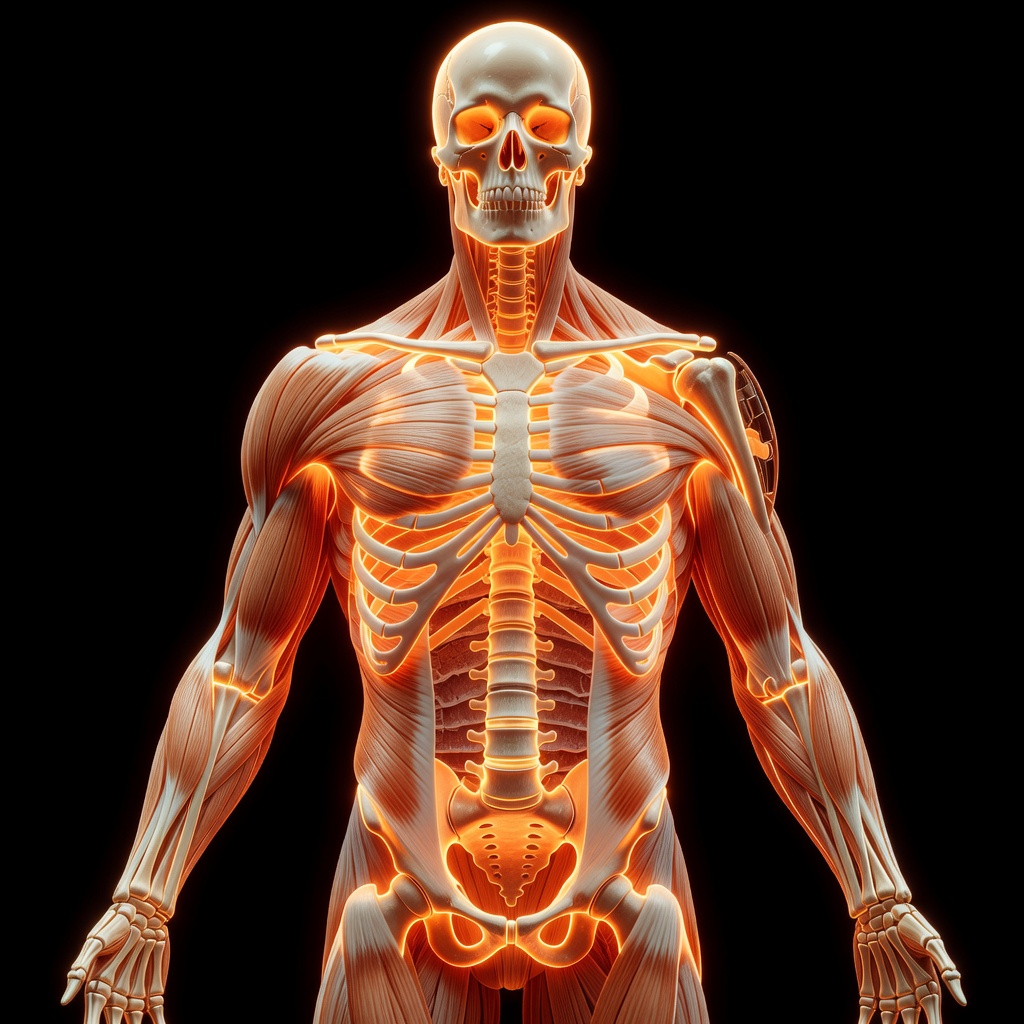
Chronic Oral Contraceptive Use and the Resultant Elevation of Serum Copper Levels
An in-depth analysis of how synthetic oestrogens in oral contraceptives trigger copper retention and zinc depletion, exploring the biochemical pathways and systemic health consequences of mineral imbalance.

# Chronic Oral Contraceptive Use and the Resultant Elevation of Serum Copper Levels\n\nIn the landscape of modern medicine, the oral contraceptive pill (OCP) represents one of the most successful interventions in reproductive health and female autonomy. However, as our understanding of nutritional biochemistry deepens, we are beginning to uncover the profound systemic impacts these synthetic hormones exert on the body's delicate mineral balance. At the heart of this disruption is the antagonistic relationship between two essential trace minerals: zinc and copper. For many women on long-term hormonal contraception, the primary concern is not just the alteration of reproductive cycles, but the metabolic consequence of 'copper dominance.'\n\n## The Biochemistry of Copper Retention\n\nCopper is an essential mineral, acting as a cofactor for several enzymes involved in energy production, iron metabolism, and neurotransmitter synthesis. However, its regulation is tightly controlled by the liver.
When synthetic oestrogens—specifically ethinylestradiol found in most OCPs—enter the system, they signal the liver to increase the production of ceruloplasmin. \n\nCeruloplasmin is the primary ferroxidase enzyme and transport protein for copper in the blood. As ceruloplasmin levels rise in response to exogenous oestrogen, the body’s total serum copper levels follow suit. This is a well-documented physiological response; however, the clinical significance is often understated. While the copper is 'bound' to the protein, the sheer volume of copper being retained can overwhelm the body's ability to maintain homeostasis. Chronic use of the pill essentially keeps the body in a high-oestrogen state, which in turn maintains a high-copper state, mimicking the mineral profile of pregnancy.\n\n## The Zinc-Copper See-Saw\n\nIn nutritional biochemistry, zinc and copper exist in a state of mutual antagonism, often referred to as the 'zinc-copper see-saw.' They compete for absorption sites in the small intestine, specifically via a protein called metallothionein.
When copper levels are chronically elevated due to OCP use, zinc absorption is naturally suppressed. \n\nZinc is fundamental for over 300 enzymatic reactions, including those responsible for DNA synthesis, immune function, and the production of progesterone. As copper levels rise, zinc levels frequently plummet. This creates a double-edged sword: the patient suffers from the effects of copper excess while simultaneously experiencing the symptoms of zinc deficiency. This mineral disparity is a root cause of many 'side effects' attributed to the pill, which are rarely identified as nutritional in origin.\n\n## The 'Copper Mind': Neurotransmitter Imbalance\n\nPerhaps the most distressing impact of elevated serum copper is its effect on mental health. Copper is a primary stimulant for the brain and nervous system.
It acts as a cofactor for the enzyme dopamine beta-hydroxylase, which converts dopamine into norepinephrine (noradrenaline). \n\nWhen copper levels are excessively high, this conversion process is over-stimulated. The result is a depletion of dopamine and an over-abundance of norepinephrine. This biochemical shift is often clinically manifested as 'The Copper Mind'—a state characterized by high anxiety, racing thoughts, internal restlessness, and irritability. Many women report 'Pill-induced' anxiety or depression; from a root-cause perspective, this is frequently the result of copper-driven neurotransmitter dysregulation. High copper also lowers levels of GABA, the brain’s primary inhibitory (calming) neurotransmitter, further exacerbating the feelings of panic and overwhelm.\n\n## Systemic Impacts: Thyroid and Adrenal Health\n\nThe endocrine system does not operate in isolation.
Elevated copper levels have a direct inhibitory effect on thyroid function. Excess copper can interfere with the conversion of T4 (thyroxine) to the active T3 (triiodothyronine) in the liver. Furthermore, copper dominance is often associated with a decrease in potassium levels within the cells, which is necessary for the thyroid hormone to be properly utilised. This can lead to symptoms of 'subclinical hypothyroidism'—fatigue, weight gain, and cold intolerance—despite having 'normal' blood test results.\n\nSimilarly, the adrenal glands are heavily involved in copper metabolism. The adrenals produce signals that tell the liver to produce ceruloplasmin.
Under chronic stress, or when the adrenals are taxed by the synthetic hormones in OCPs, the liver's ability to produce ceruloplasmin can falter. This leads to an increase in 'unbound' or free copper. Free copper is highly oxidative, causing tissue damage and further stressing the adrenal glands, creating a vicious cycle of fatigue and mineral retention.\n\n## Clinical Manifestations and Symptoms\n\nIdentifying copper dominance requires looking beyond standard pathology. Common symptoms that should alert a practitioner to a possible zinc-copper imbalance include:\n\n* Skin Issues: Melasma (the 'mask of pregnancy'), which is directly linked to high oestrogen and copper, as well as adult acne.\n* Mental Health: Postpartum-like depression (after stopping the pill), panic attacks, and brain fog.\n* Physical Fatigue: A feeling of being 'tired but wired.'\n* Sensory Sensitivity: Increased sensitivity to light, sound, or touch.\n\n## Assessment and Testing\n\nStandard blood tests often only measure total serum copper, which can be misleading. To get a comprehensive view of the body's copper status, INNERSTANDING recommends a triple-panel approach:\n\n1. Serum Copper: Total amount of copper in the blood.\n2. Ceruloplasmin: The transport protein.
This helps determine how much copper is safely bound.\n3. Plasma Zinc: To assess the ratio against copper.\n\nA crucial calculation is the 'percentage of non-ceruloplasmin bound copper' (often called free copper). If the ceruloplasmin is low but copper is high, the amount of free copper (which is toxic to tissues) increases. An ideal copper-to-zinc ratio is approximately 1:1 to 1:1.2. Anything significantly higher indicates copper dominance.\n\n## Root-Cause Resolution\n\nRestoring balance after chronic OCP use is a delicate process. Simply taking high doses of zinc can sometimes cause a 'copper dump,' where copper is released from the tissues into the bloodstream too quickly, causing a temporary worsening of psychiatric symptoms. \n\n**1.
Supporting Excretion: Before mobilizing copper, the pathways of elimination must be supported. This includes optimizing bile flow (as copper is excreted via bile) and supporting the liver with nutrients like taurine, molybdenum, and milk thistle.\n\n2. Strategic Replenishment: Zinc picolinate or bisglycinate should be introduced gradually. Vitamin C is also a potent copper antagonist and helps to break the bond of copper from its storage sites.\n\n3. Vitamin B6 and Magnesium:** These are essential for the production of neurotransmitters that balance the stimulatory effects of copper.\n\n## Conclusion\n\nThe elevation of serum copper is not a rare side effect but a predictable biochemical consequence of chronic oral contraceptive use.
By understanding the intricate dance between oestrogen, copper, and zinc, women and practitioners can make more informed choices about reproductive health. Addressing the root cause—the mineral imbalance—offers a pathway to restoring mental clarity, emotional stability, and metabolic vitality for those who have been impacted by the hidden biochemistry of the Pill.
This article is provided for informational and educational purposes only. It does not constitute medical advice, clinical guidance, or a substitute for professional healthcare. Information reflects cited research at time of publication. Always consult a qualified healthcare professional before acting on any health information.
RESEARCH FOUNDATIONS
Biological Credibility Archive
Citations provided for educational reference. Verify via PubMed or institutional databases.
Medical Disclaimer
The information in this article is for educational purposes only and does not constitute medical advice, diagnosis, or treatment. Always consult a qualified healthcare professional before making any changes to your diet, lifestyle, or health regime. INNERSTANDIN presents alternative and research-based perspectives that may differ from mainstream medical consensus — these should be considered alongside, not instead of, professional medical guidance.
Read Full DisclaimerReady to learn more?
Continue your journey through our classified biological research.
THE ARSENAL
Based on Zinc & Copper Balance — products curated by our research team for educational relevance and biological support.
Rejuvenation Pack – Essential Vitamins and Minerals for Health Restoration
Albedextrin – Specialist Cyclodextrin Complex
MSM Sulphur – Nature’s Forgotten Mineral
INNERSTANDING may earn a commission on purchases made through these links. All products are selected based on rigorous educational relevance to our biological research.
RABBIT HOLE
Follow the biological thread deeper