
Chronic Pain Pathways: The Legacy of Traumatic Birth
Updated May 2026
Traumatic birth can program the central nervous system into a state of chronic pain. This biological legacy persists long after physical wounds have healed, impacting maternal quality of life.
Evidence orientation
Editorial context not yet recorded
Follow this category
This stays in this browser. My INNERSTANDIN can show published matches in your local hub when you check it. It does not send email, push, or alert notifications.
Local learning review
A private browser aid for revisiting ideas. It is not an alert or a health recommendation.
Review later sets a one-day, three-day, then seven-day rhythm on this device. Choose it only when you want to revisit this article.
Overview
For decades, the clinical approach to obstetric care has focused almost exclusively on the mechanical outcome of delivery: a live infant and a physically intact mother. However, as our understanding of the neurobiology of trauma matures, a silent epidemic is coming to light. Traumatic birth is not a fleeting event that concludes with the discharge from a maternity ward; for a significant percentage of women, it is the initiating event for a lifetime of chronic pain.
This is not merely "postpartum discomfort" or the lingering effects of physical scarring. We are witnessing the biological programming of the central nervous system (CNS). When a birth is experienced as traumatic—whether through physical injury, perceived threat to life, or the psychological violation often termed "obstetric violence"—the body’s stress-response systems can become permanently recalibrated.
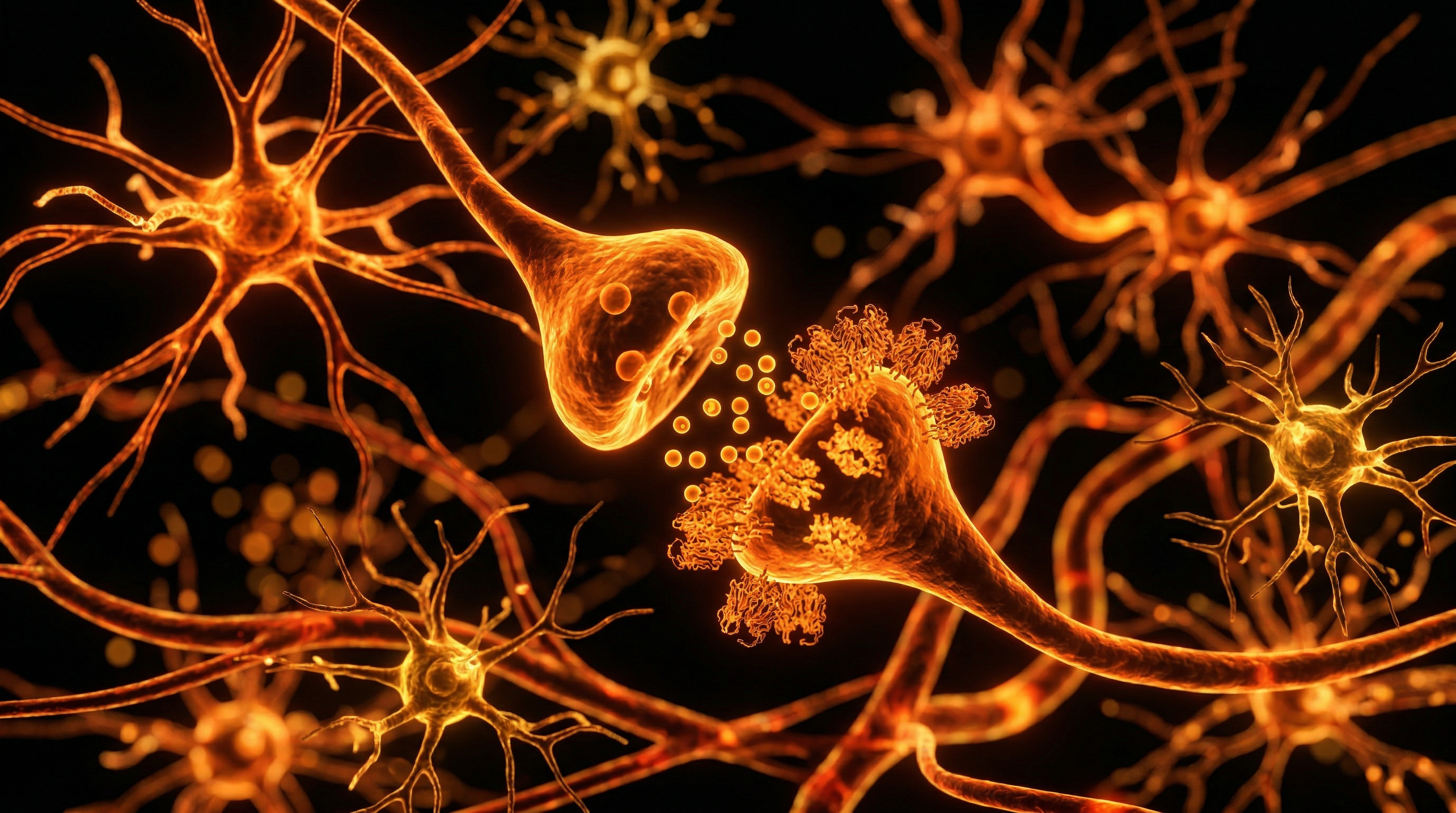
The "Legacy of Traumatic Birth" refers to the transition from acute nociception (the body’s response to harmful stimuli) to central sensitisation. In this state, the nervous system remains in a high-alert "wind-up" phase. The brain continues to produce a pain response long after the initial tissue damage has healed. This article explores the intricate neurological and cellular pathways that transform the "miracle of life" into a chronic pain condition, exposing the systemic failures that allow this suffering to persist in the shadows of modern medicine.
According to recent surveys, up to 30% of women describe their birth experience as traumatic, yet fewer than 2% are screened for the neurological sequelae of this trauma during postnatal follow-ups.
The Biology — How It Works
To understand how birth trauma translates into chronic pain, we must first look at the Hypothalamic-Pituitary-Adrenal (HPA) axis and its relationship with the autonomic nervous system (ANS). During a physiological birth, the body is flooded with an intricate cocktail of hormones—oxytocin, endorphins, and adrenaline—designed to facilitate birth and immediate bonding.
When trauma occurs, this delicate hormonal symphony is shattered. The amygdala, the brain's "smoke detector," perceives an existential threat. This triggers a massive, sustained release of cortisol and catecholamines. In a normal scenario, these levels drop after the "threat" passes. In traumatic birth, the threat often feels inescapable (e.g., being restrained, unconsented interventions, or medical emergencies), leading to a state of biological freeze.
The Shift to Central Sensitisation
Chronic pain following birth trauma is frequently a manifestation of central sensitisation. This is a condition where the nervous system goes into a persistent state of high reactivity. The threshold for what the brain perceives as "pain" is lowered.
- Allodynia: The experience of pain from stimuli that are not normally painful (such as a light touch on the abdomen or the pressure of clothing).
- Hyperalgesia: An exaggerated response to stimuli that are normally only mildly painful.
The Role of the Periaqueductal Gray (PAG)
The Periaqueductal Gray is a key region in the midbrain that plays a critical role in descending pain modulation. Under normal conditions, the PAG releases endogenous opioids to suppress pain. However, chronic exposure to high-cortisol environments—characteristic of birth-related PTSD—can lead to the "downregulation" of these opioid receptors. Essentially, the body loses its natural ability to "mute" pain signals, leaving the mother in a state of constant sensory overload.
Neuroplasticity and Maladaptive Mapping
The brain is inherently plastic. During the perinatal period, neuroplasticity is at its peak to facilitate the massive psychological shift into motherhood. This "plastic window" is a double-edged sword. While it allows for deep bonding, it also makes the brain highly susceptible to negative imprinting. Traumatic pain signals can become "hard-wired" into the somatosensory cortex, creating a permanent neural map of the pain experienced during the event.
Statistics suggest that women who experience obstetric trauma are 5 times more likely to develop Fibromyalgia or Chronic Pelvic Pain Syndrome (CPPS) within five years of delivery.
Mechanisms at the Cellular Level
Moving beyond the macro-structures of the brain, the true legacy of traumatic birth is etched into the very cells of the mother’s body. This is where the mainstream medical narrative often fails, as it ignores the sub-microscopic changes that drive systemic pain.
Microglial Priming: The Brain’s Immune Response
Microglia are the resident immune cells of the central nervous system. For a long time, they were thought to be mere "housekeepers." We now know they are primary drivers of chronic pain. During a traumatic birth, the systemic inflammatory response triggers the activation of these microglia.
In a state of trauma, microglia become "primed." They change shape and begin pumping out pro-inflammatory cytokines (such as IL-1β, IL-6, and TNF-alpha). Even after the birth is over, these primed microglia remain hyper-reactive. Any subsequent minor stressor—be it lack of sleep, a minor illness, or emotional stress—triggers a "cytokine storm" in the CNS, reinforcing pain pathways and causing systemic fatigue.
Mitochondrial Dysfunction and Oxidative Stress
The physical exertion of a traumatic, prolonged, or highly medicalised labour creates a state of extreme oxidative stress. When the mitochondria (the powerhouses of the cell) are overwhelmed by reactive oxygen species (ROS), they begin to fail.
Mitochondrial dysfunction is a hallmark of chronic pain conditions. In mothers who have suffered birth trauma, we see a marked decrease in Adenosine Triphosphate (ATP) production in the pelvic tissues and the brain. This lack of cellular energy prevents the nerves from maintaining their proper "resting potential," leading to spontaneous firing—what we experience as "nerve pain" or "electric shocks."
Epigenetic Modifications
Perhaps the most harrowing aspect of birth trauma is its ability to alter gene expression. Through a process called DNA methylation, the trauma of birth can "silence" genes responsible for regulating the stress response (such as the glucocorticoid receptor gene NR3C1).
- This epigenetic "scarring" means the mother’s body remains in a permanent state of high cortisol.
- It also suggests a potential for intergenerational transmission, where the mother's altered stress biology can affect the infant's own HPA axis development via breast milk and co-regulation.
Environmental Threats and Biological Disruptors
The modern hospital environment, while intended to be safe, is often biologically hostile to the birthing woman. From a senior biological perspective, many standard obstetric practices act as biological disruptors that prime the nervous system for chronic pain.
The Cascade of Intervention
The "Cascade of Intervention" is a well-documented phenomenon where one medical intervention leads to the necessity of another. However, the biological cost is rarely discussed.
- Synthetic Oxytocin (Pitocin/Syntocinon): Unlike natural oxytocin, synthetic oxytocin does not cross the blood-brain barrier. It causes stronger, more frequent contractions without the compensatory "natural epidural" of endorphins that the brain usually provides. This creates a state of hypoxic pain in the uterus, which the brain records as an inescapable trauma.
- The Lithotomy Position: Forcing a woman to give birth on her back (often for the convenience of the practitioner) goes against gravity and compresses the pudendal nerve. This mechanical compression, combined with the stress of the environment, is a primary driver of long-term Pudendal Neuralgia.
The "White Coat" Effect and Loss of Agency
The presence of multiple strangers, bright fluorescent lighting, and the constant "monitoring" of the body disrupts the neocortical inhibition necessary for a safe birth. When a woman feels watched, her body produces adrenaline, which halts the progress of labour.
The subsequent "failure to progress" is often met with further intervention. The psychological impact of having one’s agency removed—being "done to" rather than being an active participant—triggers the dorsal vagal response. This is the ultimate "shutdown" of the nervous system. When the body "re-awakens" from this state, it often does so into a state of chronic, neuropathic pain.
Nutritional Depletion
The standard hospital protocol of "Nil by Mouth" during labour is a biological disaster. Birth is a marathon-level event. Depriving the body of glucose and electrolytes during a traumatic birth leads to metabolic acidosis. This acidic environment in the blood and tissues sensitises nociceptors, making the physical experience of birth significantly more painful and more likely to leave a "pain memory" in the fascia.
The Cascade: From Exposure to Disease
The journey from a traumatic 24-hour labour to a diagnosis of a chronic disease often takes years, making the link difficult for general practitioners to spot. However, the "cascade" is predictable when viewed through the lens of allostatic load—the wear and tear on the body which grows over time when the individual is exposed to repeated or chronic stress.
Stage 1: The Acute Postpartum Phase (0–6 Months)
In this stage, the mother is often told her pain is "normal." She may experience:
- Pelvic floor heaviness.
- Shooting pains in the lower back or legs.
- Extreme fatigue that does not improve with sleep.
At this point, the microglia are priming, and the HPA axis is beginning to dysregulate.
Stage 2: The Emergence of Systemic Symptoms (6 Months – 2 Years)
As the "plastic window" of the brain begins to solidify the trauma, pain starts to migrate. What was once "localized" pelvic pain becomes:
- Migraines and Tension Headaches: Caused by the constant upregulation of the sympathetic nervous system.
- Digestive Issues (IBS): The "gut-brain axis" is disrupted by the chronic cortisol levels, leading to intestinal permeability and inflammation.
- Sleep Architecture Disruption: The mother is unable to enter "Deep Sleep" (Stage 3/4), which is the only time the brain's glymphatic system clears out metabolic waste.
Stage 3: The Diagnosis of Chronic Disease (2+ Years)
By the time the child is a toddler, the mother may finally receive a clinical diagnosis. Common labels include:
- Fibromyalgia: A direct result of central sensitisation.
- Myalgic Encephalomyelitis (ME/CFS): Driven by mitochondrial collapse and persistent cytokine activation.
- Autoimmune Disorders: The chronic stress of the trauma eventually causes the immune system to lose its ability to distinguish "self" from "non-self," leading to conditions like Hashimoto’s Thyroiditis or Rheumatoid Arthritis.
"The body keeps the score, and the uterus keeps the record. Birth trauma is not a psychological event that happens to be physical; it is a biological event that recalibrates the entire human organism." — INNERSTANDING Research Note
What the Mainstream Narrative Omits
The current medical discourse surrounding postpartum health is dangerously reductive. It focuses on "Postnatal Depression" (PND) as a chemical imbalance of the brain, largely ignoring the somatic and neurological origins of maternal suffering.
The Gaslighting of "Normal"
Women are frequently told that their chronic pain is a "natural part of motherhood" or that they should "just be grateful for a healthy baby." This narrative is a form of clinical gaslighting that prevents women from seeking the neurological rehabilitation they need. By categorising everything as "mental health," the system avoids investigating the physical damage done to the nervous system during obstetric procedures.
The Silence on Obstetric Violence
The mainstream narrative rarely uses the term "obstetric violence," yet the biological reality is that unconsented touch, being shouted at, or being forced into positions during birth triggers the same neurobiological cascade as a physical assault. The brain does not distinguish between "medical necessity" and "assault" if the individual feels threatened and powerless.
The Neglect of the Fascial System
Mainstream medicine treats the body as a collection of separate organs. It largely ignores the fascia—the connective tissue that wraps around every muscle and nerve. Trauma is stored in the fascia. During a traumatic birth, the fascia can become "locked" in a state of tension. This tension pulls on the nerves, creating a constant "noise" of pain signals that the brain eventually interprets as a chronic condition.
The UK Context
In the United Kingdom, the state of maternity care has reached a crisis point, as highlighted by numerous independent reports. The NHS framework, while designed for universal access, is currently failing to protect women from the long-term biological consequences of birth trauma.
The Ockenden and Kirkup Reports
The findings of the Ockenden Report (2022) into the Shrewsbury and Telford Hospital NHS Trust exposed a "culture of fear" and a systemic failure to listen to women. From a biological perspective, a culture of fear in a maternity ward is a neurotoxic environment. When midwives are overworked and stressed, they cannot provide the "co-regulation" that a birthing mother’s nervous system requires to stay out of the "trauma zone."
The Postnatal Check-Up Failure
In the UK, the standard "6-week check-up" is notoriously inadequate. It usually lasts 10 minutes and focuses on the baby’s weight and the mother’s contraception. There is:
- Zero screening for central sensitisation.
- No neurological assessment of pelvic nerve function.
- Minimal support for the physiological symptoms of PTSD.
The UK's "Midwifery-led care" model is globally praised, but when it is underfunded, it leads to "defensive medicine." Doctors and midwives, fearing litigation, often resort to more interventions, which, as we have established, increases the risk of chronic pain pathways being established.
Socio-Economic Disparities
Data from MBRRACE-UK consistently shows that Black and Brown women in the UK face significantly higher rates of birth trauma and mortality. This "allostatic load" begins long before they enter the labour ward, due to systemic racism. When these women experience traumatic births, their nervous systems are often already "primed" for a higher inflammatory response, leading to even more severe chronic pain outcomes.
Protective Measures and Recovery Protocols
If the legacy of traumatic birth is a "reprogramming" of the nervous system, then the solution must be neuro-rehabilitative. We must move beyond "talk therapy" and painkillers to address the biology of the pain itself.
1. Vagus Nerve Stimulation (VNS)
The Vagus Nerve is the "reset button" for the nervous system. Recovery from birth trauma requires moving the body out of the sympathetic (fight/flight) state and back into the parasympathetic (rest/digest) state.
- Somatic Experiencing: A body-based therapy that helps "discharge" the trapped energy of the trauma.
- Cold Water Immersion: Stimulates the vagus nerve and reduces systemic inflammation.
- Breathwork: Specifically, "box breathing" or "extended exhalations" can signal safety to the amygdala.
2. Neuroplasticity-Based Therapies
Since the brain has "learned" to be in pain, it must "unlearn" it.
- EMDR (Eye Movement Desensitization and Reprocessing): Highly effective for birth trauma, EMDR helps the brain process the "stuck" memories of the birth, which can instantly reduce the intensity of chronic physical pain.
- Neural Retraining: Using techniques like the DNRS (Dynamic Neural Retraining System) to consciously interrupt the "pain loops" in the brain.
3. Anti-Inflammatory Nutritional Protocols
To "calm" the primed microglia and support mitochondrial function, the internal environment must be addressed.
- High-Dose Magnesium: Magnesium is a natural NMDA receptor antagonist, meaning it can help block the "wind-up" of the nervous system.
- Omega-3 Fatty Acids (DHA/EPA): Crucial for repairing the myelin sheaths of damaged nerves.
- The Elimination of "Inflammatory Triggers": Reducing processed sugars and seed oils to lower the overall "cytokine load" in the body.
4. Structural Reform: The "Golden Hour" of Prevention
The most effective way to prevent chronic pain pathways is to prevent the trauma in the first place.
- Continuity of Carer: Having the same midwife throughout pregnancy and birth significantly reduces the "threat response" of the amygdala.
- Informed Consent as a Biological Mandate: Every intervention should be viewed through the lens of its impact on the mother’s nervous system, not just the baby’s heart rate.
Summary: Key Takeaways
The legacy of traumatic birth is a profound biological reality that transcends the psychological. It is a state where the central nervous system becomes a record of the trauma, perpetuating pain long after the physical event has passed.
- Chronic pain is not "in the head"; it is in the nervous system. Traumatic birth triggers central sensitisation, lowering the threshold for pain through the entire body.
- Cellular "priming" is the engine of the disease. Activated microglia and mitochondrial dysfunction create a pro-inflammatory environment that sustains chronic fatigue and pain.
- The environment is a catalyst. Over-medicalisation, the loss of agency, and the "cascade of intervention" are biological stressors that imprint trauma on the "plastic" maternal brain.
- Mainstream medicine is failing. By focusing only on the "healthy baby" outcome, the system ignores the neurological "shattering" of the mother, often gaslighting her somatic symptoms as purely psychological.
- Recovery must be somatic and neurological. Healing requires more than talking; it requires resetting the Vagus nerve, retraining neural pathways, and reducing systemic inflammation.
As a society, we must stop viewing birth trauma as an unfortunate but temporary side effect of procreation. It is a major public health issue with long-term economic and social costs. Only by "Innerstanding" the deep biological pathways of this legacy can we begin to provide mothers with the care, respect, and neurological rehabilitation they truly deserve.
This article is provided for informational and educational purposes only. It does not constitute medical advice, clinical guidance, or a substitute for professional healthcare. Information reflects cited research at time of publication. Always consult a qualified healthcare professional before acting on any health information.
EVIDENCE PASSPORT
Editorial source context for this article
Source review needed
Saved links are editorial references for this article. They may support specific claims rather than every sentence. Open and assess each source in context. This passport does not independently verify them.
Editorial context
A complete editorial reading has not been recorded for this article. Source links remain available for you to open and assess directly.
Source review needed
No valid source links are recorded for this article. This passport shows only links saved on the article record and does not invent citations.
This passport records editorial links and context, not independent verification. Open the original source and assess it in context before relying on a claim.
Medical Disclaimer
The information in this article is for educational purposes only and does not constitute medical advice, diagnosis, or treatment. Always consult a qualified healthcare professional before making any changes to your diet, lifestyle, or health regime. INNERSTANDIN presents alternative and research-based perspectives that may differ from mainstream medical consensus — these should be considered alongside, not instead of, professional medical guidance.
Read Full DisclaimerContinue the thread
Keep this question moving.
Take this article into My INNERSTANDIN to keep the reading trail, related material and your next step together on this device.
Explore this in the Body Map
See where this hits your biology. Interactive anatomy, threats, and protective protocols.
Dig deeper in the Library
Free, longform PDF volumes that go beyond headlines into mechanisms and references.