
Beyond Vitamin D: Why Seasonal Affective Disorder is a Circadian Misalignment Problem
Published April 2026
While mainstream health advice focuses on Vitamin D supplementation for Seasonal Affective Disorder (SAD), it misses the critical role of light as a biological signaling molecule. The suprachiasmatic nucleus (SCN) requires specific wavelengths of natural light to regulate the timing of neurotransmitter release. This article investigates the melanopsin system and why indoor lighting fails to prevent seasonal neuroendocrine imbalances.
Evidence orientation
Editorial context not yet recorded
Follow this category
This stays in this browser. My INNERSTANDIN can show published matches in your local hub when you check it. It does not send email, push, or alert notifications.
Local learning review
A private browser aid for revisiting ideas. It is not an alert or a health recommendation.
Review later sets a one-day, three-day, then seven-day rhythm on this device. Choose it only when you want to revisit this article.
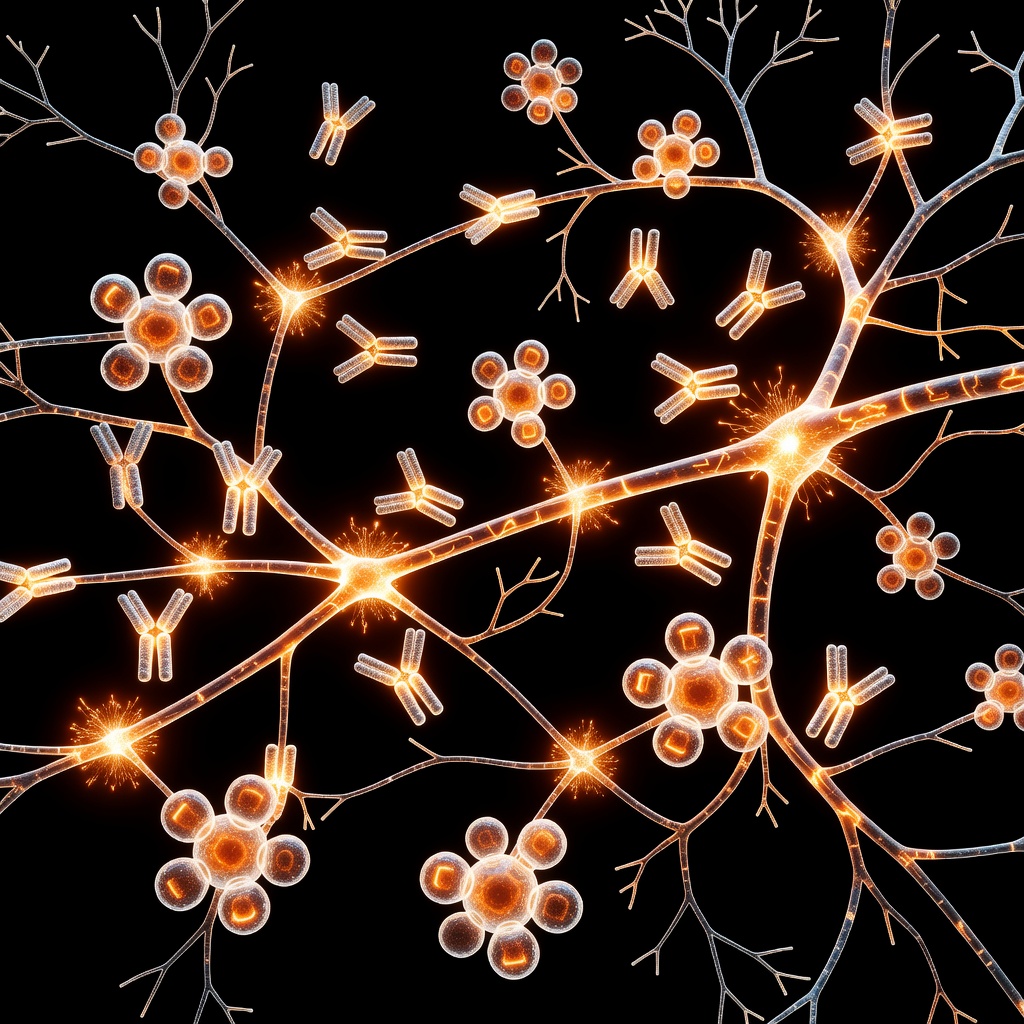
Every winter, millions of UK citizens struggle with Seasonal Affective Disorder (SAD), usually prescribed with Vitamin D tablets and told to 'get more sun.' This advice, while well-meaning, is biologically incomplete. The core of SAD is not just a nutrient deficiency but a failure of the circadian system to synchronize with the external environment. At the center of this process is the Suprachiasmatic Nucleus (SCN) in the hypothalamus, the master clock of the body. The SCN receives information about the light environment through specialized cells in the retina called intrinsically photosensitive retinal ganglion cells (ipRGCs). These cells contain melanopsin, a photopigment specifically sensitive to blue-wavelength light.
This signaling pathway is what suppresses melatonin during the day and triggers cortisol release in the morning. Conventional medicine's reliance on light boxes often fails because these devices do not replicate the full-spectrum intensity or the subtle shifting dynamics of natural sunlight. Furthermore, modern 'blue-light' from screens at night creates a state of 'circadian mismatch,' where the body is chemically stuck in a perpetual twilight. The biological consequence is a dysregulation of the monoamine system, particularly serotonin and dopamine. Research in the field of chronobiology shows that exposure to early morning natural light—even on overcast days—is significantly more effective than artificial light for stabilizing mood and energy.
This is because natural light provides the lux intensity required to reset the SCN's timing mechanism. Beyond mood, the circadian rhythm governs the timing of the immune system, digestion, and DNA repair. When we isolate ourselves from natural light cycles, we are not just 'sad'; we are biologically desynchronized. To fix this, we must adopt ecotherapeutic practices that prioritize 'light hygiene,' such as early morning exposure and minimizing artificial blue light after sunset. We must view light as a vital nutrient, essential for the regulation of the neuroendocrine system.
The investigative evidence is clear: the solution to seasonal disorders lies in re-establishing our connection to the planet's natural light-dark cycles.
This article is provided for informational and educational purposes only. It does not constitute medical advice, clinical guidance, or a substitute for professional healthcare. Information reflects cited research at time of publication. Always consult a qualified healthcare professional before acting on any health information.
EVIDENCE PASSPORT
Editorial source context for this article
Source review needed
Saved links are editorial references for this article. They may support specific claims rather than every sentence. Open and assess each source in context. This passport does not independently verify them.
Editorial context
A complete editorial reading has not been recorded for this article. Source links remain available for you to open and assess directly.
Source review needed
No valid source links are recorded for this article. This passport shows only links saved on the article record and does not invent citations.
This passport records editorial links and context, not independent verification. Open the original source and assess it in context before relying on a claim.
Medical Disclaimer
The information in this article is for educational purposes only and does not constitute medical advice, diagnosis, or treatment. Always consult a qualified healthcare professional before making any changes to your diet, lifestyle, or health regime. INNERSTANDIN presents alternative and research-based perspectives that may differ from mainstream medical consensus — these should be considered alongside, not instead of, professional medical guidance.
Read Full DisclaimerContinue the thread
Keep this question moving.
Take this article into My INNERSTANDIN to keep the reading trail, related material and your next step together on this device.