Collagen Synthesis and Structural Protein Depletion: Investigating Postpartum Tissue Repair Mechanisms
Discuss this resourceUpdated August 2026
An in-depth analysis of how pregnancy-induced hormonal shifts and metabolic demands affect collagen production, leading to postpartum tissue depletion and structural integrity challenges.
Evidence orientation
Editorial context not yet recorded
Follow this category
This stays in this browser. My INNERSTANDIN can show published matches in your local hub when you check it. It does not send email, push, or alert notifications.
Local learning review
A private browser aid for revisiting ideas. It is not an alert or a health recommendation.
Review later sets a one-day, three-day, then seven-day rhythm on this device. Choose it only when you want to revisit this article.
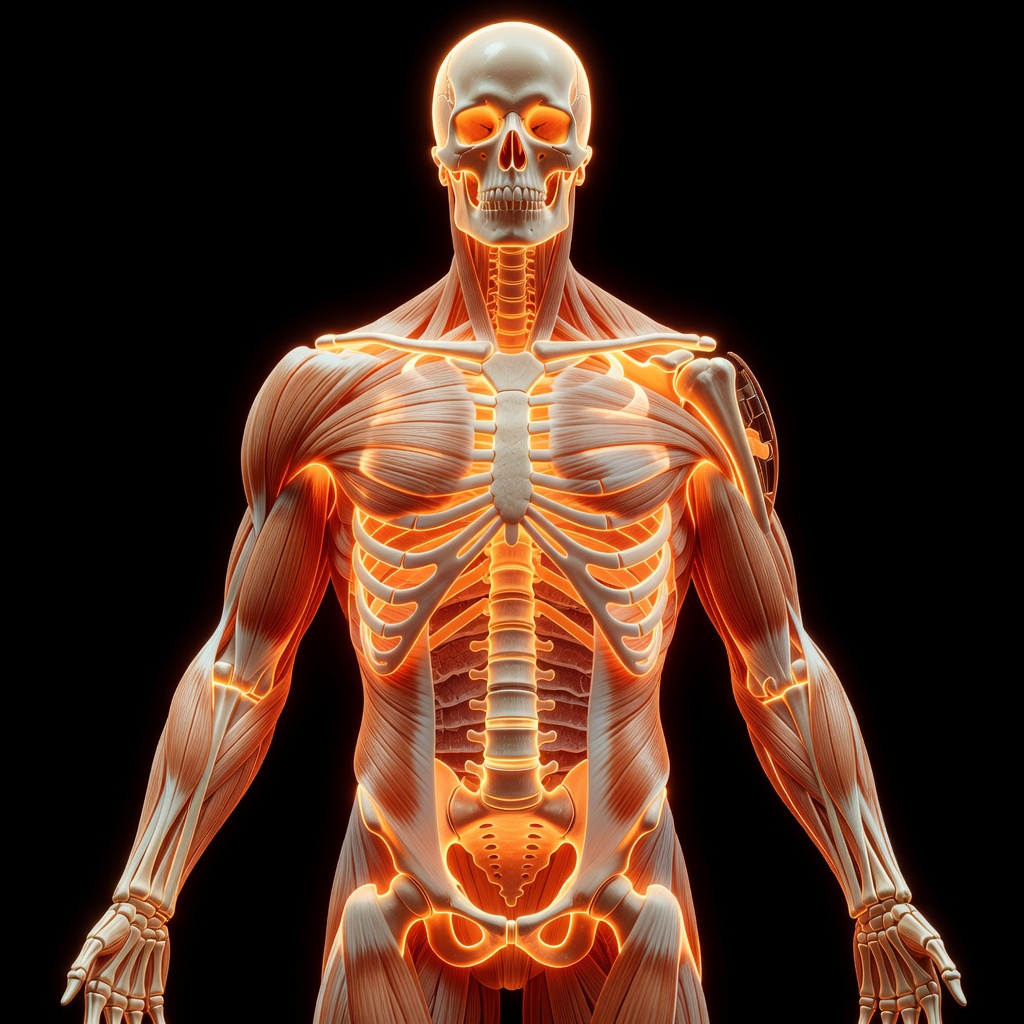
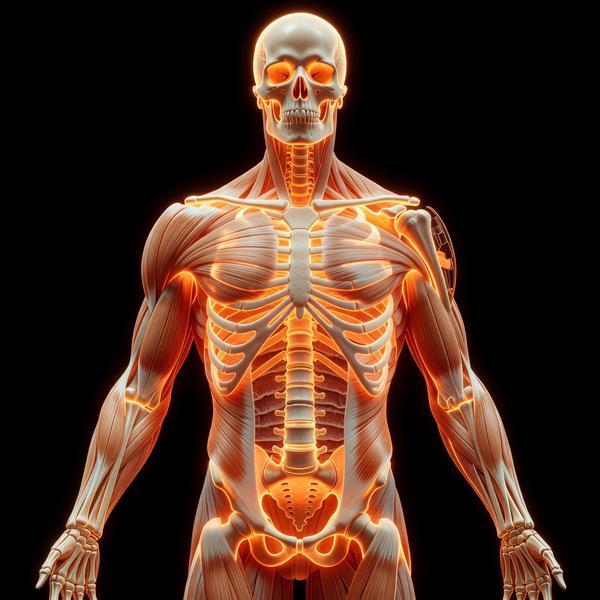
Introduction: The Physiological Architectures of Pregnancy. Pregnancy is a period of extraordinary biological demand, characterized by systemic remodeling of maternal connective tissue. Central to this process is the role of collagen, the body's primary structural protein. Following delivery, the body enters a phase of rapid repair; however, for many women, the nutritional and metabolic cost of pregnancy results in a phenomenon known as 'Postpartum Structural Depletion'. ## The Biochemistry of Collagen Synthesis. Collagen synthesis is a complex multi-stage process requiring specific precursors: Proline, Glycine, and Lysine, alongside critical co-factors like Vitamin C, Zinc, and Copper.
During gestation, the body prioritizes fetal development, often diverting these micronutrients away from maternal tissue maintenance. As relaxin levels peak to facilitate pelvic expansion, the integrity of the extracellular matrix is intentionally loosened. Post-delivery, the body must 're-knit' this matrix. If maternal stores are depleted, this process becomes inefficient, leading to persistent tissue laxity and impaired healing. ## Root Causes of Structural Depletion. 1. Micronutrient Partitioning: The fetus acts as a nutrient sink, depleting maternal serum levels of essential amino acids and minerals necessary for collagen cross-linking. 2.
Hormonal Modulation: Postpartum estrogen decline directly impacts collagen metabolism, as estrogen is a key stimulator of fibroblast activity. 3. Oxidative Stress: The metabolic surge of labor induces systemic inflammation, which consumes antioxidants that are otherwise required to protect existing collagen fibers from degradation. ## Clinical Implications: Beyond Surface Aesthetics. While many associate collagen loss with skin elasticity and striae, the implications are systemic. Pelvic floor integrity, diastasis recti, and joint stabilization are all dependent on high-turnover collagen pathways. When synthesis is hampered by protein-energy malnutrition or micro-nutrient deficiency, the tissue 'stiffens' or remains chronically inflamed, preventing the return to pre-pregnancy homeostasis. ## Strategies for Nutritional Rebuilding.
Supporting the postpartum repair phase requires a multi-pronged approach. Protein intake must be prioritized, with a focus on glycine-rich sources like bone broths or hydrolyzed collagen peptides. Supplementation with Vitamin C and Zinc is non-negotiable, as these act as the essential 'glue' for pro-collagen hydroxylase activity. Furthermore, managing systemic inflammation through an anti-inflammatory dietary pattern can prevent the premature breakdown of newly synthesized structural proteins. ## Conclusion: A New Paradigm for Postpartum Care. Understanding that postpartum health is not merely about hormonal recovery but about the rebuilding of the body's scaffolding allows for a more comprehensive approach to maternal care.
By identifying and addressing the metabolic root causes of collagen depletion, we can better support long-term maternal structural integrity and overall wellness.
This article is provided for informational and educational purposes only. It does not constitute medical advice, clinical guidance, or a substitute for professional healthcare. Information reflects cited research at time of publication. Always consult a qualified healthcare professional before acting on any health information.
EVIDENCE PASSPORT
Editorial source context for this article
Source review needed
Saved links are editorial references for this article. They may support specific claims rather than every sentence. Open and assess each source in context. This passport does not independently verify them.
Editorial context
A complete editorial reading has not been recorded for this article, and no source links are saved on its record.
Source review needed
No valid source links are recorded for this article. Supplementary research, where available, is listed separately below.
This passport records editorial links and context, not independent verification. Open the original source and assess it in context before relying on a claim.
Medical Disclaimer
The information in this article is for educational purposes only and does not constitute medical advice, diagnosis, or treatment. Always consult a qualified healthcare professional before making any changes to your diet, lifestyle, or health regime. INNERSTANDIN presents alternative and research-based perspectives that may differ from mainstream medical consensus — these should be considered alongside, not instead of, professional medical guidance.
Read Full DisclaimerContinue the thread
Keep this question moving.
Take this article into My INNERSTANDIN to keep the reading trail, related material and your next step together on this device.
Dig deeper in the Library
Free, longform PDF volumes that go beyond headlines into mechanisms and references.
RABBIT HOLE
Follow the biological thread deeper