Oxidative Stress and Endogenous Antioxidant Depletion in the Postpartum Physiological Transition
Discuss this resourceUpdated August 2026
An in-depth exploration of how the metabolic demands of childbirth lead to systemic oxidative stress and the depletion of vital antioxidant reserves during the postpartum recovery phase.
Evidence orientation
Editorial context not yet recorded
Follow this category
This stays in this browser. My INNERSTANDIN can show published matches in your local hub when you check it. It does not send email, push, or alert notifications.
Local learning review
A private browser aid for revisiting ideas. It is not an alert or a health recommendation.
Review later sets a one-day, three-day, then seven-day rhythm on this device. Choose it only when you want to revisit this article.
Introduction: The Metabolic Cost of Birth. The postpartum period is frequently romanticised as a time of recovery, yet biologically, it represents one of the most intense physiological transitions a human body can undergo. At INNERSTANDING, we look beyond the superficial symptoms of exhaustion to the root-cause mechanisms of cellular stress. Specifically, we must address the phenomenon of oxidative stress and the concurrent depletion of endogenous antioxidant reserves. ## The Science of Oxidative Stress. Oxidative stress occurs when there is an imbalance between the production of reactive oxygen species (ROS) and the body’s ability to detoxify these harmful molecules.
During pregnancy, the body experiences a state of chronic, controlled inflammation to accommodate the foetus. Following the placenta's delivery, the body undergoes a rapid 'rebound' effect. This sudden change in hormonal milieu, combined with the metabolic demand of lactation and tissue repair, triggers a massive surge in ROS production. ## Why Endogenous Antioxidants Matter. Your body is equipped with an internal defence system—the endogenous antioxidant network. Key players include Glutathione, Superoxide Dismutase (SOD), and Catalase.
These molecules are the body’s primary firefighters against cellular damage. In the postpartum window, however, these reserves are often hit with a 'triple threat': 1. Nutrient Deficiency: High physiological demand depletes the trace minerals (like selenium, zinc, and copper) required for antioxidant enzyme synthesis. 2. Sleep Fragmentation: Sleep is when the body initiates critical repair pathways. Chronic sleep deprivation halts the recycling of glutathione. 3.
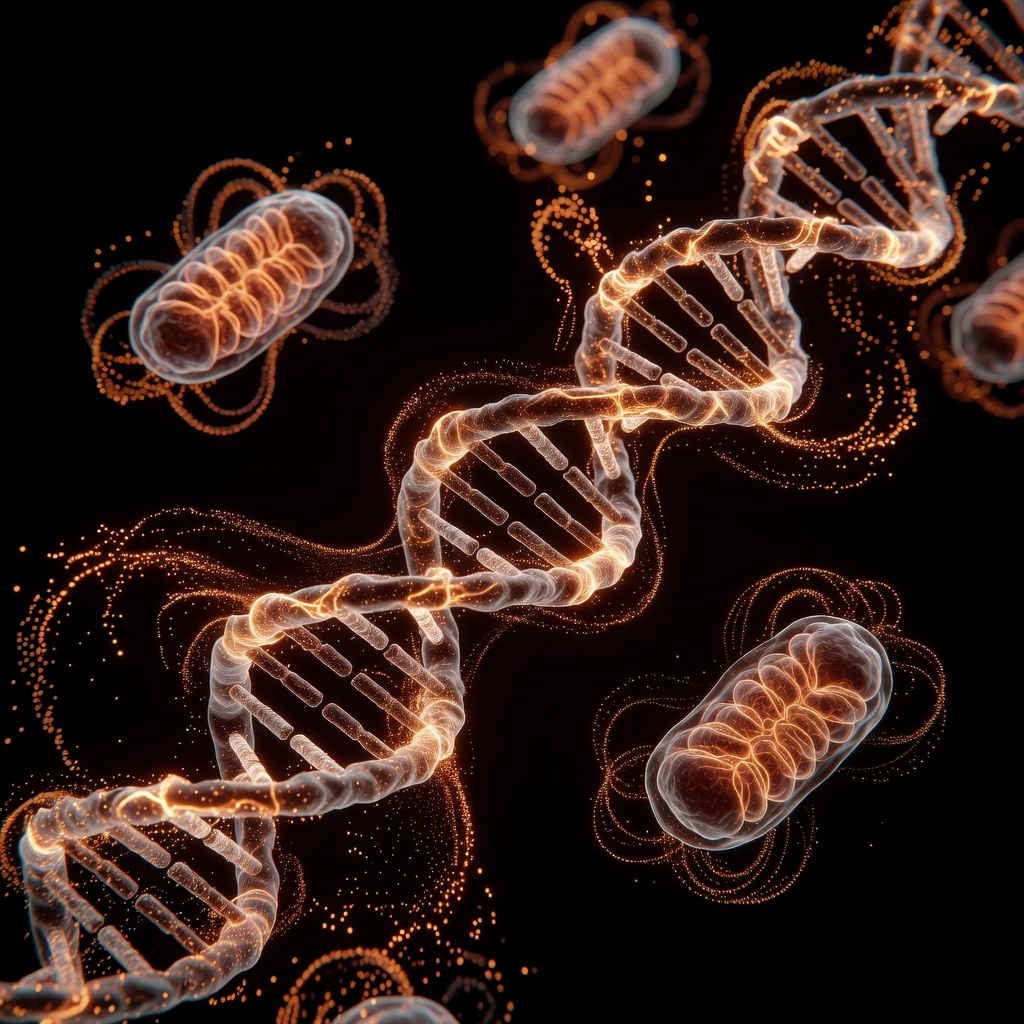
Hormonal Flux: The sharp drop in oestrogen, which has inherent antioxidant properties, leaves cells more vulnerable to oxidative injury. ## The Consequences of Depletion. When antioxidant levels fall, the resultant oxidative stress is not merely about feeling tired. It manifests as a systemic cascade. We see increased markers of inflammation, which can exacerbate postpartum mood disorders, delay wound healing at the site of repair, and contribute to long-term mitochondrial dysfunction. Mitochondria are the powerhouses of the cell; when they are damaged by ROS, the mother experiences the hallmark 'brain fog' and profound lethargy that is too often dismissed as 'normal' motherhood. ## Nutritional and Lifestyle Strategies for Root-Cause Recovery.
To support the endogenous system, we must move away from symptom management and toward replenishment: 1. Cofactor Loading: Focus on the minerals that drive SOD production, specifically manganese, copper, and zinc, sourced from whole, bioavailable foods. 2. Glutathione Support: Prioritise amino acid-rich protein intake, specifically glycine, cysteine, and glutamine, which act as the building blocks for your master antioxidant. 3. Circadian Alignment: While challenging, prioritising 'restorative windows' is a biological necessity for mitochondrial repair. 4. Botanical Integration: Consider adaptogenic herbs that modulate the HPA axis, as cortisol elevation further drives ROS production. ## Conclusion.
Understanding the postpartum period as a phase of profound oxidative recovery allows us to change the narrative from 'bouncing back' to 'rebuilding from within.' By addressing the depletion of your antioxidant reserves, you are not just treating symptoms; you are providing your cells with the chemical infrastructure required to sustain the demands of motherhood.
This article is provided for informational and educational purposes only. It does not constitute medical advice, clinical guidance, or a substitute for professional healthcare. Information reflects cited research at time of publication. Always consult a qualified healthcare professional before acting on any health information.
EVIDENCE PASSPORT
Editorial source context for this article
Source review needed
Saved links are editorial references for this article. They may support specific claims rather than every sentence. Open and assess each source in context. This passport does not independently verify them.
Editorial context
A complete editorial reading has not been recorded for this article, and no source links are saved on its record.
Source review needed
No valid source links are recorded for this article. Supplementary research, where available, is listed separately below.
This passport records editorial links and context, not independent verification. Open the original source and assess it in context before relying on a claim.
Medical Disclaimer
The information in this article is for educational purposes only and does not constitute medical advice, diagnosis, or treatment. Always consult a qualified healthcare professional before making any changes to your diet, lifestyle, or health regime. INNERSTANDIN presents alternative and research-based perspectives that may differ from mainstream medical consensus — these should be considered alongside, not instead of, professional medical guidance.
Read Full DisclaimerContinue the thread
Keep this question moving.
Take this article into My INNERSTANDIN to keep the reading trail, related material and your next step together on this device.
Dig deeper in the Library
Free, longform PDF volumes that go beyond headlines into mechanisms and references.
RABBIT HOLE
Follow the biological thread deeper