
Copper Toxicity and Zinc Displacement Mechanisms
Updated May 2026
UK plumbing and contraceptive methods contribute to copper dominance, which displaces zinc and disrupts the copper-zinc ratio. We analyze the resulting impact on neurotransmitter balance and immune function.
Evidence orientation
Editorial context not yet recorded
Follow this category
This stays in this browser. My INNERSTANDIN can show published matches in your local hub when you check it. It does not send email, push, or alert notifications.
Local learning review
A private browser aid for revisiting ideas. It is not an alert or a health recommendation.
Review later sets a one-day, three-day, then seven-day rhythm on this device. Choose it only when you want to revisit this article.
Overview
In the landscape of modern nutritional science, the delicate equilibrium between trace minerals often determines the difference between cognitive vitality and systemic decay. Among these, the Copper-Zinc ratio stands as perhaps the most critical, yet frequently ignored, physiological axis. While both elements are essential for life, the modern environment has tilted the scales toward a phenomenon known as Copper Dominance.
This article serves as a comprehensive forensic investigation into the mechanisms of copper toxicity and its relentless displacement of zinc. We are currently witnessing a silent epidemic of mineral dysregulation, driven by industrial plumbing standards, agricultural shifts, and pharmacological interventions—specifically hormonal contraceptives. As a senior biological researcher at INNERSTANDING, my objective is to dissect how this "Red Metal" has transitioned from a vital micronutrient into a pervasive neurotoxin and metabolic disruptor.
The tragedy of copper toxicity lies in its invisibility. Standard blood tests frequently fail to detect the sequestered stores of copper within the liver and brain, leading to a "normal" clinical profile while the patient suffers from profound zinc deficiency. This displacement is not merely a substitution of one atom for another; it is a fundamental restructuring of enzymatic pathways, immune responses, and neurotransmitter synthesis.
Fact: The ideal plasma copper-to-zinc ratio is approximately 1:1. Clinical observations in patients suffering from chronic fatigue, anxiety, and autoimmune dysfunction often reveal ratios exceeding 2:1 or even 3:1.
The Biology — How It Works
To understand copper toxicity, one must first understand the concept of Biological Antagonism. Copper and Zinc are antagonistic minerals; they compete for the same absorption sites in the small intestine and for the same binding proteins within the bloodstream.
The Absorption Competitive Inhibition
Both minerals utilise the Divalent Metal Transporter 1 (DMT1) and other specific carriers in the enterocytes (intestinal cells). When copper concentrations are high, they outcompete zinc for transport, effectively starving the body of zinc even if dietary intake appears sufficient. This is the first stage of the displacement mechanism.
The Role of Metallothionein
The body's primary defence against metal overload is a class of cysteine-rich proteins called Metallothioneins (MT). These proteins act as intracellular sponges, binding both copper and zinc to prevent them from causing oxidative damage. However, MT has a higher affinity for copper than for zinc. In an environment of copper excess, the body prioritises binding copper to neutralise its high reactivity. This "sequesters" the MT, leaving little to no protein available to transport or store zinc. Consequently, zinc is excreted, or it fails to reach the enzymes that require it.
Ceruloplasmin: The Bioavailability Gatekeeper
Copper does not float freely in the blood under healthy conditions; it is bound to Ceruloplasmin, a ferroxidase enzyme. Ceruloplasmin is responsible for converting iron from its ferrous (Fe2+) to ferric (Fe3+) state so it can be carried by transferrin. When copper is not bound to ceruloplasmin (often due to adrenal exhaustion or liver dysfunction), it becomes unbound copper (free copper). Free copper is highly reactive and toxic, capable of crossing the blood-brain barrier and initiating the Fenton Reaction, which generates hydroxyl radicals—the most destructive of all reactive oxygen species.
Mechanisms at the Cellular Level
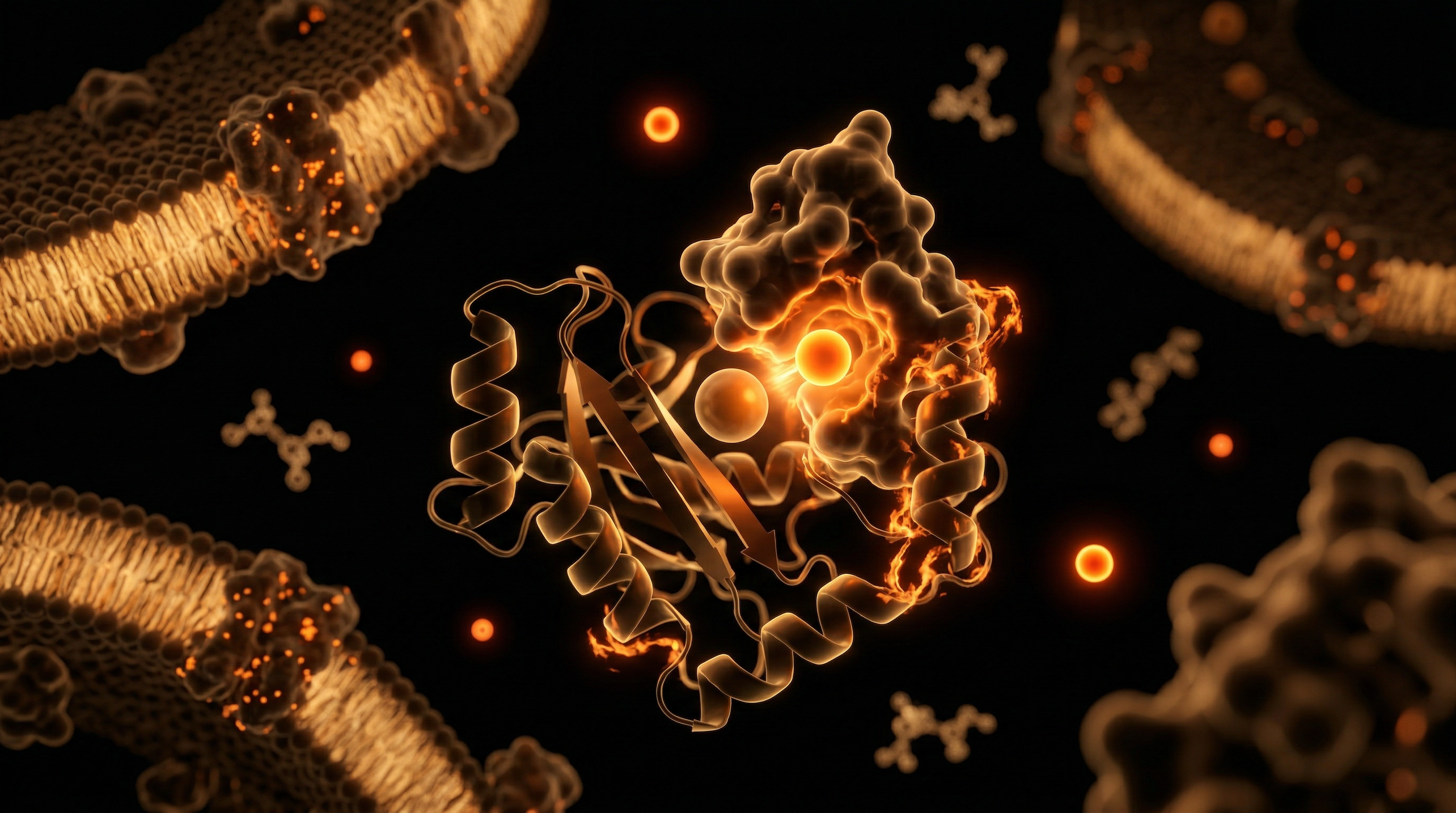
At the cellular level, copper toxicity is a master of mimicry and sabotage. Its primary target is the Zinc Finger Protein. Zinc fingers are structural motifs in proteins that coordinate one or more zinc ions to help stabilise their fold. These are crucial for DNA transcription, protein synthesis, and cell signalling.
Displacement in Zinc Finger Motifs
When copper levels rise to toxic concentrations, the copper ion (Cu2+) can physically displace the zinc ion (Zn2+) from the centre of these proteins. Because copper has a different atomic radius and electronic configuration, the protein’s shape is distorted. This results in "broken" proteins that can no longer bind to DNA correctly. The implications are profound:
- Epigenetic Misfiring: Genes that should be turned on (such as those for immune response) remain dormant.
- DNA Repair Failure: The enzymes responsible for repairing oxidative damage to our genetic code are often zinc-dependent; copper displacement renders them inactive, increasing the risk of carcinogenesis.
Mitochondrial Dysfunction
Copper has a high affinity for the Mitochondria, specifically targeting the Electron Transport Chain (ETC). While copper is a necessary component of Cytochrome c Oxidase (Complex IV), an excess of unbound copper disrupts the flow of electrons. This leads to a "leakage" of electrons that react with oxygen to form superoxide radicals.
- ATP Depletion: The cell's energy currency, ATP, falls as the mitochondria become "clogged" with oxidative byproducts.
- The Fatigue Loop: This explains the paradoxical "tired but wired" state characteristic of copper toxicity; the body is exhausted at a cellular level, yet the brain is over-stimulated by copper’s neuroactive effects.
The Lysosomal Accumulation
The liver is the primary clearinghouse for copper. Excess copper is typically excreted via bile. However, in cases of chronic exposure, the Lysosomes within hepatocytes (liver cells) become overloaded. Once these "waste disposal units" rupture due to copper-induced lipid peroxidation, toxic copper is released into the systemic circulation, leading to secondary accumulation in the brain (specifically the basal ganglia) and the kidneys.
Scientific Insight: Copper is one of the few metals that can significantly alter the electrical conductivity of the cytosol, effectively changing the "bio-electric" tuning of the cell.
Environmental Threats and Biological Disruptors
The modern human is submerged in a "Copper Age" that would baffle our ancestors. The sources of exposure are cumulative and often mandated by infrastructure or medical standards.
The UK Plumbing Crisis
In the United Kingdom, a significant portion of the housing stock—particularly those built between 1945 and 1980—utilises Copper Piping for water distribution.
- Soft Water Aggravation: Areas of the UK with "soft water" (such as Scotland, Wales, and parts of Northern England) are particularly at risk. Soft water is acidic and lacks the calcium scale that naturally coats the inside of pipes. Without this protective layer, the water leaches copper directly from the pipes.
- The "First Draw" Risk: Residents drinking water that has sat in copper pipes overnight are consuming concentrations of copper that far exceed the World Health Organisation's safety limits.
The Oestrogen Connection
There is a metabolic synergy between Oestrogen and Copper. Oestrogen increases the retention of copper in the body and stimulates the liver to produce ceruloplasmin. This is biologically necessary during pregnancy to support foetal blood vessel growth. However, the widespread use of the Combined Oral Contraceptive Pill and the Copper IUD (The Coil) has created a permanent state of "pseudo-pregnancy" regarding mineral metabolism.
- The Copper IUD: This device works by creating a localized inflammatory response through the constant release of copper ions. This copper does not remain localized; it is absorbed systemically, leading to chronic copper elevation in women who may already have compromised zinc levels.
Industrial Agriculture and Zinc Depletion
The modern food chain is increasingly "Zinc-Poor." Monocropping and the use of NPK (Nitrogen, Phosphorus, Potassium) fertilisers have depleted soil of trace minerals like zinc. Furthermore, the use of Glyphosate—the most common herbicide—acts as a potent mineral chelator. It binds to zinc in the soil, making it unavailable to the plant. Consequently, even a "healthy" diet rich in vegetables may fail to provide the necessary zinc to balance the copper intake from water and environmental sources.
The Cascade: From Exposure to Disease
When the copper-zinc balance is lost, a predictable cascade of physiological failure begins. This is not a single disease, but a multi-systemic breakdown.
Neurotransmitter Imbalance: The Dopamine-Norepinephrine Axis
Copper is a co-factor for the enzyme Dopamine Beta-Hydroxylase (DBH). This enzyme converts dopamine (our reward and focus neurotransmitter) into norepinephrine (our stress and "fight or flight" neurotransmitter).
- The Anxiety Spiral: High copper over-activates DBH, leading to a depletion of dopamine and an overproduction of norepinephrine and adrenaline. This manifests as chronic anxiety, panic attacks, ADHD, and "racing thoughts."
- Pyroluria Connection: Many individuals with copper toxicity also suffer from Pyrrole Disorder, a genetic condition where the body overproduces hydroxyhemopyrrolin-2-one (HPL). HPL binds to B6 and Zinc, excreting them in the urine and leaving the individual even more vulnerable to copper's neurotoxic effects.
Immune System Collapse
Zinc is often called the "gatekeeper" of the immune system. It is essential for the maturation of T-lymphocytes and the function of the Thymus Gland.
- Copper-Induced Immunosuppression: As copper displaces zinc, the thymus gland begins to involute (shrink). The body loses its ability to distinguish self from non-self, leading to the rise of Autoimmune Conditions such as Hashimoto’s Thyroiditis and Rheumatoid Arthritis.
- Viral Vulnerability: Zinc is a potent inhibitor of viral replication (specifically RNA viruses). A copper-dominant individual lacks the "intracellular zinc shield," making them prone to chronic viral reactivations (e.g., Epstein-Barr, Herpes Simplex).
Endocrine Disruption: Adrenal and Thyroid
Copper toxicity is an "Adrenal Burnout" accelerator. The adrenals are responsible for producing the signals that tell the liver to produce ceruloplasmin. When the adrenals are fatigued by chronic stress, ceruloplasmin production drops, causing copper to become "unbound" and toxic.
- The Thyroid Hook: Copper and iodine compete at the receptor level. High copper can interfere with the conversion of T4 (inactive thyroid hormone) to T3 (active thyroid hormone), leading to symptoms of hypothyroidism (weight gain, hair loss, depression) even when blood tests for TSH appear "normal."
Statistical Callout: Research into postpartum depression has shown that women with the highest copper levels and lowest zinc levels post-delivery are significantly more likely to experience severe depressive episodes and psychosis.
What the Mainstream Narrative Omits
The mainstream medical establishment continues to view copper toxicity through the narrow lens of Wilson’s Disease—a rare genetic condition where copper accumulates to lethal levels. By focusing only on this extreme, they ignore the Subclinical Copper Toxicity that affects millions.
The Fallacy of the Serum Copper Test
The most common diagnostic error is relying solely on Serum Copper. Serum copper measures both the copper bound to ceruloplasmin and the free copper. It tells us nothing about the tissue levels or the bioavailability of the copper.
- The Hidden Burden: A patient can have "normal" serum copper while their liver, brain, and ovaries are saturated with the metal.
- The Zinc-Copper Ratio: Most GPs do not test for zinc, and they almost never calculate the ratio. Without the ratio, a serum copper level is clinically meaningless.
The Pharmaceutical Blind Spot
There is a profound reluctance to acknowledge the systemic side effects of the Copper IUD. Despite thousands of women reporting "IUD Brain" (a constellation of anxiety, brain fog, and depression), the device is still marketed as "hormone-free" and thus "side-effect-free." This is biologically dishonest. Copper is an endocrine disruptor; it mimics the effects of oestrogen and alters the neurochemical landscape just as surely as synthetic hormones do.
The Suppression of Mineral Therapy
The mainstream narrative prioritises pharmaceutical management of symptoms (SSRIs for anxiety, Beta-blockers for heart palpitations) over the correction of the underlying mineral imbalance. Zinc supplementation is often dismissed as "unproven" for mental health, despite the overwhelming biochemical evidence of its role in neurotransmitter regulation.
The UK Context
The UK presents a unique "perfect storm" for copper dominance. Our history, geography, and public health policies have converged to create a high-risk environment.
The Victorian Legacy
Much of the UK's urban infrastructure relies on ageing pipes. While lead pipes were largely replaced, they were replaced with copper. In London and the South East, the "hard water" provides some protection through calcium carbonate lining. However, in the North of England, Scotland, and Wales, the water is naturally "aggressive" (low pH and low mineral content). This water dissolves copper from domestic plumbing at an alarming rate.
The "Soil-to-Table" Gap
UK agricultural soils are historically low in zinc. The intensive farming practices of the last 60 years have exacerbated this. Furthermore, the British diet—which is high in grains containing phytic acid—further inhibits zinc absorption. Phytic acid binds to zinc in the gut, preventing its uptake, while doing nothing to inhibit the absorption of copper from drinking water.
The Healthcare Disconnect
The NHS standard pathology panels rarely include a full "Copper/Zinc/Ceruloplasmin" profile. Most UK patients who suspect copper toxicity must turn to private functional medicine practitioners and expensive Hair Tissue Mineral Analysis (HTMA) to get an accurate picture of their mineral status. There is a systemic "diagnostic lag" that leaves patients suffering for years with "unexplained" fatigue or mental health issues.
UK Fact: It is estimated that up to 30% of the UK population may be living in soft-water areas where copper leaching from pipes is a daily occurrence.
Protective Measures and Recovery Protocols
Recovery from copper toxicity is not a sprint; it is a delicate biochemical recalibration. Simply "blasting" the body with high-dose zinc can cause a "Copper Dump"—a massive release of copper from the tissues into the bloodstream that can temporarily worsen neurological symptoms.
Phase 1: Identifying the Sources
- Water Filtration: Use a high-quality filter certified to remove heavy metals (Reverse Osmosis or specialized ion-exchange filters). Standard carbon filters are often insufficient for high copper loads.
- Contraceptive Review: For women, discussing non-copper based and non-hormonal contraceptive options with a healthcare provider is essential for breaking the copper-oestrogen loop.
- Cookware: Transition away from unlined copper pans or scratched copper-bottomed cookware.
Phase 2: Targeted Antagonists
- Zinc Picolinate or Bisglycinate: These forms are highly bioavailable and help to "nudge" copper out of the binding sites.
- Molybdenum: This trace mineral is a direct copper antagonist. It aids the liver in excreting copper via the bile by helping to break down copper-containing proteins.
- Vitamin C: Acts as a mild chelator and helps to lower copper levels while supporting the adrenal glands.
Phase 3: Supporting the "Exit Routes"
- Biliary Support: Since copper is excreted through bile, supporting liver and gallbladder health is crucial. Herbs like Milk Thistle and Artichoke can be beneficial.
- Sauna Therapy: Some copper can be excreted through sweat, easing the burden on the kidneys and liver.
- Adrenal Recovery: Restoring adrenal function is the only way to ensure the body can produce enough ceruloplasmin to keep copper bound and non-toxic. This involves B-vitamins (especially B6), Magnesium, and stress management.
The Role of HTMA
Hair Tissue Mineral Analysis (HTMA) is the gold standard for detecting copper toxicity. Unlike blood, hair provides a 3-month average of mineral storage in the tissues. It reveals "hidden copper" that the body has tucked away to protect the vital organs.
Summary: Key Takeaways
- The Displacement Mechanism: Copper toxicity is fundamentally a Zinc Deficiency disease. Copper outcompetes zinc for absorption, transport, and enzymatic binding.
- Neurotoxic Impact: Excess copper drives the conversion of dopamine to norepinephrine, creating a state of chronic biochemical stress, anxiety, and ADHD.
- The Oestrogen Link: Hormonal contraceptives and the copper IUD are primary drivers of copper dominance in women, creating a metabolic environment that sequesters copper and depletes zinc.
- UK Infrastructure: Soft water and ageing copper plumbing in the UK pose a significant environmental risk that is largely ignored by public health authorities.
- Subclinical Danger: You do not need Wilson's Disease to be suffering from copper toxicity. The "subclinical" range is where most chronic fatigue and mental health issues reside.
- The Solution is Systematic: Recovery requires removing environmental sources, supporting adrenal health to increase ceruloplasmin, and careful mineral balancing using zinc and molybdenum.
The era of ignoring the mineral foundation of health must end. As we navigate an increasingly toxic world, understanding the antagonistic dance between copper and zinc is not just a matter of scientific curiosity—it is a prerequisite for biological sovereignty and mental clarity.
"References & Technical Notes:"
- Pfeiffer, C. C. (1975). Mental and Elemental Nutrients: A Physician's Guide to Nutrition and Health Care. Keats Publishing.
- Eck, P. C., & Wilson, L. (1989). Toxic Metals in Human Health and Disease. Eck Institute of Applied Nutrition and Bioenergetics.
- Goyer, R. A. (1991). Toxic Effects of Metals. Casarett and Doull’s Toxicology.
- Walsh, W. J. (2012). Nutrient Power: Heal Your Biochemistry and Heal Your Brain. Skyhorse Publishing.
This article is provided for informational and educational purposes only. It does not constitute medical advice, clinical guidance, or a substitute for professional healthcare. Information reflects cited research at time of publication. Always consult a qualified healthcare professional before acting on any health information.
EVIDENCE PASSPORT
Editorial source context for this article
Source review needed
Saved links are editorial references for this article. They may support specific claims rather than every sentence. Open and assess each source in context. This passport does not independently verify them.
Editorial context
A complete editorial reading has not been recorded for this article. Source links remain available for you to open and assess directly.
Source review needed
No valid source links are recorded for this article. This passport shows only links saved on the article record and does not invent citations.
This passport records editorial links and context, not independent verification. Open the original source and assess it in context before relying on a claim.
Medical Disclaimer
The information in this article is for educational purposes only and does not constitute medical advice, diagnosis, or treatment. Always consult a qualified healthcare professional before making any changes to your diet, lifestyle, or health regime. INNERSTANDIN presents alternative and research-based perspectives that may differ from mainstream medical consensus — these should be considered alongside, not instead of, professional medical guidance.
Read Full DisclaimerContinue the thread
Keep this question moving.
Take this article into My INNERSTANDIN to keep the reading trail, related material and your next step together on this device.
Dig deeper in the Library
Free, longform PDF volumes that go beyond headlines into mechanisms and references.