
Crosstalk Between Microbiota-Derived Short-Chain Fatty Acids and the Assembly of Tight Junction Protein Networks
Discuss this resourceUpdated August 2026
An in-depth exploration of how bacterial metabolites, specifically SCFA like butyrate, act as molecular signaling agents to maintain the structural integrity of the intestinal barrier by reinforcing tight junction complexes.
Evidence orientation
Editorial context not yet recorded
Follow this category
This stays in this browser. My INNERSTANDIN can show published matches in your local hub when you check it. It does not send email, push, or alert notifications.
Local learning review
A private browser aid for revisiting ideas. It is not an alert or a health recommendation.
Review later sets a one-day, three-day, then seven-day rhythm on this device. Choose it only when you want to revisit this article.
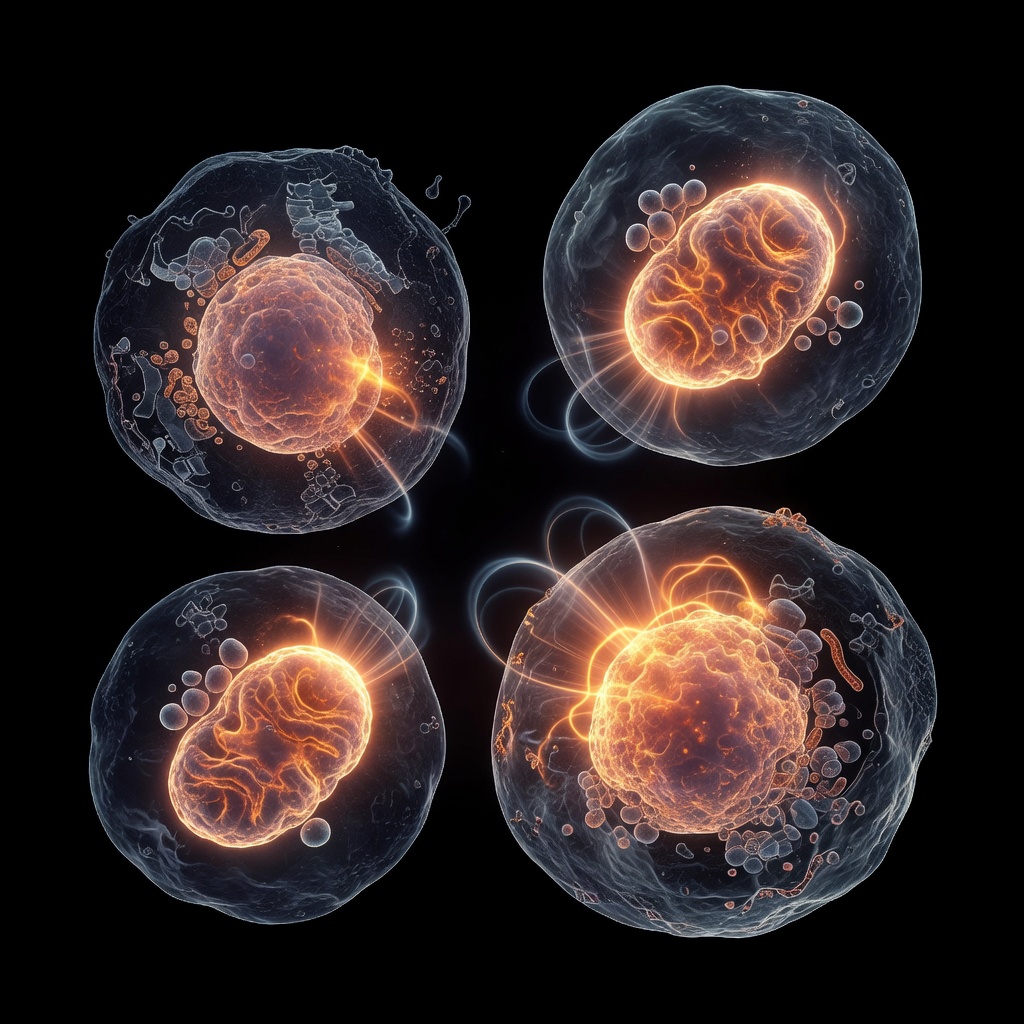
Introduction: The Barrier at the Core of Health. The gastrointestinal tract is not merely a digestive organ; it is a highly selective barrier regulating the influx of nutrients and the exclusion of pathogens. Central to this function are the tight junction (TJ) proteins—a complex network of transmembrane proteins including occludins, claudins, and junctional adhesion molecules. When this network is compromised, we face increased intestinal permeability, or 'leaky gut,' a root cause of systemic inflammation. Emerging research identifies the gut microbiota, particularly through the production of Short-Chain Fatty Acids (SCFAs), as the master regulators of these junctional networks. ### The Mechanics of SCFAs: Beyond Nutrition.
SCFAs—primarily acetate, propionate, and butyrate—are produced via the bacterial fermentation of non-digestible dietary fibers. While often viewed as simple energy sources for colonocytes, their role as signaling molecules is far more critical. Butyrate, in particular, serves as the primary energy source for epithelial cells, but its epigenetic influence is where the true 'innerstanding' lies. ### Epigenetic Modulation of TJ Assembly. SCFAs operate as histone deacetylase (HDAC) inhibitors. By modulating gene expression through HDAC inhibition, butyrate upregulates the expression of Claudin-1 and Occludin genes.
This molecular signal instructs the cells to synthesize the proteins necessary for building a robust barrier. Without adequate SCFA concentration, the turnover of these proteins slows, leading to weakened intracellular spaces that allow endotoxins, such as Lipopolysaccharide (LPS), to translocate into the bloodstream. ### Energy Availability and Barrier Stability. The assembly of tight junctions is an ATP-dependent process. As butyrate is oxidized via mitochondrial beta-oxidation in the colonocyte, it provides the energy currency required for the assembly and maintenance of the TJ protein architecture. Therefore, a deficiency in fiber-rich substrates leads to both a starvation of the epithelial cells and a subsequent failure in the physical architecture of the gut lining. ### Therapeutic Implications for Root-Cause Health.
Addressing leaky gut requires shifting focus from symptomatic treatment toward microbiome cultivation. Increasing dietary fiber diversity directly fuels the production of butyrate, which in turn acts as a biostimulant for the TJ assembly pathways. By targeting the microbiota-derived metabolite profile, we can naturally reinforce the intestinal barrier, mitigating the systemic inflammatory triggers that lead to chronic disease. ### Conclusion. The crosstalk between the gut microbiota and the epithelial barrier is a sophisticated biochemical dialogue. By nurturing our internal ecosystem through prebiotic substrates, we facilitate the production of the SCFAs necessary for the structural integrity of our tight junction networks, ultimately safeguarding our systemic health from the inside out.
This article is provided for informational and educational purposes only. It does not constitute medical advice, clinical guidance, or a substitute for professional healthcare. Information reflects cited research at time of publication. Always consult a qualified healthcare professional before acting on any health information.
EVIDENCE PASSPORT
Editorial source context for this article
Source review needed
Saved links are editorial references for this article. They may support specific claims rather than every sentence. Open and assess each source in context. This passport does not independently verify them.
Editorial context
A complete editorial reading has not been recorded for this article, and no source links are saved on its record.
Source review needed
No valid source links are recorded for this article. Supplementary research, where available, is listed separately below.
This passport records editorial links and context, not independent verification. Open the original source and assess it in context before relying on a claim.
Medical Disclaimer
The information in this article is for educational purposes only and does not constitute medical advice, diagnosis, or treatment. Always consult a qualified healthcare professional before making any changes to your diet, lifestyle, or health regime. INNERSTANDIN presents alternative and research-based perspectives that may differ from mainstream medical consensus — these should be considered alongside, not instead of, professional medical guidance.
Read Full DisclaimerContinue the thread
Keep this question moving.
Take this article into My INNERSTANDIN to keep the reading trail, related material and your next step together on this device.
Explore this in the Body Map
Explore related body structures and their educational pages in the interactive Body Map.
Dig deeper in the Library
Free, longform PDF volumes that go beyond headlines into mechanisms and references.