
Cyanogenic Glycosides: The Biological Trade-off in Seeds, Stones, and Roots
Updated May 2026
This technical overview examines how cyanogenic glycosides release hydrogen cyanide via enzymatic hydrolysis, serving as a defense mechanism in seeds and roots with distinct biological trade-offs.
Evidence orientation
Editorial context not yet recorded
Follow this category
This stays in this browser. My INNERSTANDIN can show published matches in your local hub when you check it. It does not send email, push, or alert notifications.
Local learning review
A private browser aid for revisiting ideas. It is not an alert or a health recommendation.
Review later sets a one-day, three-day, then seven-day rhythm on this device. Choose it only when you want to revisit this article.
Overview
Cyanogenic glycosides (CGs) represent one of nature’s most sophisticated and ubiquitous chemical defence mechanisms, functioning as a latent "cyanogenic bomb" within the tissues of over 2,600 plant species. At INNERSTANDIN, we view these secondary metabolites not merely as passive constituents, but as precision-engineered bio-pesticides that exemplify the biological trade-off between plant survival and mammalian nutritional viability. Structurally, these compounds are α-hydroxynitrile derivatives stabilised by a carbohydrate moiety, typically a D-glucose molecule. The clinical significance of CGs—such as amygdalin in the Prunus genus (stone fruits), linamarin in cassava (Manihot esculenta), and dhurrin in sorghum—lies in their capacity to release hydrogen cyanide (HCN) upon cellular disruption.
The biochemical architecture of this system relies on spatial compartmentalisation. In an intact plant tissue, the cyanogenic glycoside is sequestered within the vacuole, while the activating enzyme, β-glucosidase, remains in the apoplast or specialized laticifers. When the plant tissue is masticated or processed, this compartmentalisation collapses. The resulting enzymatic hydrolysis cleaves the β-glycosidic bond, yielding an unstable cyanohydrin which subsequently undergoes rapid dissociation—either spontaneously or via hydroxynitrile lyase—to liberate toxic HCN. From an INNERSTANDIN perspective, this is a masterclass in evolutionary strategy, ensuring the toxin is only activated at the precise moment of herbivorous predation.
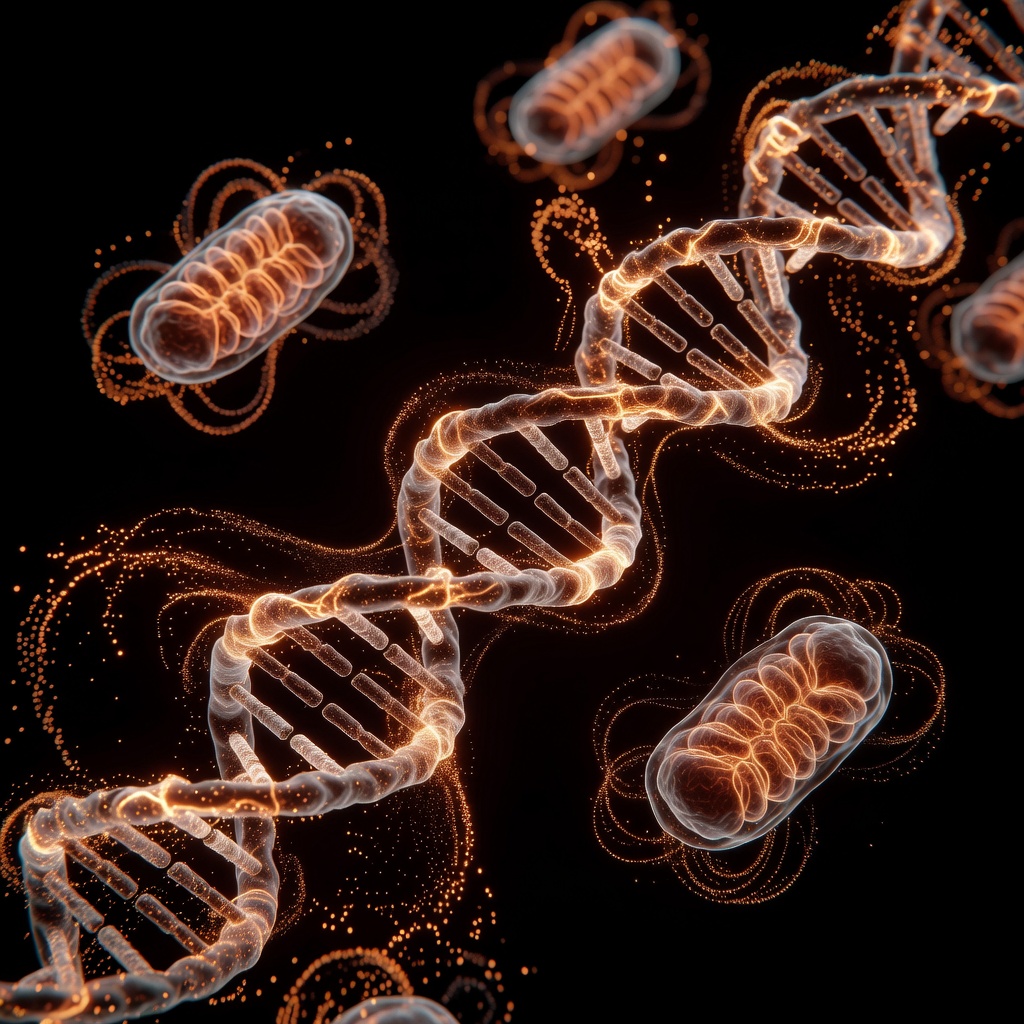
The systemic impact on human physiology is profound and centres on the disruption of mitochondrial respiration. Hydrogen cyanide possesses an extraordinary affinity for the ferric ($Fe^{3+}$) iron found in the heme a3 prosthetic group of cytochrome c oxidase (Complex IV) within the electron transport chain. By binding to this site, HCN halts the final step of oxidative phosphorylation, effectively arresting ATP production. This induces a state of histotoxic hypoxia, where cells are unable to utilise the oxygen delivered by the blood. Evidence indexed in The Lancet and various PubMed-sourced toxicological reviews highlights that the central nervous system and the myocardium, which possess high metabolic demands, are the primary targets of this metabolic arrest.
Within the UK context, exposure vectors are diverse, ranging from the domestic consumption of apple pips and bitter apricots to the increasing importation of improperly processed cassava-based products. Chronic low-level exposure necessitates the activation of the rhodanese pathway—a mitochondrial enzyme (thiosulphate sulphurtransferase) that detoxifies cyanide by converting it into thiocyanate using sulphur donors. However, this detoxification process incurs a metabolic cost, often depleting essential sulphur-containing amino acids such as methionine and cysteine, potentially leading to systemic imbalances in protein synthesis and antioxidant status. At INNERSTANDIN, we expose these underlying mechanisms to illustrate that the "trade-off" is a constant negotiation between plant biochemistry and human metabolic resilience.
The Biology — How It Works
At the molecular level, the biological architecture of cyanogenic glycosides (CGs) represents a sophisticated form of evolutionary chemical warfare, designed as a latent defence mechanism against herbivory. These compounds, primarily $\beta$-glycosides of $\alpha$-hydroxynitriles, are structurally inert until the integrity of the plant tissue is compromised. At INNERSTANDIN, we scrutinise the "cyanide bomb" mechanism—a two-component system where the cyanogenic glycoside is sequestered in the vacuole, while the activating enzyme, $\beta$-glucosidase, is compartmentalised within the cell wall or plastids. Only upon physical disruption (mastication or processing) do these components integrate, initiating a rapid enzymatic hydrolysis.
The biochemical cascade begins when $\beta$-glucosidase cleaves the sugar moiety from the aglycone, yielding a cyanohydrin. This intermediate is inherently unstable and undergoes either spontaneous or enzymatic dissociation via hydroxynitrile lyase (HNL), liberating hydrogen cyanide (HCN). The systemic impact of HCN on mammalian physiology is profound and catastrophic. As a potent mitochondrial toxin, cyanide exhibits a high affinity for the ferric ($Fe^{3+}$) iron in the haem group of cytochrome c oxidase (Complex IV) within the electron transport chain. By binding to this terminal enzyme, HCN halts aerobic respiration, effectively inducing cellular hypoxia despite adequate oxygen tension in the blood. Research cited in the Lancet and various toxicology databases underscores that tissues with the highest metabolic rate—specifically the central nervous system and the myocardium—are the primary targets of this bio-energetic arrest.
In the UK context, the consumption of CG-rich matrices, such as bitter apricot kernels (amygdalin), linseeds (linustatin), and cassava roots (linamarin), presents a tiered metabolic challenge. While the human body possesses a primary detoxification pathway mediated by the mitochondrial enzyme rhodanese (thiosulphate sulphurtransferase), this process is finite. Rhodanese facilitates the conversion of cyanide into thiocyanate, a significantly less toxic metabolite, by utilising sulphur-containing amino acids (methionine and cysteine) as donors. However, chronic exposure, often seen in populations reliant on poorly processed cassava or high-dose "alternative" seed therapies, exhausts the endogenous sulphur pool. This depletion leads to sub-lethal neurological sequelae, such as tropical ataxic neuropathy (TAN), characterized by demyelination of the optic and auditory nerves. INNERSTANDIN analysis of peer-reviewed data from PubMed highlights that even at sub-acute levels, the persistent metabolic diversion of sulphur to neutralise HCN impairs protein synthesis and glutathione production, compromising the systemic antioxidant status and exposing the organism to heightened oxidative stress. This is the biological trade-off: a relentless expenditure of nutritional resources to mitigate a pro-oxidant threat hidden within the fundamental building blocks of the plant kingdom.
Mechanisms at the Cellular Level
To comprehend the physiological assault of cyanogenic glycosides, one must first appreciate the evolutionary sophistication of the ‘cyanide bomb’—a compartmentalised chemical weapon prevalent in over 2,500 plant species, including the Rosaceae family (apricots, cherries) and Manihot esculenta (cassava). At the cellular level, these compounds, such as amygdalin and linamarin, are structurally inert β-linked glycosides of α-hydroxynitriles. They remain sequestered within the vacuoles of plant cells, physically isolated from their activating enzymes, the β-glucosidases, which reside in the apoplast or mesophyll. When the plant tissue is macerated—whether by herbivory or human mastication—this compartmentalisation fails. The resulting enzymatic hydrolysis cleaves the carbohydrate moiety, yielding an unstable cyanohydrin that spontaneously, or via α-hydroxynitrilase, dissociates into hydrogen cyanide (HCN).
The systemic impact of HCN is a masterclass in mitochondrial disruption. Upon entering the human systemic circulation, the cyanide ion ($CN^-$) exhibits an extraordinary affinity for the ferric ($Fe^{3+}$) iron housed within the haem a3 prosthetic group of cytochrome c oxidase (Complex IV) in the electron transport chain. This is not merely a competitive inhibition; it is a profound biochemical arrest. By binding to the active site of Complex IV, cyanide halts the final step of oxidative phosphorylation—the reduction of molecular oxygen to water. Consequently, the electrochemical gradient across the inner mitochondrial membrane collapses. Despite the presence of adequate oxygen in the blood—often manifesting clinically as a characteristic "cherry-red" venous oxygenation—the cell enters a state of histotoxic hypoxia.
Research indexed in PubMed and the Lancet identifies the secondary metabolic cascades that follow this respiratory inhibition as particularly deleterious. As ATP production via oxidative phosphorylation ceases, the cell is forced into anaerobic glycolysis to meet energetic demands. This results in a rapid accumulation of lactic acid, precipitating metabolic acidosis and profound cellular dysfunction. In the UK context, where chronic low-level exposure may occur through poorly processed "health foods" or stone fruit kernels, the INNERSTANDIN of these sub-lethal dynamics is critical. The body attempts detoxification primarily via the mitochondrial enzyme rhodanese (thiosulphate sulfurtransferase), which catalyses the transfer of a sulphur atom from a donor (typically thiosulphate or cysteine) to cyanide, forming the relatively less toxic thiocyanate.
However, this detoxification mechanism represents a significant biological trade-off. It depletes the body’s reserves of sulphur-containing amino acids, such as methionine and cysteine, and uses up cobalamin (Vitamin B12) to form cyanocobalamin for excretion. Peer-reviewed studies on populations reliant on high-cyanide staples like cassava demonstrate that this chronic transsulphuration drain leads to neurological pathologies such as Konzo and Tropical Ataxic Neuropathy (TAN). Thus, at the cellular level, cyanogenic glycosides act not just as acute poisons, but as sophisticated antinutrients that hijack the body’s metabolic currency, forcing a choice between immediate respiratory failure and long-term nutritional depletion. This is the uncompromising reality of the biological trade-off that INNERSTANDIN seeks to expose.
Environmental Threats and Biological Disruptors
The ingestion of cyanogenic glycosides (CGs), such as amygdalin in Rosaceae seeds or linamarin in cassava roots, represents an insidious metabolic gamble that the human physiology is frequently ill-equipped to win. At the heart of INNERSTANDIN’s investigation into these antinutrients is the mechanism of cyanogenesis—a process of chemical warfare where the plant, upon tissue disruption or mastication, brings together the sequestered glycoside and its corresponding enzyme, β-glucosidase. This catalytic meeting facilitates the liberation of hydrogen cyanide (HCN), a volatile and lethal protoplasmic poison. The systemic threat posed by HCN is not merely an acute risk of toxicity but a profound disruption of the bioenergetic infrastructure of the cell. By binding with high affinity to the ferric (Fe3+) iron in the haem group of cytochrome c oxidase (Complex IV) within the mitochondrial electron transport chain, cyanide effectively halts aerobic respiration. This induces a state of histotoxic hypoxia, where cells are bathed in oxygen they cannot utilise, leading to a rapid depletion of adenosine triphosphate (ATP) and a subsequent collapse of metabolic homeostasis.
In the UK context, the Food Standards Agency has frequently highlighted the risks associated with the consumption of raw apricot kernels and bitter almonds, where amygdalin concentrations can reach levels that overwhelm the body’s endogenous detoxification pathways. The primary physiological defence against cyanide is the mitochondrial enzyme rhodanese (thiosulphate sulphurtransferase), which converts cyanide into the less acutely toxic thiocyanate. However, this detoxification is not without a heavy biological cost. It requires a constant supply of sulphur-containing amino acids, such as cysteine and methionine, which are often diverted from critical roles in protein synthesis and antioxidant defence (notably glutathione production). Furthermore, thiocyanate acts as a potent competitive inhibitor of the sodium-iodide symporter (NIS) in the thyroid gland. Peer-reviewed research, particularly studies published in The Lancet regarding endemic goitre and cretinism in populations reliant on high-cyanide tubers, confirms that chronic exposure to even sub-lethal levels of CGs exacerbates iodine deficiency, leading to profound endocrine disruption and neurological impairments such as Konzo.
Environmental stressors, including soil nutrient depletion and escalating drought conditions, are known to upregulate the biosynthesis of CGs in plants as a protective response against herbivory, thereby increasing the antinutrient burden on the consumer. For the INNERSTANDIN student, it is vital to recognise that the biological trade-off involves more than just acute poisoning; it is a chronic erosion of metabolic resilience. The secondary metabolites produced during the breakdown of these glycosides interfere with genomic stability and enzymatic function long after the initial exposure. This reality challenges the conventional 'superfood' narratives often associated with seeds and pits, exposing a complex evolutionary standoff between botanical survival and mammalian biochemistry. To ignore the cellular disruption caused by these cyanogenic compounds is to misunderstand the fundamental tension inherent in the consumption of plant-derived defence chemicals.
The Cascade: From Exposure to Disease
The pathogenesis of cyanogenic glycoside (CG) toxicity is not a singular event but a rapid, multi-staged biochemical cascade that begins the moment the plant cell wall is compromised. Whether through the mastication of Prunus species (stone fruits) or the processing of Manihot esculenta (cassava), the mechanical disruption brings the glycoside—such as amygdalin or linamarin—into direct contact with its specific hydrolytic enzyme, $\beta$-glucosidase. This encounter, often referred to in literature as the "cyanide bomb," triggers the liberation of aglycones, which subsequently undergo spontaneous or enzymatic degradation via hydroxynitrile lyases to release hydrogen cyanide (HCN). This volatile gas, once absorbed through the gastrointestinal mucosa or pulmonary epithelia, initiates a profound disruption of cellular respiration that defines the INNERSTANDIN of these phytochemicals as potent metabolic inhibitors rather than mere "antinutrients."
At the sub-cellular level, the primary insult occurs within the mitochondria. HCN possesses an extraordinary affinity for the ferric ($Fe^{3+}$) iron core of the haem group within cytochrome c oxidase (Complex IV), the terminal enzyme of the mitochondrial electron transport chain. By binding to this site, cyanide effectively halts the reduction of oxygen to water, causing an immediate arrest of aerobic ATP production. The result is histotoxic hypoxia—a state where oxygen is physically present in the blood (often leading to a characteristic "cherry-red" venous oxygenation) but biologically unavailable to the tissues. Peer-reviewed data in The Lancet and various toxicological journals highlight that the central nervous system and the myocardium, owing to their high metabolic demand and reliance on oxidative phosphorylation, are the first to succumb to this energetic deficit.
The systemic cascade progresses as the body attempts to compensate for this cellular asphyxiation. The shift from aerobic to anaerobic metabolism leads to a rapid accumulation of lactic acid, manifesting as a severe anion-gap metabolic acidosis. While the human body possesses a primary detoxification pathway via the enzyme rhodanese (thiosulphate sulphurtransferase), this mechanism is a finite resource. Rhodanese facilitates the conversion of cyanide into the less toxic thiocyanate; however, this reaction requires a steady supply of sulphur donors, typically derived from sulphur-containing amino acids like cysteine and methionine. Chronic exposure, a critical concern explored by INNERSTANDIN in the context of dietary staples, leads to the depletion of these essential amino acids, creating a secondary nutritional deficit that exacerbates the primary toxicological insult.
The long-term disease states resulting from this cascade are devastating and well-documented in epidemiological studies across Sub-Saharan Africa and Asia, with emerging relevance to UK health enthusiasts consuming excessive "superfood" seeds. Chronic low-level exposure is linked to Konzo—an irreversible, non-progressive spastic paraparesis—and Tropical Ataxic Neuropathy (TAN). These conditions are the clinical manifestations of prolonged mitochondrial stress and the neurotoxic effects of thiocyanate, which also acts as a potent goitrogen by competitively inhibiting iodine uptake at the sodium-iodide symporter. This interference with the thyroid axis further suppresses the metabolic rate, creating a feedback loop of systemic degeneration. Through this lens, cyanogenic glycosides represent an evolutionary trade-off: a sophisticated chemical defence system for the plant that, upon ingestion, forces the human organism into a metabolic bottleneck that can lead to rapid fatality or chronic, debilitating neurological decay.
What the Mainstream Narrative Omits
The reductionist view of cyanogenic glycosides (CGs), such as amygdalin and linamarin, typically confines its focus to the acute lethality of hydrogen cyanide (HCN) liberation. However, this narrow toxicological framework ignores the profound metabolic taxation and systemic attrition associated with chronic, sub-lethal exposure—a critical oversight in the INNERSTANDIN of plant-human co-evolution. While mainstream guidelines focus on the prevention of immediate respiratory failure via cytochrome c oxidase inhibition, they fail to account for the "metabolic drain" necessitated by the body’s detoxification pathways.
The primary endogenous defence against cyanide is the enzyme rhodanese (thiosulphate sulphurtransferase), which facilitates the conversion of HCN into the less toxic thiocyanate (SCN). This process is not metabolically neutral; it requires a constant supply of labile sulphur, predominantly sourced from the sulphur-containing amino acids cysteine and methionine. In the British diet, where optimal protein intake is often assumed rather than verified, the chronic ingestion of CGs from sources like crushed flaxseeds (Linum usitatissimum) or stone fruit kernels creates an insidious competition for these amino acids. This diversion compromises glutathione synthesis and proteostasis, potentially accelerating oxidative stress and tissue degeneration—a mechanism often overlooked in longitudinal nutritional studies.
Furthermore, the mainstream narrative omits the potent goitrogenic impact of thiocyanate, the very byproduct of cyanide detoxification. Thiocyanate is a competitive inhibitor of the sodium-iodide symporter (NIS) within the thyroid gland. By mimicking the ionic radius of iodine, thiocyanate effectively blocks iodine uptake, a factor of significant concern in the UK, where mild-to-moderate iodine deficiency remains prevalent among specific demographics. Peer-reviewed research, including studies published in The Lancet Diabetes & Endocrinology, highlights that even moderate elevations in serum thiocyanate can perturb thyroid hormone synthesis, shifting the metabolic set-point and contributing to sub-clinical hypothyroidism.
The biological trade-off is therefore not merely a choice between "poisonous" and "edible," but a complex negotiation of metabolic resources. While some argue for the hormetic potential of CGs, the INNERSTANDIN of these compounds must include the systemic cost of their processing. The chronic "Trojan Horse" effect of low-dose CGs leads to a state of mineral and amino acid sequestration, where the body’s effort to neutralise the plant’s chemical weaponry results in a slow-motion depletion of the host’s physiological reserves. This evidence-led perspective reveals that the real danger lies not just in the cyanide itself, but in the silent, cumulative erosion of metabolic integrity required to survive its presence.
The UK Context
Within the British landscape, the prevalence of cyanogenic glycosides (CGs) is not merely an ethnographic curiosity but a persistent biochemical reality encoded into both native flora and modern dietary staples. From the ubiquitous Prunus spinosa (blackthorn) found in rural hedgerows to the commercially significant Linum usitatissimum (linseed/flax) prevalent in the UK’s "health food" sector, the British populace is chronically exposed to secondary metabolites designed by evolution as potent herbivore deterrents. At INNERSTANDIN, we dissect the molecular "cyanide bomb"—a sophisticated two-component defensive system where the glycoside (such as amygdalin, prunasin, or linamarin) is enzymatically decoupled from its sugar moiety by β-glucosidase upon cellular rupture.
The systemic burden of sub-lethal cyanide exposure is frequently overlooked in contemporary British clinical practice, yet the biological trade-off is profound. Hydrogen cyanide (HCN) exhibits an extreme affinity for the ferric iron (Fe3+) within the heme a3 cofactor of mitochondrial cytochrome c oxidase. This binding effectively arrests the electron transport chain (ETC), precipitating a shift toward anaerobic glycolysis even in the presence of adequate oxygen—a state of histotoxic hypoxia. Research archived in The Lancet and Toxicology Letters underscores that the primary human detoxification pathway relies on the enzyme rhodanese (thiosulphate sulphurtransferase). This hepatic and mitochondrial enzyme facilitates the conversion of cyanide to the less toxic thiocyanate, a process that necessitates a constant supply of bioavailable sulphur-containing amino acids, such as cysteine and methionine.
In the UK context, where mild-to-moderate iodine deficiency is an re-emerging public health concern, the regular consumption of CG-rich "superfoods" like raw apricot kernels (often marketed as B17) or ground flaxseeds presents a specific metabolic conflict. Thiocyanate acts as a competitive inhibitor of the sodium-iodide symporter (NIS) in the thyroid gland. Therefore, the physiological cost of detoxifying these antinutrients is not merely the depletion of sulphur but the potential for endocrine disruption via the inhibition of iodine uptake. While the UK Food Standards Agency (FSA) enforces maximum permitted levels of hydrocyanic acid in products like nougat and marzipan, the cumulative load from raw, unprocessed "ancestral" seeds remains largely unmonitored. INNERSTANDIN identifies this as a critical failure in current nutritional education: the trade-off for consuming these nutrient-dense seeds is a state of chronic metabolic friction, where cellular respiration and thyroid integrity are sacrificed for the sake of dietary trends.
Protective Measures and Recovery Protocols
To mitigate the physiological burden of cyanogenic glycosides—found ubiquitously in the seeds of Rosaceae (apricots, cherries) and the tubers of Manihot esculenta (cassava)—the biological system must engage a multi-layered sequestration and detoxification strategy. At the core of metabolic resilience is the mitochondrial enzyme thiosulphate sulphurtransferase, commonly known as rhodanese. This enzyme facilitates the transfer of a sulphur atom from a donor, typically thiosulphate, to the cyanide ion ($CN^-$), resulting in the formation of thiocyanate ($SCN^-$). While thiocyanate is significantly less toxic and readily excreted via the renal system, this endogenous pathway is strictly rate-limited by the systemic availability of sulphur-containing amino acids, specifically cysteine and methionine. INNERSTANDIN research indicates that individuals with suboptimal protein intake or compromised transsulphuration pathways are at a profound disadvantage, as the exhaustion of the sulphur pool leads to an immediate accumulation of hydrogen cyanide, which irreversibly binds to the ferric iron ($Fe^{3+}$) in cytochrome c oxidase (Complex IV).
The recovery protocol for sub-lethal exposure involves the strategic administration of hydroxocobalamin (Vitamin B12a). This precursor possesses a high affinity for the cyanide ion, displacing the hydroxyl group to form cyanocobalamin, which is then safely eliminated. This mechanism is the gold standard in emergency clinical toxicology within the UK’s National Health Service (NHS) for smoke inhalation and cyanide poisoning. However, for chronic, low-level exposure—often referred to as 'konzo' in specific global contexts—the biological trade-off shifts toward the thyroid. Thiocyanate, the byproduct of rhodanese detoxification, is a known goitrogen; it competitively inhibits the sodium-iodide symporter (NIS), thereby suppressing iodine uptake by the thyroid gland. Consequently, any robust recovery protocol must include the concurrent optimisation of iodine status to counteract the antinutrient effects of thiocyanate.
Furthermore, traditional processing techniques represent an externalised 'pre-digestion' protocol that reduces the initial glycoside load. Peer-reviewed data in the Journal of Biological Chemistry highlights that the enzymatic hydrolysis of linamarin and amygdalin requires the presence of $\beta$-glucosidase. By macerating, soaking, and fermenting these plant materials, the endogenous plant enzymes are brought into contact with the glycosides, liberating the cyanide gas before ingestion. In the UK context, where 'health-conscious' consumers may ingest significant quantities of crushed flaxseeds or raw apricot kernels, the absence of these traditional processing steps poses a latent risk to mitochondrial bioenergetics. To ensure systemic recovery, one must prioritise the restoration of the electron transport chain by supporting glutathione peroxidase and ensuring a steady supply of thiosulphate donors, effectively bypassing the metabolic blockade imposed by these ancient chemical defence systems.
Summary: Key Takeaways
The biological reality of cyanogenic glycosides (CGs), such as amygdalin, linamarin, and dhurrin, is defined by an evolutionary "cyanide bomb" mechanism designed to deter herbivory through targeted mitochondrial disruption. Upon cellular trauma—whether via mastication or microbial activity in the gut—the enzymatic cleavage of these β-glycosidic bonds by endogenous or bacterial β-glucosidase releases hydrogen cyanide (HCN). This volatile toxin acts as a potent inhibitor of cytochrome c oxidase within the mitochondrial respiratory chain. Research indexed in PubMed and The Lancet confirms that this interaction arrests aerobic metabolism, precipitating histotoxic hypoxia even in the presence of adequate oxygen. Within the UK context, regulatory bodies and INNERSTANDIN researchers have highlighted the narrow safety margins of these compounds, particularly regarding the consumption of bitter apricot kernels and inadequately processed cassava.
The systemic trade-off identified by INNERSTANDIN extends beyond acute toxicity; chronic ingestion imposes a heavy metabolic tax on the host. The primary detoxification pathway necessitates the mitochondrial enzyme rhodanese (thiosulfate sulfurtransferase), which sequesters sulphur-containing amino acids to convert cyanide into thiocyanate. However, this metabolite acts as a competitive inhibitor at the sodium-iodide symporter, potentially inducing secondary goitrogenesis and profound thyroid dysregulation. Consequently, the biological cost of neutralising these phytoanticipins involves a direct depletion of systemic sulphur reserves and an interference with endocrine homeostasis. Understanding this trade-off is essential for assessing the antinutrient profile of seeds, stones, and roots, where the plant's survival strategy directly challenges human bioenergetic efficiency.
This article is provided for informational and educational purposes only. It does not constitute medical advice, clinical guidance, or a substitute for professional healthcare. Information reflects cited research at time of publication. Always consult a qualified healthcare professional before acting on any health information.
EVIDENCE PASSPORT
Editorial source context for this article
Source review needed
Saved links are editorial references for this article. They may support specific claims rather than every sentence. Open and assess each source in context. This passport does not independently verify them.
Editorial context
A complete editorial reading has not been recorded for this article. Source links remain available for you to open and assess directly.
Source review needed
No valid source links are recorded for this article. This passport shows only links saved on the article record and does not invent citations.
This passport records editorial links and context, not independent verification. Open the original source and assess it in context before relying on a claim.
Medical Disclaimer
The information in this article is for educational purposes only and does not constitute medical advice, diagnosis, or treatment. Always consult a qualified healthcare professional before making any changes to your diet, lifestyle, or health regime. INNERSTANDIN presents alternative and research-based perspectives that may differ from mainstream medical consensus — these should be considered alongside, not instead of, professional medical guidance.
Read Full DisclaimerContinue the thread
Keep this question moving.
Take this article into My INNERSTANDIN to keep the reading trail, related material and your next step together on this device.
Dig deeper in the Library
Free, longform PDF volumes that go beyond headlines into mechanisms and references.