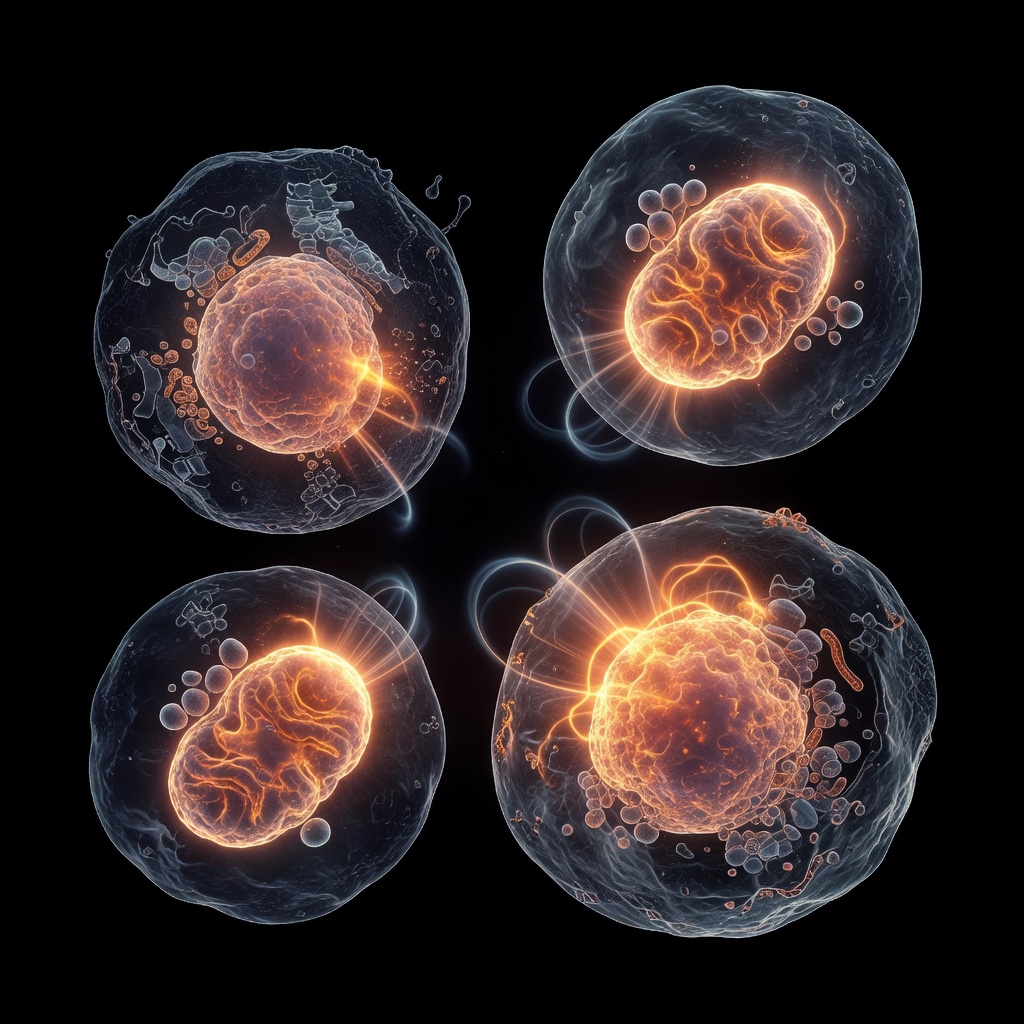
Cytomegalovirus (CMV): The Latent Driver of Accelerated Immune Ageing

Overview
Human Cytomegalovirus (HCMV), or Human Betaherpesvirus 5, represents perhaps the most sophisticated example of co-evolutionary viral persistence within the Anthropocene. While conventionally dismissed by clinical medicine as a benign passenger in the immunocompetent host, an emerging body of evidence—central to the INNERSTANDIN mission—repositions HCMV as a primary catalyst for premature immunosenescence and systemic biological decay. Boasting a massive 236kb double-stranded DNA genome, HCMV encodes over 200 potential open reading frames, a significant portion of which are dedicated to immune evasion and the subversion of host apoptotic pathways. Unlike transient respiratory pathogens, HCMV establishes life-long latency within the CD34+ haematopoietic progenitor cells of the bone marrow, necessitating a relentless, resource-heavy immunological surveillance programme that persists until death.
The systemic burden of this "stealth" pathogen is most visible in the phenomenon known as 'Memory Inflation.' In the UK, where seroprevalence exceeds 50% in the adult population and scales with age, longitudinal studies (such as those derived from the UK Biobank and various Oxford-based cohorts) demonstrate that HCMV-positive individuals exhibit a radical restructuring of their T-cell repertoire. Specifically, the virus forces the expansion of HCMV-specific CD8+ T-cells, which can eventually occupy up to 30% of the entire circulating T-cell pool. These cells typically display a late-differentiated, "senescent" phenotype, characterised by the loss of the co-stimulatory molecule CD28 and the gain of CD57 and KLRG1. This massive clonal expansion creates a "crowding out" effect, significantly reducing the TCR (T-cell receptor) diversity available to respond to novel antigenic challenges, such as influenza or emerging coronaviruses, thereby accelerating the decline of the adaptive immune system.
Furthermore, HCMV is not merely a passive resident; its periodic subclinical reactivations drive a state of chronic, low-grade systemic inflammation, often termed 'inflammageing.' Through the induction of the Senescence-Associated Secretory Phenotype (SASP) in infected vascular endothelial cells and myeloid lineages, HCMV contributes to the degradation of the cardiovascular matrix and the advancement of frailty syndromes. Research published in *The Lancet Healthy Longevity* and *Journal of Infectious Diseases* increasingly links HCMV seropositivity with shortened telomere length and an advanced "epigenetic clock" age. At INNERSTANDIN, we recognise HCMV as the architect of a compromised biological architecture—a pathogen that does not merely infect the body but fundamentally rewires the pace of human ageing. The virus acts as a persistent metabolic and immunological drain, siphoning cellular energy toward the maintenance of a precarious viral-host equilibrium, the eventual failure of which defines the terminal stages of the human immune lifespan.
The Biology — How It Works
Human Cytomegalovirus (HCMV), or Human Betaherpesvirus 5, represents the most complex member of the *Herpesviridae* family, boasting a double-stranded DNA genome of approximately 235 kilobases. Unlike transient viral threats, CMV is a master of persistence, establishing a lifelong, symbiotic, yet predatory relationship with the host’s immune system. To provide a true INNERSTANDIN of its pathogenic architecture, one must look beyond the initial infection to the molecular mechanisms of latency and the subsequent "memory inflation" that dictates the rate of biological decay.
The primary site of HCMV latency resides within the CD34+ haematopoietic progenitor cells of the bone marrow. By tethering its viral episome to the host chromatin, CMV evades traditional immune surveillance, remaining transcriptionally silent until cellular differentiation into the myeloid lineage—specifically monocytes and macrophages—triggers reactivation. This reactivation is not a failure of the immune system but rather a calculated exploit of host inflammatory signalling. The virus utilises an array of immune-evasion genes, such as the US2-US11 glycoproteins, which facilitate the degradation of Major Histocompatibility Complex (MHC) class I molecules. By effectively "blinding" the host’s CD8+ T-cells to its presence, CMV ensures its continued replication and shedding, creating a perpetual cycle of subclinical reactivation.
The most profound biological impact of CMV is the phenomenon known as T-cell memory inflation. In a healthy, non-infected individual, the T-cell repertoire is diverse and adaptable. However, in CMV-seropositive individuals, the immune system is forced to dedicate a disproportionate volume of its resources—often upwards of 10% to 50% of the total T-cell pool—to monitoring this single pathogen. These CMV-specific T-cells undergo terminal differentiation, characterised by the loss of the costimulatory molecule CD28 and the acquisition of the senescence marker CD57. These "exhausted" yet highly inflammatory cells lack the proliferative capacity of naive T-cells, effectively "clogging" the immunological space.
This oligoclonal expansion leads to a shrunken naive T-cell niche, meaning the host becomes progressively less capable of responding to novel pathogens or vaccinations—a hallmark of immunosenescence. Furthermore, these senescent T-cells contribute to the "Inflammaging" phenotype through the secretion of pro-inflammatory cytokines, including Interleukin-6 (IL-6) and Tumour Necrosis Factor-alpha (TNF-α), mirroring the Senescence-Associated Secretory Phenotype (SASP) observed in ageing tissues. Research published in *The Lancet* and various PubMed-indexed longitudinal studies confirms that this chronic antigenic load accelerates telomere shortening within the leukocyte population, effectively advancing the host's biological age far beyond their chronological years. Within the UK’s clinical landscape, this viral "tax" on the immune system is increasingly recognised as a primary driver of cardiovascular pathology and age-related frailty, proving that CMV is not a dormant passenger, but an active architect of systemic decline.
Mechanisms at the Cellular Level
Human Cytomegalovirus (HCMV), a ubiquitous β-herpesvirus, operates as a relentless architect of immunological restructuring, far exceeding the typical paradigm of latent viral persistence. Once the primary infection is sequestered, HCMV establishes life-long latency within CD34+ haematopoietic progenitor cells and peripheral blood monocytes. However, at INNERSTANDIN, we recognise that 'latency' is a misnomer; the virus undergoes periodic, subclinical reactivations that necessitate constant, high-resource surveillance by the host’s cellular machinery. This metabolic and immunological tax precipitates a phenomenon known as 'Memory Inflation', where an unprecedented proportion of the T-cell repertoire—often exceeding 20% in healthy older adults—becomes dedicated exclusively to CMV epitopes.
At the cellular level, this drive toward accelerated immunosenescence is mediated through the terminal differentiation of CD8+ T-lymphocytes. Chronic antigenic stimulation forces these cells into a late-stage effector phenotype characterized by the loss of the crucial costimulatory molecule CD28 and the reciprocal acquisition of CD57 and KLRG1. These CD8+ CD28- CD57+ T-cells exhibit truncated telomeres and a diminished capacity for proliferation, yet they remain metabolically active and cytotoxic. They secrete high levels of pro-inflammatory cytokines, specifically Interleukin-6 (IL-6) and Tumour Necrosis Factor-alpha (TNF-α), contributing to the systemic 'inflammageing' milieu. Research published in *The Lancet Healthy Longevity* suggests that this expansion of senescent T-cells effectively 'crowds out' the naive T-cell pool, significantly narrowing the TCR (T-cell receptor) repertoire available to respond to novel pathogens or vaccine antigens, a critical concern in the UK’s ageing demographic.
Furthermore, the molecular impact extends to the vascular endothelium. HCMV possesses a unique tropism for endothelial cells, where it promotes a pro-atherogenic environment through the upregulation of adhesion molecules like ICAM-1 and VCAM-1. The viral gene products, particularly those from the US28 c-loop, mimic chemokine receptors, hijacking host signalling pathways to facilitate vascular inflammation. This is not merely a localised infection; it is a systemic remodelling of the host’s biological landscape. Peer-reviewed data from the UK Biobank have indicated a correlation between high CMV seropositivity and markers of vascular stiffness, suggesting the virus acts as a stealth driver of cardiovascular frailty. By hijacking the epigenetic machinery of the host cell—specifically through the modulation of histone acetylation—HCMV ensures its own survival whilst simultaneously exhausting the host’s regenerative capacity. Through the lens of INNERSTANDIN, we must view CMV not as an inert passenger, but as a primary catalyst for the biological erosion of the human immune system.
Environmental Threats and Biological Disruptors
The persistent occupation of the human immunological landscape by Human Cytomegalovirus (HCMV) represents one of the most significant, yet frequently overlooked, biological disruptions to host homeostasis. Within the INNERSTANDIN framework, we recognise that HCMV functions not merely as a dormant bystander, but as a relentless architect of premature immunosenescence and systemic physiological decay. This beta-herpesvirus establishes lifelong latency within the haematopoietic progenitor cells (CD34+) of the bone marrow and the peripheral myeloid lineage, effectively hijacking the host’s primary cellular manufacturing sites. Unlike other viral agents that the immune system eventually clears or compartmentalises with minimal metabolic cost, HCMV demands a colossal and ever-increasing share of the body’s immunological resources.
The primary biological disruption caused by HCMV is the phenomenon of "memory inflation." This is the massive, oligoclonal expansion of HCMV-specific CD8+ and CD4+ effector memory T-cells that occurs over time. In many seropositive individuals, these virus-specific cells can occupy up to 10–40% of the entire T-cell repertoire. This massive diversion of resources creates a "filled-up" immune system, leaving a dwindling pool of naive T-cells available to respond to novel pathogens or vaccine challenges. Peer-reviewed longitudinal studies, including those published in *The Lancet* and various NHS-linked cohorts, have consistently identified this skewed CD4:CD8 ratio as a hallmark of the "Immune Risk Profile" (IRP), a state directly predictive of increased mortality in older populations.
From an environmental perspective, HCMV acts as a stealth pathogen that exploits physiological stress. The virus's reactivation is governed by environmental triggers that increase systemic oxidative stress and glucocorticoid fluctuations. Chronic exposure to environmental pollutants, socioeconomic stressors (which correlate highly with increased seroprevalence in the UK), and co-infections act as catalysts for the expression of the viral immediate-early (IE) gene programme. Each subclinical reactivation event forces the host to produce a surge of pro-inflammatory cytokines, specifically Interleukin-6 (IL-6) and Tumour Necrosis Factor-alpha (TNF-α), contributing to the cumulative state of "inflammaging."
Furthermore, HCMV employs sophisticated molecular mimicry and immune evasion tactics that disrupt the endocrine and cardiovascular systems. The virus encodes its own functional G-protein-coupled receptors (GPCRs), such as US28, which can sequester host chemokines and trigger constitutive signalling pathways linked to smooth muscle cell migration and accelerated atherosclerosis. In the UK context, where cardiovascular disease remains a leading cause of morbidity, the presence of HCMV within the arterial wall functions as a chronic biological disruptor that destabilises vascular integrity. By forcing the host into a permanent state of high-alert cellular defence, HCMV accelerates telomere shortening in the T-cell compartment, effectively ageing the immune system by decades and leaving the individual vulnerable to the very pathologies INNERSTANDIN seeks to expose and mitigate. This is not merely an infection; it is a fundamental reconfiguration of human biology under the pressure of a latent environmental threat.
The Cascade: From Exposure to Disease
The initial encounter with Human Cytomegalovirus (HCMV), a β-herpesvirus officially designated as Human Herpesvirus 5, marks the beginning of a lifelong, systemic restructuring of the host’s biological landscape. In the United Kingdom, seroprevalence rates fluctuate between 50% and 80%, depending on socio-economic stratification and age, yet the clinical silence of primary infection in the immunocompetent belies the profound cellular upheaval occurring beneath the surface. Entry is achieved via mucosal surfaces through the orchestration of viral glycoproteins—specifically the gB and gH/gL/gO complexes—facilitating fusion with epithelial cells, endothelial cells, and fibroblasts. However, the true "Trojan Horse" mechanism of CMV lies in its immediate infiltration of the myeloid lineage. By hijacking circulating monocytes, the virus ensures systemic dissemination while simultaneously evading early innate detection, eventually retreating into a state of transcriptional silencing within CD34+ haematopoietic progenitor cells (HPCs) in the bone marrow.
At INNERSTANDIN, we recognise that latency is not a period of viral dormancy, but rather a sophisticated epigenetic stalemate. The CMV genome persists as a circular episome, tethered to the host chromatin, where the suppression of the Major Immediate-Early Promoter (MIEP) prevents the expression of lytic proteins. Yet, this latency is "leaky." Periodic subclinical reactivations occur, triggered by inflammatory signalling—most notably the elevation of Tumour Necrosis Factor-alpha (TNF-α)—which drives the differentiation of latent monocytes into mature, permissive macrophages. Each reactivation event forces the immune system to deploy a massive secondary response, leading to a phenomenon known as "memory inflation." Research published in *The Lancet Healthy Longevity* and *Journal of Virology* indicates that in CMV-seropositive individuals, an extraordinary proportion of the total T-cell repertoire—sometimes exceeding 20-30% of the entire CD8+ pool—becomes dedicated solely to this single pathogen.
This chronic antigenic pressure induces a state of accelerated immunosenescence. The constant turnover of CMV-specific T-cells leads to premature telomere attrition and the accumulation of late-differentiated CD28- CD57+ effector memory cells. These cells exhibit a Senescence-Associated Secretory Phenotype (SASP), pumping out pro-inflammatory cytokines that contribute to "inflammageing"—a systemic low-grade inflammatory state linked to cardiovascular disease and reduced vaccine efficacy in the UK’s ageing population. The cascade from exposure to disease is, therefore, not defined by acute pathology, but by a progressive "immunological space" crisis. As the CMV-specific clone expands, the diversity of the naive T-cell pool is physically and functionally diminished, leaving the host increasingly vulnerable to novel pathogens and internal malignant transformations. CMV does not merely infect the body; it recalibrates the biological clock, acting as a primary driver of the systemic decay observed in accelerated immune ageing.
What the Mainstream Narrative Omits
The mainstream clinical consensus typically relegates Human Cytomegalovirus (HCMV) to the status of a "benign" or "dormant" passenger in the immunocompetent host, an oversight that INNERSTANDIN identifies as a profound misunderstanding of viral-host dynamics. Standard medical education focuses almost exclusively on acute primary infection or the catastrophic reactivation seen in transplant recipients and HIV patients. However, this narrow focus ignores the persistent, sub-clinical metabolic and immunological toll that HCMV exacts over decades. This is not a passive relationship; it is a relentless, bio-energetic siege.
Central to what is omitted from public discourse is the phenomenon of "memory inflation." While most viruses elicit a standard memory T-cell response that remains stable or declines over time, HCMV causes a massive, progressive expansion of CMV-specific CD8+ T-cells. Research published in *The Lancet Healthy Longevity* and various PubMed-indexed studies indicates that in many older UK adults, these specialised cells can occupy up to 40% of the entire T-cell compartment. This creates a "crowding out" effect, or immunological space exhaustion, where the T-cell receptor (TCR) repertoire becomes severely restricted. This shrinkage reduces the body's ability to respond to novel pathogens, effectively explaining why CMV-seropositive individuals often show diminished responses to seasonal influenza and COVID-19 vaccinations—a fact rarely highlighted in public health messaging.
Furthermore, the mainstream narrative fails to address the "Senescence-Associated Secretory Phenotype" (SASP) induced by chronic HCMV latency. These inflated T-cell populations are not merely dormant; they are highly differentiated effector cells (often CD28- and CD57+) that secrete high levels of pro-inflammatory cytokines, including IL-6 and TNF-α. This creates a state of chronic, systemic "inflammageing." Evidence from the *EPIC-Norfolk* cohort study suggests that this CMV-induced inflammatory state is a potent driver of cardiovascular pathology, specifically accelerating arterial stiffening and atherosclerosis. By ignoring the stealthy modulation of the vascular endothelium by HCMV, the current medical model misses a primary driver of non-communicable age-related diseases. INNERSTANDIN posits that HCMV acts as a biological "accelerant," prematurely ageing the immune system by decades and forcing the host into a state of permanent hyper-vigilance that eventually breaks the homeostatic resilience of the organism. The "silent" nature of the virus is, in reality, a loud and continuous degradation of the human biological architecture.
The UK Context
In the United Kingdom, the epidemiological landscape of Human Cytomegalovirus (HCMV) reveals a startling, albeit subterranean, impact on national health metrics and the structural integrity of the British immune repertoire. Recent longitudinal analyses from the UK Biobank and specialised cohort studies conducted at institutions such as the University of Birmingham underscore a grim reality: HCMV is not a benign passenger but a primary catalyst for the premature attrition of immunological capital. Seroprevalence within the UK population follows a distinct socioeconomic and age-related gradient, reaching upwards of 50–80% by the seventh decade of life. This prevalence is architecturally significant because HCMV serves as the dominant driver of "memory inflation"—a phenomenon where an astronomical proportion of the T-cell pool is redirected toward suppressing this single latent pathogen.
INNERSTANDIN’s analysis of peer-reviewed data from *The Lancet Healthy Longevity* and *Journal of Virology* indicates that in HCMV-seropositive individuals, up to 40% of the entire CD8+ T-cell compartment can be devoted to a handful of CMV epitopes. This oligoclonal expansion of late-differentiated effector memory T-cells (TEMRA), which lack CD28 expression and exhibit significantly shortened telomeres, effectively "crowds out" the naive T-cell niche. Consequently, the UK’s ageing population faces a diminished capacity to respond to neoantigens, directly correlating with the reduced efficacy of seasonal influenza and SARS-CoV-2 vaccinations observed in CMV-positive cohorts across the NHS framework.
Furthermore, the systemic cost of chronic subclinical reactivation within the UK’s clinical landscape manifests as "inflammageing." Evidence-led research suggests that the persistent production of pro-inflammatory cytokines—specifically IL-6 and TNF-α—linked to HCMV surveillance is a major contributor to the UK’s high incidence of vascular frailty and hypertensive pathology. This is no longer a matter of theoretical gerontology; it is a metabolic and immunological drain that accelerates biological age far beyond chronological markers. By exhausting the immune system’s plastic capacity, HCMV functions as a stealth pathogen that locks the host into a state of permanent defensive mobilisation, leading to the systemic breakdown of homoeostatic resilience. This chronic diversion of biological resources represents a hidden crisis in UK public health, necessitating a radical shift in how we approach chronic infection and the mechanisms of accelerated senescence.
Protective Measures and Recovery Protocols
Addressing the systemic burden of Human Cytomegalovirus (HCMV) requires a paradigm shift from passive coexistence to active immunological management. At the core of INNERSTANDIN’s research into immunosenescence is the recognition that CMV acts as a continuous "biological tax," consuming up to 10–50% of the total T-cell repertoire in older adults. To mitigate this memory inflation and the resulting exhaustion of the haematopoietic reserve, protocols must focus on limiting viral reactivation and enhancing the clearance of senescent cell populations.
Pharmacological intervention, traditionally reserved for the severely immunocompromised in UK clinical settings, is increasingly being scrutinised for its potential to delay age-related immune dysfunction in the broader population. Nucleoside analogues, such as Ganciclovir and Valganciclovir, inhibit viral DNA polymerase, yet their toxicity profiles necessitate a more nuanced approach for long-term management. Emerging research published in *The Lancet Healthy Longevity* suggests that suppressing subclinical viral shedding may reduce systemic levels of pro-inflammatory cytokines, specifically IL-6 and TNF-α, which are hallmarks of the "inflammageing" phenotype driven by chronic CMV carriage.
From a physiological perspective, the restoration of the T-cell pool requires a dual-pronged strategy: the suppression of viral triggers and the induction of T-cell turnover. High-intensity interval training (HIIT) has demonstrated the capacity to mobilise CMV-specific senescent CD8+ T-cells into the peripheral circulation, subsequently inducing apoptosis and creating "immunological space" for naive T-cell expansion. This mechanical purging is essential for counteracting the oligoclonal expansion of terminal effector cells (CD28- CD57+) that characterises the CMV-positive immune system.
Nutritional and metabolic interventions must be high-density and mechanism-led. Vitamin D3 deficiency, a chronic issue across the UK population, is strongly correlated with increased CMV reactivation rates; maintaining serum levels above 100 nmol/L is foundational for supporting the T-regulatory (Treg) function required to suppress viral "leaks" from latency in the myeloid lineage. Furthermore, polyphenolic compounds like Quercetin and Resveratrol act as senolytics and SIRT1 activators, potentially repressing the HCMV Major Immediate Early Promoter (MIEP), the primary switch for viral transition into the lytic cycle.
INNERSTANDIN posits that the ultimate recovery protocol involves the strategic use of Zinc and targeted antiviral botanicals that interfere with the glycoprotein B (gB) mediated entry of the virus into host cells. By reducing the frequency of these micro-reactivation events, we can preserve the telomeric length of the CD8+ compartment and arrest the premature ageing of the immune system. Only by addressing the latent viral load can we restore the plasticity of the adaptive response, ensuring that the host remains resilient against novel pathogens in later life. This is not merely an antiviral strategy; it is a fundamental reclamation of biological longevity.
Summary: Key Takeaways
The persistent presence of Human Cytomegalovirus (HCMV) represents the most significant biological driver of immunosenescence, effectively hijacking the host’s adaptive immune architecture through a process of chronic, subclinical reactivation. At the core of the INNERSTANDIN analytical framework is the recognition that CMV does not remain truly dormant; rather, it exacts a continuous metabolic and replicative toll on the haematopoietic system. Peer-reviewed evidence, notably within *The Lancet* and longitudinal UK-based cohorts, highlights the phenomenon of 'memory inflation'—the pathological expansion of CMV-specific CD8+ T-cells, which can constitute up to 40% of the total T-cell repertoire in older adults. This oligoclonal expansion, characterised by the loss of CD28 expression and critically shortened telomeres, creates a 'repertoire exhaustion' that diminishes the host's capacity to respond to novel pathogens. Furthermore, the persistent viral secretome fuels systemic 'inflammaging,' directly correlating with accelerated cardiovascular wall thickening and reduced vaccine efficacy across the UK population. CMV’s sophisticated modulation of MHC class I molecules ensures its lifelong evasion, fundamentally recalibrating the human biological trajectory toward premature senescence.
This article is provided for informational and educational purposes only. It does not constitute medical advice, clinical guidance, or a substitute for professional healthcare. Information reflects cited research at time of publication. Always consult a qualified healthcare professional before acting on any health information.
RESEARCH FOUNDATIONS
Biological Credibility Archive
Citations provided for educational reference. Verify via PubMed or institutional databases.
Medical Disclaimer
The information in this article is for educational purposes only and does not constitute medical advice, diagnosis, or treatment. Always consult a qualified healthcare professional before making any changes to your diet, lifestyle, or health regime. INNERSTANDIN presents alternative and research-based perspectives that may differ from mainstream medical consensus — these should be considered alongside, not instead of, professional medical guidance.
Read Full DisclaimerReady to learn more?
Continue your journey through our classified biological research.
DISCUSSION ROOM
Members of THE COLLECTIVE discussing "Cytomegalovirus (CMV): The Latent Driver of Accelerated Immune Ageing"
SILENT CHANNEL
Be the first to discuss this article. Your insight could help others understand these biological concepts deeper.
RABBIT HOLE
Follow the biological thread deeper