
Decoding Phthalates: The Invisible Plasticizers Disrupting Metabolic Health
Updated May 2026
Phthalates are ubiquitous chemicals used to soften plastics and fix fragrances in personal care products. Understanding their link to insulin resistance and obesity is crucial for long-term metabolic wellness.
Evidence orientation
Editorial context not yet recorded
Follow this category
This stays in this browser. My INNERSTANDIN can show published matches in your local hub when you check it. It does not send email, push, or alert notifications.
Local learning review
A private browser aid for revisiting ideas. It is not an alert or a health recommendation.
Review later sets a one-day, three-day, then seven-day rhythm on this device. Choose it only when you want to revisit this article.
Overview
In the modern landscape of public health, we are often told that the twin crises of obesity and Type 2 Diabetes are the direct results of poor willpower—too many calories in, and not enough calories out. However, as we peer deeper into the molecular reality of the 21st-century environment, a more sinister truth emerges. We are currently living in a "chemical soup," an anthropogenic environment saturated with synthetic compounds that the human genome has never before encountered. Among the most pervasive and metabolically destructive of these are phthalates.
Phthalates, or phthalate esters, are a group of synthetic chemicals used primarily as plasticizers—substances added to plastics to increase their flexibility, transparency, durability, and longevity. They are the reason a PVC shower curtain is supple rather than brittle, and why the scent of your high-street shampoo lingers for hours after you’ve left the bathroom. They are "the everywhere chemicals," found in everything from medical tubing and food packaging to floor tiles and children's toys.
But phthalates do not remain trapped within the products they enhance. They are not chemically bound to the plastic matrix, meaning they continuously leach, migrate, and off-gas into the air we breathe, the food we ingest, and the water we drink. Once inside the human body, they act as potent endocrine-disrupting chemicals (EDCs). They do not merely "exist" in our tissues; they actively hijack our hormonal signaling pathways, specifically those governing metabolic rate, fat storage, and insulin sensitivity.
According to data from various biomonitoring studies, phthalate metabolites are detectable in the urine of over 95% of the UK population, indicating a state of chronic, lifelong exposure that begins in the womb.
This article aims to strip away the industry-funded obfuscation surrounding these chemicals. We will explore how phthalates function at a cellular level to reprogram our metabolism, why the mainstream medical establishment has been slow to recognise them as "obesogens," and what you—the informed citizen—can do to protect your biological integrity in an increasingly plasticised world.
##
The Biology — How It Works
To understand why phthalates are so damaging, one must first understand the elegance and fragility of the endocrine system. Our hormones are the body’s primary communication network, functioning at infinitesimal concentrations (parts per billion or even parts per trillion) to coordinate growth, reproduction, and energy balance.
Phthalates are molecular mimics. Because their chemical structure bears a passing resemblance to natural hormones, or because they can interfere with the receptors those hormones bind to, they cause systemic "noise" that drowns out the body's natural signals.
The Estrogenic and Anti-Androgenic Effect
The most well-documented biological impact of phthalates is their interference with sex steroids. Many phthalates, such as Diethylhexyl phthalate (DEHP) and Dibutyl phthalate (DBP), are known "anti-androgens." They inhibit the production of testosterone by interfering with the Leydig cells in the testes.
While this is often discussed in the context of reproductive health and the "Spermageddon" crisis, its metabolic implications are profound. Testosterone is a critical metabolic hormone in both men and women; it promotes lean muscle mass and enhances insulin sensitivity. When phthalates suppress androgens, the body shifts toward a state of adiposity (fat storage) and muscular atrophy.
The Thyroid Connection
The thyroid gland is the master regulator of the basal metabolic rate (BMR). Research has shown that phthalates can bind to thyroid hormone transport proteins and interfere with the uptake of iodine. By disrupting the Hypothalamic-Pituitary-Thyroid (HPT) axis, phthalates can effectively "turn down" the body's furnace. A suppressed thyroid signal means fewer calories burned at rest, leading to weight gain that is resistant to traditional dieting.
The "Obesogen" Hypothesis
Phthalates are now classified by leading toxicologists as obesogens—chemicals that inappropriately alter lipid metabolism and promote adipogenesis (the creation of new fat cells). Unlike a surplus of calories which makes existing fat cells larger (hypertrophy), obesogens can actually increase the total number of fat cells you possess (hyperplasia). This creates a biological "floor" for weight gain that is incredibly difficult to reverse through exercise alone.
##
Mechanisms at the Cellular Level
To truly expose the threat, we must look at the specific pathways within the cell where phthalates exert their control. The primary "metabolic switch" that phthalates flip is a group of nuclear receptors known as Peroxisome Proliferator-Activated Receptors (PPARs).
PPAR-gamma: The Master Adipogenic Regulator
PPAR-gamma is a receptor found predominantly in adipose tissue. Its natural role is to trigger the differentiation of precursor cells into mature fat cells. Phthalates, particularly their metabolites like Mono-2-ethylhexyl phthalate (MEHP), are potent agonists of PPAR-gamma.
When MEHP binds to PPAR-gamma, it sends a high-volume signal to the cell: "Create more fat storage." This leads to:
- Increased uptake of fatty acids into cells.
- The conversion of stem cells into adipocytes (fat cells).
- The suppression of lipolysis (the breakdown of fat).
Oxidative Stress and Mitochondrial Decay
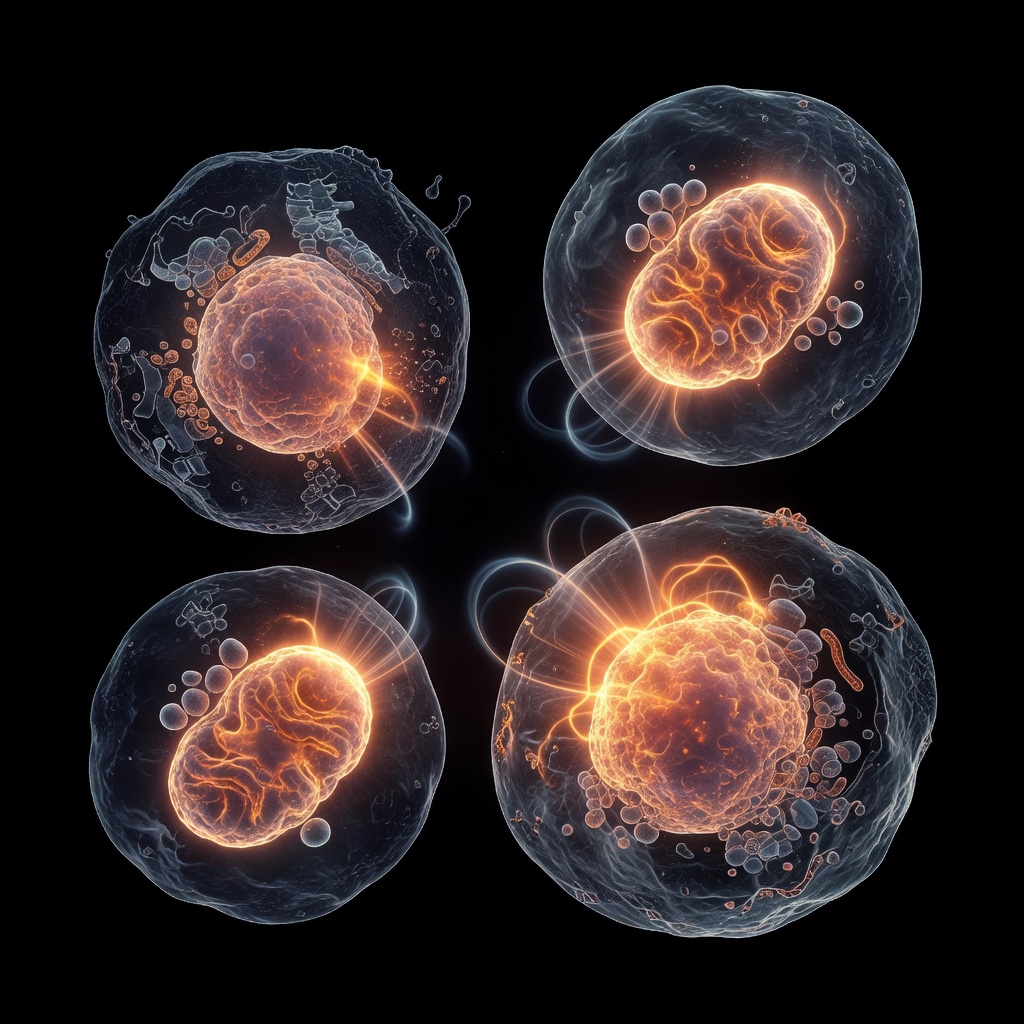
Phthalates don’t just create more fat; they damage the machinery that burns it. Mitochondria are the powerhouses of our cells, responsible for converting glucose and fats into ATP (energy). Phthalates have been shown to induce Reactive Oxygen Species (ROS) within the mitochondria.
This oxidative stress damages mitochondrial DNA and proteins, leading to mitochondrial dysfunction. When your mitochondria cannot efficiently process fuel, the body is forced to store that fuel as triglycerides in the liver and adipose tissue. This is a primary driver of Non-Alcoholic Fatty Liver Disease (NAFLD), a condition reaching epidemic proportions in the UK.
Interference with the PI3K/Akt Pathway
Insulin sensitivity is governed by the PI3K/Akt signalling pathway. When insulin binds to its receptor on a cell, it triggers a cascade that eventually moves glucose transporters (GLUT4) to the cell surface, allowing sugar to enter.
Phthalates disrupt this cascade by inducing low-grade chronic inflammation (via the release of cytokines like TNF-alpha and IL-6). This inflammation causes "serine phosphorylation" of the Insulin Receptor Substrate (IRS-1), which effectively cuts the communication line. The result is insulin resistance: the pancreas pumps out more insulin, but the cells remain "deaf" to the signal. This hyperinsulinaemia is the precursor to both obesity and Type 2 Diabetes.
Recent longitudinal studies suggest that individuals with the highest urinary concentrations of phthalate metabolites have a 30% higher risk of developing metabolic syndrome, regardless of their caloric intake or physical activity levels.
##
Environmental Threats and Biological Disruptors
The ubiquity of phthalates in the UK environment is staggering. Because they are not listed on most ingredient labels (often hidden under the term "Parfum" or "Fragrance"), avoiding them requires a high level of "chemical literacy."
The Food Supply: The Primary Route of Ingestion
Contrary to popular belief, the most significant source of phthalate exposure for the average Briton is not through the skin, but through the mouth.
- Dairy and Meats: Phthalates are lipophilic (fat-loving). They migrate from the plastic tubing used in industrial milking machines and the plastic films used to wrap meats into the fats of the food itself.
- Ultra-Processed Foods (UPFs): The extensive processing and packaging of UPFs provide multiple "touchpoints" for phthalate contamination. From the plastic vats used in factories to the plastic-lined cans and microwaveable trays, UPFs are a delivery system for plasticizers.
- Grains and Produce: Even vegan diets are not immune, as phthalates in sewage sludge (used as fertiliser) and plastic mulch can be taken up by the roots of crops.
Indoor Air and Dust
Phthalates like DEHP and DiNP are heavy molecules that eventually settle out of the air and bind to household dust.
- The "Hand-to-Mouth" Pathway: This is particularly dangerous for infants and toddlers in the UK, who spend a significant amount of time on the floor and frequently put their hands in their mouths.
- Soft Furnishings: Vinyl flooring (PVC), synthetic carpets, and "faux leather" sofas continuously shed phthalate-laden microparticles into the home environment.
Personal Care Products
Diethyl phthalate (DEP) is used extensively to make fragrances last longer. It is found in:
- Perfumes and colognes.
- Deodorants.
- Hair sprays and mousses.
- Scented candles and "air fresheners."
When you spray a fragrance, you are not just inhaling an aroma; you are aerosolising a metabolic disruptor that is rapidly absorbed through the lungs and skin, bypassing the first-pass metabolism of the liver.
##
The Cascade: From Exposure to Disease
The progression from phthalate exposure to overt disease is a "slow-motion train wreck" that often takes decades to manifest, making it easy for mainstream medicine to ignore the connection.
Stage 1: The Prenatal "Priming"
The most critical window of exposure is in utero. Phthalates can cross the placental barrier. If a developing foetus is exposed to high levels of phthalates during the "programming" of their metabolic organs, it can lead to permanent changes in their epigenetic expression. This is known as the Developmental Origins of Health and Disease (DOHaD). These children may be born with a higher "set-point" for body fat and a predisposed risk for diabetes before they even take their first bite of solid food.
Stage 2: Early Childhood Adiposity
As children are exposed to phthalates via toys and dust, the "obesogen" effect takes hold. We are seeing a rise in "early-onset" obesity where children exhibit metabolic markers (like high triglycerides) that were previously only seen in adults.
Stage 3: The Adult Metabolic Crash
In adulthood, the cumulative burden of phthalates, combined with other stressors like a high-sugar diet and sedentary lifestyle, leads to the collapse of metabolic flexibility.
- Insulin Resistance: As discussed, the disruption of the PI3K/Akt pathway leads to chronically high blood sugar.
- Leptin Resistance: Phthalates interfere with the signals from our fat cells (leptin) that tell the brain we are full. The brain "starves" in the midst of plenty, leading to relentless hunger and overeating.
- Ectopic Fat Storage: When subcutaneous fat cells can no longer expand, fat begins to store in the "wrong" places—the liver, the heart, and the skeletal muscle—leading to systemic organ failure.
##
What the Mainstream Narrative Omits
The UK’s public health advice remains largely focused on the "Eatwell Guide" and the "Sugar Tax." While these initiatives have merit, they completely ignore the toxicological component of metabolism. Why is this the case?
The "Dose Makes the Poison" Fallacy
Traditional toxicology is built on the 16th-century principle of Paracelsus: "The dose makes the poison." Regulators like the Food Standards Agency (FSA) often set "Tolerable Daily Intakes" (TDIs) based on high-dose animal studies.
However, endocrine disruptors do not follow this linear logic. They often exhibit non-monotonic dose-response curves. This means that extremely low doses—doses that mimic our natural hormone levels—can actually be more disruptive than high doses, which might cause the body to "shut down" receptors as a defence mechanism. By only testing for high-dose toxicity, regulators are missing the subtle, low-dose metabolic hijacking that is actually occurring in the population.
Industry Influence and Lobbying
The plastic and chemical industries are massive contributors to the UK economy. There is significant pressure to avoid "alarmist" regulations that would require the wholesale redesign of global supply chains. As a result, many phthalates that are known to be harmful are simply replaced with "structural analogues" (like substituting DEHP with DINP) which often turn out to have similar or even worse biological effects—a process known as "regrettable substitution."
The Cumulative Burden
Most regulatory safety assessments look at one chemical at a time. In reality, no Briton is exposed to just one phthalate. We are exposed to a "cocktail" of dozens of different plasticizers, phenols (like BPA), and PFAS (forever chemicals) simultaneously. These chemicals often act synergistically, meaning the combined effect is far greater than the sum of its parts. The current regulatory framework is fundamentally unequipped to assess this "mixtoxicology."
##
The UK Context
In the United Kingdom, the landscape of chemical regulation has shifted significantly following Brexit. We have moved from the EU's REACH (Registration, Evaluation, Authorisation and Restriction of Chemicals) system to UK REACH.
Current Regulatory Status
While the UK has banned certain phthalates (like DEHP, DBP, and BBP) in children's toys and certain childcare articles, they remain pervasive in other sectors. The Environment Agency and the Health and Safety Executive (HSE) are responsible for oversight, but critics argue that the UK's "independent" stance may lead to a divergence from the EU's stricter "Precautionary Principle," potentially making the UK a dumping ground for products that no longer meet stricter European standards.
The NHS Burden
The cost of treating metabolic diseases (obesity, Type 2 Diabetes, NAFLD) is the single greatest threat to the long-term viability of the NHS. If even 10% of the UK’s obesity crisis is driven by endocrine disruptors like phthalates—a conservative estimate according to many researchers—the potential savings from stricter chemical regulation would be in the billions of pounds.
Indoor Air Quality in the UK
The UK has some of the oldest housing stock in Europe. Poor ventilation in many British homes, combined with the trend toward "draught-proofing" for energy efficiency, has led to a build-up of indoor pollutants. Without proper Mechanical Ventilation with Heat Recovery (MVHR) or regular airing of homes, phthalate concentrations in indoor dust can reach levels that are orders of magnitude higher than outdoor air.
##
Protective Measures and Recovery Protocols
While the presence of phthalates is inevitable, you are not powerless. By understanding the biology of detoxification and the sources of exposure, you can significantly lower your "phthalate burden."
1. Eliminate the Sources
- Ditch the Plastic Packaging: Transition away from food stored in plastic. Buy whole foods, loose vegetables, and use glass or stainless steel containers for storage. Never microwave food in plastic containers, as heat dramatically accelerates phthalate leaching.
- Filter Your Water: Use a high-quality water filter (Reverse Osmosis or a multi-stage carbon block filter) that is certified to remove phthalates and other EDCs.
- Curate Your Personal Care: Switch to "phthalate-free" and "fragrance-free" products. Look for companies that are transparent about their ingredients. Avoid anything with "Parfum" on the label unless it is explicitly derived from 100% natural essential oils.
- The "No-Shoes" Policy: Since phthalates bind to dust, wearing shoes inside tracks in outdoor contaminants and stirs up indoor dust. Use a HEPA-filter vacuum cleaner to remove fine particles that standard vacuums might simply redistribute.
2. Support Biological Detoxification
The body processes phthalates through the liver via Phase I (oxidation) and Phase II (conjugation) detoxification pathways.
- Glutathione Support: Phthalates deplete glutathione, the body’s master antioxidant. Boost your levels with precursors like N-Acetyl Cysteine (NAC) and consume sulphur-rich foods like garlic, onions, and cruciferous vegetables.
- Sulforaphane: Found in broccoli sprouts, sulforaphane is a potent inducer of NRF2, a genetic pathway that enhances the body’s ability to neutralise and excrete environmental toxins.
- Calcium D-Glucarate: This compound helps the liver "conjugate" and excrete toxins, preventing them from being reabsorbed in the gut (a process called enterohepatic circulation).
3. The Power of Perspiration
Phthalates and their metabolites are efficiently excreted through sweat.
- Infrared Saunas: Regular use of an infrared sauna can help mobilise toxins stored in adipose tissue and facilitate their excretion through the skin.
- High-Intensity Exercise: Sweating during exercise provides a dual benefit: burning fat (which releases stored phthalates into the bloodstream for processing) and excreting those toxins through sweat.
4. Fibre and Gut Health
Phthalate metabolites are often excreted via bile into the intestines. If your diet is low in fibre, these toxins can be reabsorbed. A high-fibre diet (targeting 30g-40g per day) ensures that these chemicals are "bound" and escorted out of the body. Focus on soluble fibre from beans, oats, and flaxseeds.
##
Summary: Key Takeaways
The metabolic crisis we face is not merely a failure of diet; it is a failure of our environment. Phthalates represent a profound challenge to our biological autonomy. To navigate this, remember these essential points:
- Phthalates are Metabolic Hijackers: They go beyond "toxicity" to actively reprogram fat storage and insulin signaling via the PPAR-gamma and PI3K/Akt pathways.
- The "Everywhere" Threat: Exposure is chronic and cumulative, coming primarily through our food supply (dairy, meats, UPFs), indoor dust, and fragranced products.
- Regulatory Lag: UK and international regulations are currently failing to account for low-dose effects and chemical synergies. We cannot wait for "official" bans to protect ourselves.
- Metabolism is Plastic: While the damage of phthalates is real, the body is resilient. By reducing exposure, supporting liver detoxification, and utilising sweating protocols, it is possible to "de-plasticise" your biology and restore metabolic flexibility.
The era of ignoring the "invisible plasticizers" must end. Our metabolic health—and the health of future generations—depends on our ability to recognise these stealth invaders and take decisive action to purge them from our homes and our bodies. It is time to move beyond the simplistic "calories in, calories out" model and embrace a new paradigm of Metabolic Toxicology. Only then can we truly solve the obesity epidemic and reclaim our biological heritage.
This article is provided for informational and educational purposes only. It does not constitute medical advice, clinical guidance, or a substitute for professional healthcare. Information reflects cited research at time of publication. Always consult a qualified healthcare professional before acting on any health information.
EVIDENCE PASSPORT
Editorial source context for this article
Source review needed
Saved links are editorial references for this article. They may support specific claims rather than every sentence. Open and assess each source in context. This passport does not independently verify them.
Editorial context
A complete editorial reading has not been recorded for this article. Source links remain available for you to open and assess directly.
Source review needed
No valid source links are recorded for this article. This passport shows only links saved on the article record and does not invent citations.
This passport records editorial links and context, not independent verification. Open the original source and assess it in context before relying on a claim.
Medical Disclaimer
The information in this article is for educational purposes only and does not constitute medical advice, diagnosis, or treatment. Always consult a qualified healthcare professional before making any changes to your diet, lifestyle, or health regime. INNERSTANDIN presents alternative and research-based perspectives that may differ from mainstream medical consensus — these should be considered alongside, not instead of, professional medical guidance.
Read Full DisclaimerContinue the thread
Keep this question moving.
Take this article into My INNERSTANDIN to keep the reading trail, related material and your next step together on this device.
Explore this in the Body Map
See where this hits your biology. Interactive anatomy, threats, and protective protocols.
Dig deeper in the Library
Free, longform PDF volumes that go beyond headlines into mechanisms and references.