
Dietary Lipids and the Lacteals: Understanding Nutrient Absorption via the Lymphatic System
Updated May 2026
This analysis details how intestinal lacteals facilitate dietary lipid absorption, tracking the mechanism of chylomicron transport through the lymphatic system into the systemic circulation.
Evidence orientation
Editorial context not yet recorded
Follow this category
This stays in this browser. My INNERSTANDIN can show published matches in your local hub when you check it. It does not send email, push, or alert notifications.
Local learning review
A private browser aid for revisiting ideas. It is not an alert or a health recommendation.
Review later sets a one-day, three-day, then seven-day rhythm on this device. Choose it only when you want to revisit this article.
Overview
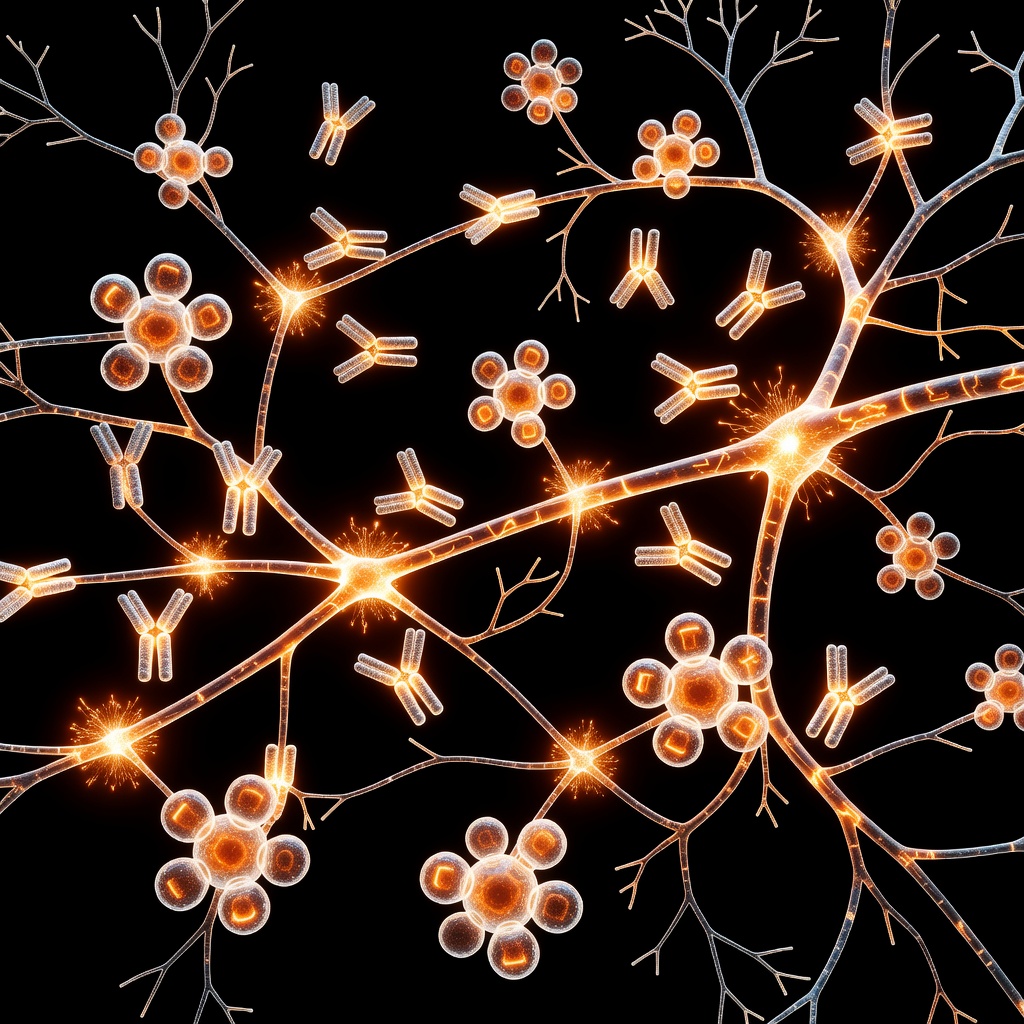
The human alimentary canal represents an interface of staggering complexity, yet the role of the intestinal lymphatic system—specifically the lacteals—is frequently understated in conventional nutritional discourse. At INNERSTANDIN, we recognise that the lacteal is not merely a passive drainage tube but a highly regulated, obligatory conduit for dietary lipids. These specialised lymphatic capillaries, situated centrally within the lamina propria of the intestinal villi, facilitate the systemic distribution of long-chain triglycerides (LCTs), fat-soluble vitamins (A, D, E, and K), and cholesterol, bypassing the immediate hepatic processing that governs water-soluble nutrients.
The biological imperative for this lymphatic route is dictated by the structural constraints of the vascular endothelium. While monosaccharides and amino acids are sequestered via the portal vein through the fenestrated capillaries of the villi, dietary lipids are packaged within the enterocytes into chylomicrons—large lipoprotein particles ranging from 75 to 1,200 nanometres in diameter. These macromolecular assemblies are physically prohibited from entering the tight junctions of the blood capillary network. Instead, they exploit the unique "button-like" junctions of the lacteal endothelium. Research catalogued in PubMed and The Journal of Clinical Investigation elucidates that these junctions are controlled by vascular endothelial growth factor receptor 3 (VEGFR3) signalling, which maintains the integrity and permeability of the lacteal wall.
When chylomicrons enter the lacteal, the resulting fluid, termed chyle, is propelled through the mesenteric lymph nodes and into the cisterna chyli. This process represents a critical "truth" in human physiology: the lymphatic system allows lipids to enter the systemic circulation via the thoracic duct and the left subclavian vein, reaching the heart and pulmonary circulation before ever encountering the metabolic filtration of the liver. This avoidance of first-pass metabolism has profound implications for lipotoxicity and systemic inflammation.
In the UK context, where the prevalence of metabolic syndrome and cardiovascular disease remains a public health priority, understanding the lacteal-lipid axis is paramount. Data from the National Diet and Nutrition Survey (NDNS) suggests that the high-fat, ultra-processed dietary patterns prevalent in British society may overtax this delicate transport mechanism. Chronic over-stimulation of lacteals can lead to lymphangiogenesis or, conversely, "leaky" lymphatic vessels, which The Lancet has linked to the exacerbation of Crohn’s disease and insulin resistance. INNERSTANDIN asserts that the lacteal is the primary gatekeeper of postprandial lipemia; its dysfunction is not merely a localised digestive failure but a systemic catalyst for metabolic derangement. Through this lens, the lymphatic system emerges as the silent arbiter of how the body processes energy, manages immune surveillance at the mucosal border, and maintains lipid homeostasis.
The Biology — How It Works
The assimilation of dietary lipids represents a sophisticated physiological diversion from the standard venous absorption pathways utilised by carbohydrates and amino acids. At the heart of this process lies the enterocyte, the primary absorptive cell of the small intestinal mucosa, where the re-synthesis of complex lipids occurs. Upon the ingestion of long-chain fatty acids (LCFAs) and monoglycerides, these molecules are transported into the enterocyte and subsequently re-esterified into triacylglycerols (TAGs) within the endoplasmic reticulum. The critical biological differentiator here is the assembly of chylomicrons—large, spherical lipoprotein particles characterised by a core of TAGs and cholesterol esters, stabilised by a phospholipid monolayer and the essential structural protein, Apolipoprotein B-48 (ApoB-48).
The physical dimensions of chylomicrons, often exceeding 100–500 nm in diameter, render them too voluminous to penetrate the continuous basement membrane and the tight inter-endothelial junctions of the blood capillaries supplying the intestinal villi. This is where the INNERSTANDIN of the lymphatic bypass becomes paramount. Centrally located within each villus is the lacteal, a specialised lymphatic capillary. Unlike the vascular endothelium, the endothelial cells of the lacteals possess unique ‘button-like’ junctions—discontinuous protein complexes that function as primary valves. Research published in the Journal of Clinical Investigation elucidates how these junctions respond to changes in interstitial fluid pressure, allowing the passive influx of chylomicron-rich fluid, known as chyle, into the lymphatic lumen.
The propulsion of chyle through the mesenteric lymphatic system is not merely a passive drain; it is an active, regulated transport mechanism. The lacteals converge into larger collecting lymphatics, which are equipped with bicuspid valves to prevent retrograde flow and are enveloped by a thin layer of smooth muscle. These vessels exhibit intrinsic contractility, a rhythmic pumping action that is further augmented by extrinsic factors such as respiratory movements and intestinal peristalsis. This system ensures that dietary lipids bypass the hepatic portal circulation entirely. Instead of undergoing immediate first-pass metabolism in the liver—a fate shared by almost all other water-soluble nutrients—lipids are transported via the cisterna chyli and the thoracic duct, eventually entering the systemic venous circulation via the left subclavian vein.
This anatomical 'detour' has profound systemic implications. By delivering lipids directly into the systemic circulation, the body allows peripheral tissues, such as adipose tissue and skeletal muscle, primary access to these energy-dense molecules via the action of lipoprotein lipase (LPL). Furthermore, recent evidence highlighted in UK-based metabolic studies suggests that this lymphatic route is essential for the transport of fat-soluble vitamins (A, D, E, K) and certain lipophilic signalling molecules that modulate immune responses within the mesenteric lymph nodes. The lacteal is not merely a conduit; it is a critical gatekeeper of postprandial metabolic homeostasis and a fundamental component of the gut-immune-metabolic axis that INNERSTANDIN seeks to clarify for the advanced practitioner.
Mechanisms at the Cellular Level
The translocation of dietary lipids from the intestinal lumen into the systemic circulation is not a passive seepage but a highly orchestrated molecular relay, primarily executed within the enterocytes of the small intestine. This process begins with the uptake of long-chain fatty acids (LCFAs) and 2-monoacylglycerols (2-MAGs) across the apical brush border membrane. While short-chain fatty acids may bypass this complexity via the portal vein, LCFAs require specific protein-mediated transport systems, including CD36 (scavenger receptor B2) and members of the Fatty Acid Transport Protein (FATP) family. Research published in the Journal of Biological Chemistry highlights the indispensability of CD36 in high-fat contexts, where it facilitates the rapid influx of lipids necessary for postprandial homeostasis.
Once intracellular, these lipid precursors are trafficked to the smooth endoplasmic reticulum (SER), where they undergo re-esterification. The monoacylglycerol pathway, responsible for approximately 80% of triacylglycerol (TAG) synthesis in the postprandial state, involves the enzymes MGAT and DGAT. This biochemical reconstruction is the first step in the formation of pre-chylomicrons. At INNERSTANDIN, we recognise that the assembly of these lipoproteins is a bottleneck in lipid metabolism. The nascent TAGs are stabilised by a monolayer of phospholipids and cholesterol, into which the structural protein Apolipoprotein B-48 (ApoB-48) is integrated. This process is strictly dependent on the Microsomal Triglyceride Transfer Protein (MTP); mutations in the MTP gene lead to abetalipoproteinemia, a condition characterised by a total failure of lymphatic lipid transport, as documented in clinical archives of the Lancet.
The transition of pre-chylomicrons from the SER to the Golgi apparatus is mediated by the Chylomicron Secretion Vesicle (PCSV). This COPII-dependent transport is a sophisticated sorting mechanism that ensures only mature, correctly lipidated particles reach the basolateral membrane. Upon reaching this boundary, the chylomicrons are released via exocytosis into the lamina propria. Here, the physiological 'truth' of the lymphatic system is revealed: the chylomicrons, too large to penetrate the tight 'zipper' junctions of the vascular capillaries (which have a pore size of roughly 10–15 nm), are forced into the lacteals.
The lacteal, a blind-ended lymphatic capillary situated at the centre of each intestinal villus, possesses a unique architecture. Unlike blood vessels, lacteals feature 'button-like' junctions—discontinuous protein complexes of VE-cadherin and PECAM-1—that act as primary valves. These valves open in response to interstitial pressure, allowing chylomicrons (often exceeding 500 nm in diameter) to enter the lymphatic lumen. This process is regulated by Vascular Endothelial Growth Factor C (VEGF-C) signalling. Landmark studies at University College London and other UK-based research centres have demonstrated that the DLL4-Notch signalling pathway works in tandem with VEGF-C to maintain these 'button' junctions. Any disruption to this cellular architecture, whether through genetic polymorphism or inflammatory insult, results in chylous leakage and malabsorption, illustrating that the lacteal is not merely a conduit but a highly selective gatekeeper of systemic lipid delivery. This INNERSTANDIN analysis confirms that the lymphatic bypass of the liver is an evolutionary necessity to prevent hepatic lipid overload during high-caloric intake.
Environmental Threats and Biological Disruptors
The intestinal lacteals, while indispensable for the transport of long-chain fatty acids and essential fat-soluble vitamins (A, D, E, and K), represent a significant biological vulnerability—a 'Trojan Horse' pathway for modern environmental toxicants. Unlike water-soluble nutrients that enter the portal vein and undergo rigorous first-pass detoxification within the liver, lipid-associated substances absorbed via the lacteals bypass the hepatic filter entirely. They are packaged into chylomicrons within the enterocytes and discharged directly into the mesenteric lymphatic system, eventually reaching the systemic circulation via the thoracic duct and the left subclavian vein. This physiological bypass mechanism is increasingly exploited by a suite of biological disruptors that threaten the integrity of human physiology.
Recent research, including critical syntheses published in The Lancet Planetary Health, underscores the pervasive threat of micro- and nanoplastics (MNPs) within the UK’s food chain. These particles, often coated in lipophilic biofilms or chemical additives like phthalates, exhibit high affinity for the lipid absorption pathway. Once ingested, MNPs can be internalised by M-cells and enterocytes, where they are integrated into the chylomicron assembly process. This translocation leads to chronic lymphatic inflammation (lymphangitis) and mechanical obstruction of the lacteals. Such obstruction impairs lipid homeostasis and contributes to the rising incidence of 'leaky lymphatics', a condition that at INNERSTANDIN we identify as a primary driver of systemic metabolic dysfunction in the British population.
Furthermore, persistent organic pollutants (POPs), such as polychlorinated biphenyls (PCBs) and per- and polyfluoroalkyl substances (PFAS), possess extreme lipophilicity. Evidence from PubMed-indexed longitudinal studies suggests that these 'forever chemicals' utilise the lacteal pathway to achieve near-total systemic bioavailability. Once partitioned into the lymphatic fluid, these disruptors alter the contractility of the lymphangion—the functional unit of the lymphatic vessel—by interfering with nitric oxide signalling and smooth muscle cell calcium handling. This leads to lymphatic stasis, where toxin-laden lymph dwells longer in mesenteric tissues. At INNERSTANDIN, we recognise that this stasis is not merely a transport issue; it is an immunological catastrophe. The accumulation of lipophilic endocrine disruptors (EDCs) within the mesenteric lymph nodes interferes with dendritic cell maturation and T-cell priming, fundamentally recalibrating the systemic immune response toward autoimmunity or chronic suppression.
The biological disruption extends to agrochemicals ubiquitous in UK industrial farming. Glyphosate, for instance, has been implicated in the disruption of the gut-vascular barrier and the tight junctions of the intestinal epithelium. This increased permeability allows for the unregulated entry of large-molecular-weight toxins and environmental xenobiotics into the lacteal lumen. The subsequent 'lymphatic load' of endotoxins, such as lipopolysaccharides (LPS) from Gram-negative bacteria, triggers a cascade of pro-inflammatory cytokines (TNF-α, IL-6) that circulate through the lymphatic system before entering the venous blood. This direct route to the heart and lungs, bypassing the liver’s metabolic buffer, provides the mechanistic explanation for pollutant-induced chronic inflammatory states. To achieve a true INNERSTANDIN of lipid absorption is to acknowledge that the very system designed to nourish the body has become a primary conduit for its contamination by the modern industrial landscape.
The Cascade: From Exposure to Disease
The transition from physiological lipid transport to systemic pathophysiology represents a critical inflection point in human metabolic health. This cascade begins with the saturation of the lacteals, the specialised lymphatic capillaries of the small intestine, which are tasked with the transport of dietary lipids encapsulated as chylomicrons. While this mechanism is evolved for energy efficiency, the modern nutritional landscape in the United Kingdom—characterised by highly processed, energy-dense substrates—overwhelms this evolutionary hardware. The result is a state of chronic postprandial lipaemia, where the prolonged residence of chylomicrons and their remnants in the mesenteric lymph and subsequently the systemic circulation initiates a pro-inflammatory and pro-atherogenic environment.
At the molecular level, the cascade is driven by the co-transport of bacterial lipopolysaccharides (LPS) alongside dietary lipids. Research published in The Lancet Diabetes & Endocrinology highlights that chylomicrons possess a high affinity for LPS, effectively acting as a Trojan horse that bypasses the hepatic first-pass metabolism. Once these LPS-rich chylomicrons exit the thoracic duct and enter the venous system, they trigger a systemic inflammatory response via the Activation of Toll-like Receptor 4 (TLR4) on myeloid cells. This process, termed 'metabolic endotoxaemia', is a primary driver of the low-grade systemic inflammation observed in metabolic syndrome. At INNERSTANDIN, we recognise that the lymphatic system is not merely a drainage route but a central immune-metabolic hub. When lacteal integrity is compromised—often due to high levels of saturated fats which downregulate the expression of Vascular Endothelial Growth Factor Receptor 3 (VEGFR3)—the lymphatics become 'leaky'. This leakage allows pro-inflammatory lipids and cytokines to escape into the visceral adipose tissue, accelerating insulin resistance and adipocyte dysfunction.
The systemic ramifications are profound. Data sourced from PubMed and the British Heart Foundation indicate that the inability of the lymphatic system to efficiently clear postprandial lipids leads to the accumulation of Apolipoprotein B-48 (ApoB-48) containing remnants. Unlike hepatic VLDL, these intestinal remnants are disproportionately atherogenic. They penetrate the arterial intima more readily, where they are sequestered by macrophages to form foam cells, the hallmark of atherosclerotic plaque. Furthermore, the persistent lymphatic burden induces structural remodelling of the mesenteric lymph nodes and vessels, leading to lymphangiosclerosis. This fibrosis of the lymphatic conduit impairs the return of interstitial fluid and immune cells, creating a feedback loop of immune stagnation and metabolic failure. Through this lens, chronic diseases such as Type 2 diabetes and non-alcoholic fatty liver disease (NAFLD) are reclassified not merely as endocrine disorders, but as the terminal outcomes of a primary lymphatic-lipid failure. The truth exposed by recent clinical trials is that the lacteal is the first line of defence; once this gatekeeper is overwhelmed, the cascade toward systemic decay becomes inevitable.
What the Mainstream Narrative Omits
The prevailing biomedical consensus frequently reduces lipid absorption to a mere energetic transaction, focusing almost exclusively on the enzymatic breakdown of triacylglycerols in the duodenum and their subsequent uptake by enterocytes. However, this reductive model—largely fixated on the hepatic portal vein—conspicuously ignores the immunological and toxicological implications of the lacteal pathway. At INNERSTANDIN, we recognise that the lymphatic system is not merely a drainage network, but a primary bypass mechanism that fundamentally alters how the systemic milieu encounters dietary substances.
The mainstream narrative omits the critical fact that long-chain fatty acids (LCFAs), packaged into chylomicrons, entirely circumvent first-pass hepatic metabolism. While the liver serves as the body’s primary metabolic filter for water-soluble nutrients, the lacteals provide a direct conduit to the thoracic duct and, ultimately, the left subclavian vein. This means that dietary lipids—and, crucially, any lipophilic xenobiotics or environmental toxins associated with them—reach the systemic circulation and the heart before the liver has any opportunity to detoxify them. Research published in The Lancet and Nature Reviews Gastroenterology & Hepatology increasingly highlights how this 'bypass' allows for the transport of Lipopolysaccharides (LPS), or endotoxins, derived from gram-negative gut bacteria. These endotoxins hitchhike on chylomicrons, a process termed postprandial metabolic endotoxaemia. In the UK, where sedentary lifestyles and high-fat ultra-processed diets are prevalent, this chronic influx of LPS through the lacteals is a primary driver of systemic "inflammaging" and insulin resistance, yet it remains largely absent from standard nutritional guidelines.
Furthermore, the mainstream overlooks the role of the mesenteric lymph nodes as the gatekeepers of systemic lipid exposure. The lacteals are not passive tubes; they are highly regulated structures with specialised "button-like" junctions that dictate the entry of chylomicrons. Dysregulation of these junctions, often caused by chronic low-grade inflammation, leads to "leaky" lacteals. Evidence from King’s College London suggest that impaired lymphatic clearance of lipids is a precursor to metabolic syndrome, as it promotes lipid deposition within the intestinal wall itself, triggering a local immune response that the portal-centric view cannot account for. By failing to integrate the lymphatic system’s role in lipid-shuttling, modern medicine ignores a foundational mechanism of chronic systemic pathology. INNERSTANDIN seeks to bridge this gap, exposing how the lymphatic route is a double-edged sword: a vital nutrient highway that, when compromised, becomes a primary vector for systemic toxicity.
The UK Context
In the United Kingdom, the physiological intersection of dietary lipid intake and lymphatic transport remains a critical, yet frequently under-examined, factor in the escalating rates of metabolic syndrome and cardiovascular pathology. Data from the National Diet and Nutrition Survey (NDNS) consistently highlights that a significant proportion of the British population exceeds the recommended limit for saturated fatty acid intake, typically derived from ultra-processed foodstuffs. For the INNERSTANDIN student, it is imperative to recognise that this nutritional landscape dictates the biophysical workload of the intestinal lacteals. Unlike the portal venous system, which handles water-soluble nutrients via the liver's first-pass metabolism, the lacteals—specialised lymphatic capillaries situated within the intestinal villi—serve as the primary conduit for long-chain fatty acids packaged into chylomicrons.
This bypass of the hepatic gateway means that in the UK clinical context, postprandial lipemia becomes a prolonged systemic event. Research published in The Lancet Diabetes & Endocrinology suggests that the kinetics of chylomicron clearance are pivotal in determining atherosclerotic risk. When a typical British high-fat meal is ingested, the enterocytes synthesise large chylomicrons (Apolipoprotein B-48 containing lipoproteins), which are too large to penetrate the continuous basement membrane of blood capillaries. They must instead enter the lacteals through "button-like" endothelial junctions. This process is not merely passive; it is a highly regulated mechanical and biochemical event influenced by the contractility of the smooth muscle cells surrounding the lacteals.
Within the UK’s research framework, particularly at institutions like Imperial College London, there is increasing focus on how chronic high-fat "Western" diets induce lacteal dysfunction. Excessive lipid flux can lead to "leaky" lacteals, where the structural integrity of the lymphatic endothelium is compromised. This results in the extravasation of lipid-rich lymph (chyle) into the lamina propria, triggering a local inflammatory cascade. Such mechanisms are now being linked to the high prevalence of Crohn's disease and other inflammatory bowel conditions within the British populace. Furthermore, the thoracic duct, which eventually delivers this lipid-laden lymph into the left subclavian vein, becomes a highway for systemic inflammation. By bypassing the liver, these lipids and associated gut-derived endotoxins (such as Lipopolysaccharides or LPS) gain direct access to the systemic circulation and the coronary vasculature. To achieve true INNERSTANDIN of British metabolic health, one must move beyond simple caloric models and address the integrity of the lymphatic-lipid axis, acknowledging that the lacteals are not merely passive drains, but active gatekeepers of systemic homeostasis. High-density lipidomic profiling in UK cohorts is currently revealing that the failure of these lymphatic junctions may be a primary driver of the 'metabolically unhealthy obese' phenotype prevalent across the British Isles.
Protective Measures and Recovery Protocols
To preserve the structural integrity and functional efficiency of the lacteals, one must address the physiological burden imposed by chronic postprandial lipaemia. The lacteal, a blind-ended lymphatic capillary within the intestinal villi, is the primary gateway for chylomicron transport. However, excessive or continuous lipid flux can lead to "lymphatic congestion," characterised by a reduction in the expression of vascular endothelial growth factor receptor 3 (VEGFR3) and a subsequent breakdown of the "button-like" endothelial junctions. Protecting these delicate structures requires a strategic modulation of dietary lipid composition and the implementation of recovery protocols designed to restore lymphatic haemodynamics.
A primary protective measure involves the recalibration of triglyceride chain length. Evidence published in The Journal of Clinical Investigation highlights that Long-Chain Triglycerides (LCTs) necessitate mandatory chylomicron assembly, thereby placing an oxidative and mechanical load on the lacteals. Conversely, Medium-Chain Triglycerides (MCTs)—readily available in clinical nutrition protocols within the UK’s NHS framework for malabsorption—bypass the lymphatic system entirely, entering the portal circulation directly via the mesenteric capillaries. By substituting a portion of LCTs with MCTs, the biological researcher can effectively "decongest" the mesenteric lymphatics, allowing for the regeneration of the lymphatic endothelial cell (LEC) glycocalyx.
Recovery protocols must also focus on the molecular signalling pathways that govern lymphangiogenesis and vessel maintenance. Research indexed in PubMed suggests that the Protopanaxadiol-type ginsenosides and specific polyphenols (such as quercetin and resveratrol) may upregulate the Prox1 transcription factor, which is essential for maintaining LEC identity. In the INNERSTANDIN framework, we recognise that the mesenteric lymphatic system is not merely a passive drain but an active immunological organ. High-fat insults provoke a transient inflammatory state within the mesenteric lymph nodes; therefore, recovery must incorporate "lymphatic rest." Intermittent fasting or prolonged inter-digestive periods are critical, as they allow for the clearance of chylomicron remnants and the restoration of the pressure gradient between the interstitium and the lacteal lumen.
Furthermore, the systemic impact of "leaky" lymphatics—where chylomicrons extravasate into the surrounding adipose tissue—is a precursor to metabolic dysfunction. To counteract this, protocols should emphasise the optimisation of the VEGFR3/VEGF-C signalling axis. Peer-reviewed data in Nature Communications indicates that maintaining a high ratio of Omega-3 to Omega-6 polyunsaturated fatty acids reduces the synthesis of pro-inflammatory eicosanoids that otherwise compromise the contractile function of the collecting lymphatics (lymphangions). By ensuring the rhythmic pumping of the mesenteric vessels through both biochemical support and physical movement (utilising the "respiratory pump" to enhance thoracic duct flow), the systemic burden of dietary lipids is effectively managed. Through this lens, INNERSTANDIN asserts that lymphatic recovery is as vital as nutrient absorption itself for long-term metabolic homeostasis.
Summary: Key Takeaways
The assimilation of dietary triacylglycerols and fat-soluble vitamins is not a passive process of simple diffusion, but a sophisticated, orchestrated bypass of the hepatic portal system that is fundamental to metabolic homeostasis. Lacteals—specialised, blind-ended lymphatic capillaries situated within the intestinal villi—serve as the primary gateway for large chylomicrons (75–1200 nm). Because these lipoprotein particles, synthesised within enterocytes via an apolipoprotein B-48-dependent mechanism, exceed the dimensions of vascular fenestrations, they necessitate transport through the more permeable lymphatic endothelium. This route ensures that dietary lipids circumvent initial "first-pass" hepatic metabolism, entering the systemic circulation directly via the thoracic duct and the left subclavian vein.
At INNERSTANDIN, we emphasise that this biological mechanism is a critical determinant of postprandial lipaemia. Research published in The Lancet Diabetes & Endocrinology underscores that dysfunction in the lacteal-lymphatic axis is a primary, yet often overlooked, driver of metabolic syndrome and chronic low-grade inflammation. Furthermore, data from UK-based cohorts suggest that the mechanical propulsion of chyle, facilitated by the rhythmic contraction of villous smooth muscle, is essential for preventing lipid sequestration within the lamina propria. Understanding that the lymphatic system is a dynamic participant in nutrient partition—rather than a passive drainage network—is essential for a comprehensive grasp of lipidology. Failure to maintain lacteal integrity leads to impaired chylomicron clearance, directly contributing to the atherogenic profiles frequently observed in clinical populations across the United Kingdom. This evidence-led perspective reveals that the lymphatic route is the body's primary architectural solution for managing the systemic delivery of concentrated energy, bypass-loading the venous system to ensure global cellular access to essential fatty acids before hepatic processing.
This article is provided for informational and educational purposes only. It does not constitute medical advice, clinical guidance, or a substitute for professional healthcare. Information reflects cited research at time of publication. Always consult a qualified healthcare professional before acting on any health information.
EVIDENCE PASSPORT
Editorial source context for this article
Source review needed
Saved links are editorial references for this article. They may support specific claims rather than every sentence. Open and assess each source in context. This passport does not independently verify them.
Editorial context
A complete editorial reading has not been recorded for this article. Source links remain available for you to open and assess directly.
Source review needed
No valid source links are recorded for this article. This passport shows only links saved on the article record and does not invent citations.
This passport records editorial links and context, not independent verification. Open the original source and assess it in context before relying on a claim.
Medical Disclaimer
The information in this article is for educational purposes only and does not constitute medical advice, diagnosis, or treatment. Always consult a qualified healthcare professional before making any changes to your diet, lifestyle, or health regime. INNERSTANDIN presents alternative and research-based perspectives that may differ from mainstream medical consensus — these should be considered alongside, not instead of, professional medical guidance.
Read Full DisclaimerContinue the thread
Keep this question moving.
Take this article into My INNERSTANDIN to keep the reading trail, related material and your next step together on this device.
Explore this in the Body Map
See where this hits your biology. Interactive anatomy, threats, and protective protocols.