
Disrupting the Biofilm: Exploring Ultrasound and Sonic Vibration as Non-Invasive Antibacterial Strategies
Updated April 2026
Evidence orientation
Editorial context not yet recorded
Follow this category
This stays in this browser. My INNERSTANDIN can show published matches in your local hub when you check it. It does not send email, push, or alert notifications.
Local learning review
A private browser aid for revisiting ideas. It is not an alert or a health recommendation.
Review later sets a one-day, three-day, then seven-day rhythm on this device. Choose it only when you want to revisit this article.
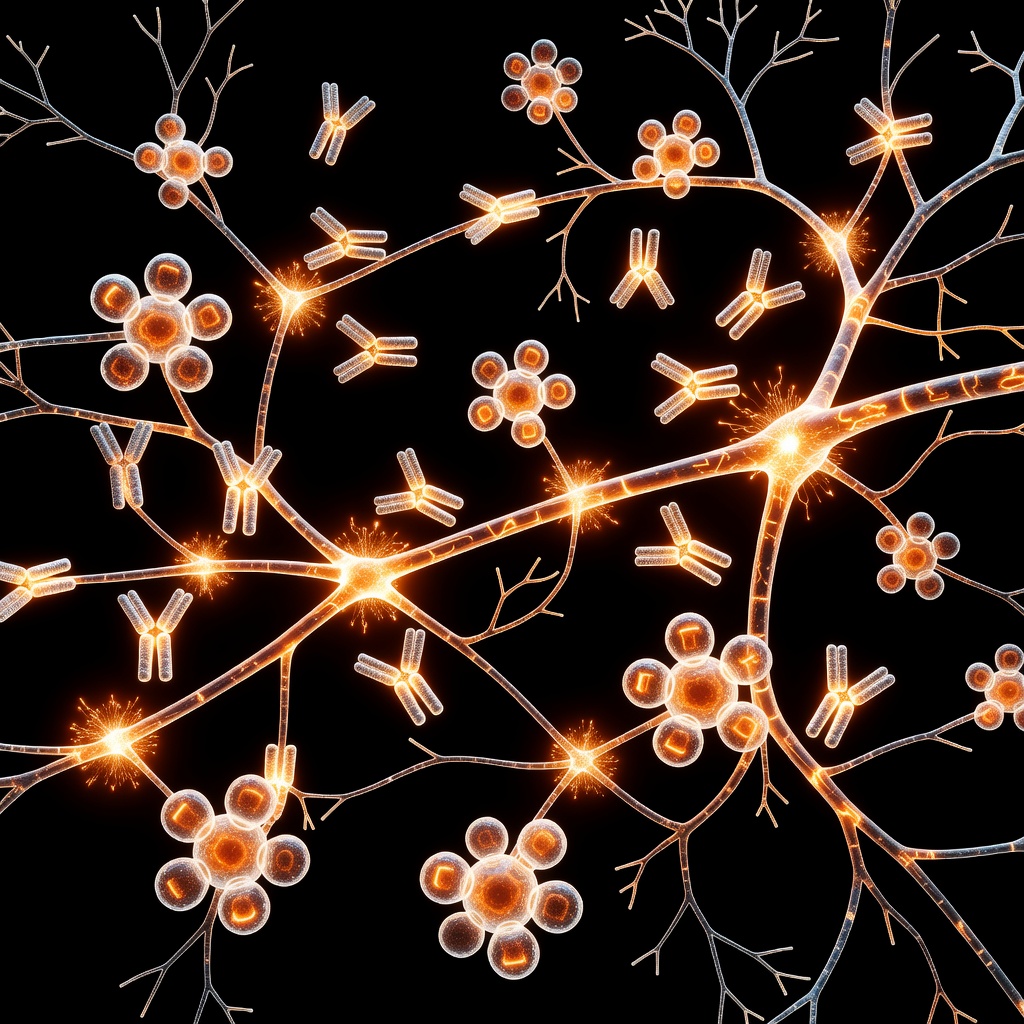
In the hidden corridors of our biological reality, a silent war is being waged. For decades, the global medical establishment has relied almost exclusively on the chemical carpet-bombing of pathogens through antibiotics. Yet, as the efficacy of these "wonder drugs" wanes against the rise of multi-drug-resistant "superbugs," a profound truth is emerging from the fringes of biophysics and Cymatics: the solution to microbial dominance may not be found in a more potent chemical, but in the fundamental nature of frequency and vibration.
At the heart of this resistance lies the biofilm—a sophisticated, communal fortress that bacteria build to shield themselves from the external world. Conventional medicine struggles to penetrate these slimy ramparts, but sound, in the form of ultrasound and sonic vibration, offers a non-invasive, mechanical key to dismantling these microbial strongholds.
The Invisible Fortress: Understanding the Biofilm
To understand why sound is so revolutionary, we must first expose the nature of the enemy. A biofilm is not merely a collection of individual bacteria; it is a complex, multicellular community encased in a self-produced matrix of extracellular polymeric substances (EPS). This matrix—composed of polysaccharides, proteins, and DNA—acts as a biological "bunker."
Key Fact: Biofilms are responsible for approximately 65% to 80% of all microbial infections in humans. Within these structures, bacteria can become up to 1,000 times more resistant to antibiotics than their free-floating (planktonic) counterparts.
In the UK, the burden of biofilm-related infections, particularly in chronic wounds and medical implants, costs the NHS billions annually. The "truth" that is often glossed over in standard GP consultations is that antibiotics frequently fail not because the bacteria are inherently "stronger," but because the drug simply cannot reach the target through the physical barrier of the biofilm.
The Biological Mechanisms of Sound-Based Disruption
How does a sound wave—a mere mechanical vibration—shatter a biological fortress? The process involves several layers of physical and biological interference that bypass the chemical resistance mechanisms of the bacteria.
1. Acoustic Cavitation: The Micro-Explosion
The primary mechanism by which ultrasound disrupts biofilms is through acoustic cavitation. When high-frequency sound waves pass through a liquid medium (like bodily fluids or water), they create rapid pressure changes. This results in the formation of millions of microscopic bubbles.
When these bubbles collapse, they release intense, localised energy. This "micro-jetting" creates physical holes in the EPS matrix, literally tearing the biofilm apart. This process does not require the bacteria to be "susceptible" in a genetic sense; it is a matter of structural integrity versus physical force.
2. Acoustic Streaming and Shear Stress
Beyond the explosive force of cavitation, sound creates acoustic streaming—the steady flow of liquid directed by the sound field. This creates "shear stress" on the surface of the biofilm. It’s akin to a high-pressure hose cleaning a pavement; the constant mechanical agitation peels away the layers of the biofilm, exposing the vulnerable bacteria hidden within.
3. Sonoporation: Opening the Gates
Perhaps the most "truth-exposing" aspect of this technology is sonoporation. Sound frequencies can temporarily increase the permeability of cell membranes. By creating transient "pores" in the bacterial cell wall, ultrasound allows even low doses of antimicrobial agents (or natural antiseptics) to flood the cell. This synergy, often called the "bio-acoustic effect," suggests that we don't need more drugs; we need better delivery through frequency.
The Cymatic Connection: Sound as Geometry
From the perspective of Sound Healing and Cymatics, every biological structure is a manifestation of frequency. Hans Jenny, a pioneer in Cymatics, demonstrated that sound organises matter into complex geometric patterns. Bacteria, too, rely on specific vibrational resonances to communicate and maintain their structural cohesion.
When we introduce discordant or high-intensity sonic vibrations, we are essentially introducing "geometric chaos" into the biofilm’s ordered environment. If the biofilm is a "symphony" of microbial cooperation, ultrasound acts as a "sonic disruptor" that breaks the rhythm, forcing the community to disperse. This moves beyond the reductionist view of killing "bugs" and enters the realm of environmental recalibration through resonance.
The UK Context: A Crisis of Resistance
The United Kingdom is currently facing a "silent pandemic" of Antimicrobial Resistance (AMR). Public Health England (now the UKHSA) has repeatedly warned that without new intervention strategies, common surgeries and minor infections could become life-threatening by 2050.
Despite this, the adoption of ultrasound-assisted wound debridement and ultrasonic dental cleaning remains inconsistent across the NHS. The prevailing medical orthodoxy is heavily slanted towards the pharmaceutical model. However, British researchers at institutions like the University of Southampton and Oxford are leading the charge in "Acoustics for Health," proving that sound can effectively clear biofilms from medical devices and chronic ulcers where drugs have failed.
The Stumbling Block: Why is this not Standard Care?
The barrier to widespread adoption is rarely scientific; it is economic and systemic.
- Patentability: You cannot patent a specific sound frequency in the same way you can patent a synthetic molecule.
- Infrastructure: Integrating ultrasonic devices into standard clinical pathways requires a shift in training and equipment that the "pill-for-an-ill" model does not support.
Environmental Factors and the "Sonic Landscape"
We must also consider the environmental context. Biofilms thrive in stagnant, low-energy environments. In our modern world, we are surrounded by "EMF smog" and discordant industrial noise, yet we lack the focused, coherent frequencies that promote biological cleansing.
In industrial settings—such as the UK's water treatment systems—biofilms in pipes lead to corrosion and contamination. The shift towards ultrasonic descaling in these sectors provides a template for how we might treat the human "inner environment." By viewing the body as a series of fluid-filled conduits, we can see how sonic maintenance becomes a form of "biological hygiene."
Protective Strategies: Harnessing Sound for Health
How can individuals apply this knowledge? While high-intensity medical ultrasound must be administered by professionals, the principles of sonic disruption can be integrated into daily life and holistic care.
- Ultrasonic Hygiene: Tools such as sonic toothbrushes are the most common application of this technology. They don't just scrub; they create fluid dynamics that disrupt biofilms between teeth and below the gum line where bristles cannot reach.
- Focused Sound Therapy: Using specific frequencies (such as those found in Solfeggio scales or targeted Cymatic therapy) may help in stimulating the lymphatic system, preventing the stagnation that allows biofilms to take root in the first place.
- Natural Synergies: Research suggests that using ultrasound in conjunction with natural antibacterials—like Manuka honey or essential oils—greatly enhances their effectiveness. The sound waves "push" the natural compounds into the biofilm matrix.
- Hydration and Conductivity: Sound travels best through water. Maintaining optimal hydration and mineral balance (electrolytes) ensures that the body’s "inner ocean" can effectively transmit the vibrations necessary for cellular cleansing.
Key Takeaways: The Future is Vibrational
The transition from chemical to frequency-based medicine represents a paradigm shift in our understanding of health. The "truth" that the establishment is slow to embrace is that we are vibrational beings living in a vibrational universe.
- Biofilms are the primary obstacle in modern infection control, acting as physical shields for bacteria.
- Ultrasound disrupts biofilms through mechanical means: cavitation, streaming, and sonoporation.
- Frequency over Chemicals: Sound can make pathogens vulnerable without the side effects of systemic antibiotics, helping to mitigate the AMR crisis.
- Cymatic principles suggest that by altering the vibrational environment, we can prevent the formation of harmful biological structures.
- The UK is at a crossroads: We must choose between continued pharmaceutical dependence or investing in biophysical innovations that work with the laws of nature.
As we move forward, the integration of Sound Healing and clinical acoustics offers a path toward a non-invasive, more harmonious form of medicine. By "singing" the biofilms to pieces, we are not just fighting infection; we are restoring the natural resonance of the human temple.
Author’s Note for INNERSTANDING: The information provided here is for educational purposes and is intended to expose the deeper realities of biophysical health. Always consult a qualified practitioner when dealing with chronic infections or considering new medical treatments.
This article is provided for informational and educational purposes only. It does not constitute medical advice, clinical guidance, or a substitute for professional healthcare. Information reflects cited research at time of publication. Always consult a qualified healthcare professional before acting on any health information.
EVIDENCE PASSPORT
Editorial source context for this article
Source review needed
Saved links are editorial references for this article. They may support specific claims rather than every sentence. Open and assess each source in context. This passport does not independently verify them.
Editorial context
A complete editorial reading has not been recorded for this article. Source links remain available for you to open and assess directly.
Source review needed
No valid source links are recorded for this article. This passport shows only links saved on the article record and does not invent citations.
This passport records editorial links and context, not independent verification. Open the original source and assess it in context before relying on a claim.
Medical Disclaimer
The information in this article is for educational purposes only and does not constitute medical advice, diagnosis, or treatment. Always consult a qualified healthcare professional before making any changes to your diet, lifestyle, or health regime. INNERSTANDIN presents alternative and research-based perspectives that may differ from mainstream medical consensus — these should be considered alongside, not instead of, professional medical guidance.
Read Full DisclaimerContinue the thread
Keep this question moving.
Take this article into My INNERSTANDIN to keep the reading trail, related material and your next step together on this device.
Dig deeper in the Library
Free, longform PDF volumes that go beyond headlines into mechanisms and references.