
Dopamine and Drive: The Neurobiological Link Between Brain Chemistry and Serum Testosterone
Updated April 2026
Evidence orientation
Editorial context not yet recorded
Follow this category
This stays in this browser. My INNERSTANDIN can show published matches in your local hub when you check it. It does not send email, push, or alert notifications.
Local learning review
A private browser aid for revisiting ideas. It is not an alert or a health recommendation.
Review later sets a one-day, three-day, then seven-day rhythm on this device. Choose it only when you want to revisit this article.
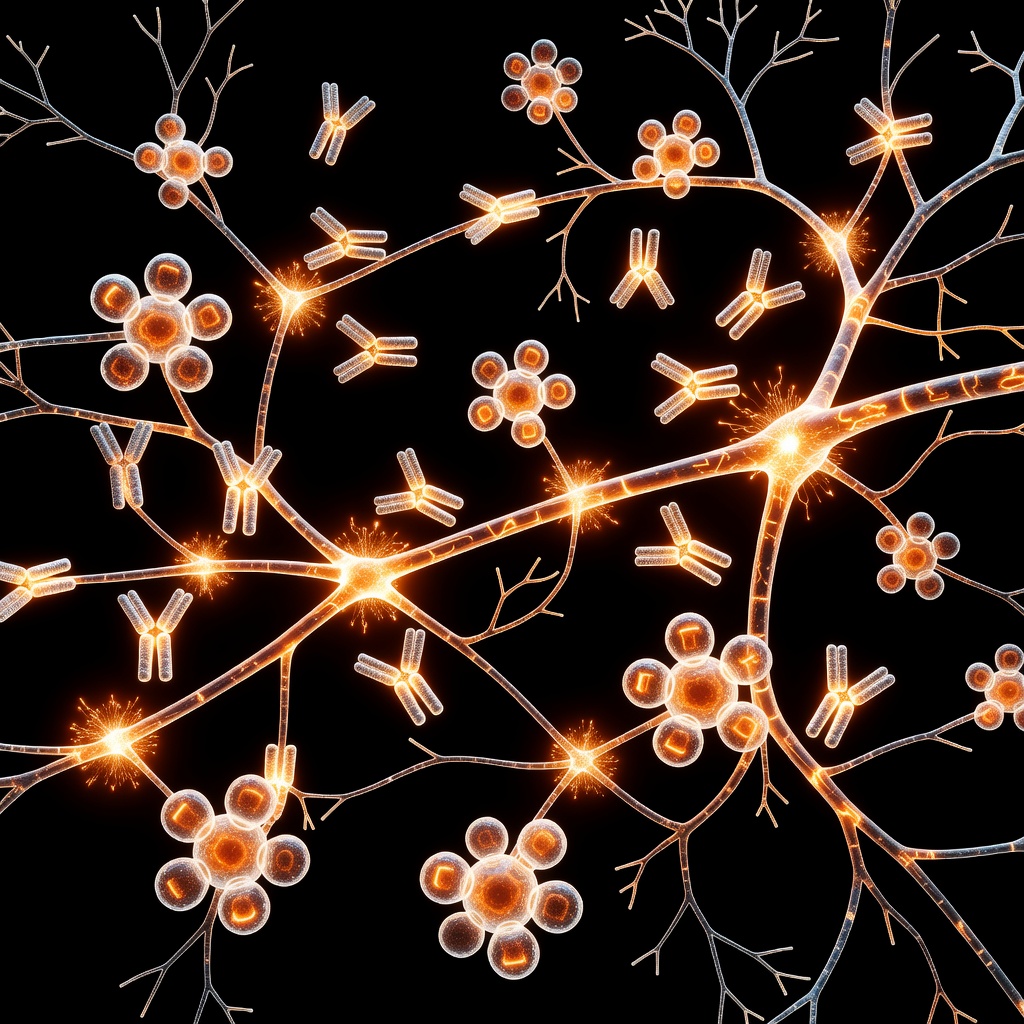
In the contemporary landscape of men’s health, we are witnessing a quiet crisis of lethargy, indecision, and a profound loss of biological ambition. While mainstream discourse often isolates physical health from mental performance, the reality is far more integrated. At the heart of the masculine experience lies a powerful, bi-directional axis: the relationship between Dopamine—the molecule of pursuit—and Testosterone—the hormone of vitality.
To understand one is to necessitate an understanding of the other. This article delves into the neurobiological machinery that governs male drive, exposing how modern environmental pressures are desensitising the British male’s brain and, by extension, decimating his hormonal profile.
The Biological Foundations: A Synergistic Partnership
The relationship between Dopamine and Testosterone is not merely correlative; it is deeply mechanistic. Dopamine is a neurotransmitter responsible for motivation, reward-seeking, and motor control. Testosterone is a steroid hormone that regulates secondary sexual characteristics, muscle mass, and libido. However, their most critical interaction occurs within the Hypothalamic-Pituitary-Gonadal (HPG) axis.
The HPG Axis and the Dopaminergic Trigger
The production of testosterone begins in the brain, specifically the hypothalamus. When the brain perceives a need for higher androgen levels—whether due to physical demand, social competition, or sexual stimulus—the hypothalamus releases Gonadotropin-Releasing Hormone (GnRH).
Dopamine acts as a primary stimulator for this process. High levels of dopaminergic activity in the arcuate nucleus of the hypothalamus increase the frequency and magnitude of GnRH pulses. These pulses travel to the pituitary gland, which then secretes Luteinising Hormone (LH), signalling the Leydig cells in the testes to manufacture testosterone.
Key Fact: Research indicates that dopamine agonists (substances that increase dopamine activity) consistently raise serum testosterone levels, while dopamine antagonists (which block dopamine) can lead to hypogonadism and suppressed libido.
The Feedback Loop: How Testosterone Boosts Dopamine
This is not a one-way street. Testosterone reciprocates by enhancing the dopaminergic system in two distinct ways:
- Synthesis: Testosterone increases the expression of Tyrosine Hydroxylase, the rate-limiting enzyme required to produce dopamine.
- Sensitivity: Testosterone modulates the density of Dopamine Receptors (specifically D1 and D2) in the Nucleus Accumbens, the brain's primary reward centre.
This creates what we at INNERSTANDING call the "Winner’s Loop". An increase in testosterone makes the brain more sensitive to dopamine, which makes the pursuit of goals more pleasurable, which in turn stimulates further testosterone production.
The Modern Sabotage: Why the "Drive" is Fading
If the biological machinery is so robust, why are testosterone levels in British men declining by roughly 1% per year since the 1970s? The answer lies in the desensitisation of the reward system.
The Dopamine Trap
In the ancestral environment, dopamine was earned through effort: hunting, building, or social ascension. In the modern UK context, we are inundated with "Cheap Dopamine". High-sugar processed foods, infinite-scroll social media, and hyper-palatable digital stimuli provide massive dopamine spikes with zero physical or hormonal "cost."
When the brain is chronically flooded with dopamine from these artificial sources, it downregulates its receptors to protect itself. This state, often termed Dopamine Resistance, leads to a "flat" affect. Because the brain is no longer responding to natural dopaminergic signals, the HPG axis is never properly "primed," leading to a subsequent drop in Serum Testosterone.
The Prolactin Problem
There is a reciprocal relationship between dopamine and Prolactin (a hormone typically associated with lactation but present in men). Dopamine serves as the primary inhibitor of prolactin. When dopamine levels drop or receptors are desensitised, prolactin levels often rise. High prolactin is a notorious "testosterone killer," as it directly suppresses the secretion of GnRH, effectively shutting down the hormonal pipeline.
The UK Context: Environmental and Systemic Factors
British men face a unique set of challenges that exacerbate this neurochemical imbalance. From the climate to the culture of the National Health Service (NHS), the cards are often stacked against hormonal optimisation.
The Vitamin D Deficiency Epidemic
The UK’s lack of consistent sunlight is more than a matter of "grey weather." Vitamin D acts as a pro-hormone that is essential for both dopamine synthesis and testosterone production. A significant portion of the British population is chronically deficient during the winter months. Without adequate Vitamin D, the enzymes required to convert Tyrosine into dopamine are sluggish, leading to seasonal affective issues and a concomitant dip in masculine drive.
The "Stiff Upper Lip" and Cortisol
The cultural expectation of the "stiff upper lip" often leads to internalised chronic stress. Chronic stress elevates Cortisol. In the biological hierarchy, cortisol and testosterone share the same raw material: Pregnenolone. Under high stress, the body undergoes what is known as the "Pregnenolone Steal," diverting resources away from testosterone production to produce more cortisol. Furthermore, high cortisol inhibits the brain’s ability to respond to dopamine, creating a state of "anhedonia"—the inability to feel pleasure or motivation.
Key Fact: Data from UK-based private blood testing services suggests that nearly 20% of men under 40 now present with testosterone levels below the "optimised" range, often accompanied by high markers of systemic inflammation.
Protective Strategies: Reclaiming the Neurobiological Axis
To restore the link between dopamine and testosterone, one must move beyond simple supplementation. It requires a systemic "re-wiring" of both habits and environment.
1. Dopamine Deceleration (The Fast)
To resensitise the brain, one must implement periods of Dopamine Fasting. This does not mean avoiding joy, but rather removing "artificial" spikes.
- Action: Eliminate pornographic consumption, reduce screen time to essential tasks, and remove processed sugars for 30 days. This allows dopamine receptor density to recover, making the HPG axis more responsive to natural stimuli.
2. High-Intensity Physical Stimulation
Not all exercise is created equal for the dopamine-testosterone axis. Compound resistance training (squats, deadlifts, presses) triggers an acute spike in both testosterone and dopamine.
- The UK Relevance: Given the sedentary nature of many UK office jobs, a 45-minute heavy lifting session is not just for aesthetics; it is a vital neurochemical intervention.
3. Nutritional Optimisation for the UK Male
- Zinc and Magnesium: Essential for the conversion of cholesterol into testosterone and the regulation of dopamine.
- Tyrosine-Rich Foods: Lean meats, eggs, and dairy provide the amino acid precursors for dopamine.
- Vitamin D3 Supplementation: Given the UK climate, a minimum of 4000 IU daily (subject to blood testing) is often necessary to maintain the neurochemical baseline.
4. Cold Exposure
The British tradition of the "cold morning" has biological merit. Cold Water Immersion (cold showers or plunges) has been shown to increase baseline dopamine levels by up to 250% for several hours without the "crash" associated with digital or chemical stimulants. This sustained elevation provides a steady signal to the HPG axis to maintain androgen production.
The Role of Sleep and the Glymphatic System
One cannot discuss dopamine and testosterone without addressing the Circadian Rhythm. Testosterone is primarily produced during REM sleep. Furthermore, the Glymphatic System—the brain’s waste-clearance mechanism—is only active during deep sleep.
If a man is sleep-deprived, his brain accumulates metabolic waste that interferes with dopaminergic signalling. In the UK, the prevalence of "blue light" exposure from late-night device usage and high caffeine consumption (the "tea and coffee" culture) significantly disrupts these restorative cycles.
Key Takeaways: The INNERSTANDING Path
To reclaim your drive, you must treat your brain and your testes as two parts of the same engine.
- Dopamine is the Ignition: Without healthy dopamine levels and receptor sensitivity, the signal to produce testosterone never leaves the brain.
- Testosterone is the Fuel: Low testosterone makes the brain less responsive to dopamine, leading to a cycle of procrastination and low mood.
- Beware of "Cheap" Spikes: Artificial dopamine from digital sources "fakes" the brain into thinking it has achieved success, causing a downregulation of the HPG axis.
- The Environment Matters: In the UK, you must actively combat Vitamin D deficiency and the cortisol-heavy "hustle culture" to protect your hormonal integrity.
- Action Precedes Motivation: Do not wait to "feel" like it. Engaging in difficult physical tasks (heavy lifting, cold exposure) triggers the neurochemical cascade that creates the motivation you are seeking.
The link between Dopamine and Testosterone is the foundation of masculine agency. By understanding this neurobiological alliance, the modern man can move from a state of passive consumption to one of active, hormonal, and psychological dominance. The drive you seek is not lost; it is merely waiting for the right chemical signals to be restored.
This article is provided for informational and educational purposes only. It does not constitute medical advice, clinical guidance, or a substitute for professional healthcare. Information reflects cited research at time of publication. Always consult a qualified healthcare professional before acting on any health information.
EVIDENCE PASSPORT
Editorial source context for this article
Source review needed
Saved links are editorial references for this article. They may support specific claims rather than every sentence. Open and assess each source in context. This passport does not independently verify them.
Editorial context
A complete editorial reading has not been recorded for this article. Source links remain available for you to open and assess directly.
Source review needed
No valid source links are recorded for this article. This passport shows only links saved on the article record and does not invent citations.
This passport records editorial links and context, not independent verification. Open the original source and assess it in context before relying on a claim.
Medical Disclaimer
The information in this article is for educational purposes only and does not constitute medical advice, diagnosis, or treatment. Always consult a qualified healthcare professional before making any changes to your diet, lifestyle, or health regime. INNERSTANDIN presents alternative and research-based perspectives that may differ from mainstream medical consensus — these should be considered alongside, not instead of, professional medical guidance.
Read Full DisclaimerContinue the thread
Keep this question moving.
Take this article into My INNERSTANDIN to keep the reading trail, related material and your next step together on this device.
Explore this in the Body Map
See where this hits your biology. Interactive anatomy, threats, and protective protocols.
Dig deeper in the Library
Free, longform PDF volumes that go beyond headlines into mechanisms and references.