
Endocrine-Disrupting Chemicals: The Biological Link Between Modern Pollutants and Immune Dysfunction
Updated April 2026
Evidence orientation
Editorial context not yet recorded
Follow this category
This stays in this browser. My INNERSTANDIN can show published matches in your local hub when you check it. It does not send email, push, or alert notifications.
Local learning review
A private browser aid for revisiting ideas. It is not an alert or a health recommendation.
Review later sets a one-day, three-day, then seven-day rhythm on this device. Choose it only when you want to revisit this article.
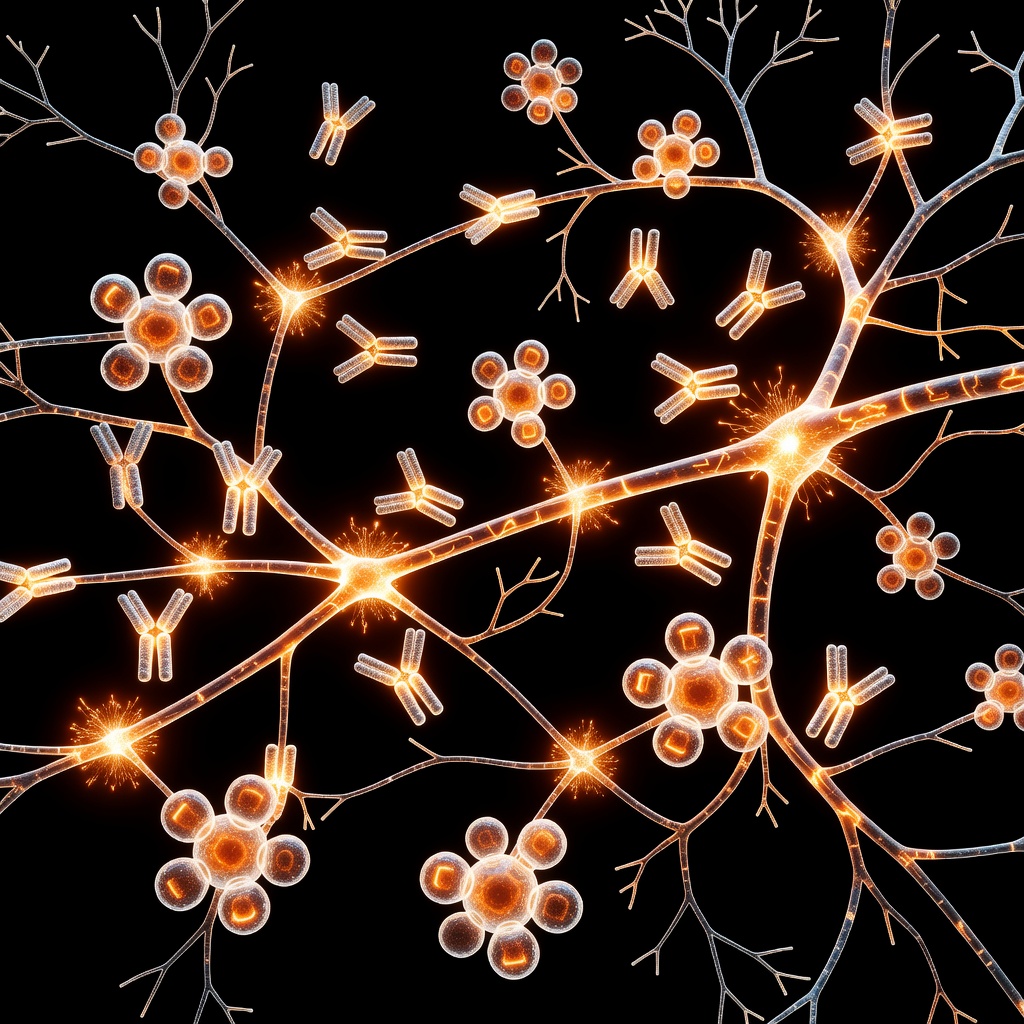
The global landscape of human health is undergoing a profound and troubling transformation. Over the last five decades, the incidence of autoimmune conditions—where the body’s defence system mistakenly attacks its own tissues—has surged by nearly 4% annually in Westernised nations. While genetic predisposition provides the 'loaded gun', it is the environment that 'pulls the trigger'. Among the most insidious environmental triggers are Endocrine-Disrupting Chemicals (EDCs).
For decades, the discourse surrounding EDCs focused almost exclusively on reproductive health and fertility. However, emerging science now reveals a more comprehensive and systemic threat. These synthetic compounds, pervasive in our modern world, are not merely 'hormone mimics'; they are potent immunomodulators capable of bypassing biological safeguards and dismantling the delicate equilibrium of the human immune system.
The Silent Saboteurs: An Overview of EDCs
Endocrine-Disrupting Chemicals are exogenous substances—derived from plastics, pesticides, industrial by-products, and personal care products—that interfere with the synthesis, secretion, transport, binding, or elimination of natural hormones. Because the endocrine system and the immune system are inextricably linked through a complex bidirectional 'cross-talk', any disruption in one inevitably cascades into the other.
We are currently exposed to a 'chemical soup' of over 80,000 synthetic substances, many of which were fast-tracked into the global market without rigorous long-term safety testing regarding their impact on immunological tolerance.
"The immune system does not operate in a vacuum. It is a sensory organ that responds to the chemical environment. When that environment is saturated with EDCs, the immune system receives 'false signals' that lead to chronic inflammation and the loss of self-recognition."
Biological Mechanisms: How EDCs Rewrite the Immune Narrative
To understand the link between modern pollutants and autoimmune dysfunction, we must look at the cellular level. EDCs do not simply 'clog' the system; they actively reprogram how our cells behave.
1. Molecular Mimicry and Receptor Interference
Many EDCs, such as Bisphenol A (BPA) and Phthalates, are structurally similar to natural hormones, particularly oestrogen. These 'xenoestrogens' bind to oestrogen receptors on T-cells and B-cells. Since oestrogen is a known regulator of immune response—often acting as an enhancer—the constant presence of xenoestrogens can push the immune system into a state of hyper-reactivity. This chronic over-stimulation is a primary driver in the development of conditions like Systemic Lupus Erythematosus (SLE) and Sjogren’s Syndrome.
2. The Aryl Hydrocarbon Receptor (AhR) Pathway
A critical, though often overlooked, mechanism involves the Aryl Hydrocarbon Receptor (AhR). This protein serves as a gatekeeper, sensing environmental toxins. When EDCs like dioxins or polychlorinated biphenyls (PCBs) bind to the AhR, they can alter the differentiation of T-cells. Specifically, they can suppress the production of Regulatory T-cells (Tregs)—the 'peacekeepers' that prevent autoimmunity—while promoting the development of pro-inflammatory Th17 cells. This imbalance is a hallmark of Multiple Sclerosis and Rheumatoid Arthritis.
3. Epigenetic Reprogramming
Perhaps most alarming is the ability of EDCs to cause epigenetic changes. These chemicals can modify the way genes are expressed without altering the DNA sequence itself. Studies have shown that exposure to certain pesticides can 'tag' the immune genes of a foetus in the womb, pre-programming them for autoimmune sensitivity later in life. This transgenerational effect means the chemical sins of the past are being inherited by the generations of the future.
4. Oxidative Stress and Protein Modification
EDCs induce the production of Reactive Oxygen Species (ROS), leading to oxidative stress. This process can physically damage the body's own proteins, changing their shape. The immune system, failing to recognise these 'mutilated' proteins, identifies them as foreign invaders, triggering an auto-antibody attack. This mechanism is heavily implicated in Hashimoto’s Thyroiditis.
The UK Context: A Landscape of Chemical Exposure
In the United Kingdom, the relevance of EDC-driven autoimmunity is acute. Despite the transition away from heavy industry, the legacy of the Industrial Revolution remains embedded in our soil and waterways.
- Water Quality: UK tap water, particularly in urban areas, has been found to contain traces of 'forever chemicals' (PFAS) and microplastics. These substances are notoriously difficult for the liver to metabolise, leading to bioaccumulation in human tissue.
- Regulatory Divergence: Post-Brexit, the UK's relationship with chemical regulation (UK REACH) has faced scrutiny. There are ongoing concerns that the UK may lag behind the more stringent EU updates regarding the banning of specific endocrine disruptors in consumer goods.
- The Urban Heat Island: People living in UK cities are exposed to higher concentrations of Phthalates used in PVC flooring and building materials, which are released more rapidly into the air during warmer temperatures.
Environmental Factors: The Primary Culprits
To protect ourselves, we must identify the specific agents of disruption that dominate our daily lives.
PFAS (Per- and Polyfluoroalkyl Substances)
Commonly known as 'Forever Chemicals', PFAS are used in non-stick cookware, water-repellent clothing, and food packaging. They are highly resistant to degradation. In the body, they disrupt thyroid function and have been linked to an increased risk of Ulcerative Colitis.
Phthalates and BPA
Found in plastic containers, till receipts, and synthetic fragrances, these chemicals are ubiquitous. They are known to leach into food and water, especially when heated. They primarily act as xenoestrogens, disrupting the balance of cytokines—the signalling molecules of the immune system.
Organophosphate Pesticides
Used extensively in industrial agriculture across the UK, residues of these chemicals remain on non-organic produce. They interfere with acetylcholinesterase, an enzyme that not only affects the nervous system but also plays a role in modulating inflammation.
Flame Retardants (PBDEs)
Found in upholstered furniture and carpets, these chemicals are shed as dust and inhaled. They are particularly detrimental to the hypothalamic-pituitary-thyroid axis, contributing to the rising tide of autoimmune thyroid disease in Britain.
The 'Cocktail Effect': A Regulatory Blind Spot
A significant failure of modern toxicology is the assessment of chemicals in isolation. In reality, the human body is never exposed to just one EDC. We are exposed to hundreds simultaneously.
The Cocktail Effect refers to the phenomenon where multiple chemicals, each present at 'safe' levels individually, interact to produce a synergistic toxic effect that far exceeds the sum of its parts. This synergy is particularly potent in disrupting the immune system, which relies on precise, low-dose chemical signalling.
Protective Strategies: Navigating the Toxic Terrain
While the ubiquity of pollutants may seem overwhelming, there are evidence-based strategies to reduce your toxic burden and support immune resilience.
1. Source-Water Filtration
Standard carbon filters are often insufficient for removing EDCs. Utilising Reverse Osmosis (RO) or high-quality multi-stage filtration systems is essential for reducing the intake of PFAS, microplastics, and hormone residues from the UK water supply.
2. Conscious Consumption and 'The Dirty Dozen'
Transitioning to an organic diet where possible is one of the most effective ways to lower pesticide exposure. Focus on the 'Dirty Dozen'—crops most heavily sprayed with endocrine-disrupting pesticides. Additionally, avoid 'plastic-packaged' fresh produce, as phthalates can migrate from the film into the food.
3. Detoxifying the Home Environment
- Ditch Non-Stick: Replace Teflon-coated pans with ceramic, cast iron, or stainless steel.
- Fragrance-Free Living: Synthetic 'parfum' in detergents and air fresheners is a major source of phthalates. Opt for natural, essential oil-based alternatives or fragrance-free products.
- Dust Regularly: Since flame retardants accumulate in household dust, using a vacuum with a HEPA filter and wet-dusting surfaces can significantly reduce inhalation.
4. Supporting Natural Biotransformation
The body’s primary defence against EDCs is the liver’s Phase I and Phase II detoxification pathways.
- Cruciferous Vegetables: Broccoli, kale, and cauliflower contain Sulforaphane, which enhances the clearance of xenoestrogens.
- Glutathione Support: This 'master antioxidant' is crucial for neutralising the oxidative stress caused by EDCs. N-acetylcysteine (NAC) and selenium-rich foods like Brazil nuts can support its production.
Key Takeaways: Reclaiming Biological Integrity
The rise of autoimmune conditions is not a mystery; it is a biological response to an increasingly synthetic environment. Understanding the link between EDCs and immune dysfunction is the first step toward reclaiming health.
- EDCs are more than hormone disruptors: They are primary drivers of immune system 'reprogramming' and chronic inflammation.
- Low-dose exposure matters: The 'dose makes the poison' adage is outdated; EDCs can be most disruptive at the very low levels used for hormonal signalling.
- The UK faces unique challenges: From legacy industrial pollutants to microplastics in the water table, the British public must be proactive in filtration and lifestyle choices.
- Autoimmunity is preventable and manageable: By reducing our 'toxic load' and supporting our body's natural detoxification systems, we can restore the balance that modern pollutants have disturbed.
In the pursuit of INNERSTANDING, we must recognise that our internal health is a reflection of our external environment. To heal the immune system, we must first acknowledge and then mitigate the chemical silent saboteurs that define modern life. The transition from a state of 'chemical vulnerability' to 'biological resilience' begins with informed, conscious action.
This article is provided for informational and educational purposes only. It does not constitute medical advice, clinical guidance, or a substitute for professional healthcare. Information reflects cited research at time of publication. Always consult a qualified healthcare professional before acting on any health information.
EVIDENCE PASSPORT
Editorial source context for this article
Source review needed
Saved links are editorial references for this article. They may support specific claims rather than every sentence. Open and assess each source in context. This passport does not independently verify them.
Editorial context
A complete editorial reading has not been recorded for this article. Source links remain available for you to open and assess directly.
Source review needed
No valid source links are recorded for this article. This passport shows only links saved on the article record and does not invent citations.
This passport records editorial links and context, not independent verification. Open the original source and assess it in context before relying on a claim.
Medical Disclaimer
The information in this article is for educational purposes only and does not constitute medical advice, diagnosis, or treatment. Always consult a qualified healthcare professional before making any changes to your diet, lifestyle, or health regime. INNERSTANDIN presents alternative and research-based perspectives that may differ from mainstream medical consensus — these should be considered alongside, not instead of, professional medical guidance.
Read Full DisclaimerContinue the thread
Keep this question moving.
Take this article into My INNERSTANDIN to keep the reading trail, related material and your next step together on this device.
Explore this in the Body Map
See where this hits your biology. Interactive anatomy, threats, and protective protocols.
Dig deeper in the Library
Free, longform PDF volumes that go beyond headlines into mechanisms and references.