Endocrine Disruption Pathways: Analyzing Glyphosate Bioaccumulation in UK Livestock Populations
Discuss this resourceUpdated August 2026
An in-depth investigation into how systemic glyphosate exposure in UK agriculture contributes to endocrine disruption in livestock, examining transmission pathways, biological mechanisms, and long-term herd health implications.
Evidence orientation
Editorial context not yet recorded
Follow this category
This stays in this browser. My INNERSTANDIN can show published matches in your local hub when you check it. It does not send email, push, or alert notifications.
Local learning review
A private browser aid for revisiting ideas. It is not an alert or a health recommendation.
Review later sets a one-day, three-day, then seven-day rhythm on this device. Choose it only when you want to revisit this article.
Introduction: The Hidden Ubiquity of Glyphosate
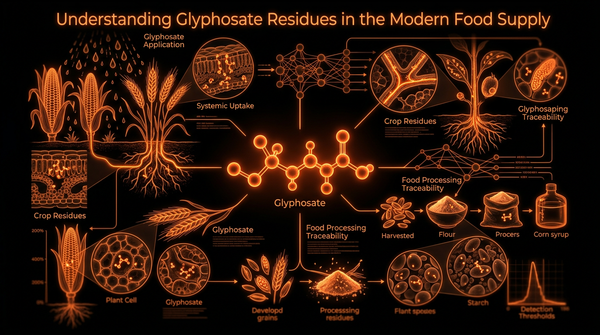
In the landscape of modern British agriculture, the reliance on synthetic herbicides has become a cornerstone of crop management. Central to this is glyphosate, the active ingredient in widespread products used for desiccation and weed control. While industry standards maintain its safety, the scientific community is increasingly scrutinizing the physiological repercussions of sub-lethal, chronic exposure. For INNERSTANDING readers, understanding the endocrine disruption pathways in UK livestock is essential for grasping the broader implications of our food systems.
The Mechanism of Disruption: Beyond the Shikimate Pathway
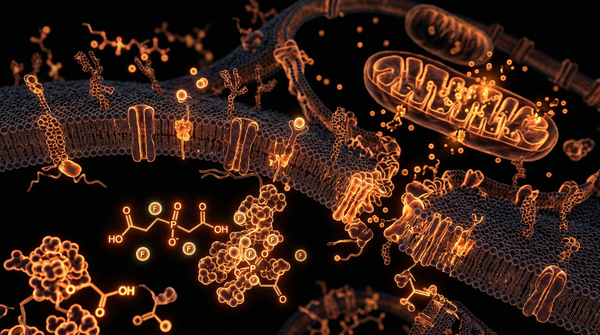
Glyphosate was designed to target the shikimate pathway—a metabolic route found in plants, bacteria, and fungi. However, emerging research suggests that its impact on the endocrine systems of complex mammals is far more insidious. As an endocrine disruptor, glyphosate can mimic or interfere with the body's natural hormones, particularly the hypothalamic-pituitary-gonadal (HPG) axis.
In livestock, this interference is not always acute; it is chronic. When cattle, sheep, or pigs consume forage contaminated with glyphosate residues, the chemical enters the systemic circulation. It has been observed that glyphosate can alter the expression of aromatase, the enzyme responsible for converting androgens into estrogens. By disrupting this delicate hormonal balance, the chemical potentially induces reproductive failure, reduced fertility, and stunted developmental growth in offspring.
Bioaccumulation and Environmental Persistence
Contrary to early claims that glyphosate binds tightly to soil and degrades quickly, data indicates that bioaccumulation in organic matter and animal tissue is occurring. In the UK climate, where soil microbial activity fluctuates significantly with seasonal temperature shifts, the degradation half-life of glyphosate often extends. Consequently, livestock grazing on pasture treated with pre-harvest desiccation are subject to persistent, low-dose exposure.
This bioaccumulation manifests in the gut microbiome of ruminants. Given that livestock gut health is intrinsically linked to systemic endocrine regulation—the 'gut-brain-gland' axis—the alteration of beneficial microbial populations by glyphosate residues effectively creates a compromised biological environment. This leads to reduced nutrient absorption and a lowered immune threshold, making herds more susceptible to secondary infections.
Root-Cause Analysis: Systemic Policy vs. Biological Reality
The root cause of this bioaccumulation is rooted in the intensification of farming practices. The UK's push for high-yield, low-cost food production encourages the widespread use of herbicides to ensure uniformity in harvest timing. By shifting our focus from symptom management—treating diseased livestock—to a root-cause investigation of chemical intake, we find that the current regulatory limits do not account for the 'cocktail effect.' This refers to the synergy between glyphosate and other agricultural chemicals, which may amplify the endocrine-disrupting potential significantly beyond the toxicity of the herbicide alone.
Conclusion: Looking Toward Regenerative Alternatives
For the UK livestock industry to move toward a more sustainable future, we must prioritize soil health and integrated pest management (IPM). Reducing chemical dependence is not merely an environmental preference; it is a biological imperative for the health of our food supply chain. By acknowledging the pathways of endocrine disruption, we can better advocate for policies that favor biodiversity over chemical uniformity.
This article is provided for informational and educational purposes only. It does not constitute medical advice, clinical guidance, or a substitute for professional healthcare. Information reflects cited research at time of publication. Always consult a qualified healthcare professional before acting on any health information.
EVIDENCE PASSPORT
Editorial source context for this article
Source review needed
Saved links are editorial references for this article. They may support specific claims rather than every sentence. Open and assess each source in context. This passport does not independently verify them.
Editorial context
A complete editorial reading has not been recorded for this article, and no source links are saved on its record.
Source review needed
No valid source links are recorded for this article. Supplementary research, where available, is listed separately below.
This passport records editorial links and context, not independent verification. Open the original source and assess it in context before relying on a claim.
Medical Disclaimer
The information in this article is for educational purposes only and does not constitute medical advice, diagnosis, or treatment. Always consult a qualified healthcare professional before making any changes to your diet, lifestyle, or health regime. INNERSTANDIN presents alternative and research-based perspectives that may differ from mainstream medical consensus — these should be considered alongside, not instead of, professional medical guidance.
Read Full DisclaimerContinue the thread
Keep this question moving.
Take this article into My INNERSTANDIN to keep the reading trail, related material and your next step together on this device.
Explore this in the Body Map
Explore related body structures and their educational pages in the interactive Body Map.
Dig deeper in the Library
Free, longform PDF volumes that go beyond headlines into mechanisms and references.
RABBIT HOLE
Follow the biological thread deeper