
Endocrine Disruptors and Haematopoiesis: Evaluating the Impact of Persistent Organic Pollutants on Bone Marrow Function
Discuss this resourceUpdated August 2026
An exploration into how environmental toxins, specifically Persistent Organic Pollutants, interfere with hormonal signaling and disrupt the delicate process of blood cell formation in the bone marrow.
Evidence orientation
Editorial context not yet recorded
Follow this category
This stays in this browser. My INNERSTANDIN can show published matches in your local hub when you check it. It does not send email, push, or alert notifications.
Local learning review
A private browser aid for revisiting ideas. It is not an alert or a health recommendation.
Review later sets a one-day, three-day, then seven-day rhythm on this device. Choose it only when you want to revisit this article.
Introduction to Haematopoietic Vulnerability
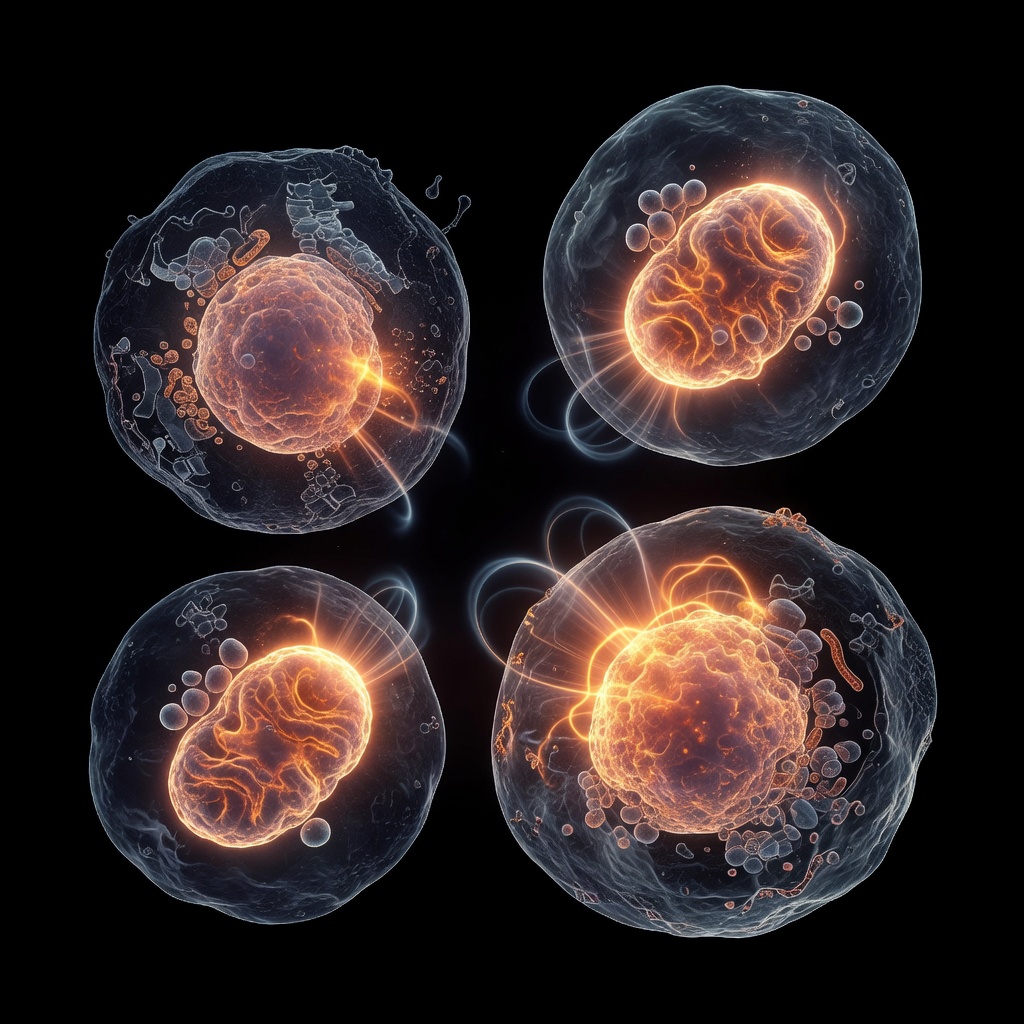
Haematopoiesis, the process of blood cell formation, is a highly orchestrated physiological event occurring within the bone marrow niche. At INNERSTANDING, we view the bone marrow not merely as a site for blood production, but as a sensitive bio-sensor influenced by the chemical landscape of our environment. Recent research suggests that Persistent Organic Pollutants (POPs)—including PCBs, dioxins, and certain flame retardants—act as potent endocrine-disrupting chemicals (EDCs) that may derail this fundamental process.
The Endocrine-Bone Marrow Axis
Bone marrow function is governed by an intricate network of hormonal signals, including thyroid hormones, sex steroids, and glucocorticoids. These hormones regulate the self-renewal capacity of haematopoietic stem cells (HSCs) and the differentiation into various blood lineages. EDCs are notorious for their structural similarity to endogenous hormones, allowing them to bind to hormone receptors and either mimic or block natural signaling pathways. When EDCs infiltrate the marrow niche, they disrupt the endocrine crosstalk required to maintain a healthy balance between self-renewal and lineage commitment.
Mechanisms of Disruption
Persistent Organic Pollutants are often lipophilic, meaning they accumulate in the fatty tissues of the bone marrow. Once sequestered, they exert toxic effects through several mechanisms:
- Oxidative Stress: POPs induce reactive oxygen species (ROS) production, which can lead to DNA damage within HSCs, potentially accelerating biological aging and increasing the risk of myelodysplastic syndromes.
- Receptor Interference: By binding to the aryl hydrocarbon receptor (AhR) or estrogen receptors, POPs can prematurely trigger differentiation pathways or induce apoptosis in precursor cells.
- Niche Alteration: POPs can modify the stromal cells that support HSCs, effectively changing the 'soil' in which blood cells grow and leading to impaired haematopoietic output.
Root-Cause Considerations
Addressing haematopoietic health requires identifying the root causes of EDC exposure. Bioaccumulation over decades means that even low-level chronic exposure can reach toxic thresholds. By understanding that blood cell production is not an isolated event but a systemic response to hormonal environment, individuals can begin to prioritize detoxification protocols and environmental mitigation strategies.
Conclusion: Navigating Environmental Health
Protecting the bone marrow requires a proactive approach to limiting exposure to known environmental toxins. While the body possesses natural detoxification pathways, the persistence of these chemicals necessitates mindful lifestyle choices, such as filtration of drinking water and consumption of organic produce, to ensure the endocrine environment remains conducive to healthy haematopoiesis.
This article is provided for informational and educational purposes only. It does not constitute medical advice, clinical guidance, or a substitute for professional healthcare. Information reflects cited research at time of publication. Always consult a qualified healthcare professional before acting on any health information.
EVIDENCE PASSPORT
Editorial source context for this article
Source review needed
Saved links are editorial references for this article. They may support specific claims rather than every sentence. Open and assess each source in context. This passport does not independently verify them.
Editorial context
A complete editorial reading has not been recorded for this article, and no source links are saved on its record.
Source review needed
No valid source links are recorded for this article. Supplementary research, where available, is listed separately below.
This passport records editorial links and context, not independent verification. Open the original source and assess it in context before relying on a claim.
Medical Disclaimer
The information in this article is for educational purposes only and does not constitute medical advice, diagnosis, or treatment. Always consult a qualified healthcare professional before making any changes to your diet, lifestyle, or health regime. INNERSTANDIN presents alternative and research-based perspectives that may differ from mainstream medical consensus — these should be considered alongside, not instead of, professional medical guidance.
Read Full DisclaimerContinue the thread
Keep this question moving.
Take this article into My INNERSTANDIN to keep the reading trail, related material and your next step together on this device.
Explore this in the Body Map
Explore related body structures and their educational pages in the interactive Body Map.
Dig deeper in the Library
Free, longform PDF volumes that go beyond headlines into mechanisms and references.