
Endocrine Disruptors and Their Impact on Progesterone Metabolite Signaling in PMDD Patients
Discuss this resourceUpdated August 2026
An in-depth exploration of how environmental endocrine-disrupting chemicals interfere with the neuroactive progesterone metabolite allopregnanolone, exacerbating symptoms in individuals with PMDD.
Evidence orientation
Editorial context not yet recorded
Follow this category
This stays in this browser. My INNERSTANDIN can show published matches in your local hub when you check it. It does not send email, push, or alert notifications.
Local learning review
A private browser aid for revisiting ideas. It is not an alert or a health recommendation.
Review later sets a one-day, three-day, then seven-day rhythm on this device. Choose it only when you want to revisit this article.
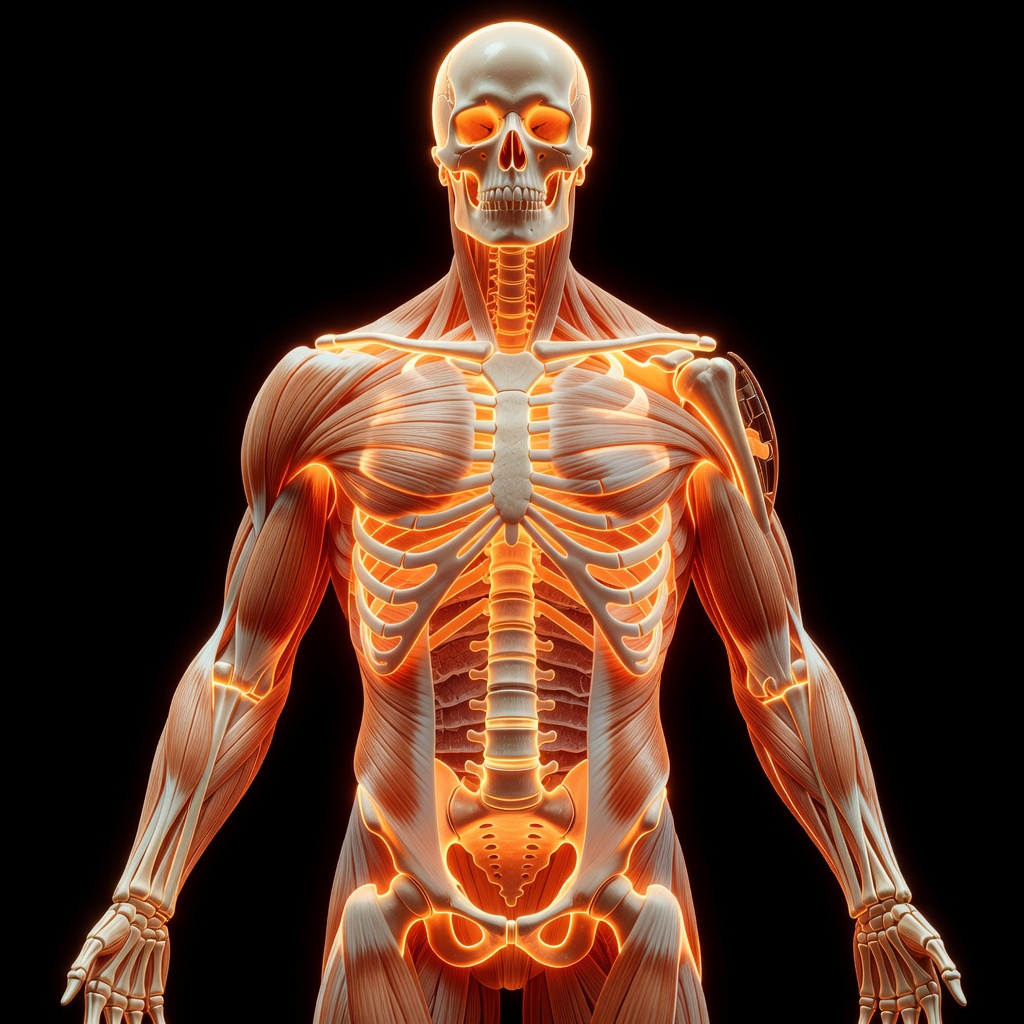
Introduction to the PMDD Neuro-Endocrine Axis. Premenstrual Dysphoric Disorder (PMDD) is far more than a hormonal fluctuation; it is a complex disorder of cellular sensitivity to the neuroactive metabolites of progesterone. For individuals suffering from PMDD, the physiological transition in the luteal phase—specifically the shift in levels of allopregnanolone (ALLO)—triggers profound mood disturbances. However, emerging research suggests that this biological sensitivity is increasingly compromised by the omnipresence of Endocrine Disrupting Chemicals (EDCs). ### Understanding Allopregnanolone Signaling. Allopregnanolone is a potent positive allosteric modulator of the GABA-A receptor in the brain.
In a neurotypical response, ALLO binds to these receptors to promote calming, sedative, and anxiolytic effects. In patients with PMDD, there is a paradoxical response: the GABA-A receptors are often downregulated or insensitive, meaning that instead of feeling calm, the individual experiences heightened anxiety, irritability, and panic as progesterone levels drop. ### The Role of EDCs as Silent Modulators. EDCs are exogenous substances that interfere with the endocrine system by mimicking, blocking, or altering the production of hormones. Chemicals such as Bisphenol A (BPA), phthalates, and per- and polyfluoroalkyl substances (PFAS) act as potent stressors on the hypothalamic-pituitary-gonadal (HPG) axis. These chemicals often possess estrogenic activity, which can create a state of 'estrogen dominance' relative to progesterone.
When the hormonal balance is tilted by external toxins, the downstream conversion of progesterone into ALLO becomes inefficient. EDCs interfere with the enzymes 5α-reductase and 3α-hydroxysteroid dehydrogenase, which are critical for transforming progesterone into its neuroactive metabolites. When these enzymatic pathways are hindered, the body cannot produce the required levels of ALLO to sustain nervous system homeostasis. ### Systemic Impact and Root Cause Dynamics. The disruption of ALLO signaling is compounded by systemic inflammation. EDCs are known to trigger the activation of the NLRP3 inflammasome, which further sensitizes the brain to the erratic fluctuations of the menstrual cycle.
For a PMDD patient, this creates a 'perfect storm': the body is trying to maintain neuro-protection through progesterone metabolites while simultaneously battling the oxidative stress and inflammatory signaling induced by environmental toxins. This interaction effectively lowers the threshold for psychiatric symptom onset during the late luteal phase. ### Mitigating Exposure and Supporting Neuro-Endocrine Health. Addressing PMDD at the root requires a dual approach: endocrine stabilization and environmental detoxification. Reducing exposure to plasticizers, synthetic fragrances, and heavy metals can lighten the load on the liver—the primary organ responsible for both hormone metabolism and detoxification. Furthermore, supporting the conversion of progesterone through nutritional co-factors, such as zinc and magnesium, can help optimize the enzymatic pathways that EDCs typically inhibit.
By reducing the toxic burden, individuals may experience improved GABAergic signaling and a decrease in the intensity of their PMDD symptoms.
This article is provided for informational and educational purposes only. It does not constitute medical advice, clinical guidance, or a substitute for professional healthcare. Information reflects cited research at time of publication. Always consult a qualified healthcare professional before acting on any health information.
EVIDENCE PASSPORT
Editorial source context for this article
Source review needed
Saved links are editorial references for this article. They may support specific claims rather than every sentence. Open and assess each source in context. This passport does not independently verify them.
Editorial context
A complete editorial reading has not been recorded for this article, and no source links are saved on its record.
Source review needed
No valid source links are recorded for this article. Supplementary research, where available, is listed separately below.
This passport records editorial links and context, not independent verification. Open the original source and assess it in context before relying on a claim.
Medical Disclaimer
The information in this article is for educational purposes only and does not constitute medical advice, diagnosis, or treatment. Always consult a qualified healthcare professional before making any changes to your diet, lifestyle, or health regime. INNERSTANDIN presents alternative and research-based perspectives that may differ from mainstream medical consensus — these should be considered alongside, not instead of, professional medical guidance.
Read Full DisclaimerContinue the thread
Keep this question moving.
Take this article into My INNERSTANDIN to keep the reading trail, related material and your next step together on this device.
Explore this in the Body Map
Explore related body structures and their educational pages in the interactive Body Map.
Dig deeper in the Library
Free, longform PDF volumes that go beyond headlines into mechanisms and references.