Environmental Heavy Metal Exposure and the D3-K2 Synergy: Protecting Bone Mineralization and Renal Function
Discuss this resourceUpdated August 2026
This article explores the critical role of the Vitamin D3 and K2 synergy in mitigating the nephrotoxic and osteotoxic effects of heavy metal exposure, focusing on lead, cadmium, and mercury.
Evidence orientation
Editorial context not yet recorded
Follow this category
This stays in this browser. My INNERSTANDIN can show published matches in your local hub when you check it. It does not send email, push, or alert notifications.
Local learning review
A private browser aid for revisiting ideas. It is not an alert or a health recommendation.
Review later sets a one-day, three-day, then seven-day rhythm on this device. Choose it only when you want to revisit this article.
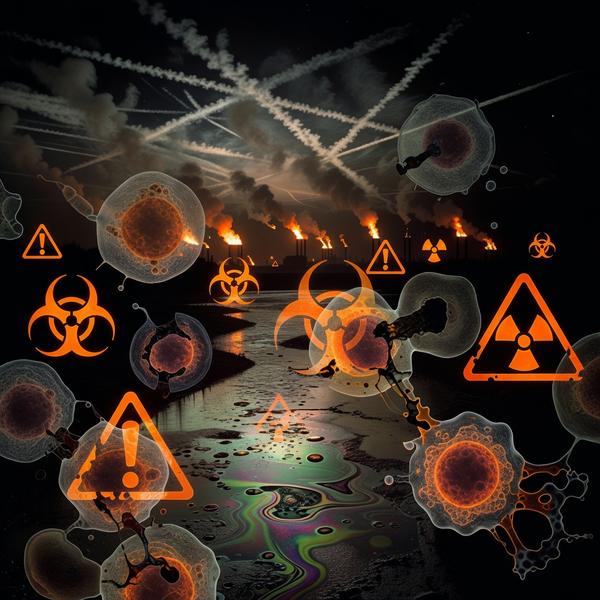
The Hidden Crisis: Environmental Toxicity and Nutrient Synergy. In our modern environment, heavy metal toxicity from lead, cadmium, and mercury has become an insidious contributor to chronic disease. These metals accumulate in bone tissue and renal tubules, disrupting cellular signaling and enzymatic function. At INNERSTANDING, we recognize that true healing requires addressing the intersection of environmental burden and metabolic resilience. The synergy between Vitamin D3 and K2 acts as a frontline defense mechanism in this context. ### Heavy Metals as Osteo-Renal Disruptors.
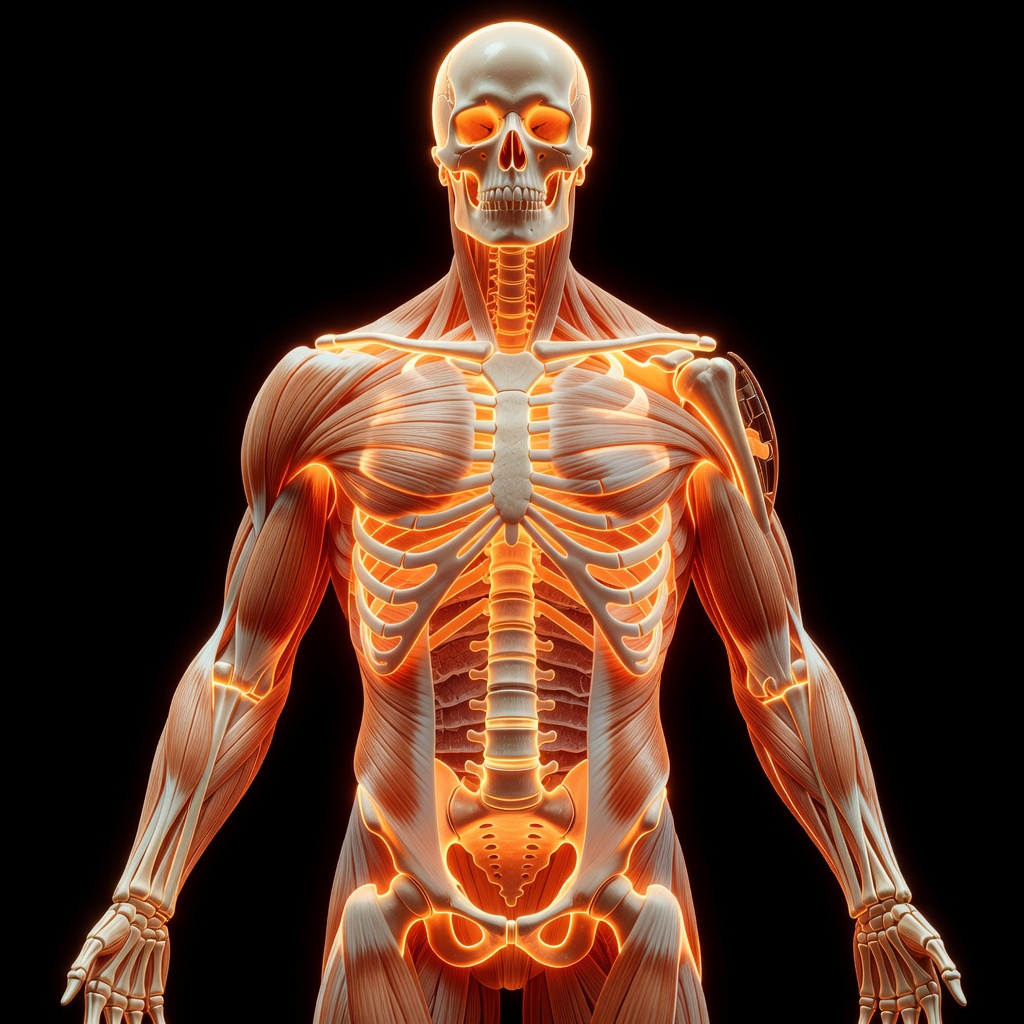
Heavy metals exert toxicity by competing with essential minerals. Lead, for instance, mimics calcium, infiltrating the hydroxyapatite matrix of bone and leaching into the bloodstream. Cadmium is notoriously nephrotoxic, accumulating in the renal cortex and inducing oxidative stress that leads to tubular dysfunction. Because bone is a primary reservoir for these toxins, the mobilization of bone minerals during times of stress can lead to systemic heavy metal re-exposure. ### The D3-K2 Shield. Vitamin D3 is essential for the intestinal absorption of calcium, yet D3 alone is incomplete.
Without Vitamin K2, calcium may be inadequately directed, potentially depositing in soft tissues or failing to lock into the bone matrix. K2 activates matrix Gla-protein (MGP) and osteocalcin, ensuring that calcium—and the toxins displaced by metabolic flux—are properly managed. By promoting robust bone mineralization, the D3-K2 complex decreases the likelihood of heavy metal leaching from the skeleton into the bloodstream. ### Protecting Renal Function. The kidneys are the primary organs for metal excretion. Oxidative damage caused by environmental toxins often leads to fibrosis and renal decline.
The anti-inflammatory and antioxidant properties of optimal Vitamin D levels are well-documented, but K2's role in vascular health prevents the calcification of renal arteries, preserving the integrity of the kidney's filtration system. This partnership is not just about bone density; it is about systemic detoxification and metabolic preservation. ### Clinical Implications. A root-cause approach necessitates a protocol that supports both metal chelation (where appropriate) and nutrient repletion. Maintaining optimal levels of D3 and K2 serves to stabilize bone density, effectively 'locking' toxins within the matrix while supporting the renal capacity to process and eliminate incoming environmental burdens. To protect your physiological foundation, ensure consistent monitoring of serum D3 levels and prioritize K2-MK7 supplementation in a bioavailable format.
This article is provided for informational and educational purposes only. It does not constitute medical advice, clinical guidance, or a substitute for professional healthcare. Information reflects cited research at time of publication. Always consult a qualified healthcare professional before acting on any health information.
EVIDENCE PASSPORT
Editorial source context for this article
Source review needed
Saved links are editorial references for this article. They may support specific claims rather than every sentence. Open and assess each source in context. This passport does not independently verify them.
Editorial context
A complete editorial reading has not been recorded for this article, and no source links are saved on its record.
Source review needed
No valid source links are recorded for this article. Supplementary research, where available, is listed separately below.
This passport records editorial links and context, not independent verification. Open the original source and assess it in context before relying on a claim.
Medical Disclaimer
The information in this article is for educational purposes only and does not constitute medical advice, diagnosis, or treatment. Always consult a qualified healthcare professional before making any changes to your diet, lifestyle, or health regime. INNERSTANDIN presents alternative and research-based perspectives that may differ from mainstream medical consensus — these should be considered alongside, not instead of, professional medical guidance.
Read Full DisclaimerContinue the thread
Keep this question moving.
Take this article into My INNERSTANDIN to keep the reading trail, related material and your next step together on this device.
Explore this in the Body Map
Explore related body structures and their educational pages in the interactive Body Map.
Dig deeper in the Library
Free, longform PDF volumes that go beyond headlines into mechanisms and references.
RABBIT HOLE
Follow the biological thread deeper