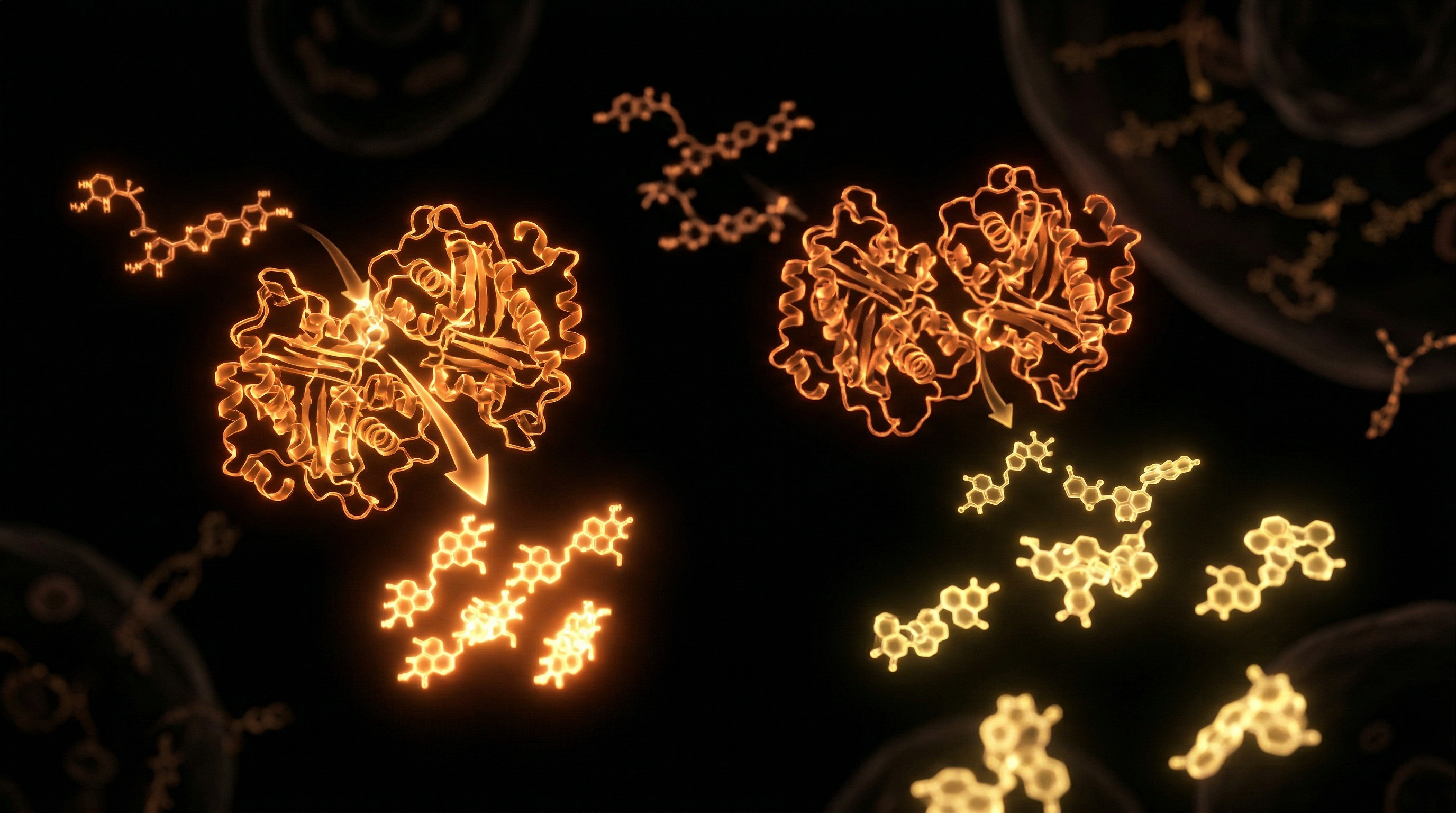
Epigenetic Modulation: How the MTHFR C677T Polymorphism Influences DNA Methylation and Oncogenic Potential
An in-depth exploration of the biochemical link between the MTHFR C677T genetic variant and its role in disrupting DNA methylation, highlighting the subsequent risks of genomic instability and cancer development through the lens of root-cause medicine.

# Epigenetic Modulation: How the MTHFR C677T Polymorphism Influences DNA Methylation and Oncogenic Potential ## Introduction In the evolving landscape of molecular biology, the concept of epigenetics has shifted our understanding of genetic destiny. Epigenetics refers to the heritable changes in gene expression that do not involve alterations to the underlying DNA sequence. At the heart of this regulatory system is the one-carbon cycle, a fundamental metabolic pathway responsible for DNA synthesis and methylation. For the INNERSTANDING community, understanding the root causes of systemic dysfunction often leads us to the MTHFR gene. Specifically, the C677T polymorphism in the methylenetetrahydrofolate reductase (MTHFR) gene has emerged as a significant modulator of epigenetic health, with far-reaching implications for oncogenic potential—the capacity for cells to initiate cancer. ## The Biochemistry of the One-Carbon Cycle To appreciate how a single genetic variant can influence cancer risk, we must first examine the one-carbon cycle.
This pathway is a complex network of enzymes and cofactors that facilitate the transfer of methyl groups (a single carbon atom bonded to three hydrogen atoms). These methyl groups are the 'currency' of epigenetic regulation. The MTHFR enzyme plays a pivotal role by converting 5,10-methylenetetrahydrofolate into 5-methyltetrahydrofolate (5-MTHF). This 5-MTHF is the primary form of folate that circulates in the blood and acts as the essential methyl donor for the conversion of homocysteine into methionine. Methionine is subsequently transformed into S-adenosylmethionine (SAMe), which is known as the universal methyl donor.
SAMe provides the necessary groups for DNA methyltransferases (DNMTs) to add methyl tags to specific regions of the genome, effectively 'silencing' or 'activating' genes as required. ## The C677T Polymorphism: A Metabolic Bottleneck The C677T polymorphism is a point mutation where the nucleotide cytosine (C) is replaced by thymine (T) at position 677 of the gene. This change results in a thermolabile enzyme—one that is more sensitive to heat and significantly less efficient. Individuals with one copy of the variant (heterozygous, CT) typically experience a 30-35% reduction in enzymatic activity, while those with two copies (homozygous, TT) may see a 70% reduction. From a root-cause perspective, this reduction creates a metabolic bottleneck. In TT individuals, the body struggles to produce sufficient 5-MTHF even when dietary folate intake appears adequate.
This leads to a systemic shortage of SAMe, the fuel for DNA methylation. Consequently, the genome becomes 'hypomethylated'—a state where the lack of methyl tags leads to chaotic gene expression and genomic instability. ## DNA Methylation and the Master Switch DNA methylation is the body's master switch for cellular identity and safety. In a healthy cell, methylation patterns are precise: certain areas, like the promoter regions of tumor suppressor genes, are kept unmethylated so the genes can remain active and protect the cell. Conversely, repetitive elements of the genome and proto-oncogenes are typically methylated to keep them silenced. When the MTHFR C677T variant limits the availability of methyl groups, this balance is disrupted.
Global DNA hypomethylation occurs, which is one of the earliest epigenetic hallmarks of cancer. When the genome loses its methyl 'locks,' sections of DNA that should be dormant can become active. This leads to the inappropriate expression of proto-oncogenes—genes that have the potential to cause cancer when overactive. Furthermore, hypomethylation increases the likelihood of chromosomal translocations and mutations, as the DNA structure becomes physically less stable. ## Oncogenic Potential: The Path to Malignancy The link between MTHFR C677T and oncogenesis is twofold: it involves both the activation of harmful genes and the failure of DNA repair mechanisms. First, the activation of oncogenes like MYC and RAS via hypomethylation provides the 'gas pedal' for uncontrolled cell growth.
Second, the disruption of folate metabolism leads to a shortage of thymidylate, a building block of DNA. When thymidylate is scarce, the body mistakenly incorporates uracil into the DNA strand. This leads to frequent strand breaks and 'shattered' chromosomes during repair attempts, providing the perfect environment for malignant transformation. Interestingly, while global hypomethylation is the primary concern, a lack of MTHFR efficiency can also lead to paradoxical site-specific hypermethylation. In an attempt to compensate for genomic chaos, the cell may hypermethylate the promoter regions of tumor suppressor genes, such as p53 or BRCA1.
By silencing these 'guardians,' the cell loses its ability to undergo apoptosis (programmed cell death) when it becomes damaged, allowing a precancerous cell to survive and proliferate. ## The UK Clinical Context and B-Vitamin Synergy In the United Kingdom, the conversation around MTHFR is gaining momentum, particularly regarding the role of B-vitamins in mitigating genetic risk. Clinical studies have shown that the oncogenic risks associated with the TT genotype are heavily dependent on folate and B12 status. In populations with low folate intake, the C677T variant is a strong risk factor for colorectal, breast, and gastric cancers. However, when folate levels are optimal, this risk is significantly attenuated. For those in the INNERSTANDING community, it is vital to distinguish between synthetic folic acid and bioactive folate (5-MTHF).
Individuals with the C677T bottleneck may not efficiently convert synthetic folic acid, leading to high levels of unmetabolized folic acid in the blood, which can further complicate immune function. Supporting the one-carbon cycle requires a bioavailable approach, utilizing methylfolate and methylcobalamin to bypass the enzymatic hurdle. ## Therapeutic Considerations for Root-Cause Support Addressing the epigenetic influence of MTHFR C677T requires a multi-layered strategy. 1. Targeted Methylation Support: Supplementing with 5-MTHF and methyl-B12 provides the body with the finished 'product' of the one-carbon cycle, ensuring a steady supply of SAMe for DNA methylation. 2. Riboflavin (Vitamin B2): Riboflavin is a mandatory cofactor for the MTHFR enzyme. Research suggests that B2 supplementation can help stabilize the MTHFR protein in TT individuals, partially restoring its function. 3.
Choline and Betaine: These nutrients provide an alternative pathway for homocysteine remethylation through the liver-based BHMT enzyme, reducing the overall pressure on the folate-dependent MTHFR pathway. 4. Reducing Environmental Strain: Toxins, heavy metals, and alcohol consume methyl groups for detoxification. Minimizing these exposures preserves the methyl pool for DNA regulation. ## Conclusion The MTHFR C677T polymorphism is a profound example of how our biochemical individuality dictates our long-term health risks. By influencing the availability of methyl donors, this genetic variant acts as a silent architect of the epigenetic landscape, potentially opening the door to oncogenesis through DNA hypomethylation and genomic instability. Yet, this is not a sentence of disease, but rather a roadmap for prevention.
Through the lens of root-cause education and INNERSTANDING, we recognize that by optimizing the one-carbon cycle with targeted nutrition and lifestyle choices, we can effectively 're-methylate' our future and suppress the oncogenic potential within our cells. Knowledge of our genetic blueprint is the first step toward true health sovereignty.
This article is provided for informational and educational purposes only. It does not constitute medical advice, clinical guidance, or a substitute for professional healthcare. Information reflects cited research at time of publication. Always consult a qualified healthcare professional before acting on any health information.
RESEARCH FOUNDATIONS
Biological Credibility Archive
Citations provided for educational reference. Verify via PubMed or institutional databases.
Medical Disclaimer
The information in this article is for educational purposes only and does not constitute medical advice, diagnosis, or treatment. Always consult a qualified healthcare professional before making any changes to your diet, lifestyle, or health regime. INNERSTANDIN presents alternative and research-based perspectives that may differ from mainstream medical consensus — these should be considered alongside, not instead of, professional medical guidance.
Read Full DisclaimerReady to learn more?
Continue your journey through our classified biological research.
DISCUSSION ROOM
Members of THE COLLECTIVE discussing "Epigenetic Modulation: How the MTHFR C677T Polymorphism Influences DNA Methylation and Oncogenic Potential"
SILENT CHANNEL
Be the first to discuss this article. Your insight could help others understand these biological concepts deeper.
THE ARSENAL
Based on MTHFR & B Vitamin Metabolism — products curated by our research team for educational relevance and biological support.

Magnesium L-Threonate

Magnesium Blend – The Most Important Mineral

Energy Blend Supports
INNERSTANDING may earn a commission on purchases made through these links. All products are selected based on rigorous educational relevance to our biological research.
RABBIT HOLE
Follow the biological thread deeper