Epigenetic Modulation via Bioelectric Flux: Controlling Gene Expression in Wound Healing
Discuss this resourceUpdated August 2026
An exploration of how endogenous bioelectric currents serve as a master regulator of gene expression, driving the complex cellular choreography required for tissue regeneration and wound repair.
Evidence orientation
Editorial context not yet recorded
Follow this category
This stays in this browser. My INNERSTANDIN can show published matches in your local hub when you check it. It does not send email, push, or alert notifications.
Local learning review
A private browser aid for revisiting ideas. It is not an alert or a health recommendation.
Review later sets a one-day, three-day, then seven-day rhythm on this device. Choose it only when you want to revisit this article.
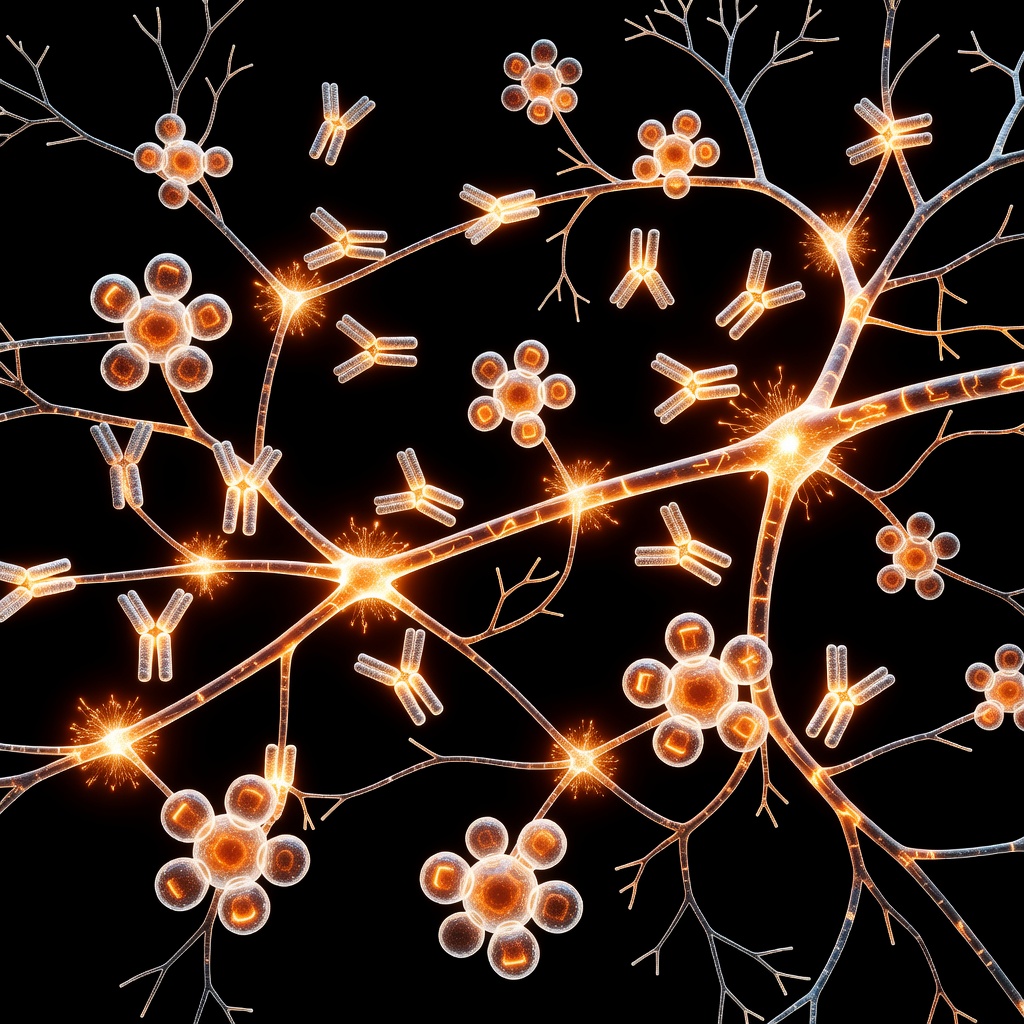
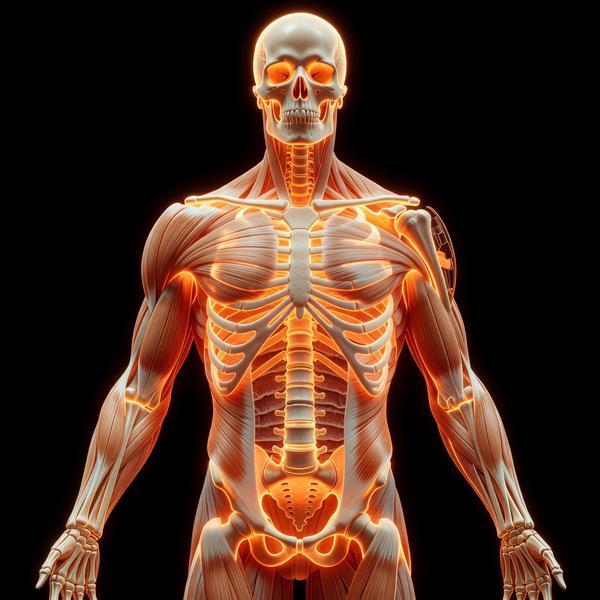
For decades, biological research focused primarily on chemical signaling and genomic hard-coding. However, at the frontier of regenerative medicine lies a more profound orchestrator: the bioelectric field. Every living cell maintains a transmembrane potential, a subtle voltage gradient that acts as a gatekeeper for cellular function. In the context of wound healing, this bioelectric flux is not merely a byproduct; it is a fundamental instruction set that modulates epigenetic states.
The Bioelectric Signal Cascade
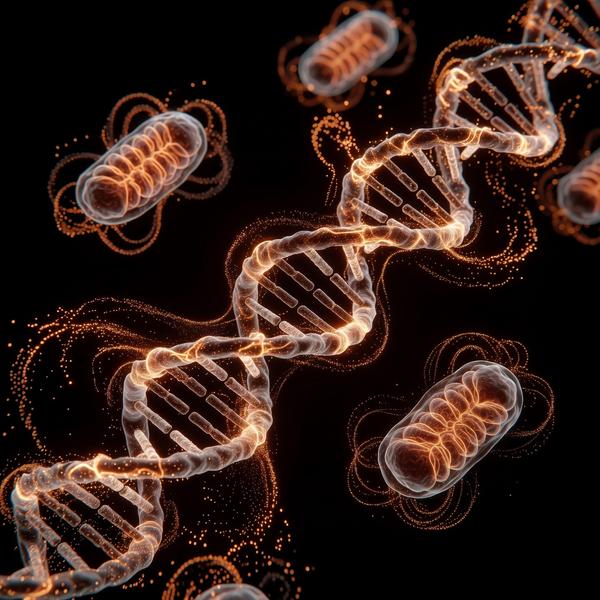
When skin is breached, the integrity of the epithelial barrier is compromised, causing an immediate alteration in ion flow. This creates an 'injury current.' This flux of sodium, calcium, and potassium ions acts as a transducer, converting physical trauma into electrochemical signals. These signals penetrate the cell membrane and interact with chromatin, directly influencing the methylation patterns that determine which genes are active and which are silenced.
Epigenetic Modulation: From Voltage to Transcription
Bioelectric signaling influences the nuclear environment by altering the recruitment of histone-modifying enzymes. When specific membrane potentials are maintained, they facilitate the opening of chromatin, allowing transcription factors to access pro-regenerative genes. Conversely, dysregulation in these ionic gradients can lead to the silencing of essential repair pathways, contributing to chronic, non-healing wounds.
Clinical Implications for Regenerative Medicine
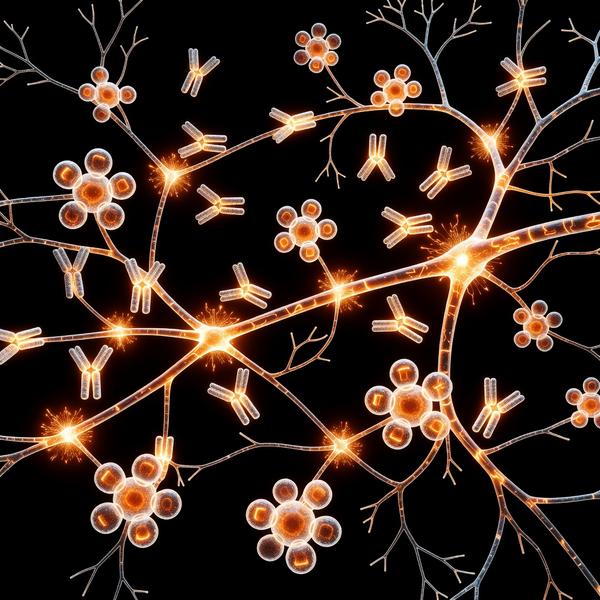
By leveraging external bioelectric stimulation, clinicians can essentially 'reprogram' the wound environment. Through the application of pulsed electromagnetic fields or microcurrent stimulation, we can restore the resting potential of dormant fibroblasts and keratinocytes. This technique encourages the expression of growth factors like TGF-beta, which are crucial for collagen deposition and tissue remodeling.
The Future of Bioelectric Healing
As we transition toward a deeper 'innerstanding' of our physiological architecture, we move away from simple drug-based interventions toward precision bioelectric therapies. By harnessing the body's natural language—electricity—we can unlock unprecedented healing capacities, effectively guiding gene expression to mend tissue from the inside out.
This article is provided for informational and educational purposes only. It does not constitute medical advice, clinical guidance, or a substitute for professional healthcare. Information reflects cited research at time of publication. Always consult a qualified healthcare professional before acting on any health information.
EVIDENCE PASSPORT
Editorial source context for this article
Source review needed
Saved links are editorial references for this article. They may support specific claims rather than every sentence. Open and assess each source in context. This passport does not independently verify them.
Editorial context
A complete editorial reading has not been recorded for this article, and no source links are saved on its record.
Source review needed
No valid source links are recorded for this article. Supplementary research, where available, is listed separately below.
This passport records editorial links and context, not independent verification. Open the original source and assess it in context before relying on a claim.
Medical Disclaimer
The information in this article is for educational purposes only and does not constitute medical advice, diagnosis, or treatment. Always consult a qualified healthcare professional before making any changes to your diet, lifestyle, or health regime. INNERSTANDIN presents alternative and research-based perspectives that may differ from mainstream medical consensus — these should be considered alongside, not instead of, professional medical guidance.
Read Full DisclaimerContinue the thread
Keep this question moving.
Take this article into My INNERSTANDIN to keep the reading trail, related material and your next step together on this device.
Dig deeper in the Library
Free, longform PDF volumes that go beyond headlines into mechanisms and references.
RABBIT HOLE
Follow the biological thread deeper