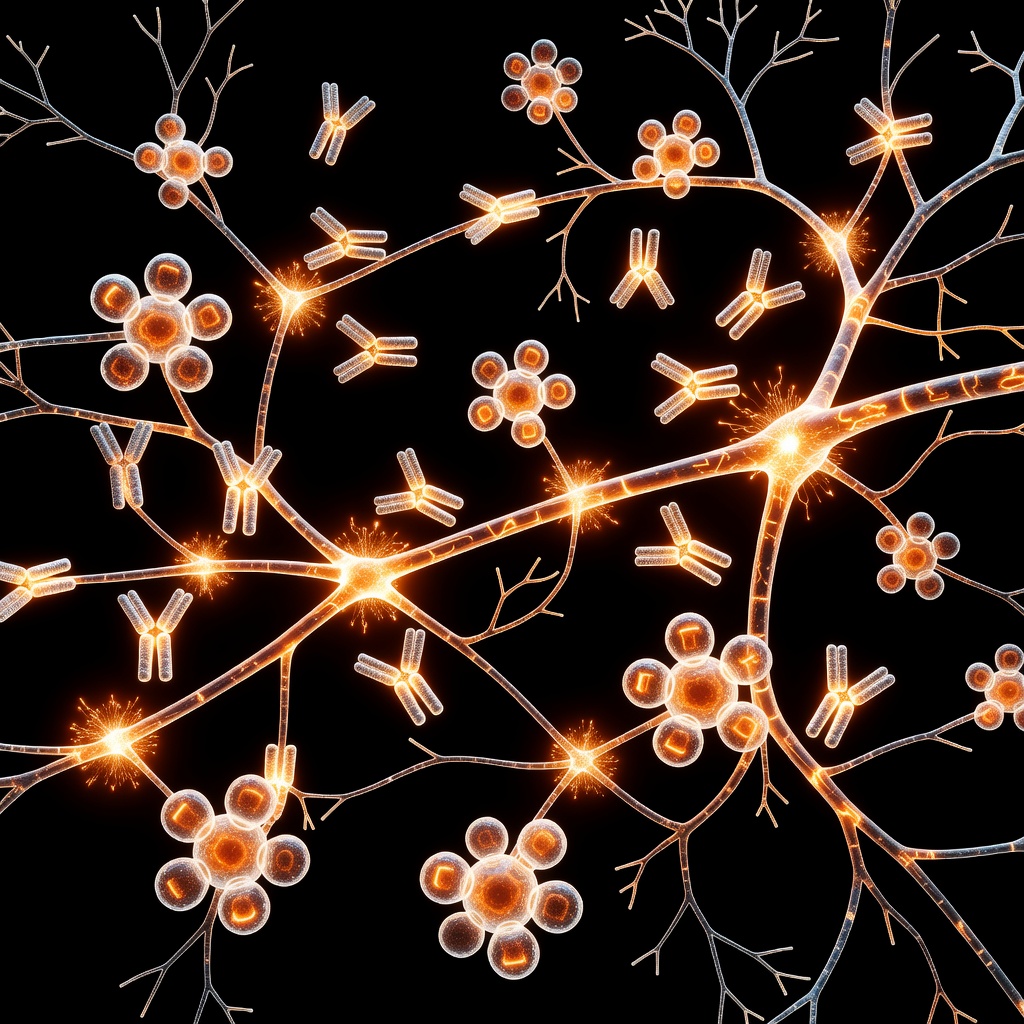
Epigenetic Regulation of Cervical Epithelial Integrity via Progesterone Signaling Pathways
An advanced exploration of how progesterone-mediated epigenetic modifications safeguard the cervical epithelial barrier against environmental stressors and pathogens.

# Epigenetic Regulation of Cervical Epithelial Integrity via Progesterone Signaling Pathways At the intersection of molecular endocrinology and cellular biology lies the cervix—a complex anatomical gatekeeper that mediates the transition between the external vaginal environment and the sterile upper reproductive tract. While often viewed through the lens of reproductive mechanics, the cervix is a highly dynamic immunobiological barrier whose integrity is meticulously governed by the rhythmic fluctuations of steroid hormones. Central to this regulation is progesterone, a hormone traditionally associated with pregnancy maintenance but now understood to be a master epigenetic regulator of the cervical epithelium. This article explores the intricate pathways through which progesterone signaling preserves epithelial structural integrity via epigenetic mechanisms, and how disruptions in this crosstalk represent the root cause of various cervical pathologies. ## The Cervical Barrier: A Structural
Overview
The cervical epithelium is composed of two primary cell types: the stratified squamous epithelium of the ectocervix and the simple columnar epithelium of the endocervix. The point of transition, known as the transformation zone, is the primary site for cellular remodeling and, unfortunately, oncogenic transformation.
The integrity of this barrier depends on the expression of cell-cell junctional complexes, including tight junctions (TJs), adherens junctions (AJs), and desmosomes. These proteins, such as Claudins, Occludin, and E-cadherin, prevent the paracellular movement of pathogens, including the Human Papillomavirus (HPV), and maintain the biochemical gradient necessary for cervical health. ## Progesterone as a Genomic and Epigenetic Architect Progesterone exerts its effects primarily through the Progesterone Receptor (PR), which exists in two main isoforms: PR-A and PR-B. Upon ligand binding, these receptors translocate to the nucleus where they act as ligand-dependent transcription factors. However, the 'root cause' of epithelial resilience lies deeper than simple transcription; it resides in the epigenetic landscape that determines gene accessibility. Progesterone signaling influences the cervical epigenome through three primary modalities: DNA methylation, histone modification, and the regulation of non-coding RNAs. ### 1.
Histone Acetylation and Barrier Protein Expression Histone acetyltransferases (HATs) and histone deacetylases (HDACs) are enzymes that add or remove acetyl groups from histone tails, thereby opening or closing chromatin structure. Progesterone has been shown to modulate the activity of specific HDACs in cervical epithelial cells. By inhibiting HDAC activity at the promoter regions of genes encoding for junctional proteins, progesterone ensures that the chromatin remains in an 'active' state. This epigenetic priming allows for the robust expression of E-cadherin and Occludin, reinforcing the physical barrier against mechanical and microbial stress. ### 2. DNA Methylation and the Prevention of EMT Epithelial-Mesenchymal Transition (EMT) is a process where epithelial cells lose their polar characteristics and gain migratory properties—a hallmark of both cervical remodeling during labor and the progression of cervical cancer.
Progesterone acts as a stabilizer of the epithelial phenotype by influencing DNA methyltransferase (DNMT) activity. Specifically, progesterone signaling helps maintain the methylation patterns that silence pro-migratory genes like Vimentin and Snail. When progesterone levels drop or receptor sensitivity is diminished (due to chronic inflammation or endocrine disruptors), these epigenetic brakes are released, leading to a loss of epithelial integrity and increased susceptibility to malignant transformation. ### 3. MicroRNA Regulation and Inflammatory Signaling MicroRNAs (miRNAs) are small non-coding RNAs that regulate gene expression post-transcriptionally. Progesterone signaling induces the expression of specific miRNAs, such as miR-200 and miR-141, which target the mRNA of transcriptional repressors that would otherwise downregulate barrier proteins.
Furthermore, progesterone-regulated miRNAs dampen the pro-inflammatory NF-kB pathway. Since chronic inflammation is a potent driver of epigenetic dysregulation, progesterone’s role in suppressing 'inflamm-aging' within the cervix is a foundational component of long-term cervical health. ## Root Cause Analysis: Why Signaling Fails Understanding the molecular beauty of progesterone signaling also requires acknowledging why it fails. The root cause of cervical epithelial breakdown is rarely a single event but rather a cumulative failure of the epigenetic-hormonal axis. Several factors contribute to this: 1. Endocrine Disrupting Chemicals (EDCs): Synthetic compounds found in plastics and personal care products can act as xenoestrogens or anti-progestogens.
These chemicals can 'mis-program' the epigenetic markers during critical windows of development or during the menstrual cycle, leading to permanent changes in how the cervical epithelium responds to endogenous progesterone. 2. Chronic Stress and Cortisol: High levels of cortisol can compete for the progesterone receptor or lead to 'progesterone steal,' where hormonal precursors are diverted toward cortisol production. This results in a functional progesterone deficiency, leaving the cervical barrier epigenetically vulnerable. 3. Nutritional Status: The enzymes responsible for epigenetic modifications (DNMTs and HDACs) require specific co-factors, including folate, B12, and magnesium. A deficiency in these micronutrients can lead to aberrant DNA methylation patterns, regardless of how much progesterone is circulating in the blood. ## Clinical Implications and the Future of Cervical Health The shift toward an epigenetic understanding of cervical health moves the focus from reactive treatments (such as treating an existing HPV infection) to proactive barrier reinforcement.
By optimizing progesterone sensitivity and providing the nutritional and environmental precursors for healthy epigenetic signaling, we can potentially enhance the innate resistance of the cervical epithelium. Future therapeutic strategies may involve the use of 'epigenetic diets' or targeted bioidentical progesterone therapy to restore epithelial integrity in individuals showing early signs of cervical insufficiency or dysplasia. By addressing the root cause—the molecular signaling environment—we empower the body to maintain its most vital biological gate. ## Conclusion The integrity of the cervical epithelium is a masterpiece of epigenetic orchestration, with progesterone serving as the lead conductor. Through the precise management of histone modifications, DNA methylation, and miRNA expression, progesterone ensures that the cervical barrier remains a robust shield. Protecting this pathway from environmental and lifestyle-induced disruption is essential for lifelong reproductive health and the prevention of cervical disease.
This article is provided for informational and educational purposes only. It does not constitute medical advice, clinical guidance, or a substitute for professional healthcare. Information reflects cited research at time of publication. Always consult a qualified healthcare professional before acting on any health information.
RESEARCH FOUNDATIONS
Biological Credibility Archive
Citations provided for educational reference. Verify via PubMed or institutional databases.
Medical Disclaimer
The information in this article is for educational purposes only and does not constitute medical advice, diagnosis, or treatment. Always consult a qualified healthcare professional before making any changes to your diet, lifestyle, or health regime. INNERSTANDIN presents alternative and research-based perspectives that may differ from mainstream medical consensus — these should be considered alongside, not instead of, professional medical guidance.
Read Full DisclaimerReady to learn more?
Continue your journey through our classified biological research.
DISCUSSION ROOM
Members of THE COLLECTIVE discussing "Epigenetic Regulation of Cervical Epithelial Integrity via Progesterone Signaling Pathways"
SILENT CHANNEL
Be the first to discuss this article. Your insight could help others understand these biological concepts deeper.
THE ARSENAL
Based on Cervical Health & Hormonal Influence — products curated by our research team for educational relevance and biological support.
Magnesium Blend – The Most Important Mineral

Clean Slate – Detoxes thousands of chemicals,heavy metals, pesticides, allergens, mold spores and fungus
Vegan Essential Amino Acids – Plant-Powered Protein Building
INNERSTANDING may earn a commission on purchases made through these links. All products are selected based on rigorous educational relevance to our biological research.
RABBIT HOLE
Follow the biological thread deeper