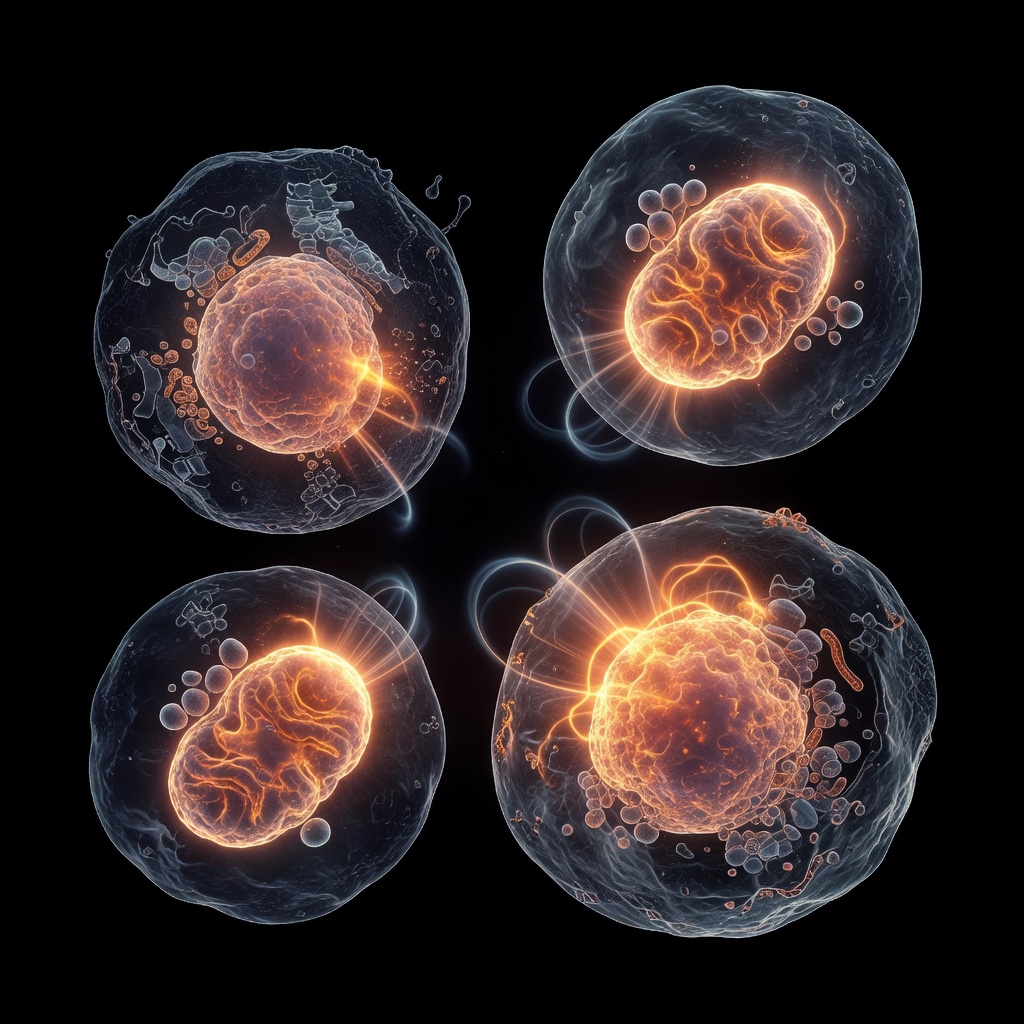
Hypothalamic-Pituitary-Cervical Axis: How Chronic Cortisol Elevation Disrupts Cervical Glycan Expression
An exploration of the biochemical intersection between the endocrine stress response and cervical health, detailing how chronic cortisol elevation alters glycan expression, compromises immune barriers, and impacts reproductive longevity.
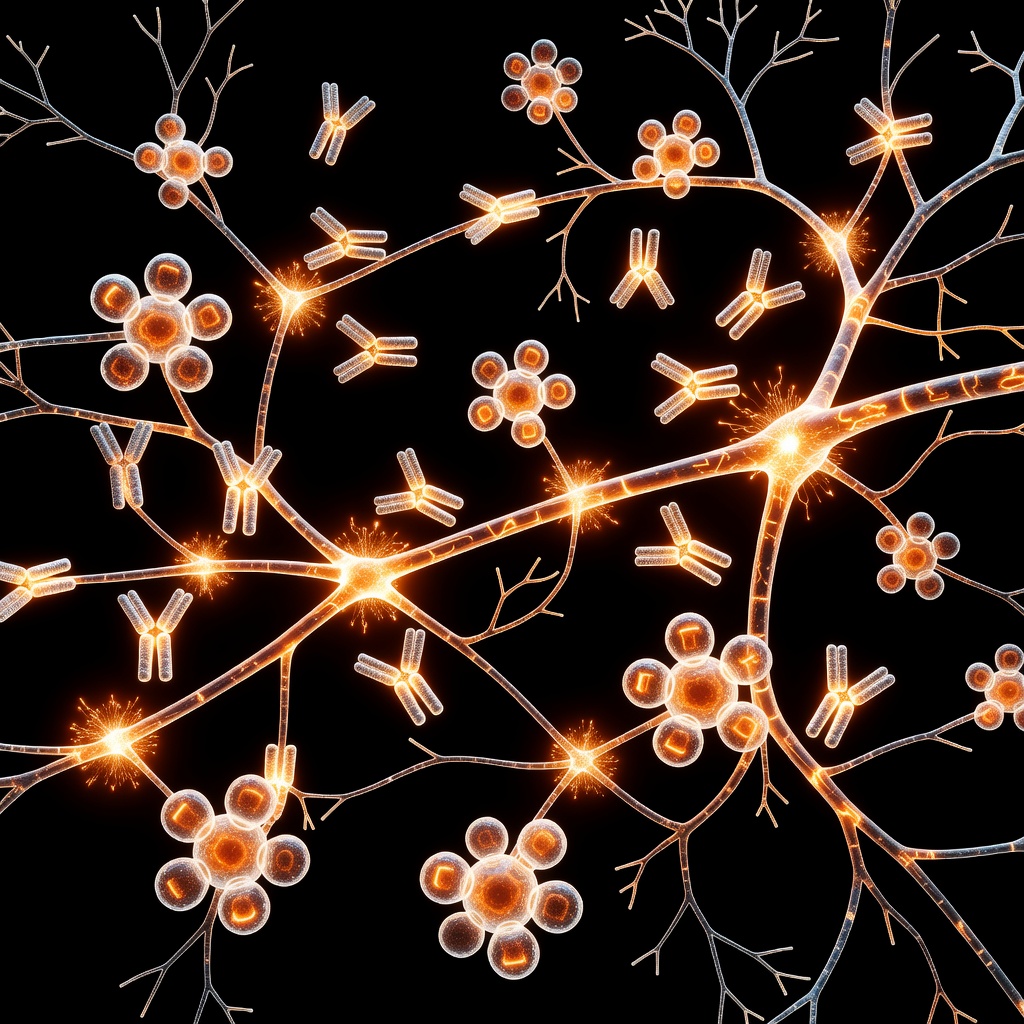
# The Forgotten Axis: The Hypothalamic-Pituitary-Cervical (HPC) Connection. While the medical community has long focused on the Hypothalamic-Pituitary-Adrenal (HPA) and Hypothalamic-Pituitary-Ovarian (HPO) axes, a burgeoning field of research is uncovering a more nuanced regulatory pathway: the Hypothalamic-Pituitary-Cervical (HPC) axis. This conceptual framework acknowledges that the cervix is not merely a passive anatomical gatekeeper but a dynamic, hormone-responsive endocrine organ. At the heart of this axis lies the interaction between the body's primary stress hormone, cortisol, and the complex carbohydrate structures known as glycans that define the cervical environment. Understanding this relationship is critical for addressing root-cause issues in fertility, chronic infection, and hormonal dysregulation. ## The Endocrine Cascade: From Stress to the Cervical Crypts.
When the hypothalamus perceives a stressor, it releases Corticotropin-Releasing Hormone (CRH), which prompts the pituitary gland to secrete Adrenocorticotropic Hormone (ACTH). This, in turn, signals the adrenal cortex to produce cortisol. Under normal conditions, cortisol is a vital anti-inflammatory agent. However, chronic elevation—driven by modern stressors, nutritional deficiencies, and circadian disruption—leads to a state of systemic 'glucocorticoid resistance.' In the context of the HPC axis, high systemic cortisol directly interferes with the HPO axis by suppressing the release of Gonadotropin-Releasing Hormone (GnRH). This suppression creates a ripple effect: reduced estrogen and progesterone levels directly alter the biosynthetic activity of the cervical epithelium.
The cervix depends on precise ratios of these sex steroids to regulate the production of mucus, but more importantly, to regulate the glycosylation of the mucin proteins within that mucus. ## Understanding the Cervical Glycome. Glycans are complex chains of sugar molecules attached to proteins (glycoproteins) and lipids. In the cervix, the 'glycome' is primarily composed of O-glycans found on mucin proteins like MUC5B and MUC4. These glycans act as a biological code. They determine the viscosity of cervical fluid, provide a scaffold for the vaginal microbiome (specifically Lactobacillus species), and act as decoys for pathogens.
Specifically, terminal sugars like sialic acid and fucose are essential. Sialic acid provides a negative charge that helps trap bacteria and viruses, while fucose serves as a primary food source for beneficial bacteria. When we discuss the HPC axis, we are specifically looking at how cortisol disrupts the enzymes—glycosyltransferases—responsible for building these sugar chains. ## How Chronic Cortisol Disrupts Glycan Expression. Chronic cortisol elevation disrupts cervical glycan expression through three primary mechanisms. First, cortisol acts as a transcriptional regulator.
It can bind to glucocorticoid response elements (GREs) in the DNA of cervical epithelial cells, downregulating the expression of specific glycosyltransferase genes. For example, research indicates that high stress environments can lead to a decrease in ST3Gal-family enzymes, which are responsible for sialylation. The result is a 'desialylated' cervical barrier that is significantly more permeable to pathogens like HPV and E. coli. Second, cortisol induces a state of metabolic shifting. The synthesis of glycans requires a steady supply of nucleotide sugars (like UDP-galactose).
Under chronic stress, the body prioritizes glucose for the 'fight or flight' response, diverting resources away from the complex biosynthetic pathways required for mucosal integrity. Third, cortisol alters the local immune microenvironment. It suppresses the secretion of Secretory IgA (SIgA) in the cervical fluid. SIgA normally works in tandem with glycans to neutralize toxins. Without this synergy, the glycans that are produced are left undefended, making them easy targets for bacterial enzymes (sialidases) produced by opportunistic pathogens during bacterial vaginosis. ## The Functional Consequences: Fertility and Defense.
The disruption of the cervical glycome has profound implications for reproductive health. During the ovulatory phase, glycans should be structured to facilitate sperm transport. Chronic cortisol elevation often leads to 'hostile' cervical mucus—where the glycans are overly cross-linked or lack the necessary hydration-promoting sugars, effectively trapping sperm and preventing conception. Furthermore, a disrupted glycome is a major risk factor for ascending infections. If the cervical glycan shield is compromised, pathogens can more easily migrate from the vagina into the uterus and fallopian tubes, increasing the risk of Pelvic Inflammatory Disease (PID) and pregnancy complications.
This highlights why stress management is not just 'self-care' but a fundamental requirement for maintaining the structural integrity of the reproductive tract. ## Root-Cause Restoration: Rebalancing the HPC Axis. Addressing cervical glycan disruption requires a multi-faceted approach that moves beyond local treatments. At INNERSTANDING, we emphasize the following root-cause strategies: 1. HPA Axis Calibration: Utilizing adaptogenic herbs like Ashwagandha and Rhodiola can help modulate the output of cortisol, reducing its inhibitory effect on the HPO and HPC axes. 2. Nutritional Glycan Support: Providing the building blocks for glycan synthesis is essential.
This includes a diet rich in L-fucose sources (like certain seaweeds) and ensuring adequate intake of zinc and magnesium, which act as cofactors for glycosyltransferase enzymes. 3. Nervous System Regulation: Since the HPC axis is driven by the brain's perception of safety, practices that increase vagal tone—such as deep diaphragmatic breathing and cold-water immersion—can directly lower systemic cortisol, allowing the cervical epithelium to resume normal glyco-biosynthesis. 4. Microbiome Symbiosis: Supporting the vaginal microbiome with targeted probiotics (L. crispatus) helps protect the existing glycan layer from enzymatic degradation by harmful bacteria. ## Conclusion. The Hypothalamic-Pituitary-Cervical axis represents a critical bridge between our mental state and our physiological defense systems. By recognizing that chronic cortisol elevation directly reshapes the molecular landscape of the cervix, we can move toward more sophisticated, root-cause solutions for women's health.
Protecting the cervical glycome is not just about local hygiene; it is about harmonizing the complex dialogue between the brain and the reproductive system.
This article is provided for informational and educational purposes only. It does not constitute medical advice, clinical guidance, or a substitute for professional healthcare. Information reflects cited research at time of publication. Always consult a qualified healthcare professional before acting on any health information.
RESEARCH FOUNDATIONS
Biological Credibility Archive
Citations provided for educational reference. Verify via PubMed or institutional databases.
Medical Disclaimer
The information in this article is for educational purposes only and does not constitute medical advice, diagnosis, or treatment. Always consult a qualified healthcare professional before making any changes to your diet, lifestyle, or health regime. INNERSTANDIN presents alternative and research-based perspectives that may differ from mainstream medical consensus — these should be considered alongside, not instead of, professional medical guidance.
Read Full DisclaimerReady to learn more?
Continue your journey through our classified biological research.
THE ARSENAL
Based on Cervical Health & Hormonal Influence — products curated by our research team for educational relevance and biological support.
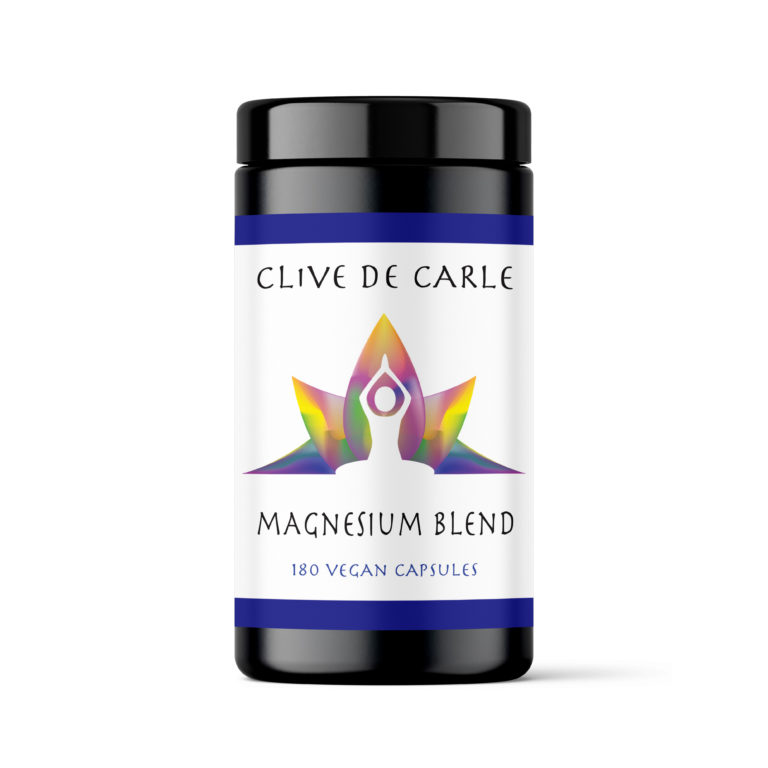
Magnesium Blend – The Most Important Mineral
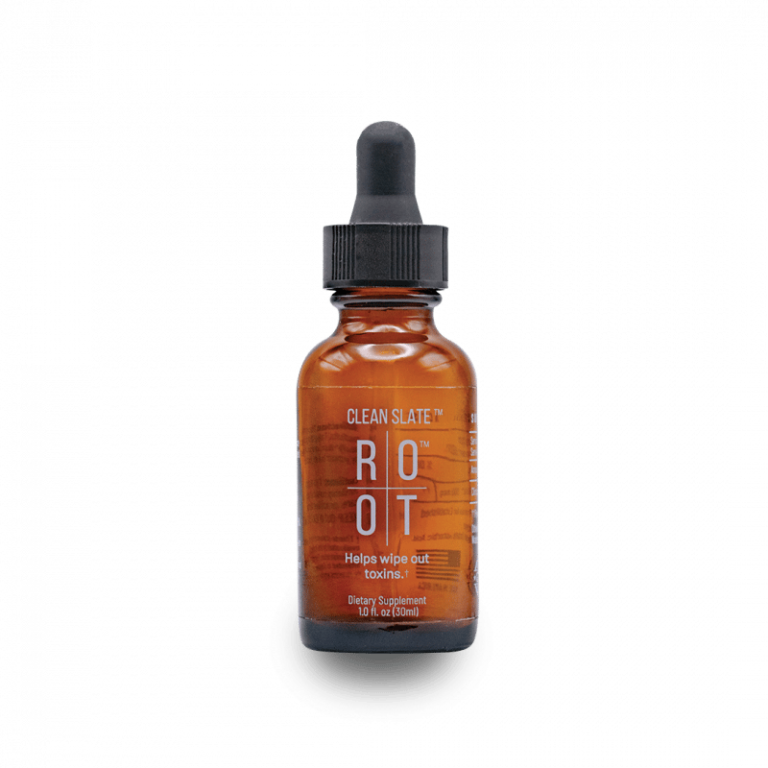
Clean Slate – Detoxes thousands of chemicals,heavy metals, pesticides, allergens, mold spores and fungus
Vegan Essential Amino Acids – Plant-Powered Protein Building
INNERSTANDING may earn a commission on purchases made through these links. All products are selected based on rigorous educational relevance to our biological research.
RABBIT HOLE
Follow the biological thread deeper