
Epigenetic Regulation of T-Lymphocyte Differentiation in Hypertrophic Adenoid Vegetations
An in-depth exploration of the molecular and epigenetic drivers behind adenoid hypertrophy, focusing on how T-lymphocyte differentiation and environmental factors contribute to chronic nasopharyngeal inflammation.
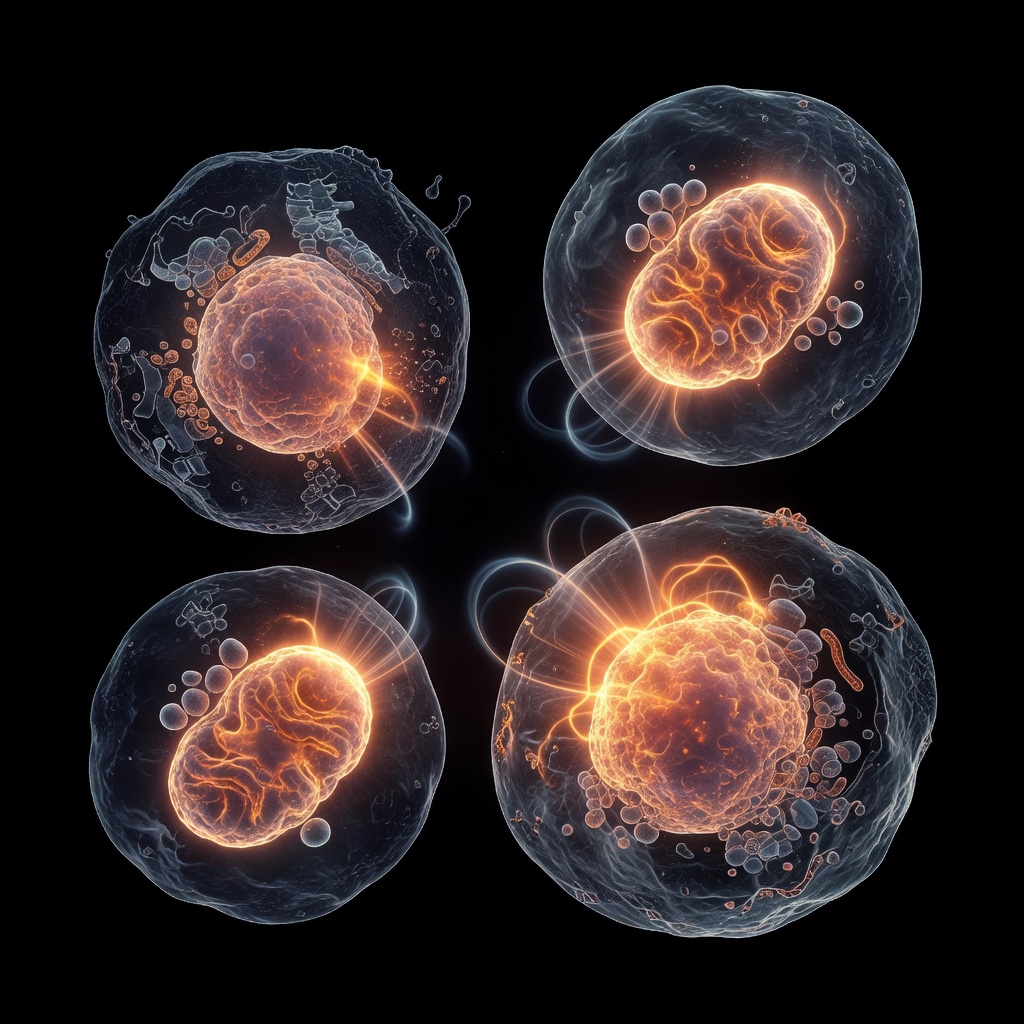
# Epigenetic Regulation of T-Lymphocyte Differentiation in Hypertrophic Adenoid Vegetations
The Immunological Landscape of the Nasopharynx
Adenoid hypertrophy (AH) is a prevalent condition in the pediatric population, often characterized by the pathological enlargement of the nasopharyngeal tonsil. While traditionally viewed through a mechanical lens—focusing on the physical obstruction of the airway, Eustachian tubes, and posterior nares—modern immunology and the INNERSTANDING philosophy encourage a deeper investigation. We must ask: what are the root causes of this cellular expansion? Emerging research indicates that adenoid hypertrophy is not merely a localized response to infection but a complex manifestation of systemic immune dysregulation, specifically governed by the epigenetic regulation of T-lymphocyte differentiation.
The adenoids are a critical component of Waldeyer’s ring, serving as the first line of defense against inhaled and ingested pathogens. This secondary lymphoid organ is uniquely positioned to sample the environment and orchestrate an immune response. In a state of health, this response is transient and self-limiting. However, in cases of chronic hypertrophy, the tissue remains in a state of persistent proliferative inflammation. At the heart of this process are T-lymphocytes, the 'architects' of the adaptive immune system.
T-Lymphocyte Subsets and the Hypertrophic Shift
T-lymphocyte differentiation is the process by which naive CD4+ T-cells transform into specialized subsets: Th1, Th2, Th17, or Regulatory T-cells (Tregs). Each subset produces a specific profile of cytokines that dictate the nature of the inflammatory response. In hypertrophic adenoid vegetations, this balance is significantly skewed.
Research consistently demonstrates a shift toward a Th2 and Th17 dominance. Th2 cells are typically associated with allergic responses and the recruitment of eosinophils, while Th17 cells produce IL-17, a potent inducer of neutrophil-mediated inflammation and tissue remodeling. Crucially, this shift is often accompanied by a functional deficiency in Tregs—the cells responsible for 'putting on the brakes' and preventing excessive tissue growth. When the Treg population is suppressed, the adenoid tissue undergoes uncontrolled hyperplasia in response to everyday environmental triggers.
Epigenetics: The Molecular Switchboard
If the genetic code is the blueprint, epigenetics is the foreman who decides which parts of the blueprint are used at any given time. Epigenetic modifications, such as DNA methylation and histone modification, alter gene expression without changing the underlying DNA sequence. These modifications are the primary mechanism by which environmental factors translate into biological changes.
In children with adenoid hypertrophy, the epigenetic landscape of their T-lymphocytes is significantly altered. One of the most studied areas is the methylation status of the FOXP3 gene. FOXP3 is the master transcription factor for the development of Treg cells. Studies have shown that the FOXP3 promoter region in T-cells extracted from hypertrophic adenoids often exhibits hypermethylation. When a gene is hypermethylated, it is effectively silenced. This epigenetic silencing of FOXP3 results in a diminished capacity to produce anti-inflammatory Tregs, thereby removing the natural inhibition of adenoid growth.
Histone Modifications and Chromatin Remodeling
Beyond DNA methylation, the structural proteins around which DNA is wrapped—histones—play a vital role. Histone acetylation, managed by enzymes called histone acetyltransferases (HATs) and histone deacetylases (HDACs), determines how 'open' or 'closed' the chromatin is. In the context of adenoid hypertrophy, an imbalance between HAT and HDAC activity has been identified.
In many cases, the chromatin regions associated with pro-inflammatory cytokines like TNF-alpha and IL-6 are found in an 'open' or hyper-acetylated state. This allows for the rapid and sustained transcription of these factors, which act as mitogens, stimulating the proliferation of both lymphoid and epithelial cells within the adenoid. This chronic state of 'molecular readiness' for inflammation means that even minor viral or bacterial exposures can trigger disproportionate tissue enlargement.
The Role of MicroRNAs: Fine-Tuning Hypertrophy
Another layer of epigenetic control involves non-coding RNAs, specifically microRNAs (miRNAs). These molecules do not produce proteins themselves but bind to messenger RNA to inhibit the production of other proteins. In hypertrophic adenoids, specific miRNA signatures have been discovered that target the signaling pathways of T-cell receptors. For example, the downregulation of miR-21 or miR-155 can disrupt the normal maturation of Th1 cells, further biasing the system toward the pro-hypertrophic Th2 and Th17 pathways. These miRNAs act as fine-tuners of the immune response, and their dysregulation contributes to the persistence of the hypertrophic state.
Environmental Drivers: The Epigenetic Triggers
At INNERSTANDING, we focus on the root causes that drive these epigenetic shifts. The 'epigenetic landscape' is not static; it is shaped by the environment. Several key factors have been implicated in the epigenetic reprogramming of adenoid T-lymphocytes:
- —Air Pollution and PM2.5: Fine particulate matter can induce oxidative stress, which interferes with the enzymes responsible for maintaining DNA methylation patterns. This can lead to the accidental silencing of protective immune genes.
- —Microbial Biofilms: Persistent colonization by pathogens like *Haemophilus influenzae* or *Streptococcus pneumoniae* in the form of biofilms can manipulate host epigenetics. These bacteria can release metabolites that influence HDAC activity, effectively 'tricking' the host immune system into a chronic inflammatory state that favors bacterial survival and tissue growth.
- —Nutritional Status: Methyl donors such as folate, choline, and vitamin B12 are essential for the methylation process. A deficiency in these nutrients, common in the modern diet, may leave the immune system unable to properly regulate the FOXP3 gene, predisposing children to hypertrophy.
- —Early Life Stress: Emerging evidence suggests that early physiological or psychological stress can influence the methylation of immune-related genes, setting the stage for hyper-reactivity in the nasopharyngeal lymphoid tissues.
Moving Beyond Surgery: A Holistic Perspective
Adenoidectomy is one of the most common surgical procedures performed on children worldwide. While it provides immediate relief from obstructive symptoms, it is a treatment of the symptom, not the cause. If the underlying epigenetic dysregulation and T-lymphocyte imbalance are not addressed, many children continue to suffer from associated conditions such as allergic rhinitis, asthma, or recurrent upper respiratory infections.
The future of adenoid health lies in precision immunology. By understanding the epigenetic status of a patient’s T-cells, we can begin to consider targeted interventions. This might include 'epi-nutrients' that support healthy methylation, probiotics that shift the nasopharyngeal microbiome toward a commensal state, or environmental modifications that reduce the oxidative burden on the nasopharynx.
Conclusion
Hypertrophic adenoid vegetations are a testament to the complexity of the pediatric immune system. Rather than seeing them as a simple surgical problem, we must view them as a molecular signal. The epigenetic regulation of T-lymphocyte differentiation reveals that adenoid growth is a finely tuned (or, in this case, poorly tuned) response to a variety of environmental and internal stimuli. By focusing on the root causes—the molecular switches of DNA methylation, histone modification, and microbial influence—we can move toward a more comprehensive and restorative approach to childhood health. True healing comes from INNERSTANDING the delicate balance of the body’s innate immunity.
This article is provided for informational and educational purposes only. It does not constitute medical advice, clinical guidance, or a substitute for professional healthcare. Information reflects cited research at time of publication. Always consult a qualified healthcare professional before acting on any health information.
RESEARCH FOUNDATIONS
Biological Credibility Archive
Citations provided for educational reference. Verify via PubMed or institutional databases.
Medical Disclaimer
The information in this article is for educational purposes only and does not constitute medical advice, diagnosis, or treatment. Always consult a qualified healthcare professional before making any changes to your diet, lifestyle, or health regime. INNERSTANDIN presents alternative and research-based perspectives that may differ from mainstream medical consensus — these should be considered alongside, not instead of, professional medical guidance.
Read Full DisclaimerReady to learn more?
Continue your journey through our classified biological research.
DISCUSSION ROOM
Members of THE COLLECTIVE discussing "Epigenetic Regulation of T-Lymphocyte Differentiation in Hypertrophic Adenoid Vegetations"
SILENT CHANNEL
Be the first to discuss this article. Your insight could help others understand these biological concepts deeper.
THE ARSENAL
Based on Tonsils, Adenoids & Innate Immunity — products curated by our research team for educational relevance and biological support.

Panaceum – Prebiotic Oligosaccharide Complex
INNERSTANDING may earn a commission on purchases made through these links. All products are selected based on rigorous educational relevance to our biological research.
RABBIT HOLE
Follow the biological thread deeper

