Epigenetic Silencing of Pro-Apoptotic Tumor Suppressor Genes in Chronic Inflammation
Discuss this resourceUpdated August 2026
An in-depth analysis of how chronic inflammatory states induce epigenetic modifications that silence vital tumor-suppressing genes, effectively disabling the body's natural apoptosis pathways.
Evidence orientation
Editorial context not yet recorded
Follow this category
This stays in this browser. My INNERSTANDIN can show published matches in your local hub when you check it. It does not send email, push, or alert notifications.
Local learning review
A private browser aid for revisiting ideas. It is not an alert or a health recommendation.
Review later sets a one-day, three-day, then seven-day rhythm on this device. Choose it only when you want to revisit this article.

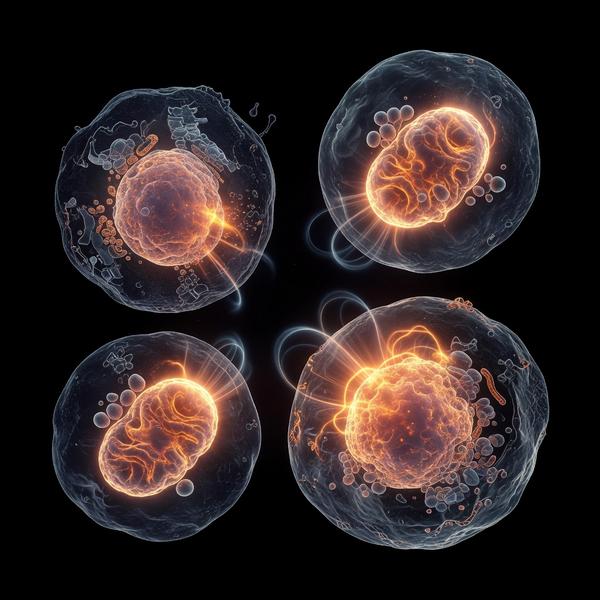
The Intersection of Inflammation and Cellular Survival. In the landscape of cellular health, apoptosis—or programmed cell death—acts as a vital gatekeeper. It ensures that damaged, mutated, or redundant cells are systematically removed before they can propagate dysfunction. However, within the environment of chronic inflammation, this elegant mechanism is often compromised. At the root of this failure lies epigenetic silencing, a process where chemical modifications to DNA and histone proteins effectively shut down the expression of pro-apoptotic tumor suppressor genes. ### The Mechanics of Epigenetic Silencing.
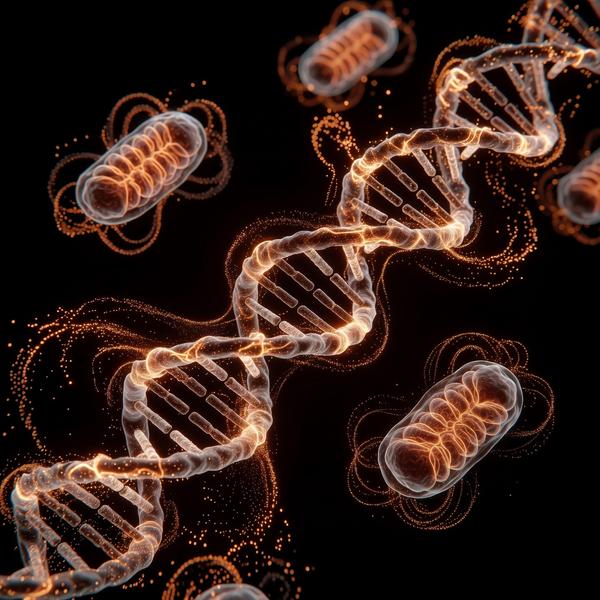
Chronic inflammation creates a persistent release of pro-inflammatory cytokines such as TNF-alpha, IL-6, and IL-1beta. These signaling molecules activate transcription factors like NF-kappaB, which drive the expression of DNA methyltransferases (DNMTs). These enzymes catalyze the addition of methyl groups to the promoter regions of tumor suppressor genes. When these regions become hypermethylated, the transcriptional machinery is physically blocked from accessing the gene, leading to 'silencing.' This is not a mutation in the DNA code itself, but rather a functional 'off-switch' induced by the inflammatory milieu. ### Targeted Genes and Pathway Disruption. Key genes involved in initiating apoptosis, such as P53, CASP8, and BAX, are frequent targets of this inflammatory methylation.
When these genes are epigenetically silenced, the cell loses its ability to initiate the intrinsic or extrinsic apoptotic pathways in response to DNA damage. Essentially, the chronic inflammatory environment creates a 'mutator phenotype' by simultaneously causing DNA damage through oxidative stress while disabling the cellular machinery required to eliminate the resulting rogue cells. ### Beyond Methylation: Histone Modification. Beyond DNA methylation, chronic inflammation also influences histone acetyltransferases and deacetylases. The remodeling of chromatin into a dense, inaccessible state—heterochromatin—further ensures that pro-apoptotic genes remain dormant. This structural sequestration acts as a secondary layer of protection for the damaged cell, preventing it from undergoing its programmed death. ### Root-Cause Considerations.
Addressing this process requires more than symptom management. At INNERSTANDING, we emphasize that reducing systemic inflammation through metabolic support, anti-inflammatory dietary strategies, and mitochondrial optimization can potentially reverse or halt the progression of epigenetic silencing. By quenching the inflammatory signals that trigger DNMT recruitment, we provide the cellular environment necessary for the re-expression of tumor suppressor genes. ### Conclusion. The epigenetic silencing of pro-apoptotic pathways is a hallmark of the transition from chronic inflammation to oncogenesis. Understanding that these 'switches' are dynamic and potentially reversible offers a powerful framework for proactive health management, shifting the focus from treating the late-stage disease to correcting the underlying cellular signaling errors.
This article is provided for informational and educational purposes only. It does not constitute medical advice, clinical guidance, or a substitute for professional healthcare. Information reflects cited research at time of publication. Always consult a qualified healthcare professional before acting on any health information.
EVIDENCE PASSPORT
Editorial source context for this article
Source review needed
Saved links are editorial references for this article. They may support specific claims rather than every sentence. Open and assess each source in context. This passport does not independently verify them.
Editorial context
A complete editorial reading has not been recorded for this article, and no source links are saved on its record.
Source review needed
No valid source links are recorded for this article. Supplementary research, where available, is listed separately below.
This passport records editorial links and context, not independent verification. Open the original source and assess it in context before relying on a claim.
Medical Disclaimer
The information in this article is for educational purposes only and does not constitute medical advice, diagnosis, or treatment. Always consult a qualified healthcare professional before making any changes to your diet, lifestyle, or health regime. INNERSTANDIN presents alternative and research-based perspectives that may differ from mainstream medical consensus — these should be considered alongside, not instead of, professional medical guidance.
Read Full DisclaimerContinue the thread
Keep this question moving.
Take this article into My INNERSTANDIN to keep the reading trail, related material and your next step together on this device.
Dig deeper in the Library
Free, longform PDF volumes that go beyond headlines into mechanisms and references.
RABBIT HOLE
Follow the biological thread deeper