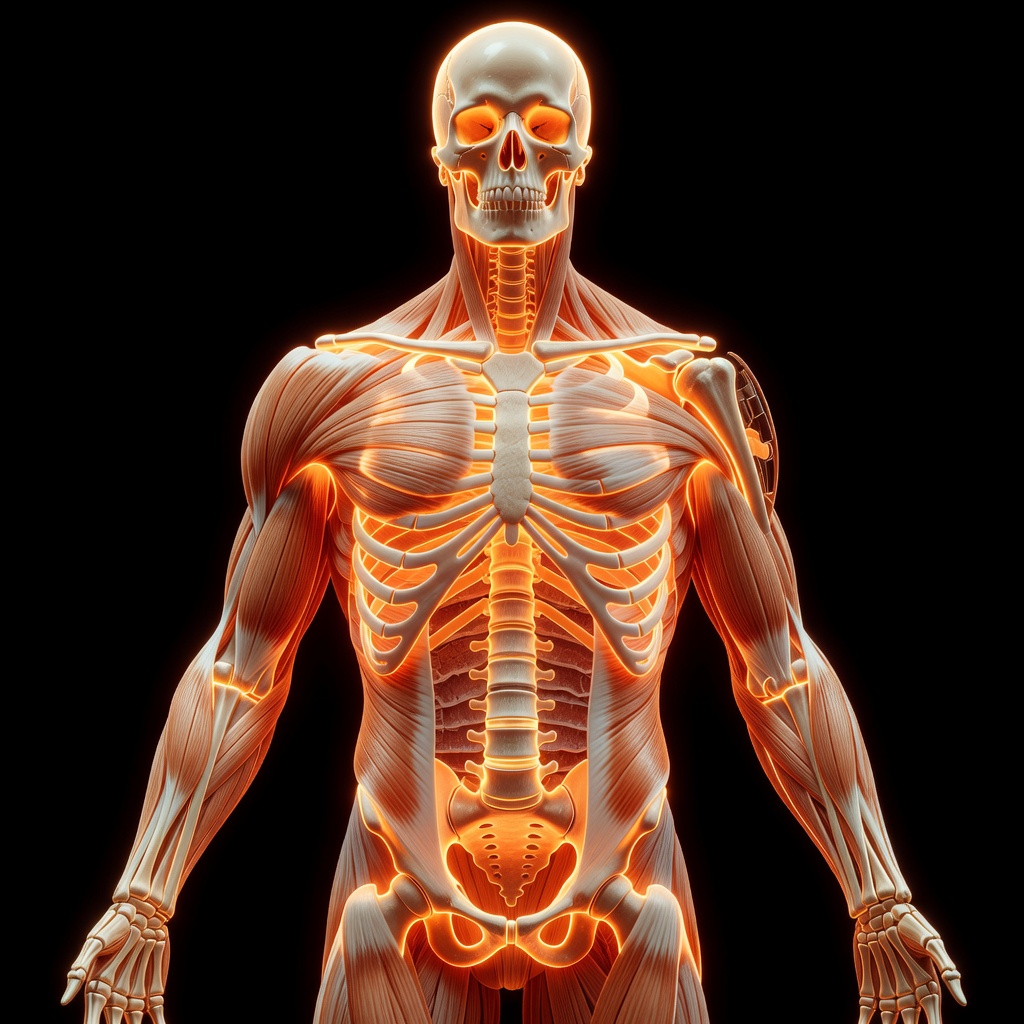
The Estrogen-Mast Cell Loop: Hormonal Drivers of Hyper-Responsiveness
Clinical evidence suggests a significant gender bias in MCAS prevalence, pointing toward a profound interaction between sex hormones and mast cell behavior. This article examines how estradiol enhances degranulation via Alpha-type estrogen receptors while inhibiting the histamine-clearing enzyme DAO. We discuss the biological framework for cyclical flares and the necessity of a mast-cell-aware approach to hormonal health.

It is well-documented that Mast Cell Activation Syndrome disproportionately affects women, particularly during the reproductive years. This is not a coincidence of lifestyle but a result of a complex biological feedback loop between estrogen and mast cells. Mast cells express both Estrogen Receptor Alpha (ERα) and Estrogen Receptor Beta (ERβ). When estradiol (E2) binds to these receptors, it acts as a secretagogue, directly stimulating the mast cell to release histamine and other mediators. Crucially, this relationship is bidirectional: mast cell degranulation releases histamine, which then stimulates the ovaries to produce more estrogen, creating a self-perpetuating cycle of hyper-responsiveness.
Furthermore, high levels of estrogen have been shown to downregulate the activity of Diamine Oxidase (DAO), the primary enzyme responsible for breaking down extracellular histamine in the gut. This explains why many women with MCAS experience significant symptom flares during the ovulatory and pre-menstrual phases of their cycle when estrogen is high. Mainstream medicine often treats these as isolated 'hormonal issues' or PMS, failing to recognize the underlying mast cell involvement. In contrast, progesterone has a stabilizing effect on mast cells and can upregulate DAO activity, acting as a natural brake on the system. For the MCAS patient, achieving hormonal balance is not just about fertility; it is a critical strategy for immune stabilization.
Practical takeaways include the monitoring of estrogen-to-progesterone ratios and the use of calcium-d-glucarate to support the detoxification of excess estrogens through the glucuronidation pathway. By interrupting the estrogen-mast cell loop, we can provide targeted relief for cyclical MCAS symptoms and restore systemic balance.
This article is provided for informational and educational purposes only. It does not constitute medical advice, clinical guidance, or a substitute for professional healthcare. Information reflects cited research at time of publication. Always consult a qualified healthcare professional before acting on any health information.
RESEARCH FOUNDATIONS
Biological Credibility Archive
Citations provided for educational reference. Verify via PubMed or institutional databases.
Medical Disclaimer
The information in this article is for educational purposes only and does not constitute medical advice, diagnosis, or treatment. Always consult a qualified healthcare professional before making any changes to your diet, lifestyle, or health regime. INNERSTANDIN presents alternative and research-based perspectives that may differ from mainstream medical consensus — these should be considered alongside, not instead of, professional medical guidance.
Read Full DisclaimerReady to learn more?
Continue your journey through our classified biological research.
DISCUSSION ROOM
Members of THE COLLECTIVE discussing "The Estrogen-Mast Cell Loop: Hormonal Drivers of Hyper-Responsiveness"
SILENT CHANNEL
Be the first to discuss this article. Your insight could help others understand these biological concepts deeper.
THE ARSENAL
Based on Mast Cell Activation Syndrome — products curated by our research team for educational relevance and biological support.
Energy Blend Supports
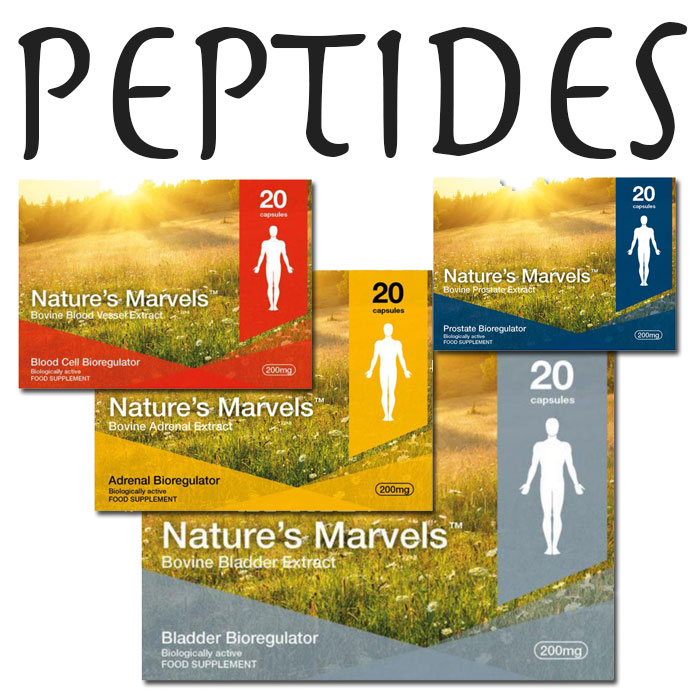
Peptides, one of the secret Russian military health marvels, now available. 40 years research
Clean Slate – Detoxes thousands of chemicals,heavy metals, pesticides, allergens, mold spores and fungus
INNERSTANDING may earn a commission on purchases made through these links. All products are selected based on rigorous educational relevance to our biological research.
RABBIT HOLE
Follow the biological thread deeper