From Substrate to Systemic Health: Mapping the Pathophysiology of Mineral-Deficient British Soils
Discuss this resourceUpdated August 2026
An exploration of how the geological and agricultural depletion of British soil minerals creates a cascade effect, leading to systemic health vulnerabilities in the UK population.
Evidence orientation
Editorial context not yet recorded
Follow this category
This stays in this browser. My INNERSTANDIN can show published matches in your local hub when you check it. It does not send email, push, or alert notifications.
Local learning review
A private browser aid for revisiting ideas. It is not an alert or a health recommendation.
Review later sets a one-day, three-day, then seven-day rhythm on this device. Choose it only when you want to revisit this article.
The Foundation of Human Biology
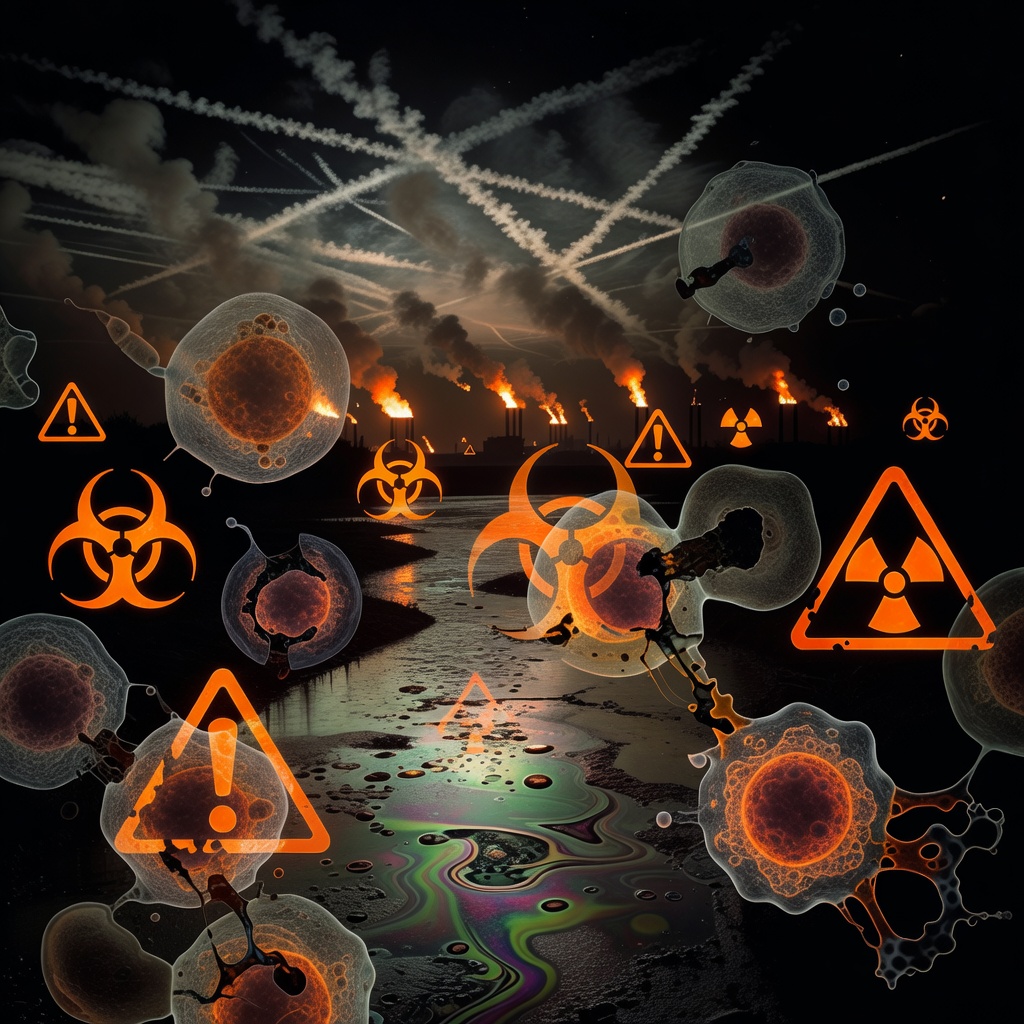
Human health does not exist in a vacuum; it is a direct extension of the geochemical environment we inhabit. At INNERSTANDING, we recognize that the 'substrate'—our soil—is the fundamental blueprint for our nutritional integrity. However, decades of intensive industrial agriculture across the British Isles have precipitated a silent crisis: the systemic depletion of essential minerals from our landscape.
The Pathophysiology of Mineral Depletion
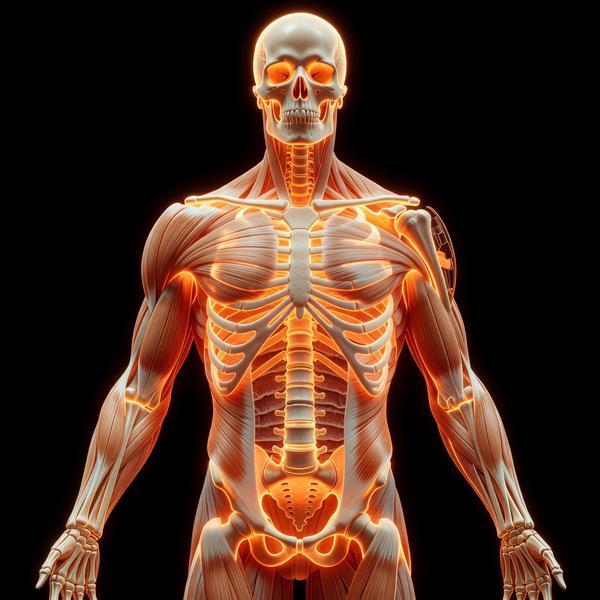
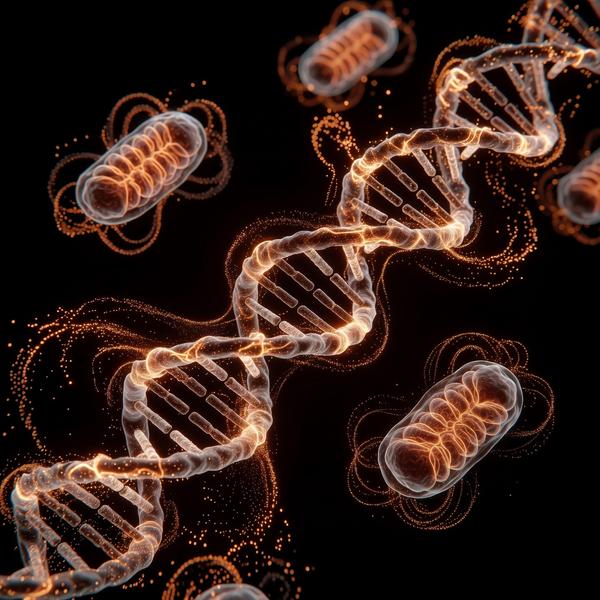
In the UK, the combination of monocropping, synthetic nitrogen-phosphorus-potassium (NPK) fertilization, and soil acidification has disrupted the symbiotic relationship between plant root systems and soil microorganisms. Minerals like magnesium, selenium, zinc, and iodine are not merely 'additives'; they are the co-factors required for human enzymatic reactions, DNA repair, and hormone synthesis. When the soil substrate is depleted, the nutritional density of our crops plummets. This creates a systemic pathology where a population may be 'calorically fed but nutrient-starved,' leading to chronic metabolic dysregulation.
The UK Context: A Geological and Agricultural Challenge
Britain’s soil is historically weathered, yet modern farming practices have accelerated leaching. Without organic matter to anchor these trace elements, vital minerals simply wash away. Selenium levels, for instance, are notoriously low in British soil compared to volcanic regions, directly correlating with lower antioxidant status and higher incidences of thyroid dysfunction in the British population. Magnesium deficiency, exacerbated by high-stress lifestyles and the consumption of 'denatured' crops, leaves the nervous system in a state of perpetual hyper-arousal.
Mapping the Path to Recovery
To restore systemic health, we must move beyond symptomatic treatment and look toward regenerative soil management. By reintegrating soil biota through humic substances and diversified crop rotation, we can begin to remineralize the food chain. For the individual, this means prioritizing biodynamic produce, understanding soil provenance, and recognizing that our internal biomes are mirrors of the earth’s external health. We are only as robust as the ground from which our sustenance grows.
This article is provided for informational and educational purposes only. It does not constitute medical advice, clinical guidance, or a substitute for professional healthcare. Information reflects cited research at time of publication. Always consult a qualified healthcare professional before acting on any health information.
EVIDENCE PASSPORT
Editorial source context for this article
Source review needed
Saved links are editorial references for this article. They may support specific claims rather than every sentence. Open and assess each source in context. This passport does not independently verify them.
Editorial context
A complete editorial reading has not been recorded for this article, and no source links are saved on its record.
Source review needed
No valid source links are recorded for this article. Supplementary research, where available, is listed separately below.
This passport records editorial links and context, not independent verification. Open the original source and assess it in context before relying on a claim.
Medical Disclaimer
The information in this article is for educational purposes only and does not constitute medical advice, diagnosis, or treatment. Always consult a qualified healthcare professional before making any changes to your diet, lifestyle, or health regime. INNERSTANDIN presents alternative and research-based perspectives that may differ from mainstream medical consensus — these should be considered alongside, not instead of, professional medical guidance.
Read Full DisclaimerContinue the thread
Keep this question moving.
Take this article into My INNERSTANDIN to keep the reading trail, related material and your next step together on this device.
Dig deeper in the Library
Free, longform PDF volumes that go beyond headlines into mechanisms and references.
RABBIT HOLE
Follow the biological thread deeper