
The Gallstone Trap: How Low-Fat UK Dietary Guidelines Promote Biliary Stasis
Published April 2026
Standard UK dietary advice often emphasizes low-fat intake to prevent gallstones, yet this paradoxically increases risk by inducing biliary stasis. Without fat to trigger Cholecystokinin (CCK) release, the gallbladder fails to empty, allowing bile to concentrate into sludge. We dissect the biological necessity of fat-triggered contraction for long-term gallbladder integrity.
Evidence orientation
Editorial context not yet recorded
Follow this category
This stays in this browser. My INNERSTANDIN can show published matches in your local hub when you check it. It does not send email, push, or alert notifications.
Local learning review
A private browser aid for revisiting ideas. It is not an alert or a health recommendation.
Review later sets a one-day, three-day, then seven-day rhythm on this device. Choose it only when you want to revisit this article.
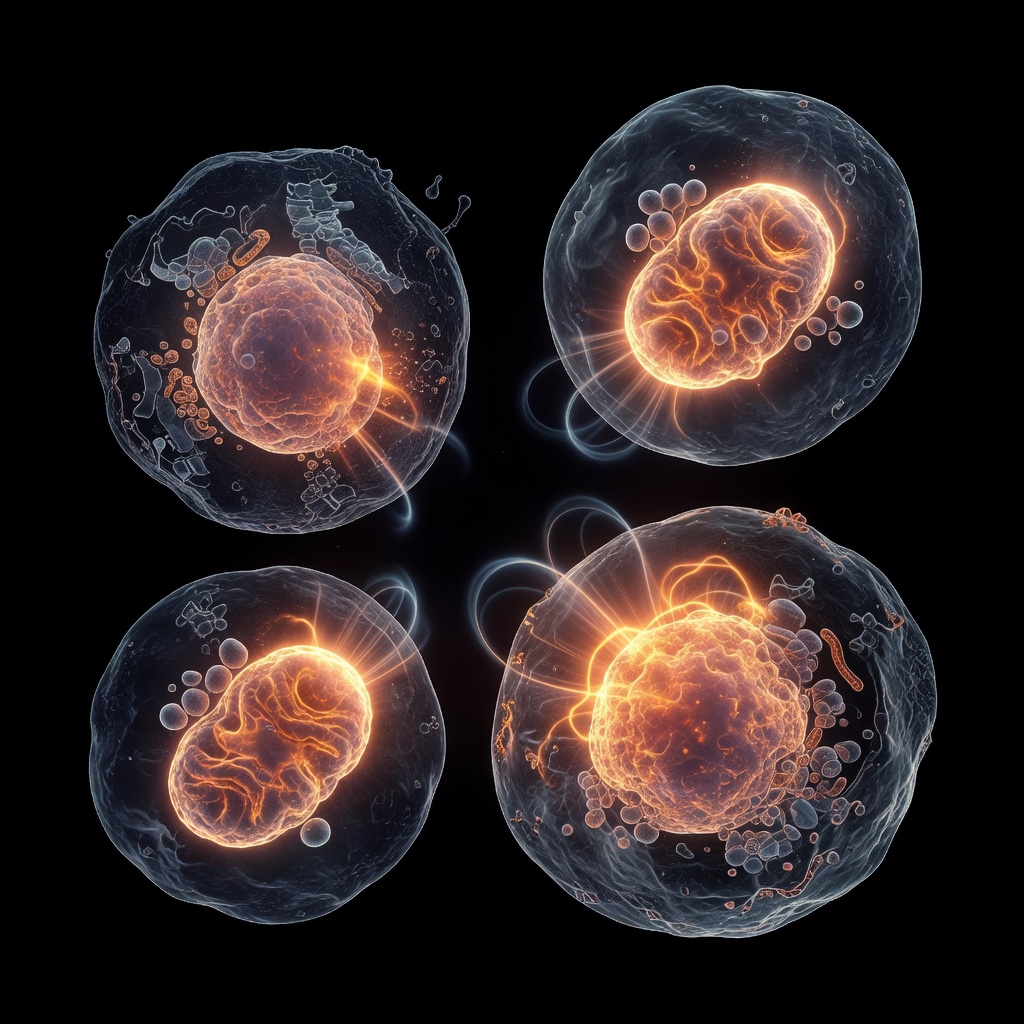
For decades, the standard nutritional advice for those with gallbladder concerns has been to adhere to a low-fat diet. The logic seems straightforward: gallstones are often composed of cholesterol, and fat triggers gallbladder contraction, which can cause pain if stones are present. However, this advice ignores the fundamental biological mechanism of the biliary system and arguably contributes to the high prevalence of cholecystectomies in the UK. The gallbladder is a storage vessel designed to concentrate bile produced by the liver. The primary trigger for the gallbladder to empty is the hormone Cholecystokinin (CCK), which is released from the duodenum in response to the presence of fats and proteins.
When fat intake is chronically low, CCK is not released in sufficient quantities, leading to gallbladder stasis—a condition where bile sits stagnant. During this stasis, the gallbladder continues to absorb water from the bile, making it increasingly concentrated and viscous. This 'biliary sludge' is the direct precursor to gallstones. By avoiding fat, patients ensure their gallbladder never fully empties, providing the perfect environment for cholesterol crystals to precipitate and grow. Modern research into mechanotransduction shows that the gallbladder wall requires regular stretching and contraction to maintain its muscular tone and epithelial health.
Without this regular 'exercise', the organ becomes atonic and dysfunctional. Furthermore, the bile itself becomes toxic to the gallbladder lining when it remains stagnant for too long, leading to chronic inflammation or cholecystitis. Conventional NHS guidelines fail to distinguish between the 'trigger' (fat) and the 'cause' (stasis-driven stone formation). For health-educated adults, the goal should be the restoration of biliary flow. This requires the gradual introduction of healthy, high-quality fats—such as extra virgin olive oil and avocado—to ensure regular CCK release and gallbladder flushing.
Additionally, supporting the hydration of bile through adequate intake of taurine and phosphatidylcholine can prevent the bile from becoming too thick even during periods of fasting. Breaking the cycle of fat-phobia is essential for anyone looking to preserve their gallbladder and maintain the critical enterohepatic circulation of nutrients.
This article is provided for informational and educational purposes only. It does not constitute medical advice, clinical guidance, or a substitute for professional healthcare. Information reflects cited research at time of publication. Always consult a qualified healthcare professional before acting on any health information.
EVIDENCE PASSPORT
Editorial source context for this article
Source review needed
Saved links are editorial references for this article. They may support specific claims rather than every sentence. Open and assess each source in context. This passport does not independently verify them.
Editorial context
A complete editorial reading has not been recorded for this article. Source links remain available for you to open and assess directly.
Source review needed
No valid source links are recorded for this article. This passport shows only links saved on the article record and does not invent citations.
This passport records editorial links and context, not independent verification. Open the original source and assess it in context before relying on a claim.
Medical Disclaimer
The information in this article is for educational purposes only and does not constitute medical advice, diagnosis, or treatment. Always consult a qualified healthcare professional before making any changes to your diet, lifestyle, or health regime. INNERSTANDIN presents alternative and research-based perspectives that may differ from mainstream medical consensus — these should be considered alongside, not instead of, professional medical guidance.
Read Full DisclaimerContinue the thread
Keep this question moving.
Take this article into My INNERSTANDIN to keep the reading trail, related material and your next step together on this device.
Explore this in the Body Map
See where this hits your biology. Interactive anatomy, threats, and protective protocols.
Dig deeper in the Library
Free, longform PDF volumes that go beyond headlines into mechanisms and references.