
Glycation of Lipoproteins: The Sugar-Lipid Bond
Updated May 2026
High blood sugar causes the glycation of LDL, making it unrecognizable to the liver and more likely to form plaques. We expose the biological dangers of the UK's high-carbohydrate lifestyle.
Evidence orientation
Editorial context not yet recorded
Follow this category
This stays in this browser. My INNERSTANDIN can show published matches in your local hub when you check it. It does not send email, push, or alert notifications.
Local learning review
A private browser aid for revisiting ideas. It is not an alert or a health recommendation.
Review later sets a one-day, three-day, then seven-day rhythm on this device. Choose it only when you want to revisit this article.
Overview
In the contemporary landscape of cardiovascular medicine, the demonisation of cholesterol has become a central dogma, steering public health policy for over half a century. However, as we witness the escalating crises of Type 2 diabetes and metabolic syndrome across the United Kingdom and the Western world, it is becoming increasingly evident that the absolute concentration of Low-Density Lipoprotein (LDL) is a poor predictor of cardiovascular events when viewed in isolation. The missing link—and the most profound threat to arterial integrity—is not the lipid itself, but the chemical modification of that lipid by sugar: a process known as Glycation.
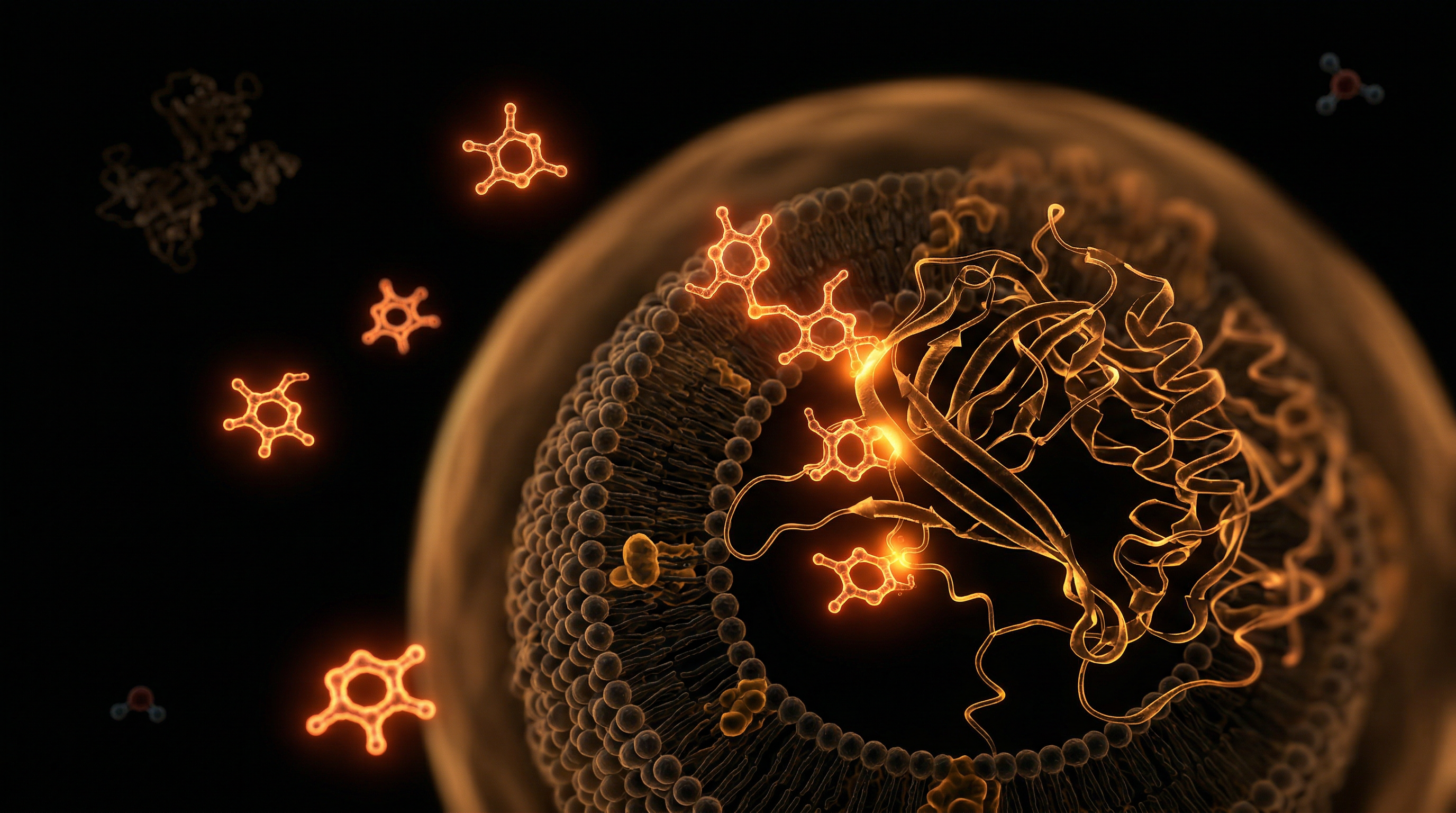
Glycation represents a non-enzymatic "browning" reaction between reducing sugars (such as glucose and fructose) and the proteins or lipids within the body. When this occurs to LDL, it creates a mutated, dysfunctional particle—Glycated LDL (gLDL)—that the body no longer recognises as a nutrient transporter. This article exposes the biochemical mechanisms of the sugar-lipid bond, the catastrophic failure of the mainstream medical establishment to address it, and how the UK’s high-carbohydrate dietary guidelines are directly fueling an epidemic of "sticky" blood and hardened arteries.
At INNERSTANDING, we assert that the focus on lowering cholesterol via statins, while ignoring the glycation of that cholesterol by sugar, is akin to blaming the ambulance for the traffic jam while ignoring the arsonist who set the fire. To understand heart disease, one must understand the molecular sabotage of the lipoprotein.
The Biology — How It Works
To comprehend the glycation of lipoproteins, we must first look at the structure of the LDL particle. LDL is not "cholesterol" in its entirety; it is a complex transport vehicle (a lipoprotein) consisting of a phospholipid shell, free cholesterol, and a core of cholesterol esters and triglycerides. Crucially, wrapped around this sphere is a single, massive protein molecule known as Apolipoprotein B-100 (ApoB).
ApoB is the "address label" of the LDL particle. It is the ligand that binds to the LDL receptor (LDLR) on the surface of the liver and other cells, allowing the particle to be cleared from the bloodstream.
The Maillard Reaction in the Bloodstream
The glycation of LDL is essentially the Maillard Reaction—the same chemical process that browns toast or sears a steak—occurring inside your warm, slightly alkaline blood. This process occurs in three distinct stages:
- The Schiff Base Formation: A glucose molecule reacts with the amino groups of the ApoB protein (specifically the lysine and arginine residues). This is a rapid, reversible reaction.
- The Amadori Rearrangement: Over hours and days, the Schiff base undergoes a rearrangement to form a more stable Amadori product (such as fructosamine).
- Advanced Glycation End-products (AGEs): If blood sugar remains elevated, these Amadori products undergo further oxidation, dehydration, and cross-linking to form irreversible Advanced Glycation End-products (AGEs).
Callout Fact: Glycated LDL has a significantly longer half-life in the bloodstream than normal LDL. Because it cannot be efficiently cleared by the liver, it stays in circulation longer, increasing the statistical probability that it will become oxidised or trapped in the arterial wall.
When ApoB becomes glycated, the protein's three-dimensional conformation is warped. This structural distortion renders the "key" (ApoB) unable to fit into the "lock" (the LDL Receptor). Consequently, the liver cannot "see" the glycated LDL, leading to a build-up of these sugar-damaged particles in the blood—a state often misdiagnosed as merely "high cholesterol."
Mechanisms at the Cellular Level
The danger of glycated LDL is not merely its presence, but its specific interaction with the vascular endothelium and the immune system. Once an LDL particle is glycated, its biological fate shifts from being a provider of essential cellular building blocks to being a pro-inflammatory pathogen.
The Scavenger Pathway Bypass
In a healthy state, the LDL Receptor (LDLR) pathway is highly regulated. Cells only take in as much cholesterol as they need for membrane repair and hormone synthesis. However, glycated LDL is ignored by the LDLR and instead "scavenged" by Macrophage Scavenger Receptors (such as CD36 and SR-A1).
Unlike the LDLR, scavenger receptors are not down-regulated by intracellular cholesterol levels. They are "insatiable." Macrophages (immune cells) will continue to engulf glycated LDL until they are literally bloated with fat, transforming into Foam Cells. These foam cells are the foundational units of Atherosclerotic Plaque.
The Endothelial Breach
The inner lining of our blood vessels, the Endothelium, is protected by a delicate, gel-like layer called the Glycocalyx. High levels of circulating glucose and glycated proteins act like molecular sandpaper, stripping away this protective barrier.
- Increased Permeability: With the glycocalyx compromised, glycated LDL easily slips into the sub-endothelial space (the layer behind the arterial wall).
- Retention: Once inside the arterial wall, gLDL binds more readily to proteoglycans (structural proteins), effectively becoming trapped.
- Oxidation: Once trapped, the glycated particle is highly susceptible to Lipid Peroxidation. The sugar-lipid bond acts as a catalyst for oxidative stress, turning a damaged particle into a highly toxic one.
Mitochondrial Dysfunction
At the cellular level, the presence of AGEs on lipoproteins triggers the RAGE (Receptor for Advanced Glycation End-products). Binding to RAGE initiates a signal cascade that activates NF-κB, a master switch for inflammation. This leads to the production of reactive oxygen species (ROS) within the mitochondria, eventually leading to cell death and the formation of a "necrotic core" within the arterial plaque—the hallmark of an unstable plaque prone to rupture.
Environmental Threats and Biological Disruptors
While the internal biological mechanism is clear, we must address the external catalysts that accelerate this "sugar-lipid" bonding. The modern environment is saturated with factors that promote glycation far beyond what our evolutionary biology is equipped to handle.
The Fructose Accelerator
While glucose is the primary sugar discussed in glycation, Fructose is significantly more dangerous. Fructose glycates proteins at a rate seven to ten times faster than glucose. Unlike glucose, which can be used by every cell in the body, fructose is processed almost exclusively by the liver, where it rapidly fuels the production of VLDL (Very Low-Density Lipoprotein) and promotes "de novo lipogenesis" (the creation of new fat).
The result of a high-fructose diet (prevalent in processed "low-fat" foods and sweetened beverages) is a surge in small, dense VLDL particles that are almost immediately glycated upon entering the bloodstream.
The Role of Industrial Seed Oils
The mainstream narrative focuses on saturated fat, yet the biological reality points toward Polyunsaturated Fatty Acids (PUFAs) from industrial seed oils (sunflower, rapeseed, soybean). These oils are highly unstable and prone to oxidation. When an LDL particle is rich in linoleic acid (from seed oils) and then exposed to high blood sugar, the glycation and subsequent oxidation occur in a devastating "double-hit" fashion.
Statistic: Research indicates that glycated LDL is found in significantly higher concentrations in patients with poorly controlled diabetes, yet it is also found in "normoglycaemic" individuals who consume high-frequency, high-carbohydrate meals, suggesting that "post-prandial" (after-meal) glucose spikes are more damaging than fasting glucose levels.
The "Always-On" Insulin State
Chronic hyperinsulinaemia—driven by frequent snacking and refined carbohydrate consumption—prevents the body from entering a state of repair. Insulin inhibits Autophagy, the cellular cleaning process that might otherwise help clear glycated proteins. When insulin is always high, the "trash" (glycated LDL) never gets picked up.
The Cascade: From Exposure to Disease
The progression from the first sugar-lipid bond to a clinical cardiovascular event is a predictable, albeit slow, cascade.
- The Initial Insult: Consumption of high-glycaemic carbohydrates (bread, pasta, potatoes, sugar) leads to a glucose spike.
- Glycation Event: Glucose molecules attach to the ApoB-100 on circulating LDL.
- Receptor Evasion: The glycated LDL circulates for an extended period (up to 2-3 times longer than normal LDL).
- Sub-Endothelial Migration: The gLDL enters the arterial wall.
- Immune Recruitment: The body views the gLDL as a "non-self" invader. Monocytes are recruited to the site and become macrophages.
- Foam Cell Formation: Macrophages gorge on gLDL, unable to stop.
- Plaque Development: The accumulation of foam cells, calcium, and cellular debris forms a plaque.
- Fibrous Cap Thinning: Ongoing inflammation (driven by RAGE activation) weakens the fibrous cap over the plaque.
- Rupture and Thrombosis: The cap breaks, a clot forms, and blood flow is blocked—resulting in a myocardial infarction (heart attack) or stroke.
This cascade proves that Cholesterol is merely the witness, while Glycation is the executioner.
What the Mainstream Narrative Omits
The current medical model is remarkably silent on the issue of lipoprotein glycation. Why is a mechanism so central to the pathology of heart disease ignored in standard clinical practice?
The "Statin-First" Financial Incentive
The global statin market is worth tens of billions of dollars. Statins are effective at lowering the number of LDL particles, but they do nothing to address the quality of those particles. A patient can have "low" LDL on paper, but if 40% of that LDL is glycated and small-dense, they remain at high risk. By focusing on the absolute number, the pharmaceutical industry maintains a permanent customer base while the underlying metabolic dysfunction (glycation) continues unabated.
The Failure of the Lipid Profile
A standard lipid panel measures LDL-C (the weight of cholesterol inside the particles). It does not measure:
- LDL-P (the number of particles)
- Glycated LDL
- Oxidised LDL
- ApoB / ApoA1 Ratio
Without these metrics, a doctor is essentially trying to determine the risk of a car crash by weighing the petrol in the cars, rather than counting the cars or checking if the drivers are intoxicated.
The Suppressed Truth about "Heart Healthy" Grains
Mainstream dietary guidelines, including those from the British Heart Foundation, continue to promote "starchy carbohydrates" and "whole grains" as the base of the diet. Biologically, the body sees a bowl of whole-wheat pasta and a bowl of sugar as remarkably similar once they hit the bloodstream. Both result in the glucose spikes necessary for the glycation of lipoproteins. The "Heart Healthy" label on high-carb products is a biological oxymoron.
The UK Context
The United Kingdom presents a unique and troubling case study in the glycation epidemic. Despite having a nationalised healthcare system (the NHS), the UK has some of the highest rates of obesity and metabolic ill-health in Europe.
The "Eatwell Guide" Failure
The Public Health England Eatwell Guide is a roadmap for glycation. It suggests that over a third of the diet should be based on potatoes, bread, rice, pasta, or other starchy carbohydrates. For a population that is increasingly sedentary and insulin-resistant, this is a recipe for chronic hyperglycaemia and subsequent lipoprotein damage.
Cultural Factors: The Tea and Biscuit Syndrome
The British culture of "elevenses," afternoon tea, and the reliance on ultra-processed "meal deals" ensures that the average UK citizen experiences 4 to 6 glucose spikes per day. Each spike represents a window of opportunity for the sugar-lipid bond to form. The result is a population with "sticky" LDL, leading to the UK's status as a leader in cardiovascular-related deaths.
NHS Screening Gaps
The NHS Health Check, offered to those over 40, relies heavily on the QRISK score. This score looks at total cholesterol and HDL but ignores HbA1c (a marker of long-term glycation of red blood cells) unless the patient is already suspected of being diabetic. By the time HbA1c is elevated enough for a diabetes diagnosis, millions of LDL particles have already been glycated and deposited in the arterial walls.
Protective Measures and Recovery Protocols
To protect oneself from the sugar-lipid bond, one must move beyond the "low-fat" dogma and embrace a strategy focused on Metabolic Sovereignty.
1. Carbohydrate Restriction and Ketogenic Principles
The most direct way to stop the glycation of LDL is to lower the substrate: blood glucose.
- Eliminate Refined Sugars: Particularly High Fructose Corn Syrup and sucrose.
- Reduce Starches: Move away from the grain-based UK diet.
- Focus on Fibrous Vegetables: These provide nutrients without the glycaemic load.
2. Time-Restricted Feeding (TRF)
By extending the period between meals (e.g., a 16:8 protocol), you allow insulin levels to drop and give the body time to clear damaged proteins through Autophagy. TRF reduces the "Time Under Tension" that your lipoproteins spend in a high-glucose environment.
3. Critical Supplementation
- Benfotiamine (Vitamin B1): A fat-soluble form of B1 that has been shown to block the pathways of glycation and protect the endothelium from AGEs.
- Carnosine: A dipeptide that acts as a "sacrificial" target for glycation, allowing sugar to bind to it rather than your vital proteins.
- Berberine: A potent plant alkaloid that rivals Metformin in its ability to lower blood sugar and improve insulin sensitivity.
- Magnesium: Essential for over 300 enzymatic reactions, including the proper metabolism of glucose.
4. Resistance Training
Muscle is the body's largest "glucose sink." By increasing muscle mass through resistance training, you improve your body's ability to dispose of glucose after a meal, leaving less available to bond with your LDL particles.
5. Demand Better Testing
Stop accepting "Your cholesterol is fine" as a clean bill of health. Request or privately fund the following tests:
- HbA1c: To see your average glycation levels.
- Fasting Insulin: To calculate your HOMA-IR (Insulin Resistance).
- ApoB: To count the actual number of potentially glycated particles.
- Lipoprotein (a): A highly inflammatory, genetically determined particle that is even more dangerous when glycated.
Summary: Key Takeaways
The glycation of lipoproteins is the "hidden" driver of the modern cardiovascular epidemic. It is the point where a high-carbohydrate lifestyle meets the structural failure of the vascular system.
- Glycation is Permanent: Once an LDL particle is glycated (forming an AGE), the damage is largely irreversible, and the particle becomes a "zombie" that the liver cannot clear.
- Sugar, Not Fat, is the Glue: Cholesterol only becomes "clogging" when it is modified by sugar and oxidation.
- The UK Context is Dangerous: Current UK dietary guidelines and cultural habits promote a state of constant glycation.
- Mainstream Medicine is Lagging: The obsession with statins and the neglect of glycated LDL represents a significant failure in preventative cardiology.
- Metabolic Control is Protection: Lowering blood sugar through diet, fasting, and exercise is the only way to prevent the sugar-lipid bond from forming.
We must shift the conversation from "How much cholesterol do you have?" to "What is the quality of your cholesterol?" Until we address the sugar-lipid bond, we are merely rearranging the deck chairs on the Titanic. The truth is found at the molecular level, where sugar meets lipid—and where your health is either preserved or destroyed.
This article is provided for informational and educational purposes only. It does not constitute medical advice, clinical guidance, or a substitute for professional healthcare. Information reflects cited research at time of publication. Always consult a qualified healthcare professional before acting on any health information.
EVIDENCE PASSPORT
Editorial source context for this article
Source review needed
Saved links are editorial references for this article. They may support specific claims rather than every sentence. Open and assess each source in context. This passport does not independently verify them.
Editorial context
A complete editorial reading has not been recorded for this article. Source links remain available for you to open and assess directly.
Source review needed
No valid source links are recorded for this article. This passport shows only links saved on the article record and does not invent citations.
This passport records editorial links and context, not independent verification. Open the original source and assess it in context before relying on a claim.
Medical Disclaimer
The information in this article is for educational purposes only and does not constitute medical advice, diagnosis, or treatment. Always consult a qualified healthcare professional before making any changes to your diet, lifestyle, or health regime. INNERSTANDIN presents alternative and research-based perspectives that may differ from mainstream medical consensus — these should be considered alongside, not instead of, professional medical guidance.
Read Full DisclaimerContinue the thread
Keep this question moving.
Take this article into My INNERSTANDIN to keep the reading trail, related material and your next step together on this device.
Explore this in the Body Map
See where this hits your biology. Interactive anatomy, threats, and protective protocols.