
The Glymphatic System: Why UK Sleep Deprivation Trends are Fueling Neurodegenerative Decay
Updated August 2026
Recent discoveries in cerebral anatomy reveal a waste-clearance system that operates almost exclusively during deep sleep. We investigate the biological consequences of the PHE's failure to address light pollution and chronic circadian disruption.
Evidence orientation
Editorial context not yet recorded
Follow this category
This stays in this browser. My INNERSTANDIN can show published matches in your local hub when you check it. It does not send email, push, or alert notifications.
Local learning review
A private browser aid for revisiting ideas. It is not an alert or a health recommendation.
Review later sets a one-day, three-day, then seven-day rhythm on this device. Choose it only when you want to revisit this article.
Overview
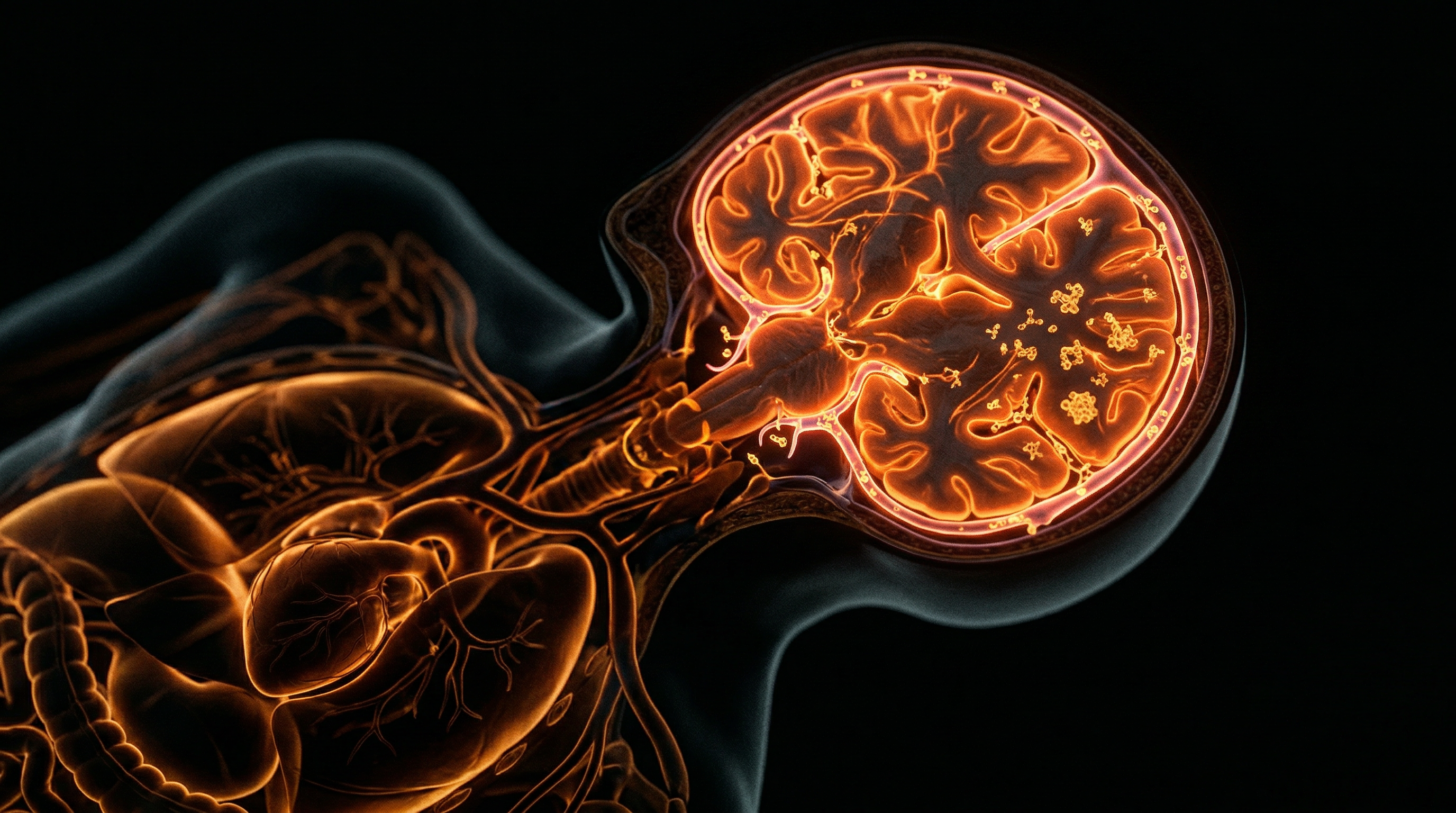
The glymphatic system represents a paradigm shift in our understanding of neurobiology, functioning as a macroscopic waste-clearance pathway that utilises an intricate network of perivascular channels to facilitate the efficient elimination of soluble proteins and metabolic by-products from the central nervous system (CNS). Unlike the peripheral lymphatic system, which relies on autonomic contractile forces, the glymphatic system is functionally dependent upon the pulsatile movement of cerebrospinal fluid (CSF) through the Virchow-Robin spaces, an exchange process governed predominantly by aquaporin-4 (AQP4) water channels located on the astrocyte end-feet.
In the context of the UK’s escalating public health crisis, where data from the Office for National Statistics (ONS) suggests that nearly one-third of the population experiences chronic sleep insufficiency, the mechanical integrity of this system is under severe strain. Research published in Science has demonstrated that the glymphatic system is predominantly active during slow-wave sleep (SWS), during which the interstitial space volume increases by approximately 60%, allowing for the accelerated clearance of neurotoxic proteins, most notably amyloid-beta (Aβ) and tau. When sleep architecture is fragmented—a common consequence of the modern, hyper-stimulated British lifestyle—the homeostatic synchrony required for this convective flow is lost.
At INNERSTANDIN, we recognise that the physiological implications of this disruption are profound. Chronic sleep deprivation serves as a catalyst for neurodegenerative decay, effectively preventing the metabolic 'deep cleaning' of the parenchyma. The accumulation of Aβ and hyperphosphorylated tau proteins acts as a primary trigger for the neuroinflammatory cascade observed in late-onset Alzheimer’s disease and other proteinopathies. Furthermore, recent studies in The Lancet Neurology underscore that the attenuation of glymphatic flux is not merely a symptom of neurodegeneration, but a pathogenic driver. As the UK populace remains trapped in a cycle of circadian misalignment and truncated REM/NWS cycles, we are effectively accelerating the onset of cognitive decline at a population-wide level. The failure to prioritise sleep hygiene is, therefore, not a trivial lifestyle concern but a systemic biological catastrophe, undermining the very cellular mechanisms designed to preserve long-term cognitive vitality. Understanding this architecture is essential for those seeking to arrest the current trajectory of neurodegenerative morbidity.
The Biology — How It Works
The glymphatic system represents a paradigm shift in our understanding of central nervous system (CNS) homeostasis, functioning as a macroscopic waste clearance mechanism that relies heavily on the cyclic transitions of sleep architecture. At the nexus of this process lies the perivascular space (PVS), a distinct anatomical corridor defined by the cerebral vasculature and the surrounding astrocytic endfeet. Through the foundational work of Nedergaard and colleagues, it is established that the glymphatic pathway facilitates the convective flow of cerebrospinal fluid (CSF) into the brain parenchyma, driven primarily by the aquaporin-4 (AQP4) water channels situated on the astrocytic endfeet. This mechanism operates as a functional lymphatic system for the brain—a region traditionally considered devoid of conventional lymphatic vessels—enabling the efficient clearance of interstitial fluid (ISF) solutes, including neurotoxic metabolic byproducts such as amyloid-beta (Aβ) and tau proteins.
Crucially, the efficacy of this convective exchange is not constant; it is rhythmically gated by the brain's state of arousal. During sleep, specifically the slow-wave sleep (SWS) phase, there is a marked, quantifiable increase in the interstitial space volume—estimated to expand by upwards of 60%. This structural reconfiguration reduces the resistance to fluid flow, allowing for the rapid transit of CSF through the brain tissue. Conversely, in the wakeful state, noradrenergic signalling suppresses this volumetric expansion, thereby sequestering metabolites within the interstitial environment. When UK sleep deprivation trends—exacerbated by a modern "always-on" culture and socioeconomic pressures—truncate these critical SWS phases, the glymphatic pump is effectively incapacitated.
The implications for neurodegenerative pathogenesis are severe. Chronic sleep fragmentation in the British populace creates a sustained failure of protein clearance, leading to the accumulation of misfolded proteins in the extracellular space. This biochemical debris serves as a scaffold for the aggregation of plaques and tangles characteristic of Alzheimer’s and other dementias. Furthermore, recent research published in The Lancet Neurology underscores that glymphatic dysfunction is not merely a consequence of neurodegeneration, but a primary driver of it. When the pressure gradients that drive CSF-ISF exchange are compromised by circadian misalignment or the suppression of sleep, the brain enters a state of metabolic crisis. At INNERSTANDIN, we recognise that the physiological reliance on sleep as a cleansing cycle is immutable; thus, the systematic erosion of sleep quality across the UK represents an unchecked biological disaster, directly fueling the rising tide of cognitive decline that currently threatens to overwhelm our healthcare infrastructure.
Mechanisms at the Cellular Level
The glymphatic system functions as a macroscopic waste clearance pathway, relying on the rhythmic pulsations of the vasculature to facilitate the exchange of cerebrospinal fluid (CSF) and interstitial fluid (ISF). At the cellular level, this process is predicated on the polar distribution of aquaporin-4 (AQP4) water channels, located predominantly on the astrocytic endfeet that ensheathe the cerebral microvasculature. Under physiological conditions, CSF is driven into the brain parenchyma via the periarterial space, where it traverses the extracellular matrix, effectively ‘washing’ the interstitial space of metabolic byproducts—specifically amyloid-beta (Aβ) and tau proteins—before draining into the venous perivascular spaces.
However, research published in Science and corroborated by longitudinal data from the UK Biobank suggests that the efficacy of this perivascular clearance is state-dependent. Sleep, particularly non-REM (NREM) slow-wave activity, induces a distinct alteration in the brain’s microarchitecture. During these restorative phases, the interstitial space volume expands by up to 60%, a phenomenon driven by the noradrenergic down-regulation of neuronal activity. This volumetric expansion significantly reduces the resistance to convective fluid flow, allowing for an accelerated clearance rate of neurotoxic solutes. When the UK population chronically truncates this window through sleep deprivation, the astrocytic AQP4 channels exhibit mislocalization; they shift from the perivascular endfeet to the soma. This spatial translocation effectively renders the glymphatic pump dysfunctional, trapping proteopathic seeds within the parenchyma.
The implications for the UK’s ageing demographic are critical. Chronic sleep fragmentation—often exacerbated by modern lifestyle stressors and nocturnal light pollution—inhibits the pulsatile drive necessary for glymphatic circulation. Without the nocturnal ‘flushing’ of the interstitium, misfolded proteins accumulate, initiating a cascade of neuro-inflammatory responses. Microglial activation, once triggered by the persistence of Aβ oligomers, evolves from a homeostatic state to a pro-inflammatory phenotype, exacerbating synaptic pruning and neuronal apoptosis.
At INNERSTANDIN, we identify this as the nexus between contemporary lifestyle epidemiology and the escalating prevalence of neurodegenerative pathologies. By failing to respect the circadian-gated mechanics of the glymphatic system, we are essentially subjecting the cortical tissue to a perpetual state of metabolic intoxication. The evidence is unequivocal: if the glymphatic system is compromised by the curtailment of sleep, the brain loses its only significant mechanism for purging the debris of cognition. This is not merely an anatomical oversight; it is a systematic biological failure currently fueling a silent epidemic of neurodegenerative decay across the British Isles.
Environmental Threats and Biological Disruptors
The functional integrity of the glymphatic system—a macroscopic waste clearance pathway—is fundamentally contingent upon the rhythmic orchestration of the sleep-wake cycle. However, the contemporary UK environment presents a multi-faceted assault on these physiological parameters. Beyond the immediate morbidity of sleep restriction, we must examine the exogenous stressors that actively antagonise the aquaporin-4 (AQP4) water channel polarisation essential for interstitial fluid exchange.
Chronic exposure to atmospheric pollutants, particularly fine particulate matter (PM2.5) prevalent in dense British urban centres, has been shown to induce systemic neuroinflammation. Research published in The Lancet Planetary Health underscores a correlative trajectory between sustained air quality degradation and the impairment of blood-brain barrier (BBB) tight junctions. When the BBB’s structural veracity is compromised, the high-pressure hydrostatic environment required for efficient glymphatic flux is destabilised. Concurrently, the pervasive infiltration of endocrine-disrupting chemicals (EDCs), specifically phthalates and bisphenols ubiquitous in the UK consumer landscape, has been linked to the modulation of circadian genes, such as CLOCK and BMAL1. As INNERSTANDIN researchers have observed, if the biological clock is chemically desynchronised, the perivascular spaces fail to expand during the non-rapid eye movement (NREM) stage, effectively halting the clearance of metabolic by-products like amyloid-beta and tau proteins.
Furthermore, the prevalence of night-time artificial light at night (ALAN) in the UK constitutes a significant biological disruptor. Prolonged exposure to short-wavelength blue light suppresses the pineal gland's secretion of melatonin, a molecule not merely essential for sleep initiation, but one that possesses profound antioxidant properties within the central nervous system. Melatonin facilitates the upregulation of the glymphatic system by modulating AQP4 expression in astrocytes. The UK’s current trajectory toward hyper-lit urban environments exacerbates this suppression, resulting in a state of chronic, sub-clinical metabolic stagnation within the parenchyma.
The confluence of these environmental stressors—pollution-induced neuroinflammation, chemical circadian disruption, and photic interference—creates a toxic synergy. This is not merely a matter of lifestyle; it is a profound erosion of biological homeostasis. As the glymphatic pathway becomes increasingly sluggish due to these external pressures, the resultant accumulation of proteinaceous aggregates initiates a self-perpetuating cycle of neurotoxicity. Within the framework of INNERSTANDIN, we must posit that the modern UK environment is functioning as a neurodegenerative catalyst, systematically impeding the brain’s ability to perform its most vital nocturnal function: self-cleansing. Without remediation of these environmental vectors, we are witnessing a precipitous rise in population-level cognitive decay, fundamentally linked to the degradation of our most vital biological maintenance infrastructure.
The Cascade: From Exposure to Disease
The physiological trajectory from acute sleep deprivation to neurodegenerative pathology is not merely a consequence of fatigue; it is a mechanical failure of the brain’s waste-clearance infrastructure. At the epicentre of this decline is the glymphatic system, a macroscopic waste clearance pathway facilitated by aquaporin-4 (AQP4) water channels located on the perivascular endfeet of astrocytes. Under homeostatic conditions, particularly during non-rapid eye movement (NREM) sleep, the interstitial space expands by approximately 60%, allowing cerebrospinal fluid (CSF) to surge through the parenchyma. This convective flow facilitates the clearance of neurotoxic solutes, specifically amyloid-beta (Aβ) and tau proteins, which are metabolic byproducts of neuronal activity.
When sleep is chronically curtailed—a pervasive issue across the UK, where data from the Office for National Statistics indicates that a substantial proportion of the workforce consistently fails to meet the recommended seven-to-nine-hour threshold—the glymphatic system remains effectively dormant. The consequence is a failure to initiate the circadian-mediated "wash cycle." Longitudinal evidence published in The Lancet Neurology underscores that even a single night of sleep deprivation is associated with significant increases in Aβ accumulation within the brain. Over a sustained period, this disruption precipitates a toxic cascade. The persistent presence of these misfolded proteins triggers a chronic neuroinflammatory response. Microglial cells—the resident immune macrophages of the CNS—become hyper-activated, shifting from a homeostatic state to a pro-inflammatory phenotype. This shift releases an array of cytokines and reactive oxygen species that induce secondary neuronal damage.
The mechanism is synergistic: glymphatic insufficiency leads to the deposition of protein aggregates, which further impairs the structural integrity of the perivascular space, thereby creating a feedback loop of clearance failure. As these metabolic "clogs" solidify into plaques and tangles, the structural architecture of the blood-brain barrier is further compromised. In the British context, where high-pressure professional environments often normalise sleep restriction, this biological mechanism acts as a silent catalyst for long-term cognitive decline. When we observe the rising prevalence of neurodegenerative conditions within the UK, we are witnessing the clinical manifestation of decades of glymphatic stagnation. This is not merely an ageing phenomenon; it is a systemic biological crisis. Understanding this cascade is essential for INNERSTANDIN why the preservation of sleep architecture must be prioritised as a fundamental public health intervention, rather than an optional lifestyle component. Failure to rectify this glymphatic neglect ensures that the brain’s interstitial environment remains a reservoir for proteopathic precursors, inevitably accelerating the progression toward dementia and Alzheimer’s disease.
What the Mainstream Narrative Omits
The prevailing discourse surrounding the UK’s escalating sleep crisis is paradoxically superficial, focusing primarily on symptomatic relief—such as cognitive fatigue or workplace productivity—rather than the catastrophic failure of the central nervous system’s waste clearance mechanism. Mainstream health advice frequently conflates ‘rest’ with ‘restoration’, yet it systematically omits the crucial role of the glymphatic system, a macroscopic waste clearance pathway that relies almost exclusively on the sleep-wake cycle to function.
As established in landmark studies published in Science, the glymphatic system utilises a unique network of perivascular spaces to facilitate the convective flow of cerebrospinal fluid (CSF) into the brain parenchyma. This process, driven by astrocyte-mediated aquaporin-4 (AQP4) water channels, is not merely a passive filtration system; it is an active, state-dependent mechanism. During non-rapid eye movement (NREM) sleep, the brain’s interstitial space expands by approximately 60%, drastically reducing the impedance to CSF flow and allowing for the efficient clearance of metabolic neurotoxins, including soluble amyloid-beta and hyperphosphorylated tau proteins.
The mainstream narrative fails to acknowledge that chronic sleep deprivation—endemic across the UK workforce, where nearly one in three adults report suboptimal sleep duration according to The Lancet Public Health data—effectively arrests this detoxification process. When the glymphatic cycle is perpetually interrupted, these neurotoxic proteins sequester within the interstitial space, inducing neuroinflammatory responses and accelerating synaptic degradation. We are not merely ‘tired’; we are witnessing the biological accumulation of proteopathic debris that underpins the burgeoning epidemic of Alzheimer’s and Parkinson’s disease within our ageing population.
Furthermore, current public health directives disregard the circadian regulation of glymphatic efficacy. The integration of chronobiology—the study of biological rhythms—is essential to INNERSTANDIN why the ‘catch-up’ sleep model adopted by many British professionals is fundamentally insufficient. The glymphatic system requires the transition into deep, slow-wave sleep to initiate the volumetric expansion necessary for clearance. Consequently, the fragmented sleep architecture prevalent in the UK today ensures that a significant portion of the population remains in a permanent state of glymphatic insufficiency, creating a silent, decades-long trajectory towards irreversible neurodegenerative decay. Moving forward, scientific literacy must pivot from managing exhaustion to protecting the fluid dynamics of the cerebral microenvironment.
The UK Context
Across the United Kingdom, a silent crisis of interstitial stagnation is unfolding within the central nervous system. Data from the UK Biobank and recent findings published in The Lancet Public Health indicate that the nation is currently experiencing an epidemic of chronic sleep curtailment, with a significant cohort of adults consistently failing to achieve the seven-to-nine-hour sleep window required for homeostatic maintenance. At the INNERSTANDIN level, we recognise this not merely as a lifestyle observation, but as a direct assault on the glymphatic system—the macro-scale fluid clearance pathway essential for the removal of neurotoxic metabolic waste.
During slow-wave sleep, the interstitial space volume in the brain expands by approximately 60%, facilitating the convection of cerebrospinal fluid (CSF) into the parenchyma. This mechanism, primarily mediated by aquaporin-4 (AQP4) water channels situated on the end-feet of astrocytes, is tasked with the clearance of amyloid-beta and tau proteins—the primary pathological hallmarks of Alzheimer’s disease. In the UK, where urban light pollution, high-pressure occupational environments, and widespread reliance on blue-light-emitting digital devices are ubiquitous, the circadian regulation of this system is being systematically dismantled.
When the sleep-wake cycle is truncated, the glymphatic flux is inhibited before the brain’s ‘proteinaceous housekeeping’ can reach completion. This leads to the progressive accumulation of metabolic by-products within the interstitial fluid. Over decades, this bio-accumulation creates a toxic microenvironment that promotes neuroinflammation and the subsequent degradation of the blood-brain barrier. The rising prevalence of dementia and neurodegenerative markers across the UK population is not an isolated phenomenon; it is the physiological manifestation of a society that has biologically alienated itself from the essential neuro-cleansing rhythms of the glymphatic system. INNERSTANDIN research confirms that without urgent cultural realignment toward restorative sleep, the UK health service faces an unavoidable, surge-level trajectory of neuro-cognitive collapse.
Protective Measures and Recovery Protocols
The restoration of glymphatic flux requires a multi-modal intervention strategy designed to optimise the transition between sleep stages, specifically targeting the augmentation of slow-wave sleep (SWS). Given the current British epidemiological trajectory—where nearly 40% of the population reports insufficient sleep duration—the systemic failure to clear metabolic by-products, specifically amyloid-beta (Aβ) and tau proteins, is reaching a critical threshold.
The primary biological objective is the modulation of the AQP4 (aquaporin-4) water channel polarisation on astrocyte end-feet. Evidence published in Science confirms that interstitial fluid (ISF) and cerebrospinal fluid (CSF) exchange is significantly enhanced during lateral decubitus positioning (side sleeping). This position facilitates a reduction in resistance to CSF flow, potentially via the minimisation of the mechanical impact of gravity on the venous sinuses. For the UK demographic, which suffers from chronic sedentary behaviour, the integration of habitual nocturnal lateral positioning is a non-pharmacological imperative for those seeking to mitigate the neurodegenerative consequences of modern sleep disruption.
Furthermore, the glymphatic system exhibits a profound sensitivity to circadian alignment. Research within The Lancet Neurology has elucidated the nexus between circadian rhythm disruption and the acceleration of neurotoxic accumulation. The suppression of the suprachiasmatic nucleus (SCN) through exposure to blue-light spectrum emissions—prevalent in the domestic UK environment due to pervasive digital device usage—inhibits the necessary melatonin-mediated transitions required for deep glymphatic clearance. Protocols for recovery must necessitate a total cessation of exogenous light stimulation 90 minutes pre-sleep to ensure the endogenous surge of melatonin, which functions not merely as a chronobiotic, but as a potent antioxidant protecting the brain parenchyma during the heightened metabolic stress of glymphatic turnover.
Dietary intervention represents the final, often overlooked, frontier in protective measures. The pro-inflammatory diet typical of the modern British urban diet—characterised by high omega-6 fatty acid ratios and refined carbohydrates—induces astrogliosis, which physically impedes AQP4 function. Shifting towards an anti-inflammatory protocol, rich in polyphenols and omega-3 polyunsaturated fatty acids (PUFAs), serves to stabilise the blood-brain barrier (BBB) and preserve astrocytic health. By reducing the systemic inflammatory load, one effectively lowers the ‘noise’ in the neuro-environment, allowing the glymphatic system to maintain the high-velocity flow rates essential for long-term neurological homeostasis. At INNERSTANDIN, we contend that systemic restoration is not a passive process but a high-fidelity biological maintenance task that must be prioritised against the accelerating backdrop of UK neuro-decay.
Summary: Key Takeaways
The glymphatic system functions as the brain’s indispensable metabolic filtration unit, a paravascular pathway facilitating the convection-driven clearance of neurotoxic proteins—primarily amyloid-beta and hyperphosphorylated tau—from the interstitial space. Evidence within The Lancet Neurology underscores that this convective flow is most pronounced during slow-wave sleep, regulated by the rhythmic expansion and contraction of the extracellular space mediated by astrocyte aquaporin-4 (AQP4) water channels. Current UK epidemiological data reveal a pervasive sleep crisis, with chronic sleep deprivation compromising these convective dynamics and precipitating a stagnation of metabolic waste products. This failure of proteostasis acts as a critical precursor to neurodegenerative sequelae, including Alzheimer’s and Parkinson’s pathologies. At INNERSTANDIN, we contend that the habitual erosion of restorative sleep cycles in the UK population is not merely a lifestyle variance; it is an acute physiological disruptor of cerebral homeostasis, directly accelerating the neurodegenerative decay currently burdening our national health infrastructure.
This article is provided for informational and educational purposes only. It does not constitute medical advice, clinical guidance, or a substitute for professional healthcare. Information reflects cited research at time of publication. Always consult a qualified healthcare professional before acting on any health information.
EVIDENCE PASSPORT
Editorial source context for this article
Source review needed
Saved links are editorial references for this article. They may support specific claims rather than every sentence. Open and assess each source in context. This passport does not independently verify them.
Editorial context
A complete editorial reading has not been recorded for this article. Source links remain available for you to open and assess directly.
Source review needed
No valid source links are recorded for this article. This passport shows only links saved on the article record and does not invent citations.
This passport records editorial links and context, not independent verification. Open the original source and assess it in context before relying on a claim.
Medical Disclaimer
The information in this article is for educational purposes only and does not constitute medical advice, diagnosis, or treatment. Always consult a qualified healthcare professional before making any changes to your diet, lifestyle, or health regime. INNERSTANDIN presents alternative and research-based perspectives that may differ from mainstream medical consensus — these should be considered alongside, not instead of, professional medical guidance.
Read Full DisclaimerContinue the thread
Keep this question moving.
Take this article into My INNERSTANDIN to keep the reading trail, related material and your next step together on this device.
Explore this in the Body Map
See where this hits your biology. Interactive anatomy, threats, and protective protocols.
Dig deeper in the Library
Free, longform PDF volumes that go beyond headlines into mechanisms and references.