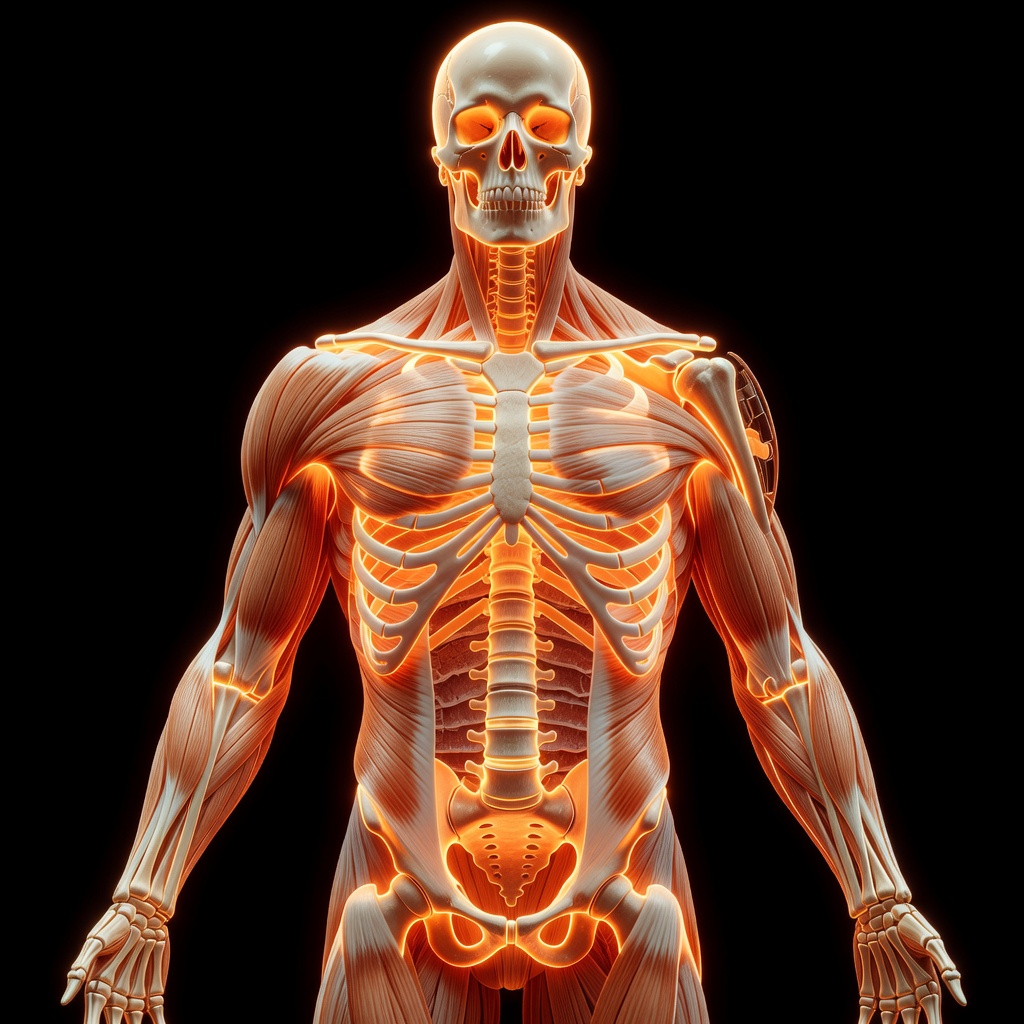
Gut-Brain Axis Crosstalk: How Intestinal Dysbiosis Drives Neurovascular Permeability via Lipopolysaccharides
An in-depth exploration of the biochemical pathways linking gut health to brain integrity, focusing on how bacterial endotoxins breach the blood-brain barrier through systemic inflammation and molecular signaling.
# Gut-Brain Axis Crosstalk: How Intestinal Dysbiosis Drives Neurovascular Permeability via Lipopolysaccharides. The human body is not a collection of isolated systems, but a highly integrated network where the health of one organ dictates the functionality of another. Perhaps the most profound example of this interconnectedness is the gut-brain axis—a bidirectional communication line involving the central nervous system (CNS), the enteric nervous system (ENS), and the trillions of microbes residing in our digestive tract. At the center of this dialogue is a critical protective mechanism: the Blood-Brain Barrier (BBB). Recent research has illuminated a troubling pathway wherein intestinal dysbiosis—an imbalance of gut microflora—leads to the breakdown of this barrier, a phenomenon driven largely by the translocation of bacterial endotoxins known as Lipopolysaccharides (LPS). ## Understanding the Intestinal Barrier and Dysbiosis.
The intestinal lining serves as a selective gateway, allowing nutrients to enter the bloodstream while keeping pathogens and undigested food particles at bay. This barrier is maintained by tight junction proteins, such as occludin and zonulin. When the delicate balance of the gut microbiome is disrupted—due to poor diet, chronic stress, or antibiotic overuse—the microbial community shifts toward a dominance of pathogenic, Gram-negative bacteria. This state of dysbiosis compromises the integrity of the intestinal lining, leading to 'leaky gut' or increased intestinal permeability. ## The Role of Lipopolysaccharides (LPS). Gram-negative bacteria are characterized by the presence of Lipopolysaccharides in their outer membrane.
LPS is a potent endotoxin that, under normal conditions, remains confined within the gut lumen. However, when the intestinal barrier is breached, LPS can leak into the systemic circulation, a condition known as metabolic endotoxemia. Once in the blood, LPS acts as a powerful trigger for the innate immune system. It binds to Toll-like Receptor 4 (TLR4) on immune cells, initiating a cascade of pro-inflammatory cytokines, including Tumor Necrosis Factor-alpha (TNF-α) and Interleukin-6 (IL-6). This systemic inflammatory state is the primary vehicle through which gut health influences brain function. ## The Blood-Brain Barrier: The Final Frontier.
The Blood-Brain Barrier is a highly specialized neurovascular unit composed of endothelial cells, pericytes, and astrocytes. Its primary role is to protect the brain from toxins, pathogens, and fluctuations in blood chemistry. Like the gut, the BBB relies on tight junctions to maintain its impermeability. For decades, the brain was considered 'immune privileged,' largely isolated from systemic inflammation. However, we now know that the BBB is highly sensitive to the inflammatory signals generated in the gut. ## The Mechanism of Neurovascular Permeability.
When systemic LPS levels rise, the endotoxins do not necessarily need to cross the BBB themselves to cause damage. Instead, LPS interacts with TLR4 receptors located on the surface of the brain’s vascular endothelial cells. This interaction triggers the release of matrix metalloproteinases (MMPs)—enzymes that degrade the extracellular matrix and the tight junction proteins (claudin-5 and occludin) that hold the BBB together. Furthermore, the pro-inflammatory cytokines (TNF-α) generated in response to gut-derived LPS can directly increase the permeability of the BBB. As the barrier weakens, it allows for the infiltration of peripheral immune cells and more LPS into the brain parenchyma.
This 'leaky brain' scenario marks the transition from systemic inflammation to neuroinflammation. ## Neuroinflammation and Microglial Activation. Once the BBB is compromised, the brain’s resident immune cells, the microglia, are activated. Chronic microglial activation is a hallmark of various neurodegenerative and psychiatric conditions. These cells release further inflammatory mediators and reactive oxygen species, creating a self-perpetuating cycle of damage. This neuroinflammatory environment can lead to synaptic dysfunction, cognitive decline, and increased risk for conditions such as Alzheimer’s disease, Parkinson’s disease, and clinical depression. ## Root-Cause Strategies: Healing the Barrier from Within.
To address neurovascular permeability, one must look to the root cause: the gut. Strengthening the intestinal barrier and restoring microbial balance are essential steps in protecting the brain. 1. Dietary Modification: A diet rich in diverse plant fibers feeds beneficial bacteria that produce Short-Chain Fatty Acids (SCFAs) like butyrate. Butyrate is essential for maintaining the integrity of both the intestinal and blood-brain barriers. 2. Reducing Endotoxemia: Avoiding highly processed fats and sugars, which are known to increase LPS translocation, is vital.
Polyphenol-rich foods (berries, green tea, cocoa) can help modulate the gut microbiota and inhibit the TLR4 signaling pathway. 3. Targeted Probiotics and Prebiotics: Specific strains, such as Bifidobacterium and Lactobacillus, have been shown to reduce intestinal permeability and lower systemic LPS levels. 4. Stress Management: Chronic stress increases intestinal permeability through the release of corticotropin-releasing hormone (CRH). Techniques like meditation and breathwork are physiologically relevant for barrier health. ## Conclusion. The dialogue between the gut and the brain is complex, but the impact of intestinal dysbiosis on the Blood-Brain Barrier is a clear example of how metabolic health dictates neurological resilience.
By understanding the role of Lipopolysaccharides as a molecular bridge between these two barriers, we can move away from merely treating symptoms and toward a holistic, root-cause approach to brain health. Protecting the brain begins with nurturing the gut.
This article is provided for informational and educational purposes only. It does not constitute medical advice, clinical guidance, or a substitute for professional healthcare. Information reflects cited research at time of publication. Always consult a qualified healthcare professional before acting on any health information.
RESEARCH FOUNDATIONS
Biological Credibility Archive
Citations provided for educational reference. Verify via PubMed or institutional databases.
Medical Disclaimer
The information in this article is for educational purposes only and does not constitute medical advice, diagnosis, or treatment. Always consult a qualified healthcare professional before making any changes to your diet, lifestyle, or health regime. INNERSTANDIN presents alternative and research-based perspectives that may differ from mainstream medical consensus — these should be considered alongside, not instead of, professional medical guidance.
Read Full DisclaimerReady to learn more?
Continue your journey through our classified biological research.
THE ARSENAL
Based on Blood-Brain Barrier Disruption — products curated by our research team for educational relevance and biological support.
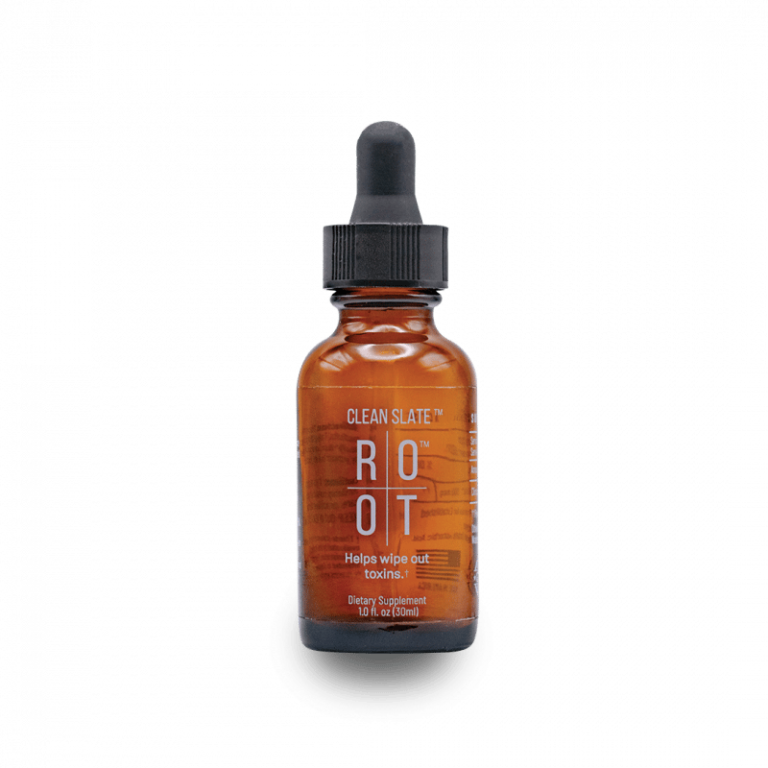
Clean Slate – Detoxes thousands of chemicals,heavy metals, pesticides, allergens, mold spores and fungus
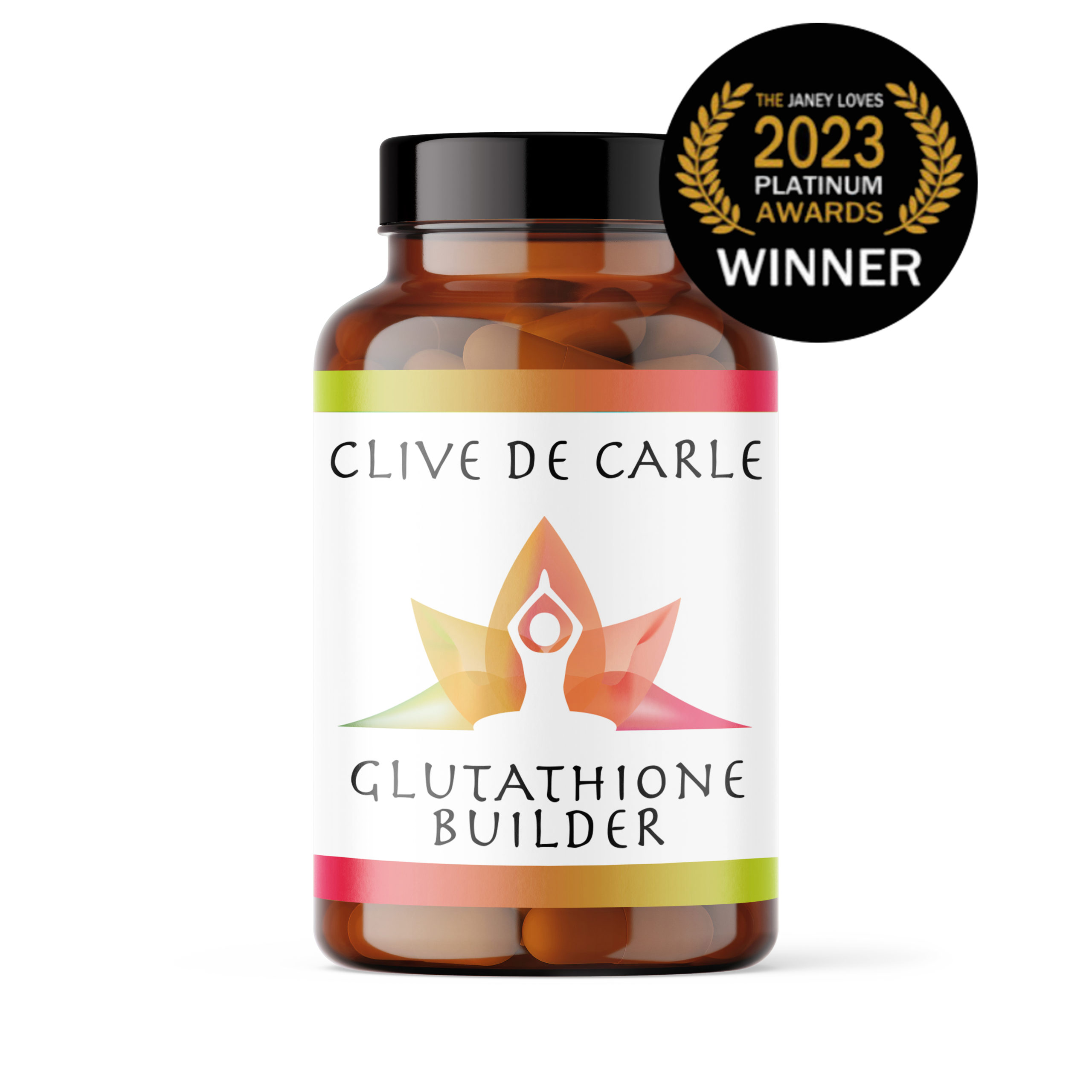
Glutathione Builder – Advanced Amino Acid Formula

Immuno – Daily Support for the Immune System
INNERSTANDING may earn a commission on purchases made through these links. All products are selected based on rigorous educational relevance to our biological research.
RABBIT HOLE
Follow the biological thread deeper