
Hematopoietic Aging: The Root of Age-Related Immune Decline
Updated May 2026
As blood stem cells age, they lose their ability to produce a diverse range of immune cells. This paper explains why the elderly are more susceptible to infections and how to rejuvenate the marrow.
Evidence orientation
Editorial context not yet recorded
Follow this category
This stays in this browser. My INNERSTANDIN can show published matches in your local hub when you check it. It does not send email, push, or alert notifications.
Local learning review
A private browser aid for revisiting ideas. It is not an alert or a health recommendation.
Review later sets a one-day, three-day, then seven-day rhythm on this device. Choose it only when you want to revisit this article.
Overview
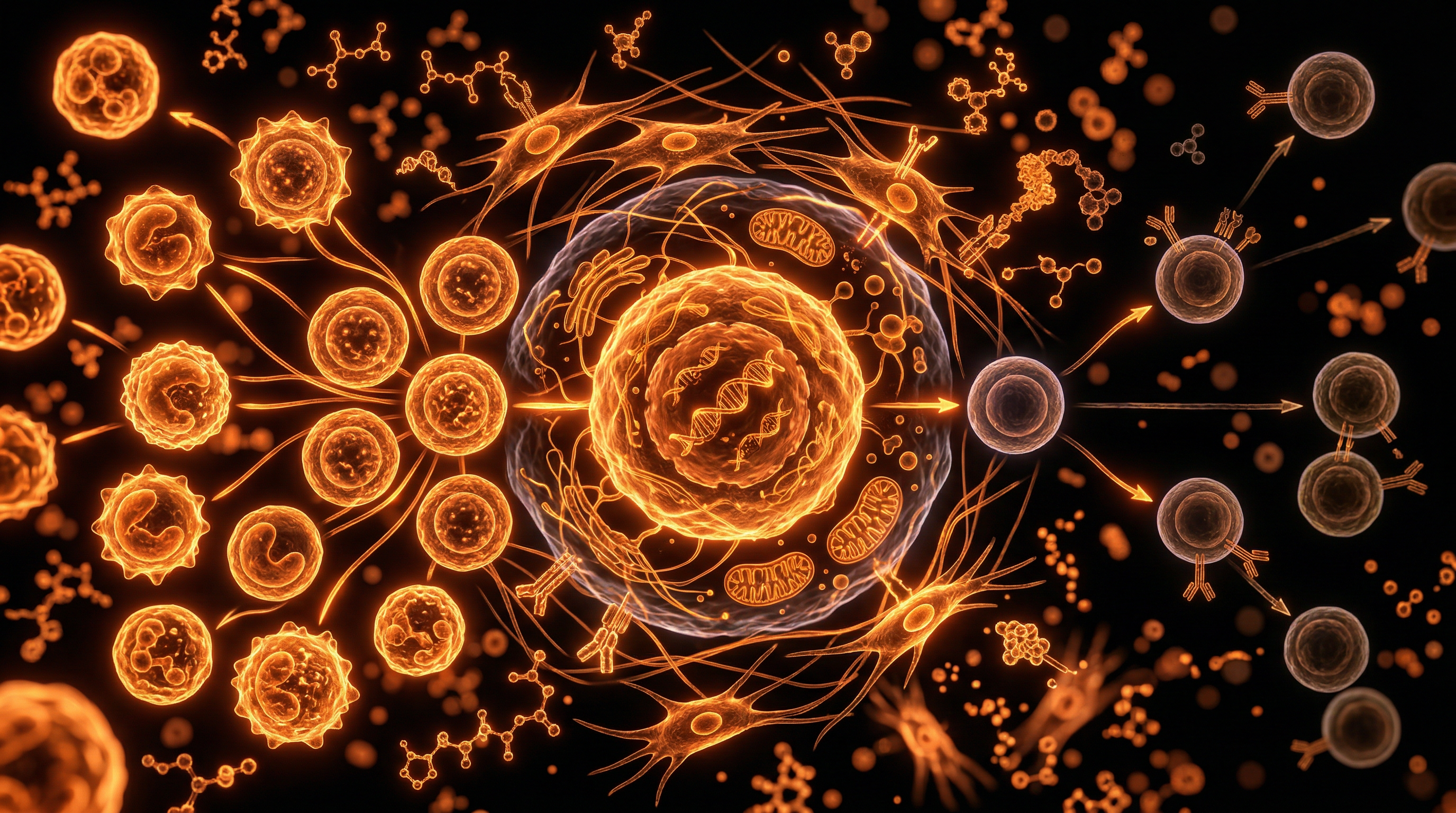
In the inner sanctum of our long bones lies the most prolific engine of life: the bone marrow. This biological foundry is responsible for the staggering production of approximately 500 billion new blood cells every single day. At the apex of this regenerative hierarchy sits the Hematopoietic Stem Cell (HSC), a rare and exquisite cell type capable of both self-renewal and multi-lineage differentiation. However, as the clock of chronology advances, this engine begins to stutter. Hematopoietic aging is not merely a symptom of getting older; it is the fundamental driver behind the progressive collapse of the human immune system—a phenomenon known as immunosenescence.
For decades, the medical establishment has viewed the decline of the elderly as an inevitable, holistic "wearing out." Yet, advanced molecular biology reveals a far more specific and sinister reality. The erosion of the hematopoietic niche serves as the primary domino that triggers a cascade of systemic failure. When our blood-forming stem cells age, they do not simply die off; they undergo a qualitative shift, losing their ability to produce a diverse range of immune cells. This shift directly leads to the "Anarchy of the Aged"—a state where the body is simultaneously vulnerable to external pathogens and hyper-reactive to its own tissues through chronic inflammation.
This article serves as a comprehensive exposé of the mechanisms underlying hematopoietic decay. We will explore how the marrow, once a vibrant nursery for life, transforms into a reservoir of pro-inflammatory senescence. We will also challenge the mainstream narratives that treat the symptoms of aging while ignoring the primary source of cellular bankruptcy. By understanding the root causes of blood stem cell exhaustion, we can begin to implement protocols that do not merely manage decline, but actively seek to rejuvenate the very core of our biological vitality.
The Biology — How It Works
The hematopoietic system is structured like a rigid pyramid. At the top are the Long-Term Hematopoietic Stem Cells (LT-HSCs), which remain mostly dormant (quiescent) to protect their genetic integrity. Below them are the Short-Term HSCs, followed by multipotent progenitors, and finally, the specialized effector cells: oxygen-carrying red blood cells, clotting platelets, and the diverse army of white blood cells.
The Myeloid-Lymphoid Imbalance
In a youthful state, HSCs maintain a delicate balance between two primary lineages:
- The Lymphoid Lineage: Produces T-cells, B-cells, and Natural Killer (NK) cells. These are the "special forces" of the immune system, responsible for targeted memory-based responses against viruses and cancers.
- The Myeloid Lineage: Produces monocytes, macrophages, neutrophils, and erythrocytes. These are the "front-line infantry," responsible for rapid, non-specific inflammatory responses.
Key Statistic: In a young adult, the ratio of lymphoid to myeloid production is balanced. By age 70, the production of lymphoid cells can drop by over 70%, while myeloid production becomes disproportionately dominant.
This "myeloid bias" is the hallmark of hematopoietic aging. As we age, the HSC pool shifts its output. We stop producing enough T and B cells to fight off new infections or remember old ones (why vaccines often fail in the elderly). Instead, we overproduce inflammatory myeloid cells. This creates a "perfect storm" where the body is prone to cytokine storms and chronic systemic inflammation, yet is unable to mount a specific defense against a simple influenza virus or an emergent malignant cell.
The Concept of Quiescence
HSCs are unique because they spend most of their lives "asleep." This quiescent state is a survival mechanism designed to prevent the accumulation of mutations during DNA replication. When the body signals a need for more blood (due to injury or infection), these cells "wake up" and divide. However, aging causes a loss of this control. Aged HSCs find it increasingly difficult to return to sleep, leading to metabolic exhaustion and the eventual depletion of the functional stem cell pool.
Mechanisms at the Cellular Level
To understand why the marrow fails, we must look at the microscopic stressors that assault the HSC on a daily basis. The aging of blood is not a single event but a convergence of several distinct biological breakdowns.
1. DNA Damage and Genomic Instability
The most well-documented driver of HSC aging is the accumulation of DNA lesions. Because HSCs live for the duration of an individual's life, they are exposed to decades of reactive oxygen species (ROS), radiation, and replication errors. Unlike other cells that might undergo apoptosis (programmed cell death) when damaged, aged HSCs often persist in a damaged state. This leads to Clonal Hematopoiesis of Indeterminate Potential (CHIP)—a condition where a single mutated stem cell begins to dominate the blood supply, significantly increasing the risk of blood cancers and cardiovascular disease.
2. Epigenetic Drift
The "instructions" for how a cell functions are written in the epigenome. With age, the chemical tags (methylation and acetylation) that turn genes on or off begin to scramble. In aged HSCs, genes responsible for lymphoid differentiation are often "silenced" by excessive methylation, while inflammatory pathways are permanently "switched on." This epigenetic noise means that even if the DNA remains intact, the cell "forgets" how to function as a youthful stem cell.
3. Mitochondrial Dysfunction and ROS
HSCs in their youthful, quiescent state rely on glycolysis (anaerobic metabolism) to stay cool and quiet. As they age, they are forced to shift toward oxidative phosphorylation (aerobic metabolism), which takes place in the mitochondria. This shift is disastrous. It produces high levels of Reactive Oxygen Species (ROS), which act like biological "acid," corroding the cell from the inside out and further damaging the DNA.
4. The Niche Microenvironment: "The Rotten Soil"
An HSC is only as good as the bone marrow "niche" it inhabits. The niche consists of mesenchymal stem cells, nerves, blood vessels, and osteoblasts (bone-builders).
- Adipogenesis: As we age, the bone marrow is increasingly infiltrated by fat cells (adipocytes). This "fatty marrow" is highly inflammatory and toxic to HSCs.
- Vascular Decay: The blood vessels within the marrow become "leaky" and lose their structural integrity, failing to deliver necessary nutrients and signals to the stem cells.
- Loss of Neural Input: Recent research shows that the sympathetic nervous system, which regulates HSC release, degenerates with age, leaving the stem cells "stranded" and unresponsive to the body's needs.
Callout Fact: The "yellowing" of bone marrow—where red, active marrow is replaced by yellow, fatty tissue—is one of the most visible indicators of biological aging and immune bankruptcy.
Environmental Threats and Biological Disruptors
While aging is a natural process, the modern world has accelerated hematopoietic decline to an unprecedented degree. We are currently living through a "silent crisis" where environmental toxins are poisoning our bone marrow niches.
The Impact of Glyphosate and Agrochemicals
The widespread use of glyphosate and other organophosphates has devastating effects on the bone marrow. These chemicals have been shown to induce oxidative stress specifically within the hematopoietic compartment. By disrupting the shikimate pathway in our gut microbiome, they indirectly affect the "gut-bone marrow axis," triggering systemic inflammation that "wakes up" quiescent HSCs, forcing them into premature exhaustion.
Microplastics and Nanoplastics
Recent autopsies have confirmed the presence of microplastics within human bone marrow. These foreign particles are not inert; they trigger a chronic immune response. Macrophages in the marrow attempt to "clear" these plastics, leading to a state of permanent low-grade inflammation that degrades the HSC niche. This is a primary driver of the "myeloid shift" observed even in younger populations today.
Electromagnetic Fields (EMF) and Non-Ionizing Radiation
While the mainstream narrative dismisses the biological impact of non-ionizing radiation, several studies suggest that chronic exposure to high-intensity EMFs can alter the calcium signalling pathways within the marrow. Since HSC quiescence is heavily dependent on precise ion balances, this constant electronic "noise" may be preventing stem cells from maintaining their deep-sleep, protective state.
Heavy Metal Accumulation
The bone is a primary storage site for lead, cadmium, and strontium. As bone density decreases with age (osteoporosis), these sequestered heavy metals are released directly into the bone marrow microenvironment. This creates a localized toxic "hot zone" that poisons the HSCs at their very source.
The Cascade: From Exposure to Disease
Hematopoietic aging is the "silent architect" of nearly every major age-related pathology. When the blood-forming system fails, the rest of the body follows in a predictable, devastating sequence.
1. Inflammaging and Systemic Decay
The overproduction of myeloid cells leads to a surplus of pro-inflammatory cytokines like IL-6 and TNF-alpha. This state of chronic, low-grade inflammation—inflammaging—acts as a slow-burning fire that degrades the lining of the arteries (atherosclerosis), damages brain tissue (neurodegeneration), and impairs insulin sensitivity (Type 2 Diabetes).
2. The Failure of Immuno-Surveillance
A primary job of a youthful immune system is to find and destroy "senescent cells" (zombie cells) and "premalignant cells" (early cancer). As the T-cell and NK-cell populations dwindle due to hematopoietic aging, this surveillance fails.
- Cancer: The elderly don't necessarily get more mutations; they simply lose the "police force" required to kill the mutated cells before they become tumours.
- Viral Vulnerability: The inability to produce new, "naive" T-cells means the body cannot respond to new viral threats (like SARS-CoV-2 or new influenza strains), leading to high mortality rates in the aged.
3. Clonal Hematopoiesis (CHIP) and the Heart
Perhaps the most shocking discovery in recent years is the link between CHIP and heart disease. People with aged, mutated blood stem cells are twice as likely to suffer from heart attacks and strokes, independent of their cholesterol levels or blood pressure. The mutated white blood cells produced by these aged stem cells are hyper-inflammatory and actively accelerate the formation of plaques in the arteries.
Callout Fact: Hematopoietic aging is arguably a better predictor of cardiovascular mortality than traditional lipid panels, yet it is almost never screened for in standard clinical practice.
What the Mainstream Narrative Omits
The current medical paradigm is focused almost exclusively on downstream symptoms rather than upstream causes. By focusing on vaccines to "boost" a failing immune system or statins to "fix" inflamed arteries, the "Medical-Industrial Complex" ignores the rot at the foundation.
The Suppression of HSC Rejuvenation
There is a profound lack of funding for therapies that target the bone marrow niche. Why? Because a one-time rejuvenation of the marrow would negate the need for a lifetime of pharmaceutical interventions for diabetes, heart disease, and chronic inflammation. The establishment benefits from a population with "managed" chronic illnesses rather than a population with a resilient, youthful hematopoietic system.
The "Vaccine-Only" Fallacy
Mainstream public health focuses on "updating" the immune system via external software (vaccines) while ignoring the fact that the "hardware" (the bone marrow) is broken. If the marrow cannot produce the B-cells required to create antibodies, no amount of boosters will provide long-term protection. We are seeing the consequences of this neglect in the rising rates of "breakthrough" infections and the general decline in public health resilience.
Ignoring the Gut-Marrow Axis
The role of the microbiome in regulating bone marrow health is systematically downplayed. Short-chain fatty acids produced by healthy gut bacteria are essential for maintaining HSC health. However, the prevalence of Ultra-Processed Foods (UPFs) in the Western diet destroys this axis, further accelerating the aging of the blood.
The UK Context
In the United Kingdom, the crisis of hematopoietic aging is particularly acute due to a combination of historical environmental factors and current healthcare policy.
The Legacy of Industrial Pollution
The UK’s industrial heritage has left a "toxic footprint" in the marrow of its citizens. Regions in the North of England and the Midlands, where heavy industry was once concentrated, show higher rates of myelodysplastic syndromes and age-related immune failure. The accumulation of legacy toxins like lead and coal particulates in the bones of the older generation is a silent public health emergency.
The NHS: A Reactive Relic
The National Health Service (NHS), while a source of national pride, is structurally ill-equipped to deal with hematopoietic aging. Its "reactive" model focuses on emergency care and acute management. There is virtually no infrastructure for proactive regenerative medicine or stem cell monitoring. British patients are rarely offered tests for CHIP or cytokine profiling until they have already developed an advanced malignancy or heart failure.
Vitamin D and the British Climate
The UK's lack of sunlight is a critical factor. Vitamin D is not just a vitamin; it is a potent steroid hormone that plays a vital role in maintaining HSC quiescence and preventing myeloid bias. The endemic Vitamin D deficiency in the British population is a primary accelerator of immunosenescence, yet government recommendations for supplementation remain woefully inadequate.
Protective Measures and Recovery Protocols
While the biological "clock" is formidable, it is not immutable. Emerging research suggests several strategies to protect, and possibly rejuvenate, the hematopoietic niche.
1. Hormetic Stress and Autophagy
Autophagy—the body’s cellular recycling system—is the most powerful tool for cleaning out damaged proteins and mitochondria in the marrow.
- Intermittent Fasting: Periods of 16-24 hours of fasting can trigger the clearing of old, "lazy" HSCs, making room for healthier ones to proliferate.
- Prolonged Fasting: 3-day fasts (under medical supervision) have been shown in animal models to essentially "reboot" the entire immune system by forcing the marrow to regenerate its stem cell pool.
2. Senolytics: Killing the "Zombie Cells"
The accumulation of senescent cells in the bone marrow niche is a major driver of decline. Certain compounds, known as senolytics, can selectively induce death in these harmful cells.
- Quercetin and Dasatinib: This combination is currently being studied for its ability to clear senescent cells from the bone marrow.
- Fisetin: A natural flavonoid found in strawberries that has shown remarkable efficacy in reducing the "senescence-associated secretory phenotype" (SASP) in the blood-forming system.
3. Targeted Supplementation
To counteract the myeloid shift and DNA damage, specific nutrients are non-negotiable:
- NAD+ Precursors (NMN or NR): HSCs require high levels of NAD+ for DNA repair. Supplementing can help maintain the "genomic integrity" of the stem cell pool.
- Urolithin A: This metabolite (derived from pomegranates) is one of the only known substances that can trigger mitophagy—the recycling of damaged mitochondria—within the bone marrow.
- Spermidine: Found in wheat germ and aged cheese, it promotes cellular renewal and has been shown to improve T-cell quality in the elderly.
4. Avoiding Bone-Seeking Toxins
- Water Filtration: Using high-quality filters (like reverse osmosis) to remove fluoride and heavy metals that accumulate in the bone.
- EDC Avoidance: Eliminating plastics (BPA/BPS) and "forever chemicals" (PFAS) from the diet and home environment to reduce the toxic load on the marrow niche.
5. Emerging Regenerative Therapies
For those with the means, stem cell banking (harvesting and freezing one’s own HSCs while young) is the ultimate insurance policy. In the future, "autologous transplant" of youthful, stored stem cells may become the standard of care for reversing hematopoietic aging. Additionally, exosome therapy—using the signalling molecules of youthful stem cells to "re-educate" aged marrow—is showing immense promise.
Summary: Key Takeaways
The aging of our blood is not a peripheral concern; it is the central nexus of human decay. As the Hematopoietic Stem Cell loses its way, the entire biological edifice begins to crumble. We must move beyond the superficial focus on "treating diseases" and begin to address the cellular bankruptcy occurring within our bones.
- The Root Cause: Most age-related deaths—from pneumonia to heart attacks—are downstream consequences of a "biased" and "exhausted" bone marrow.
- The Myeloid Shift: The loss of lymphoid (T and B cell) production is why we become more susceptible to viruses and cancer as we age.
- Environmental Impact: Our modern world (toxins, UPFs, EMFs) is a "stem cell killer" that accelerates aging by decades.
- The Path Forward: Rejuvenation is possible through autophagy, metabolic support (NAD+), and the removal of environmental disruptors.
The "root of age-related immune decline" is no longer a mystery. It is a biological process that has been accelerated by modern neglect and ignored by a reactive medical establishment. By reclaiming the health of our hematopoietic niche, we do not just extend life; we ensure that our later years are defined by resilience rather than frailty. The fountain of youth is not a myth; it is a well-tended, youthful marrow.
This article is provided for informational and educational purposes only. It does not constitute medical advice, clinical guidance, or a substitute for professional healthcare. Information reflects cited research at time of publication. Always consult a qualified healthcare professional before acting on any health information.
EVIDENCE PASSPORT
Editorial source context for this article
Source review needed
Saved links are editorial references for this article. They may support specific claims rather than every sentence. Open and assess each source in context. This passport does not independently verify them.
Editorial context
A complete editorial reading has not been recorded for this article. Source links remain available for you to open and assess directly.
Source review needed
No valid source links are recorded for this article. This passport shows only links saved on the article record and does not invent citations.
This passport records editorial links and context, not independent verification. Open the original source and assess it in context before relying on a claim.
Medical Disclaimer
The information in this article is for educational purposes only and does not constitute medical advice, diagnosis, or treatment. Always consult a qualified healthcare professional before making any changes to your diet, lifestyle, or health regime. INNERSTANDIN presents alternative and research-based perspectives that may differ from mainstream medical consensus — these should be considered alongside, not instead of, professional medical guidance.
Read Full DisclaimerContinue the thread
Keep this question moving.
Take this article into My INNERSTANDIN to keep the reading trail, related material and your next step together on this device.
Explore this in the Body Map
See where this hits your biology. Interactive anatomy, threats, and protective protocols.
Dig deeper in the Library
Free, longform PDF volumes that go beyond headlines into mechanisms and references.