Hormonal Homeostasis and Methylation: Unlocking the MTHFR-Estrogen Connection
Discuss this resourceUpdated August 2026
An in-depth exploration of how MTHFR polymorphisms impact the body's ability to metabolize and detoxify estrogen, leading to hormonal imbalances.
Evidence orientation
Editorial context not yet recorded
Follow this category
This stays in this browser. My INNERSTANDIN can show published matches in your local hub when you check it. It does not send email, push, or alert notifications.
Local learning review
A private browser aid for revisiting ideas. It is not an alert or a health recommendation.
Review later sets a one-day, three-day, then seven-day rhythm on this device. Choose it only when you want to revisit this article.
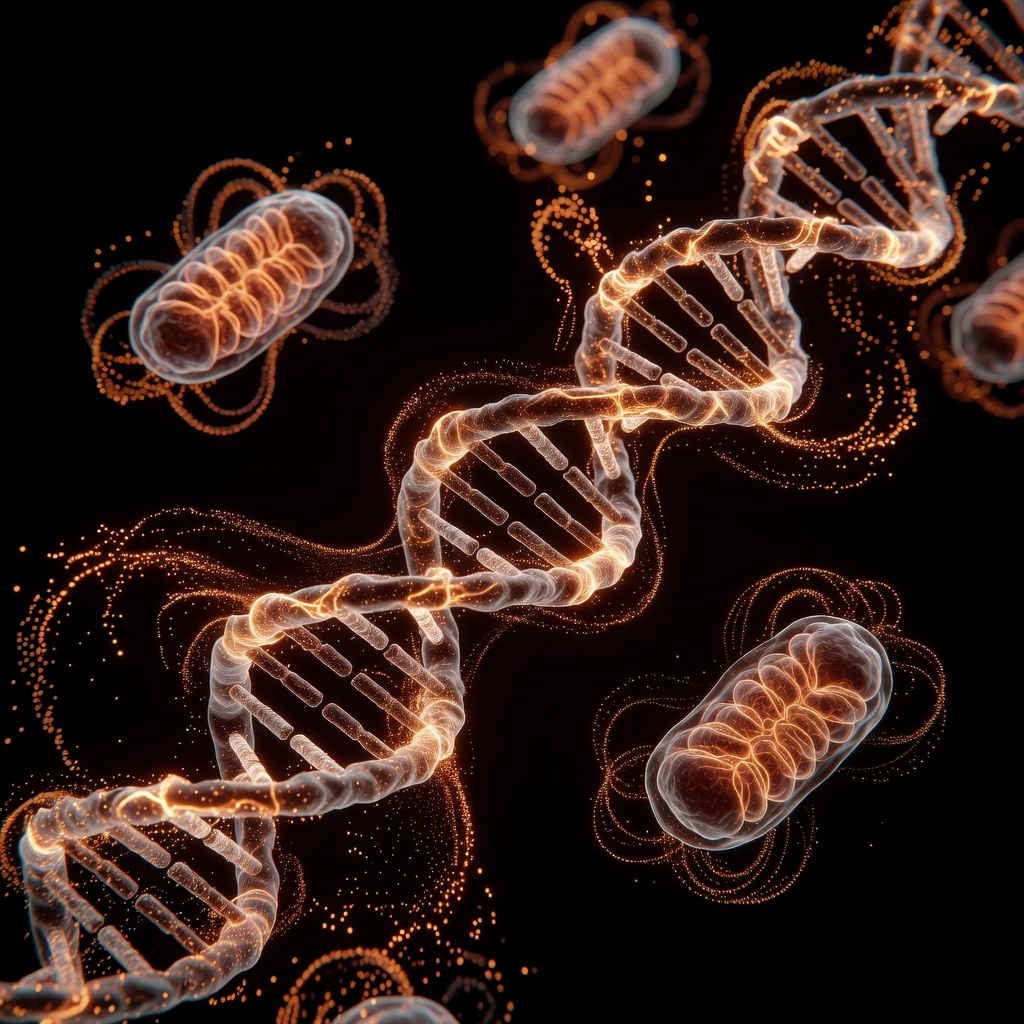
The Foundation of Hormonal Balance. Hormonal homeostasis is a delicate dance governed by intricate biochemical pathways. At the heart of this process lies the methylation cycle, a critical physiological process that serves as the body’s 'master switch.' When we discuss estrogen detoxification, we often overlook the essential role that methylation plays in rendering estrogen metabolites inert. For individuals with MTHFR (Methylenetetrahydrofolate reductase) polymorphisms, this process can be significantly compromised, leading to an accumulation of estrogen metabolites that may drive endocrine-related issues. ### The Methylation Cycle and Estrogen Metabolism. Estrogen is not a single hormone but a group of compounds.
After these hormones perform their physiological functions, they must be broken down by the liver. This happens in two primary phases: Phase I (oxidation) and Phase II (conjugation). The methylation cycle is the crucial component of Phase II, specifically involving the enzyme Catechol-O-methyltransferase (COMT). COMT is responsible for neutralizing catechol estrogens. However, COMT requires a steady supply of S-adenosylmethionine (SAMe)—the universal methyl donor.
This is where MTHFR enters the picture. If an individual carries an MTHFR polymorphism (such as C677T or A1298C), the production of 5-methyltetrahydrofolate (5-MTHF) is impaired. Without sufficient 5-MTHF, the entire methionine cycle slows down, leading to a shortage of SAMe. Without enough SAMe, COMT cannot effectively 'tag' estrogen metabolites for excretion. ### The Root Cause of Disruption. When methylation is suboptimal, the body fails to clear these estrogen metabolites efficiently.
These 'dirty' estrogens can then recirculate, potentially binding to estrogen receptors and triggering proliferative effects. This state of 'estrogen dominance' is not merely about having too much estrogen; it is about the body's failure to process and eliminate it. Symptoms such as heavy periods, fibroids, mood fluctuations, and breast tenderness are frequently linked to this disruption. ### Supporting the Pathway. Understanding this root cause allows for a targeted approach. Rather than masking symptoms, we must support the upstream mechanisms.
Supplementing with bioavailable methylated B-vitamins (like methylfolate and methylcobalamin) can often bypass the genetic bottleneck created by MTHFR. Furthermore, ensuring adequate protein intake for amino acids like methionine, glycine, and taurine provides the building blocks necessary for robust liver detoxification. Additionally, addressing gut health is paramount; the 'estrobolome'—a collection of bacteria in the gut—controls whether estrogen stays in the body or is excreted. Ensuring regular bowel movements and fiber intake prevents the reabsorption of estrogen that the liver has worked so hard to filter. ### Conclusion. Hormonal health is a systems-based endeavor.
By recognizing the intersection of MTHFR genetics and estrogen metabolism, we move away from symptom-management towards true internal restoration. Strengthening the methylation cycle is the key to achieving the metabolic harmony required for long-term hormonal resilience.
This article is provided for informational and educational purposes only. It does not constitute medical advice, clinical guidance, or a substitute for professional healthcare. Information reflects cited research at time of publication. Always consult a qualified healthcare professional before acting on any health information.
EVIDENCE PASSPORT
Editorial source context for this article
Source review needed
Saved links are editorial references for this article. They may support specific claims rather than every sentence. Open and assess each source in context. This passport does not independently verify them.
Editorial context
A complete editorial reading has not been recorded for this article, and no source links are saved on its record.
Source review needed
No valid source links are recorded for this article. Supplementary research, where available, is listed separately below.
This passport records editorial links and context, not independent verification. Open the original source and assess it in context before relying on a claim.
Medical Disclaimer
The information in this article is for educational purposes only and does not constitute medical advice, diagnosis, or treatment. Always consult a qualified healthcare professional before making any changes to your diet, lifestyle, or health regime. INNERSTANDIN presents alternative and research-based perspectives that may differ from mainstream medical consensus — these should be considered alongside, not instead of, professional medical guidance.
Read Full DisclaimerContinue the thread
Keep this question moving.
Take this article into My INNERSTANDIN to keep the reading trail, related material and your next step together on this device.
Explore this in the Body Map
Explore related body structures and their educational pages in the interactive Body Map.
Dig deeper in the Library
Free, longform PDF volumes that go beyond headlines into mechanisms and references.
RABBIT HOLE
Follow the biological thread deeper