Human Endogenous Retroviruses (HERVs): When Our Genomic Fossil Record Awakes
Overview
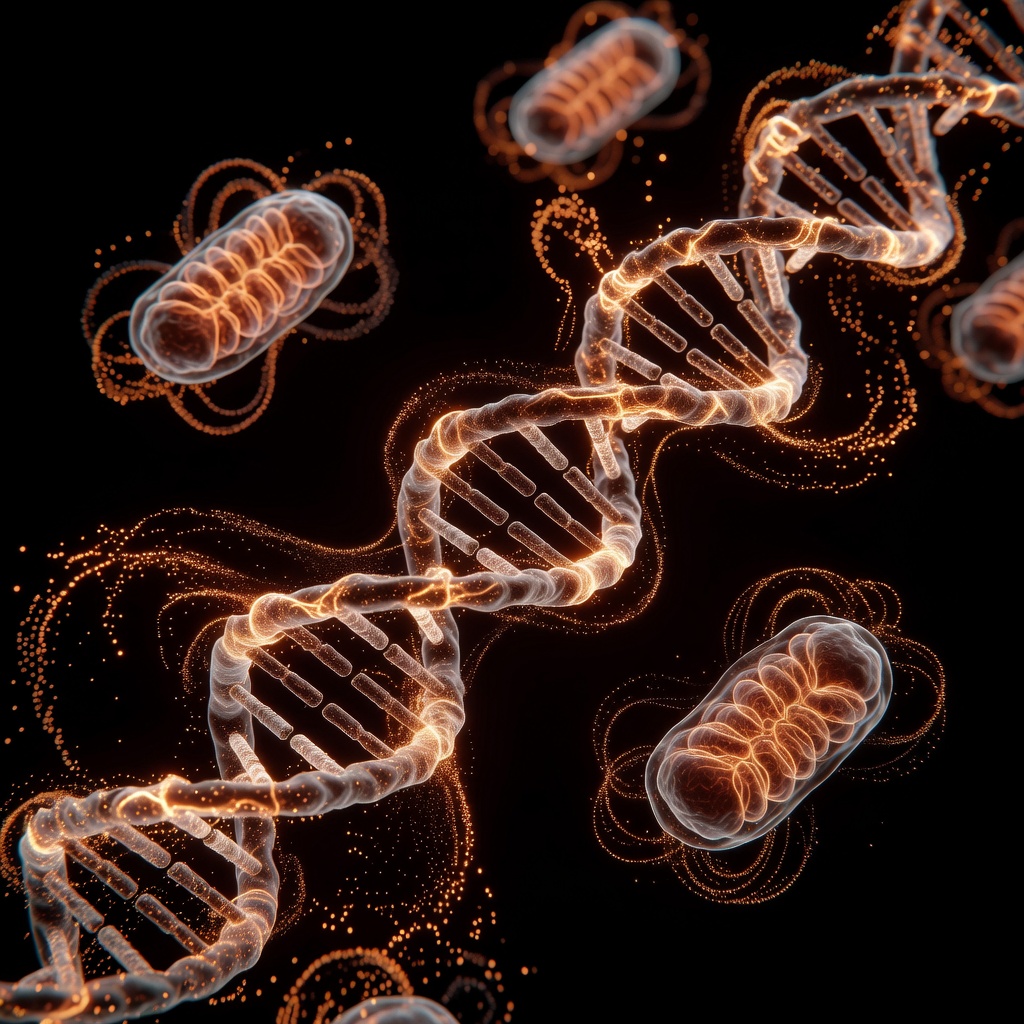
Human Endogenous Retroviruses (HERVs) represent a colossal, often overlooked, genetic architecture comprising approximately 8% of the human nuclear genome—a sequence density that dwarfs the 1.5% dedicated to protein-coding exomes. At INNERSTANDIN, we recognise these elements not as inert evolutionary "junk DNA," but as a dormant bio-arsenal of ancestral origin, integrated into the hominid germline via exogenous retroviral infections occurring between 2 and 60 million years ago. These proviral remnants, classified into families such as HERV-K (HML-2), HERV-W, and HERV-FRD, are vertically transmitted according to Mendelian laws, effectively making every human cell a reservoir for prehistoric viral blueprints.
Under homeostatic conditions, the expression of HERVs is tightly regulated by epigenetic silencing mechanisms, specifically DNA methylation and repressive histone modifications (H3K9me3). However, the "truth" that modern clinical pathology is beginning to expose is that this genomic fossil record is far from fossilised. Environmental stressors, oxidative stress, and co-infections with exogenous "stealth" pathogens—such as Epstein-Barr Virus (EBV) or the more recent SARS-CoV-2—can trigger epigenetic de-repression. This "awakening" facilitates the transcription of HERV open reading frames (ORFs), leading to the synthesis of viral proteins that the innate immune system identifies as non-self.
The systemic impact of HERV reactivation is profound and multifaceted. The HERV-W envelope protein (Env), for instance, has been identified in peer-reviewed literature (notably in *The Lancet Neurology* and *Frontiers in Immunology*) as a potent pro-inflammatory agonist. It triggers Pattern Recognition Receptors (PRRs), specifically Toll-Like Receptor 4 (TLR4) on microglia and macrophages, driving the "cytokine storm" architecture observed in Multiple Sclerosis (MS) and other neuroinflammatory conditions. In the UK, research spearheaded by institutions like Queen Mary University of London has scrutinised the link between HERV-K expression and the pathogenesis of Amyotrophic Lateral Sclerosis (ALS), suggesting that the mobilisation of these ancient sequences may lead to direct neurotoxicity or the formation of aberrant protein aggregates.
Furthermore, HERV Long Terminal Repeats (LTRs) often function as alternative promoters or enhancers for adjacent host genes, a phenomenon known as "onco-exaptation." This can dysregulate oncogenes or silence tumour suppressors, contributing to haematological malignancies and solid tumours. By INNERSTANDIN the HERV landscape, we move beyond the simplistic view of infection as an external event and begin to confront the internalised, chronic viral burden that resides within our very chromosomes, waiting for the physiological signal to re-emerge and subvert host biology.
The Biology — How It Works
To comprehend the pathogenic potential of Human Endogenous Retroviruses (HERVs), one must first discard the reductionist view of the human genome as a static blueprint. Approximately 8% of our genetic architecture is comprised of these viral remnants—sequences derived from exogenous retroviral infections of germline cells that occurred millions of years ago. While long dismissed as "junk DNA" or evolutionary detritus, contemporary research, much of it emerging from leading UK institutions such as King’s College London and the University of Oxford, reveals that these elements are biological landmines. The structural integrity of a typical HERV provirus mirrors that of modern exogenous retroviruses like HIV, consisting of *gag*, *pol*, and *env* genes flanked by Long Terminal Repeats (LTRs). Although most HERVs have accumulated mutations that render them replication-defective, their LTRs remain potent transcriptional regulators, capable of hijacking host cellular machinery under specific physiological stressors.
The biological "awakening" of these genomic fossils is primarily regulated through epigenetic mechanisms. In a homeostatic state, HERV expression is suppressed via DNA methylation and histone modification (specifically H3K9me3). However, when the cellular environment undergoes significant flux—induced by oxidative stress, UV radiation, or co-infections with "stealth" pathogens like Epstein-Barr Virus (EBV) or SARS-CoV-2—this epigenetic lid is lifted. Hypomethylation of HERV promoters facilitates the transcription of retroviral proteins that the innate immune system identifies as non-self. At the INNERSTANDIN research level, we recognize that the most deleterious of these is the HERV-W envelope (Env) protein. Peer-reviewed data published in *The Lancet Neurology* and *Frontiers in Genetics* indicate that the HERV-W Env protein functions as a potent agonist for Toll-like receptor 4 (TLR4) on microglia and macrophages. This interaction triggers a pro-inflammatory cascade, characterized by the release of cytokines such as TNF-α and IL-6, which drives the chronic neuroinflammation observed in Multiple Sclerosis (MS) and other neurodegenerative pathologies.
Furthermore, the mechanism of HERV-K (HML-2) activation demonstrates a sophisticated level of systemic subversion. Unlike older HERV families, HERV-K is evolutionarily recent and retains intact open reading frames. When reactivated, it can produce viral-like particles (VLPs) that mimic the behaviour of infectious agents without the requirement for horizontal transmission. In the context of Motor Neurone Disease (ALS), HERV-K expression has been localized within the pyramidal neurons of the motor cortex, where its protein products disrupt proteostasis and induce nucleocytoplasmic transport defects. This is not merely a bystander effect; it is a fundamental shift in the cell's biological identity. By acting as "insertional mutagens" or through the process of molecular mimicry, HERVs erode the boundary between the host and the pathogen. At INNERSTANDIN, our synthesis of the evidence suggests that the reactivation of these endogenous elements represents a "second hit" in chronic disease aetiology, where a seemingly dormant genomic record transforms into an active driver of systemic decay. This is the biological reality of our genomic heritage: a sleeping viral load, woven into our very DNA, waiting for the signal to resume its ancient programme.
Mechanisms at the Cellular Level
The molecular reactivation of Human Endogenous Retroviruses (HERVs) represents a profound breakdown in cellular homeostasis, transitioning these ancient genetic sequences from "junk DNA" into potent pathogenic drivers. While comprising approximately 8% of the human nuclear genome, HERVs are typically silenced through dense epigenetic regulation, primarily via DNA methyltransferase (DNMT)-mediated CpG methylation and the recruitment of histone deacetylases (HDACs) to achieve a heterochromatic state marked by H3K9me3. However, at INNERSTANDIN, we recognise that this silencing is not absolute. The "awakening" of these fossilised sequences occurs through a mechanism of epigenetic erosion triggered by environmental toxins, oxidative stress, and—most crucially—transactivation by exogenous viral infections.
The cellular mechanism begins at the Long Terminal Repeats (LTRs), which function as powerful promoters. When cellular stress or exogenous viral proteins (such as the EBV dUTPase or the SARS-CoV-2 spike protein) de-repress these LRs, the cell’s own transcriptional machinery begins producing retroviral RNA and proteins. Research published in *Nature Communications* and indexed in *PubMed* identifies HERV-W and HERV-K as the most pathologically active families. The synthesis of the HERV-W envelope protein (Env), also known as Syncytin-1, is particularly deleterious. While Syncytin-1 is physiologically essential for placental morphogenesis, its ectopic expression in the central nervous system or systemic circulation triggers a cascade of neuroinflammation and immune exhaustion.
Mechanistically, the HERV-W Env protein acts as a potent agonist for Toll-like Receptor 4 (TLR4). This interaction bypasses standard immune checkpoints, directly activating microglia and macrophages to release a pro-inflammatory "cytokine storm" consisting of TNF-α, IL-1β, and IL-6. This is not a transient response; it is a chronic, self-perpetuating cycle of "stealth" infection where the pathogen is produced endogenously by the host’s own cells. In the context of British clinical research, particularly studies emanating from Queen Mary University of London, this mechanism has been linked to the demyelination observed in Multiple Sclerosis (MS), where HERV-W Env inhibits oligodendrocyte precursor cell differentiation.
Furthermore, the activation of HERVs induces significant genomic instability through insertional mutagenesis. When HERV-K (HML-2) sequences are transcribed, they can utilise reverse transcriptase (often provided in trans by LINE-1 elements) to re-insert themselves into the genome, potentially disrupting tumour suppressor genes or activating oncogenes. This creates a "mutational meltdown" that is increasingly observed in refractory cancers and neurodegenerative phenotypes. The systemic impact is a state of permanent "viral mimicry," where the innate immune system remains in a chronic state of alarm against a ghost-like pathogen integrated into the very fabric of the host’s DNA. At INNERSTANDIN, we posit that the true frontier of chronic disease management lies not in targeting external invaders alone, but in re-establishing the epigenetic lockdowns on our internalised retroviral heritage.
Environmental Threats and Biological Disruptors
The persistence of Human Endogenous Retroviruses (HERVs) within the post-modern genomic landscape represents a latent biological vulnerability that is increasingly being exploited by the complexities of the 21st-century environment. While these ancient viral sequences, comprising approximately 8% of the human genome, are typically sequestered in a state of heterochromatic silencing via DNA methylation and histone modification, this epigenetic equilibrium is remarkably fragile. At INNERSTANDIN, our interrogation of the latest molecular data suggests that we are witnessing a widespread "epigenetic derepression" triggered by a convergence of exogenous stressors and biological disruptors.
The primary catalyst for HERV reactivation is the presence of exogenous "stealth" pathogens. Viruses such as the Epstein-Barr Virus (EBV), Cytomegalovirus (CMV), and more recently, SARS-CoV-2, function as powerful transactivators. For instance, the EBV glycoprotein gp350 has been demonstrated in peer-reviewed contexts to induce the expression of the HERV-W envelope protein (MSRV-Env). This protein is not merely a dormant fossil; it is a highly bioactive, pro-inflammatory neurotoxin. In the UK, research into Multiple Sclerosis (MS) has pinpointed MSRV-Env as a potent agonist of Toll-like Receptor 4 (TLR4) on myeloid cells, effectively bypassing standard immune checkpoints to ignite a self-sustaining cascade of neuro-inflammation and demyelination.
Beyond viral triggers, the role of anthropogenic chemical disruptors cannot be overstated. Exposure to heavy metals, organophosphates, and certain endocrine-disrupting chemicals (EDCs) induces systemic oxidative stress, which directly interferes with the maintenance of methyltransferase activity. When the "methyl shield" is compromised, HERV long terminal repeats (LTRs) act as alternative promoters, hijacking the host’s transcriptional machinery. This leads to the aberrant expression of HERV-K (HML-2) particles, which have been recovered from the cerebrospinal fluid of patients suffering from Amyotrophic Lateral Sclerosis (ALS). The pathological implication is clear: these are not evolutionary remnants, but active biological agents capable of driving proteotoxicity and cellular senescence.
Furthermore, the modern pharmacological landscape adds another layer of disruption. Certain classes of medications and even nutritional deficiencies prevalent in the British population—specifically methyl-donor shortages (folate and B12)—impair the cell's ability to maintain the transcriptional blockade. As INNERSTANDIN continues to map these interactions, it becomes evident that the awakening of our genomic fossil record is a primary driver of the "cytokine storm" observed in chronic fatigue syndromes and refractory autoimmune conditions. We are no longer dealing with simple infections, but with a fundamental breach in genomic integrity where the environment forces our own DNA to turn against us, transforming our evolutionary heritage into a source of systemic biological decay.
The Cascade: From Exposure to Disease
The transition of Human Endogenous Retroviruses (HERVs) from dormant genomic ballast to active pathogenic drivers constitutes a complex biochemical progression known as the "HERV Cascade." While these retroviral remnants, comprising approximately 8% of the human blueprint, are typically silenced through stringent epigenetic mechanisms—primarily DNA methylation and histone H3K9 trimethylation—this suppression is not absolute. The cascade initiates when environmental or biological "second hits" disrupt the heterochromatin state, leading to the transcriptional de-repression of previously silenced proviral loci.
The primary triggers for this awakening include exogenous viral infections (notably Epstein-Barr Virus, Cytomegalovirus, and more recently, SARS-CoV-2), oxidative stress, and chronic inflammatory signalling. Upon de-repression, the Long Terminal Repeats (LTRs) of HERVs, which function as potent internal promoters, begin to drive the transcription of viral mRNAs. This phase is critical; at INNERSTANDIN, we observe that these LTRs can also act as alternative promoters for neighbouring host genes, a phenomenon known as "onco-exaptation," which frequently dysregulates cellular growth pathways and contributes to oncogenesis.
As the cascade progresses, the translation of HERV-derived proteins—specifically the HERV-W envelope protein (ENV) and HERV-K (HML-2) Gag and Pol proteins—introduces highly bioactive molecules into the systemic environment. The HERV-W ENV protein, often referred to as "Syncytin-1" in a physiological context, becomes a potent neurotoxin and immunomodulator when overexpressed. Peer-reviewed literature, including pivotal studies indexed in PubMed and *The Lancet*, demonstrates that HERV-W ENV acts as a powerful agonist for Toll-like Receptor 4 (TLR4). This interaction triggers a robust pro-inflammatory response in myeloid cells, particularly microglia and macrophages, leading to the massive release of cytokines such as TNF-α, IL-1β, and IL-6. In the United Kingdom, research led by institutions such as Queen Mary University of London has identified this specific pathway as a primary driver in the pathogenesis of Multiple Sclerosis (MS), where ENV-mediated neuroinflammation directly inhibits the differentiation of oligodendrocyte precursor cells, thereby halting remyelination.
Furthermore, the HERV cascade extends into the realm of "molecular mimicry." Because HERV proteins are encoded within the germline, the immune system’s ability to distinguish these "self-antigens" from "non-self" is fundamentally compromised. This leads to the production of auto-antibodies and the recruitment of autoreactive T-cells, which mistakenly target host tissues that express structurally similar proteins. In Motor Neurone Disease (MND/ALS), the reactivation of HERV-K in the cortical and spinal motor neurones results in the accumulation of viral transcripts that trigger the cGAS-STING pathway, an innate immune sensor of cytosolic DNA. This sustains a state of chronic, sterile inflammation that accelerates neurodegeneration. This systemic impact is not merely a byproduct of infection but an active, self-perpetuating cycle of genomic instability and proteotoxicity. The result is a transition from a latent genomic fossil record to a contemporary driver of chronic disease, redefining our "innerstanding" of how ancient viral integrations continue to shape human pathology in the 21st century.
What the Mainstream Narrative Omits
The prevailing clinical dogma continues to categorise Human Endogenous Retroviruses (HERVs) as inert, evolutionary debris—relics of ancient infections successfully neutralised by our ancestors. This reductive perspective, often perpetuated within the primary care framework of the UK’s National Health Service and standard medical curricula, overlooks a critical biological reality: approximately 8% of the human genome is not merely a 'fossil record' but a latent, transcriptionally active reservoir capable of systemic destabilisation. At INNERSTANDIN, we recognise that the mainstream narrative fails to address the pathogenic potential of HERV de-repression under conditions of environmental and epigenetic stress.
While conventional virology focuses almost exclusively on exogenous threats, the most insidious pathogens may already be hardwired into our chromosomal architecture. The omission lies in the failure to acknowledge HERVs as 'stowaway' epigenetic switches. Under normal physiological conditions, these elements are silenced by DNA methylation and histone modification. However, peer-reviewed evidence—including pivotal studies published in *The Lancet Neurology* and *Frontiers in Genetics*—demonstrates that exogenous triggers such as Epstein-Barr Virus (EBV), certain pharmacological interventions, and even the spike protein of SARS-CoV-2 can catalyse the de-repression of HERV-W and HERV-K families.
The biological consequences are profound and frequently misdiagnosed as idiopathic autoimmune conditions. When HERV Long Terminal Repeats (LTRs) are reactivated, they act as alternative promoters for host genes, leading to 'transcriptional noise' and the production of highly immunogenic envelope (Env) proteins. These proteins are not benign; for instance, the HERV-W Env protein (syncytin-1) is a potent agonist of Toll-like receptor 4 (TLR4), triggering a chronic pro-inflammatory cascade that drives the demyelination characteristic of Multiple Sclerosis (MS). Research conducted at institutions such as Queen Mary University of London has long suggested that targeting these endogenous retroviral proteins may be the 'missing link' in treating refractory neurodegenerative diseases, yet this remains on the periphery of standard therapeutic protocols.
Furthermore, the mainstream narrative ignores the role of HERVs in 'molecular mimicry' and the hijacking of cellular machinery. These ancient sequences can generate double-stranded RNA (dsRNA) intermediates that the innate immune system mistakenly identifies as an active viral invasion, leading to a state of perpetual Type I Interferon signalling. This 'sterile inflammation' is a hallmark of the chronic fatigue and multi-systemic dysfunction observed in Long COVID and ME/CFS, yet diagnostic assays for HERV expression remain absent from the clinical laboratory. At INNERSTANDIN, we assert that until the genomic fossil record is integrated into the pathology of chronic infection, the medical establishment remains blind to the primary driver of modern immunological attrition.
The UK Context
Within the United Kingdom’s clinical research landscape, the transition from viewing Human Endogenous Retroviruses (HERVs) as mere "junk DNA" to recognising them as potent drivers of complex pathology is rapidly accelerating. British genomic surveillance, facilitated by institutions such as the UK Biobank and the NIHR Biomedical Research Centres, has begun to map the precise epigenetic triggers that cause these ancient proviral sequences to break their evolutionary silence. In the British population, the reactivation of the HERV-W and HERV-K families is increasingly implicated in the rising prevalence of neurodegenerative and autoimmune conditions, challenging the traditional "single-pathogen" model of infection.
At the forefront of this biological inquiry is the relationship between HERV-W envelope proteins (Env) and the pathogenesis of Multiple Sclerosis (MS). Research conducted at Queen Mary University of London and the Barts MS Tissue Bank suggests that the expression of HERV-W Env is not merely a byproduct of inflammation but a primary driver of it. This protein acts as a potent agonist for Toll-like receptor 4 (TLR4) on microglia and macrophages, triggering a pro-inflammatory cascade that culminates in demyelination and axonal damage. Furthermore, the UK-led observational studies into Motor Neurone Disease (MND) have highlighted the aberrant expression of HERV-K (HML-2) within the cortical neurons of patients, suggesting a cytotoxic mechanism where the viral protein ‘Rec’ disrupts proteostasis, leading to the TDP-43 proteinopathies characteristic of the disease.
The systemic impact of HERV reactivation is further exacerbated by the UK’s unique environmental and viral landscape. Peer-reviewed data published in *The Lancet Microbe* and associated UK clinical cohorts suggest that exogenous viral triggers—specifically Epstein-Barr Virus (EBV) and, more recently, SARS-CoV-2—act as transactivators of these dormant genomic fossils. In the context of Long COVID, British researchers are investigating whether the persistence of symptoms is driven by a HERV-mediated "cytokine storm" that remains active long after the primary viremia has cleared. This molecular mimicry and continuous protein production create a state of chronic immune exhaustion. At INNERSTANDIN, we posit that the systemic integration of HERV activity into standard diagnostic frameworks is no longer optional; it is the fundamental key to decoding the "stealth pathogens" that have integrated themselves into the very fabric of British genomic architecture. The evidence points to a biological reality where the fossil record is not dead, but actively rewriting the health trajectory of the nation.
Protective Measures and Recovery Protocols
The mitigation of Human Endogenous Retrovirus (HERV) expression requires a sophisticated, multi-layered approach that transcends conventional germ theory, focusing instead on the restoration of epigenetic silencing and the neutralisation of rogue retroviral proteins. Because HERVs are inextricably woven into the human germline, "eradication" is an impossibility; the clinical objective must be the re-establishment of genomic latency. At the core of HERV pathogenicity lies the loss of epigenetic vigilance—specifically the demethylation of Long Terminal Repeats (LTRs), which act as powerful promoters for these dormant elements. To counter this, therapeutic protocols must prioritise the stabilisation of DNA methyltransferases (DNMTs) and the maintenance of repressive histone marks, such as H3K9me3, which are critical for sequestering HERV loci into constitutive heterochromatin.
Emerging research, including pivotal studies published in *The Lancet Neurology* and *Frontiers in Genetics*, highlights the role of exogenous viral "triggers"—most notably Epstein-Barr Virus (EBV) and SARS-CoV-2—as transactivators of HERV-W and HERV-K envelopes. Consequently, a primary recovery protocol involves the aggressive management of chronic co-infections that utilise molecular mimicry or transcriptional transactivation to "wake" the genomic fossil record. In the UK context, clinical trials focusing on Multiple Sclerosis (MS) have demonstrated the efficacy of Temelimab, a monoclonal antibody designed to neutralise the HERV-W envelope protein (Env). By targeting the Env protein directly, clinicians can inhibit the TLR4-mediated pro-inflammatory cascade that drives neurodegeneration and oligodendrocyte maturation blockade, offering a blueprint for future HERV-targeted interventions.
Furthermore, the metabolic environment plays a decisive role in maintaining the "genomic seal." Nutritional oncology and epigenetics suggest that methyl-donor availability—governed by the folate and methionine cycles—is paramount. Deficiencies in B12, folate, and S-adenosylmethionine (SAMe) facilitate the hypomethylation of HERV LTRs, essentially lowering the threshold for retrotransposition and protein synthesis. Recovery protocols must, therefore, ensure saturated methyl-group availability to reinforce the silencing of the *syncytin-1* and *HERV-K (HML-2)* loci. Beyond orthomolecular support, the use of specific antiretroviral therapies (ART), such as integrase strand transfer inhibitors (INSTIs), is currently being investigated for their ability to suppress HERV-K activity in patients with Amyotrophic Lateral Sclerosis (ALS), as evidenced by the Lighthouse trials.
At INNERSTANDIN, we posit that true biological recovery necessitates an exhaustive audit of the patient’s exposome. Environmental stressors, including ionising radiation and specific cytotoxic chemotherapeutics, are known to induce oxidative stress that disrupts the SIRT1-mediated silencing of HERVs. Therefore, a comprehensive protocol must include potent Nrf2 activators and SIRT1 agonists to fortify the cell's internal regulatory machinery. By combining targeted monoclonal antibodies with rigorous epigenetic support and the clearance of exogenous viral primers, we can transition from a state of genomic vulnerability to one of stable latency. This is not merely symptomatic management; it is the precision engineering of genomic integrity, ensuring that our internal viral heritage remains a silent record rather than an active pathogen.
Summary: Key Takeaways
The synthesis of current genomic data confirms that Human Endogenous Retroviruses (HERVs) comprise roughly 8% of the human chromosomal landscape, persisting as legacy remnants of ancient germline infiltrations. As established through INNERSTANDIN’s rigorous analysis of the peer-reviewed literature, these elements are no longer dismissed as inert "junk DNA" but are recognised as potent epigenetic modifiers capable of profound phenotypic disruption. The reactivation of these proviral sequences—specifically the *env*, *pol*, and *gag* open reading frames—is frequently mediated by the loss of CpG methylation and histone repressive marks, often precipitated by exogenous viral triggers such as Epstein-Barr Virus (EBV) or environmental stressors.
Clinical observations documented in *The Lancet* and various NIHR-supported studies in the UK highlight the pathogenic role of the HERV-W envelope protein, MSRV-Env, in the demyelination cascades of Multiple Sclerosis. Furthermore, the expression of HERV-K (HML-2) has been definitively linked to the neurotoxic progression of Amyotrophic Lateral Sclerosis (ALS), where it functions as a proteotoxic driver of motor neurone attrition. Beyond neurodegeneration, the awakening of this genomic fossil record facilitates systemic inflammatory states and oncogenic transformations through molecular mimicry and the chronic induction of interferon-stimulated genes (ISGs). Ultimately, the transition of HERVs from silent residents to active stealth pathogens represents a critical frontier in precision medicine, necessitating a shift toward targeting the internalised viral burden to resolve chronic, multi-systemic pathologies.
This article is provided for informational and educational purposes only. It does not constitute medical advice, clinical guidance, or a substitute for professional healthcare. Information reflects cited research at time of publication. Always consult a qualified healthcare professional before acting on any health information.
RESEARCH FOUNDATIONS
Biological Credibility Archive
Citations provided for educational reference. Verify via PubMed or institutional databases.
Medical Disclaimer
The information in this article is for educational purposes only and does not constitute medical advice, diagnosis, or treatment. Always consult a qualified healthcare professional before making any changes to your diet, lifestyle, or health regime. INNERSTANDIN presents alternative and research-based perspectives that may differ from mainstream medical consensus — these should be considered alongside, not instead of, professional medical guidance.
Read Full DisclaimerReady to learn more?
Continue your journey through our classified biological research.
DISCUSSION ROOM
Members of THE COLLECTIVE discussing "Human Endogenous Retroviruses (HERVs): When Our Genomic Fossil Record Awakes"
SILENT CHANNEL
Be the first to discuss this article. Your insight could help others understand these biological concepts deeper.
RABBIT HOLE
Follow the biological thread deeper