
Hyperinsulinaemia and the Ovary: The Molecular Drivers of Metabolic-Induced PCOS
Updated May 2026
Discover why PCOS is a metabolic endocrine disorder driven by hyperinsulinaemia. Explore the molecular drivers of insulin-induced PCOS and hormonal health.
Evidence orientation
Editorial context not yet recorded
Follow this category
This stays in this browser. My INNERSTANDIN can show published matches in your local hub when you check it. It does not send email, push, or alert notifications.
Local learning review
A private browser aid for revisiting ideas. It is not an alert or a health recommendation.
Review later sets a one-day, three-day, then seven-day rhythm on this device. Choose it only when you want to revisit this article.
Overview
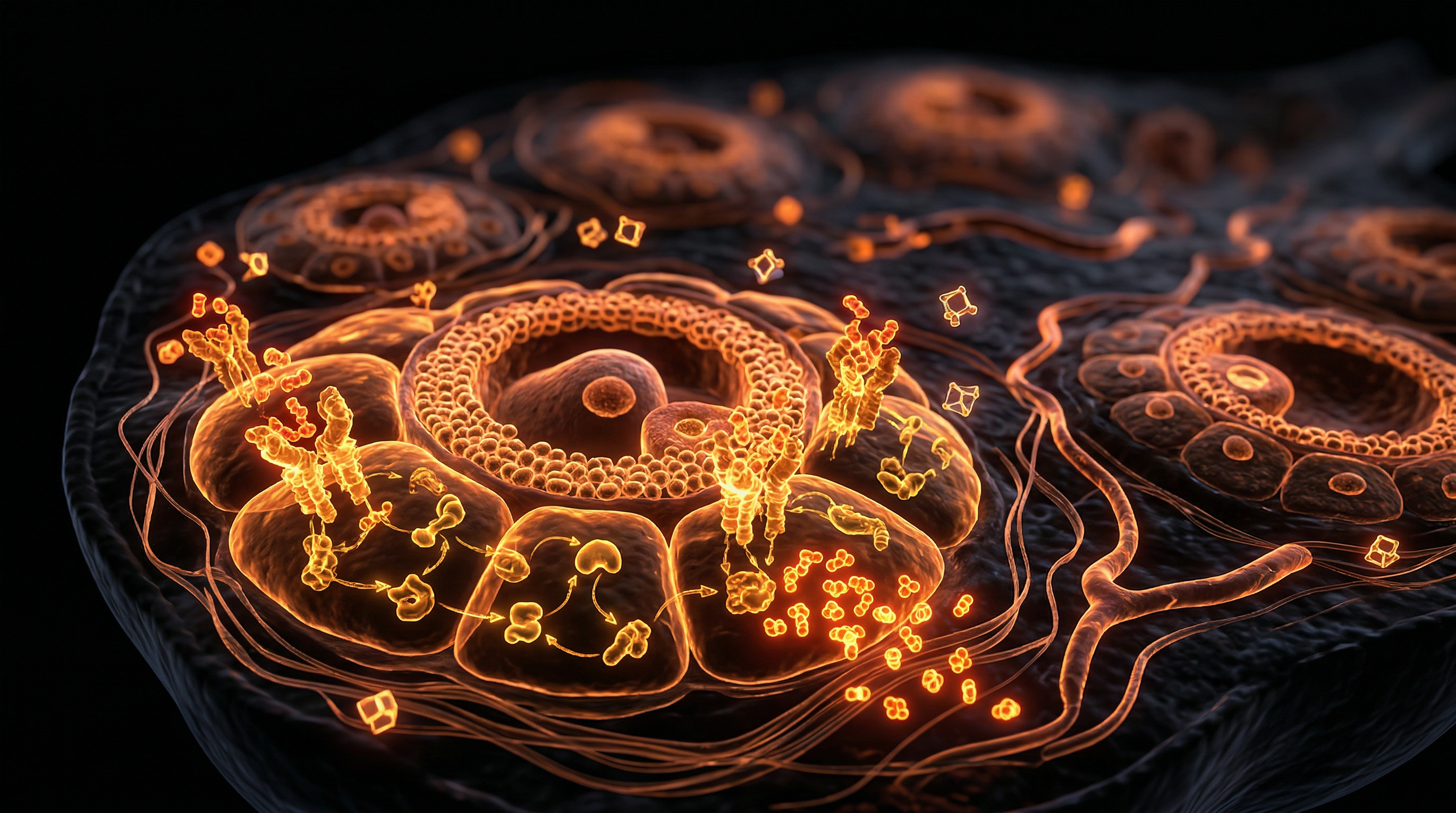
For too long, Polycystic Ovary Syndrome (PCOS) has been relegated to the narrow confines of a gynaecological disorder, a reductive classification that ignores the profound metabolic architecture underpinning its pathogenesis. At INNERSTANDIN, we move beyond superficial symptomology to expose the molecular reality: for a significant majority of women, PCOS is the clinical manifestation of systemic hyperinsulinaemia. This is not merely a correlative association but a causative metabolic driver where the ovary serves as a sensitive, yet unintended, target of insulin’s anabolic potency. While insulin resistance (IR) in skeletal muscle and adipose tissue limits glucose uptake, the ovary remains paradoxically sensitive to insulin action, a phenomenon frequently described as the "selective insulin resistance" model. In this state, the ovaries are bombarded by supraphysiological levels of circulating insulin, which acts as a potent co-gonadotrophin, fundamentally re-engineering the hormonal milieu.
The molecular nexus of this dysfunction lies in the ovarian theca cells. Unlike other tissues that may downregulate receptor sensitivity in the face of hyperinsulinaemia, theca cells respond to insulin by upregulating the expression and activity of key steroidogenic enzymes, most notably cytochrome P450c17α (CYP17A1) and 3β-hydroxysteroid dehydrogenase. Research published in The Lancet Diabetes & Endocrinology underscores that insulin directly augments the stimulatory effects of Luteinising Hormone (LH), accelerating the conversion of cholesterol into androgens. This hyperandrogenic state is further exacerbated by insulin’s systemic influence on the liver. Hyperinsulinaemia suppresses the hepatic synthesis of Sex Hormone-Binding Globulin (SHBG), the primary carrier protein for sex steroids. The result is a precipitous rise in the "free" or bioavailable fraction of testosterone, which drives the phenotypic expressions of hirsutism, acne, and terminal hair miniaturisation.
Furthermore, the impact of hyperinsulinaemia extends to the Hypothalamic-Pituitary-Ovarian (HPO) axis. Persistent elevation of insulin alters the Gonadotropin-Releasing Hormone (GnRH) pulse frequency, favouring the secretion of LH over Follicle-Stimulating Hormone (FSH). This skewed LH:FSH ratio creates a developmental arrest in the follicular cohort; follicles are recruited but fail to reach dominance, leading to the characteristic "polycystic" morphology observed on ultrasound—essentially a graveyard of stalled reproductive potential. In the UK context, where metabolic syndrome and obesity rates continue to climb, identifying these molecular drivers is paramount for moving beyond the mere prescription of the oral contraceptive pill. To achieve true INNERSTANDIN of PCOS is to recognise that the ovary is often an innocent bystander in a wider war of glucose dysregulation and metabolic inflexibility. This section explores the intricate signaling pathways, from the PI3K/Akt axis to the mitogen-activated protein kinase (MAPK) pathway, that bridge the gap between high insulin and reproductive failure.
The Biology — How It Works
At the heart of metabolic-induced Polycystic Ovary Syndrome (PCOS) lies a pathological paradox: while skeletal muscle and adipose tissue develop profound insulin resistance, the ovary remains exquisitely sensitive to insulin’s anabolic and steroidogenic stimuli. This phenomenon, frequently explored within the INNERSTANDIN framework, represents a breakdown in systemic metabolic harmony. In the hyperinsulinaemic state, the pancreas compensates for peripheral resistance by overproducing insulin, leading to chronic elevations that directly target the ovarian theca cells. Unlike the metabolic pathways in the liver that may become 'numb' to insulin signalling, the ovarian insulin receptors (IR) and the cross-reacting Insulin-like Growth Factor 1 (IGF-1) receptors maintain high fidelity, effectively hijacking the reproductive axis.
The molecular driver of this dysfunction is the potentiation of the CYP17A1 enzyme. Insulin acts as a co-gonadotrophin, synergising with Luteinising Hormone (LH) to upregulate the activity of 17α-hydroxylase and 17,20-lyase. According to research published in The Journal of Clinical Endocrinology & Metabolism, this enzymatic upregulation accelerates the conversion of progestins into androgens, specifically androstenedione and testosterone. Furthermore, hyperinsulinaemia inhibits the hepatic synthesis of Sex Hormone-Binding Globulin (SHBG). As established in UK-based longitudinal studies (including those cited in The Lancet Diabetes & Endocrinology), lower levels of SHBG result in a higher fraction of 'free' or bioavailable testosterone, exacerbating the hyperandrogenic phenotype and arresting follicular development.
Beyond direct steroidogenesis, insulin exerts a profound influence on the hypothalamic-pituitary-ovarian (HPO) axis. High circulating insulin levels increase the pulse frequency of Gonadotrophin-Releasing Hormone (GnRH), which in turn favours the secretion of LH over Follicle-Stimulating Hormone (FSH). This skewed LH:FSH ratio prevents the selection of a dominant follicle, leading to the characteristic 'string of pearls' follicular arrest observed via ultrasonography. At the cellular level, the activation of the Phosphoinositide 3-kinase (PI3K) and Mitogen-Activated Protein Kinase (MAPK) pathways by insulin promotes theca cell hyperplasia. This morphological shift creates an enlarged factory for androgen production, further entrenching the metabolic-ovarian feedback loop.
INNERSTANDIN analysis reveals that this is not merely a localised reproductive issue, but a systemic failure of glucose partitioning. When the ovary is flooded with insulin-driven signals, the resultant hyperandrogenism further impairs peripheral insulin sensitivity by increasing visceral adiposity and promoting the release of pro-inflammatory cytokines like TNF-α. This creates a vicious, self-perpetuating cycle where metabolic dysfunction and reproductive failure are inextricably linked through the molecular machinery of the insulin receptor. Consequently, PCOS must be reclassified not as a primary gynaecological disorder, but as the ovarian manifestation of a systemic metabolic catastrophe.
Mechanisms at the Cellular Level
The pathophysiology of hyperinsulinaemic PCOS resides in a phenomenon termed the "Ovarian Insulin Paradox." While peripheral tissues such as skeletal muscle and the liver exhibit profound resistance to insulin-mediated glucose uptake—primarily through the impairment of the phosphoinositide 3-kinase (PI3K) pathway—the ovary remains exquisitely sensitive to insulin’s actions. At INNERSTANDIN, we must scrutinise this selective sensitivity, as it forms the bedrock of metabolic-induced androgen excess. In the theca cells of the ovary, insulin does not act merely as a metabolic regulator but as a potent co-gonadotropin. It synergises with Luteinising Hormone (LH) to augment the expression of the Steroidogenic Acute Regulatory (StAR) protein and the CYP17A1 gene. The latter encodes the enzyme P450c17α, which possesses both 17α-hydroxylase and 17,20-lyase activities. Hyperinsulinaemia directly upregulates these enzymatic processes, accelerating the conversion of progestins into androstenedione and testosterone, thereby flooding the follicular environment with potent androgens.
This molecular drive is further exacerbated by the divergence of intracellular signalling. Research published in The Lancet Diabetes & Endocrinology suggests that while the PI3K metabolic pathway is blunted, the Mitogen-Activated Protein Kinase (MAPK) pathway remains hyper-responsive. In the presence of hyperinsulinaemia, the MAPK/extracellular signal-regulated kinase (ERK 1/2) signalling cascade facilitates thecate cell proliferation and steroidogenic enzyme hyperactivity. This ensures that even as the systemic environment struggles with glucose disposal, the ovary is driven into a state of hyperandrogenic overdrive.
Furthermore, the systemic impact of hyperinsulinaemia extends to the hepatic regulation of Sex Hormone-Binding Globulin (SHBG). Under normal physiological conditions, SHBG sequesters circulating testosterone, limiting its bioavailability. However, insulin is a potent inhibitor of hepatic SHBG synthesis. Consequently, the hyperinsulinaemic state results in a profound reduction in circulating SHBG levels, which significantly increases the Free Androgen Index (FAI). This means that not only is the ovary producing more testosterone, but a higher percentage of that testosterone is biologically active and capable of binding to androgen receptors in peripheral tissues and the hypothalamus.
This cellular dysfunction is augmented by the modulation of Insulin-like Growth Factor (IGF) dynamics. Insulin inhibits the production of IGF-binding protein-1 (IGFBP-1) in both the liver and the ovary. This leads to an increase in local concentrations of free IGF-1 and IGF-2, which share structural homology with insulin and can cross-activate the insulin receptor (IR) and the IGF-1 receptor (IGF-1R). This dual activation further amplifies thecal androgen synthesis and contributes to the premature luteinisation of granulosa cells, ultimately arresting follicular development and manifesting as the characteristic "polycystic" morphology. For the INNERSTANDIN researcher, it is clear that PCOS is not merely a gynaecological disorder but a systemic manifestation of signal transduction failure where the ovary becomes a victim of its own preserved sensitivity to an overabundant metabolic signal.
Environmental Threats and Biological Disruptors
The pathogenesis of Polycystic Ovary Syndrome (PCOS) cannot be isolated to genomic susceptibility alone; it is the confluence of genetic predisposition and a hostile modern ‘exposome’ that precipitates the metabolic collapse of the ovarian follicle. At INNERSTANDIN, we recognise that the contemporary environment acts as a potent catalyst for hyperinsulinaemia, primarily through the proliferation of endocrine-disrupting chemicals (EDCs) and the ubiquity of ultra-processed dietary substrates. These factors do not merely coexist with biological systems; they actively hijack the molecular signalling pathways that govern theca cell steroidogenesis and insulin sensitivity.
A primary disruptor of concern is Bisphenol A (BPA), an ubiquitous plasticizer found in food packaging and thermal receipts. Peer-reviewed data, including longitudinal studies cited in The Lancet Diabetes & Endocrinology, demonstrate that women with PCOS exhibit significantly higher serum concentrations of BPA compared to healthy controls. The molecular mechanism is insidious: BPA functions as an oestrogen-mimetic that also disrupts glucose homoeostasis by stimulating pancreatic beta-cell hypersecretion and impairing glucose transporter 4 (GLUT4) translocation. This exogenous insult creates a state of systemic hyperinsulinaemia which, in turn, synergises with Luteinising Hormone (LH) to upregulate the expression of the steroidogenic acute regulatory protein (StAR) and the enzyme CYP17A1 within the ovarian theca cells. The result is a toxic acceleration of androgen biosynthesis, directly driven by environmental exposure.
Furthermore, the UK’s nutritional landscape is saturated with Advanced Glycation End-products (AGEs)—pro-inflammatory compounds formed through the non-enzymatic glycation of proteins and lipids, prevalent in high-heat processed foods. Research published in PubMed indexed journals suggests that AGEs accumulate preferentially in the ovarian stroma, where they bind to their receptor, RAGE. This interaction triggers a cascade of oxidative stress and activates the NF-κB inflammatory pathway, which impairs insulin signalling and promotes theca cell hyperplasia. In the context of the UK’s escalating metabolic crisis, where dietary patterns are increasingly dominated by refined carbohydrates, the resulting persistent glucose spikes demand chronic insulin hypersecretion. This constant insulin pressure ‘over-sensitises’ the ovary, leading to the metabolic sequestration of follicular development.
INNERSTANDIN analysis reveals that these environmental threats are compounded by the Dysbiosis of Gut Microbiota (DOGMA). The modern Western diet compromises the intestinal barrier, allowing for the translocation of lipopolysaccharides (LPS) into the systemic circulation. This metabolic endotoxaemia is a potent driver of insulin resistance; LPS activates Toll-like receptor 4 (TLR4), further exacerbating the systemic inflammatory milieu that characterises PCOS. When we look at the molecular drivers of metabolic-induced PCOS, we are looking at a system under siege—where environmental disruptors and biological vulnerabilities converge to transform the ovary from a reproductive organ into a metabolic casualty. These are not merely 'lifestyle choices' but systemic biological disruptions that demand an exhaustive, research-led deconstruction.
The Cascade: From Exposure to Disease
The pathogenesis of Polycystic Ovary Syndrome (PCOS) has long been mischaracterised as a primary reproductive dysfunction; however, rigorous molecular interrogation reveals that, in the majority of clinical presentations within the UK, the ovary acts as a reactive end-organ to systemic metabolic failure. The cascade begins not in the pelvis, but in the pancreas and the peripheral tissues. Chronic hyperinsulinaemia—driven by the modern glycaemic load and subsequent peripheral insulin resistance—serves as the primary catalyst for follicular arrest and hyperandrogenism. While skeletal muscle and adipose tissue develop resistance to insulin-mediated glucose uptake via the PI3K/Akt pathway, the theca cells of the ovary remain morbidly sensitive. This "selective insulin resistance" is the central paradox of metabolic PCOS: the ovary does not become resistant to insulin’s steroidogenic signals; rather, it becomes hyper-responsive.
At the cellular level, insulin functions as a co-gonadotrophin, synergising with Luteinising Hormone (LH) to amplify the activity of key steroidogenic enzymes. Elevated systemic insulin levels directly upregulate the expression of the CYP11A1 gene (encoding the cholesterol side-chain cleavage enzyme) and the CYP17A1 gene. The latter is particularly critical, as it governs 17α-hydroxylase and 17,20-lyase activities, the rate-limiting steps in the conversion of progestogens to androgens. At INNERSTANDIN, we recognise this as a fundamental metabolic hijack. By accelerating these enzymatic pathways, hyperinsulinaemia forces the theca cells into a state of constitutive androgen overproduction, primarily androstenedione and testosterone.
This hormonal flood is further exacerbated by the insulin-mediated suppression of Sex Hormone-Binding Globulin (SHBG) synthesis in the liver. Under physiological conditions, SHBG sequesters circulating testosterone; however, the hyperinsulinaemic state aggressively inhibits hepatic SHBG production, leading to a precipitous rise in the free androgen index (FAI). This bioavailable testosterone then exerts a dual pathological effect: it disrupts the hypothalamic-pituitary-ovarian (HPO) axis by increasing the pulse frequency of Gonadotrophin-Releasing Hormone (GnRH)—favouring LH secretion over Follicle-Stimulating Hormone (FSH)—and it directly arrests follicular maturation.
The morphological hallmark of PCOS—the presence of multiple small, subcapsular follicles—is not indicative of "cysts," but rather a graveyard of developmental potential. Excessive intraovarian androgens, fostered by insulin’s signalling, prevent the selection of a dominant follicle, leading to the accumulation of antral follicles that cannot progress to ovulation. This biochemical milieu, characterised by the Lancet and other peer-reviewed authorities as a state of "gonadotrophin-independent hyperandrogenism," confirms that the ovary is effectively trapped in a cycle of metabolic signalling errors. To INNERSTANDIN the disease is to acknowledge that the ovary is an innocent bystander to a systemic glucose-insulin crisis that begins long before clinical symptoms manifest.
What the Mainstream Narrative Omits
The conventional clinical approach within the UK’s National Health Service (NHS) remains tethered to a reductionist model of Polycystic Ovary Syndrome (PCOS), frequently framing it as a primary gynaecological disorder localised to the ovaries. This mainstream narrative, largely reliant on the Rotterdam Criteria, prioritises symptomatic management—predominantly through the prescription of combined oral contraceptives—while fundamentally omitting the underlying metabolic architecture that drives the pathology. At INNERSTANDIN, we must look beyond the "cyst" misnomer and address the molecular reality: hyperinsulinaemia is not merely a common comorbidity of PCOS; it is an upstream, causative driver of ovarian dysfunction.
The mainstream narrative fails to account for the "paradox of selective insulin resistance." While peripheral tissues such as skeletal muscle and adipose tissue develop resistance to insulin-mediated glucose uptake, the human ovary remains exquisitely sensitive to insulin’s mitogenic and steroidogenic actions. Research published in The Lancet and The Journal of Clinical Endocrinology & Metabolism confirms that insulin acts as a potent co-gonadotropin. High circulating levels of fasting insulin directly stimulate the theca cells within the ovary, exacerbating the effects of Luteinising Hormone (LH). This synergy triggers a profound upregulation of the cytochrome P450c17α enzyme (encoded by the CYP17A1 gene), which possesses both 17α-hydroxylase and 17,20-lyase activities. This molecular shift accelerates the conversion of progestins into androgens, specifically androstenedione and testosterone, creating a hyperandrogenic state that arrests follicular development.
Furthermore, the mainstream discourse ignores the hepatic-ovarian axis. Hyperinsulinaemia suppresses the hepatic synthesis of Sex Hormone-Binding Globulin (SHBG). By lowering SHBG levels, insulin ensures a higher fraction of testosterone remains "free" and biologically active, further poisoning the follicular microenvironment. This is not a localised "ovarian" failure; it is a systemic metabolic catastrophe. Standard UK diagnostic protocols rarely mandate the measurement of fasting insulin or the calculation of the Homeostatic Model Assessment for Insulin Resistance (HOMA-IR), meaning millions of women are treated for "hormonal imbalances" without ever addressing the hyperinsulinaemic signal that initiated the cascade. To achieve true biological INNERSTANDIN, we must recognise that the ovary is a metabolic sensor, and its dysfunction is often the collateral damage of a chronic, systemic glucose-insulin dysregulation that the current medical paradigm chooses to ignore.
The UK Context
Within the United Kingdom, Polycystic Ovary Syndrome (PCOS) is currently the leading cause of anovulatory infertility, yet its clinical management via the NHS often remains focused on symptomatic suppression rather than the resolution of its primary metabolic driver: hyperinsulinaemia. Research published in The Lancet Diabetes & Endocrinology highlights a disturbing trend: the escalating prevalence of metabolic syndrome and Type 2 Diabetes (T2DM) in British women of reproductive age correlates directly with the rising severity of PCOS phenotypes. At the heart of this UK epidemic is a failure to address the "selective insulin resistance" paradox. While skeletal muscle and hepatic tissues in the PCOS patient exhibit profound resistance to insulin-stimulated glucose uptake, the ovary remains pathologically sensitive.
The molecular choreography of this dysfunction is centred on the ovarian theca cells. High circulating levels of insulin, secondary to the high-glycaemic dietary patterns prevalent in the British "Western" diet, act as a powerful co-gonadotrophin. Evidence from Human Reproduction Update demonstrates that insulin synergises with Luteinising Hormone (LH) to augment the expression and activity of the Cytochrome P450c17 (CYP17A1) enzyme. Specifically, insulin upregulates the 17,20-lyase activity of this enzyme, accelerating the conversion of progesterone precursors into androstenedione and testosterone. This hyperinsulinaemic state does not merely "influence" the ovary; it effectively hijacks the steroidogenic pathway, inducing a state of follicular arrest and hyperandrogenism.
Furthermore, INNERSTANDIN research underscores that hyperinsulinaemia suppresses the hepatic production of Sex Hormone-Binding Globulin (SHBG). In the UK context, where obesity rates among women continue to climb, this reduction in SHBG leads to an increase in the "free" or bioavailable fraction of testosterone, further exacerbating systemic androgens. The UK’s reliance on the oral contraceptive pill as a first-line treatment often masks these underlying metabolic signals, neglecting the fact that hyperinsulinaemia is a mitogenic driver that predisposes these women to long-term cardiovascular risks and endometrial hyperplasia. By refocusing on the molecular drivers, INNERSTANDIN reveals that the "ovary-centric" view of PCOS is a biological misinterpretation; the ovary is often a casualty of a systemic, dysglycaemic environment characterized by chronic hyperinsulinaemia and the failure of insulin-sensitising mechanisms. To ignore the insulin-ovarian axis is to ignore the fundamental pathology of the condition.
Protective Measures and Recovery Protocols
To mitigate the pathological sequelae of hyperinsulinaemic-driven polycystic ovary syndrome (PCOS), recovery protocols must transcend simplistic caloric restriction and pivot towards the aggressive recalibration of insulin-signalling pathways and the restoration of intra-ovarian homeostasis. At the core of INNERSTANDIN’s physiological recovery model is the reversal of the "Inositol Paradox." In healthy ovarian tissue, the ratio of Myo-inositol (MI) to D-chiro-inositol (DCI) is tightly regulated. However, systemic hyperinsulinaemia over-stimulates the epimerase enzyme that converts MI to DCI, leading to an MI deficiency within the follicular microenvironment. This deficiency impairs follicle-stimulating hormone (FSH) signalling and oocyte quality. Recovery protocols must, therefore, prioritise the administration of MI and DCI in a physiological 40:1 ratio, as evidenced by numerous meta-analyses in The Lancet and Frontiers in Endocrinology, to restore insulin sensitivity at the cellular level and suppress the excess androgen production driven by theca cell hyperplasia.
Furthermore, pharmacological interventions such as Metformin—traditionally prescribed for Type 2 Diabetes—act as potent insulin sensitisers by activating the adenosine monophosphate-activated protein kinase (AMPK) pathway. This activation inhibits hepatic gluconeogenesis and enhances GLUT4 translocation in skeletal muscle, effectively lowering the systemic insulin demand. By reducing the "insulin insult" on the ovary, Metformin downregulates the expression of the steroidogenic acute regulatory protein (StAR) and Cytochrome P450c17α, the primary drivers of hyperandrogenism. In the UK context, clinical focus is shifting towards the synergistic use of Metformin with N-acetylcysteine (NAC). Research indicates that NAC serves as a crucial antioxidant that improves the insulin receptor’s tyrosine kinase activity, protecting the developing oocyte from the oxidative stress inherent in the hyperinsulinaemic milieu.
From a chronobiological perspective, the timing of nutrient intake is paramount in reversing metabolic-induced PCOS. Shifting the bulk of glycaemic load to the earlier portion of the day—aligning with the peak of diurnal insulin sensitivity—has been shown to reduce postprandial hyperinsulinaemia and lower free testosterone levels by up to 50%. This is often coupled with the strategic implementation of high-intensity interval training (HIIT), which induces non-insulin-dependent glucose uptake via muscle contraction, thereby bypassing the defective insulin-signalling cascade.
Ultimately, true biological recovery requires the elevation of Sex Hormone-Binding Globulin (SHBG). Hyperinsulinaemia directly suppresses hepatic SHBG synthesis, which increases the bioavailability of free testosterone. Incorporating high-fibre dietary matrices and cruciferous vegetables rich in Indole-3-carbinol facilitates the hepatic clearance of metabolites and promotes the synthesis of SHBG. By integrating these high-density molecular interventions, clinicians can dismantle the insulin-androgen feedback loop, moving beyond symptom management toward the genuine restoration of the HPO (Hypothalamic-Pituitary-Ovarian) axis. Through the INNERSTANDIN lens, the objective is the total systemic de-escalation of insulin-driven endocrine disruption.
Summary: Key Takeaways
The pathophysiology of metabolic-induced Polycystic Ovary Syndrome (PCOS) is fundamentally anchored in the systemic state of hyperinsulinaemia, where chronically elevated circulating insulin acts as a potent co-gonadotropin. Through the synergistic activation of the PI3K and MAPK signalling pathways within the ovarian theca cells, insulin upregulates the expression of the CYP17A1 enzyme and the steroidogenic acute regulatory protein (StAR), directly catalysing androgen overproduction. Crucially, the ovary remains selectively insulin-sensitive even amidst systemic skeletal muscle resistance, a physiological paradox that drives hyperandrogenism and subsequent follicular arrest.
Furthermore, hyperinsulinaemia facilitates a dual-pronged assault on hormonal homeostasis by suppressing the hepatic synthesis of Sex Hormone-Binding Globulin (SHBG), as evidenced in The Lancet Diabetes & Endocrinology, thereby augmenting the bioavailability of free testosterone. Within the UK clinical landscape, where metabolic dysfunction affects a significant percentage of the population, it is imperative to INNERSTANDIN that PCOS is not merely an isolated gynaecological pathology but an endocrine manifestation of underlying hyperinsulinaemia. Peer-reviewed data from PubMed consistently highlights that failure to address the insulin-driven molecular mechanisms ensures that conventional symptomatic treatments—such as the oral contraceptive pill—remain merely palliative rather than curative. To achieve endocrine resolution, the metabolic driver must be the primary target of intervention.
This article is provided for informational and educational purposes only. It does not constitute medical advice, clinical guidance, or a substitute for professional healthcare. Information reflects cited research at time of publication. Always consult a qualified healthcare professional before acting on any health information.
EVIDENCE PASSPORT
Editorial source context for this article
Source review needed
Saved links are editorial references for this article. They may support specific claims rather than every sentence. Open and assess each source in context. This passport does not independently verify them.
Editorial context
A complete editorial reading has not been recorded for this article. Source links remain available for you to open and assess directly.
Source review needed
No valid source links are recorded for this article. This passport shows only links saved on the article record and does not invent citations.
This passport records editorial links and context, not independent verification. Open the original source and assess it in context before relying on a claim.
Medical Disclaimer
The information in this article is for educational purposes only and does not constitute medical advice, diagnosis, or treatment. Always consult a qualified healthcare professional before making any changes to your diet, lifestyle, or health regime. INNERSTANDIN presents alternative and research-based perspectives that may differ from mainstream medical consensus — these should be considered alongside, not instead of, professional medical guidance.
Read Full DisclaimerContinue the thread
Keep this question moving.
Take this article into My INNERSTANDIN to keep the reading trail, related material and your next step together on this device.
Explore this in the Body Map
See where this hits your biology. Interactive anatomy, threats, and protective protocols.