
Hypothalamic Suppression: The Kisspeptin Mechanism Behind RED-S
Published April 2026
Relative Energy Deficiency in Sport (RED-S) is frequently misdiagnosed as simple overtraining or PCOS, yet its roots lie in the hypothalamic suppression of the HPO axis. This investigative piece details the role of kisspeptin neurons and their sensitivity to leptin and glucose availability. We expose the danger of using the contraceptive pill to mask the absence of a natural cycle in competitive athletes.
Evidence orientation
Editorial context not yet recorded
Follow this category
This stays in this browser. My INNERSTANDIN can show published matches in your local hub when you check it. It does not send email, push, or alert notifications.
Local learning review
A private browser aid for revisiting ideas. It is not an alert or a health recommendation.
Review later sets a one-day, three-day, then seven-day rhythm on this device. Choose it only when you want to revisit this article.
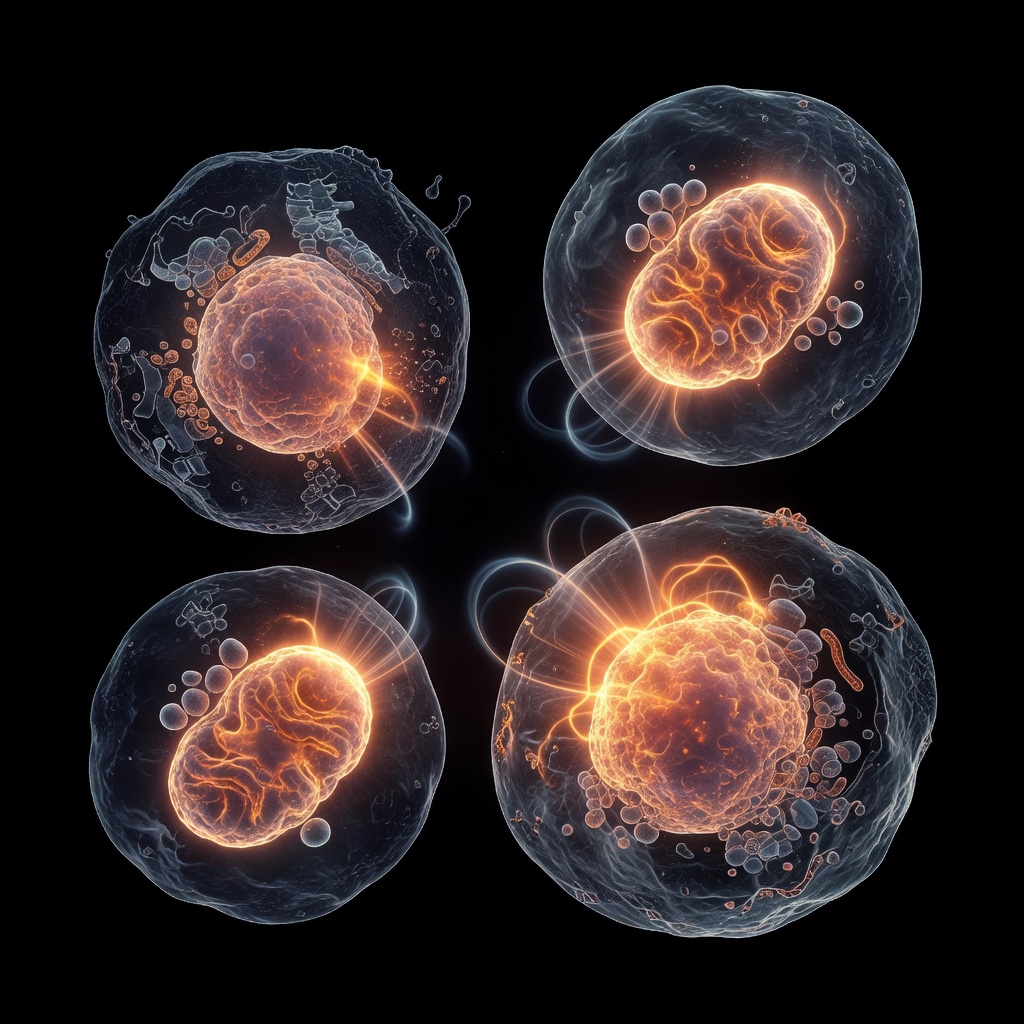
Relative Energy Deficiency in Sport (RED-S) represents one of the most significant yet poorly managed clinical conditions in female athletics. At its core, RED-S is a state of low energy availability where the body’s total caloric intake is insufficient to cover both the cost of exercise and the basic requirements of physiological functioning. The primary biological casualty is the Hypothalamic-Pituitary-Ovarian (HPO) axis. The gatekeeper of this system is the kisspeptin neuron, located in the hypothalamus. Kisspeptin is a potent stimulator of Gonadotropin-Releasing Hormone (GnRH), which in turn triggers the release of Luteinizing Hormone (LH) and Follicle-Stimulating Hormone (FSH).
However, kisspeptin neurons are incredibly sensitive to metabolic signals, particularly leptin—a hormone produced by adipose tissue—and glucose availability. When energy availability drops below a threshold (typically 30 kcal per kg of fat-free mass), leptin levels plummet, and kisspeptin signaling is silenced. The result is functional hypothalamic amenorrhea. Conventional medicine often fails these women by prescribing the combined oral contraceptive pill to 'regulate the cycle.' This is a biological fallacy; the pill induces a withdrawal bleed by providing exogenous steroids, but it does absolutely nothing to restore the underlying HPO axis or kisspeptin signaling. In fact, it masks the vital sign of a natural period, allowing the athlete to continue training in a state of energy deficiency that leads to catastrophic bone mineral density loss.
Research evidence shows that even short periods of low energy availability can increase cortisol and suppress Triiodothyronine (T3), the active thyroid hormone, further slowing the metabolism and impairing protein synthesis. The GP’s reliance on BMI as a health marker is also flawed here, as many athletes with RED-S maintain a 'normal' BMI while being internally malnourished. Recovery requires a multi-faceted approach: increasing energy availability, reducing training volume, and addressing the psychological drivers of restrictive eating. From a biological perspective, the focus must be on restoring leptin sensitivity and pulsatile LH release. Practical takeaways for the athlete include prioritizing 'fueling for the work required' and recognizing that the loss of a menstrual cycle is not a badge of hard work, but a sign of systemic endocrine failure.
Monitoring morning resting heart rate and T3 levels can provide earlier warnings than weight alone. By protecting the kisspeptin mechanism, the female athlete ensures long-term bone health and reproductive viability while maintaining peak performance.
This article is provided for informational and educational purposes only. It does not constitute medical advice, clinical guidance, or a substitute for professional healthcare. Information reflects cited research at time of publication. Always consult a qualified healthcare professional before acting on any health information.
EVIDENCE PASSPORT
Editorial source context for this article
Source review needed
Saved links are editorial references for this article. They may support specific claims rather than every sentence. Open and assess each source in context. This passport does not independently verify them.
Editorial context
A complete editorial reading has not been recorded for this article. Source links remain available for you to open and assess directly.
Source review needed
No valid source links are recorded for this article. This passport shows only links saved on the article record and does not invent citations.
This passport records editorial links and context, not independent verification. Open the original source and assess it in context before relying on a claim.
Medical Disclaimer
The information in this article is for educational purposes only and does not constitute medical advice, diagnosis, or treatment. Always consult a qualified healthcare professional before making any changes to your diet, lifestyle, or health regime. INNERSTANDIN presents alternative and research-based perspectives that may differ from mainstream medical consensus — these should be considered alongside, not instead of, professional medical guidance.
Read Full DisclaimerContinue the thread
Keep this question moving.
Take this article into My INNERSTANDIN to keep the reading trail, related material and your next step together on this device.