Hypoxia-Inducible Factors and the Regulation of Hematopoietic Stem Cell Quiescence: A Molecular Perspective
Discuss this resourceUpdated August 2026
An exploration into how low-oxygen niches within the bone marrow regulate Hematopoietic Stem Cell (HSC) longevity through Hypoxia-Inducible Factors (HIFs), preventing premature exhaustion and promoting lifelong blood cell regeneration.
Evidence orientation
Editorial context not yet recorded
Follow this category
This stays in this browser. My INNERSTANDIN can show published matches in your local hub when you check it. It does not send email, push, or alert notifications.
Local learning review
A private browser aid for revisiting ideas. It is not an alert or a health recommendation.
Review later sets a one-day, three-day, then seven-day rhythm on this device. Choose it only when you want to revisit this article.
Introduction: The Hypoxic Niche. The bone marrow is not merely a static reservoir of blood cells; it is a complex, hierarchical ecosystem. At the apex sits the Hematopoietic Stem Cell (HSC), a rare population tasked with the dual burden of self-renewal and multi-lineage differentiation. Crucial to their survival is their localization within the 'hypoxic niche.' Unlike highly metabolic peripheral tissues, the endosteal and perivascular regions of the bone marrow maintain partial pressures of oxygen significantly lower than arterial blood. This physiological hypoxia is not a deficiency but a regulatory necessity. ### The Role of Hypoxia-Inducible Factors (HIFs).
The cellular response to this low-oxygen environment is mediated primarily by Hypoxia-Inducible Factors (HIF-1alpha and HIF-2alpha). Under normoxic conditions, these transcription factors are hydroxylated by Prolyl Hydroxylase Domain (PHD) proteins, marking them for degradation by the von Hippel-Lindau (VHL) E3 ubiquitin ligase complex. However, in the hypoxic marrow, PHDs are inhibited, allowing HIF proteins to stabilize, translocate to the nucleus, and orchestrate a survival program that favors cellular quiescence. ### Molecular Mechanisms of Quiescence. Quiescence is the reversible state of cell cycle arrest (G0 phase). HIF-1alpha is the primary guardian of this state in HSCs.
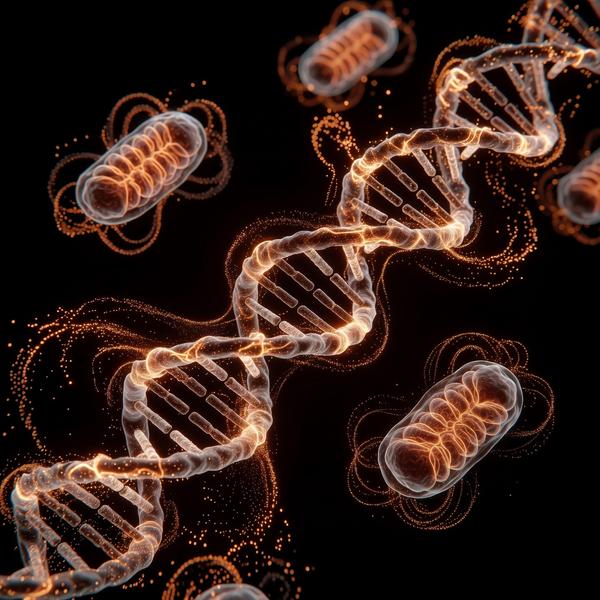
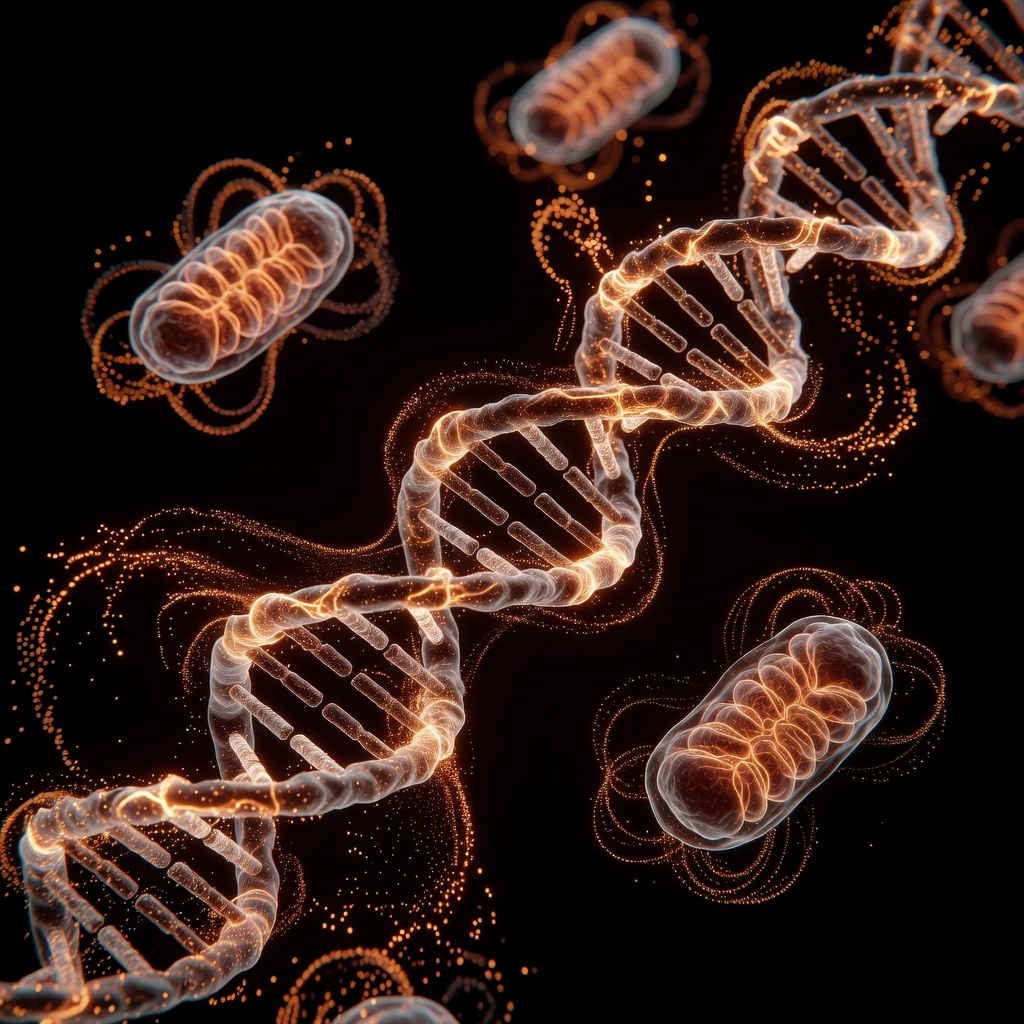
By upregulating p57 (a cyclin-dependent kinase inhibitor) and promoting the glycolytic shift, HIF-1alpha ensures that HSCs minimize oxidative stress. Mitochondria, when highly active, produce Reactive Oxygen Species (ROS). By forcing the metabolic transition from oxidative phosphorylation to anaerobic glycolysis, HIF-1alpha minimizes ROS accumulation, thereby preventing DNA damage and maintaining the 'stemness' of the HSC pool. Without this metabolic 'braking' system, HSCs would enter the cell cycle prematurely, leading to differentiation-driven exhaustion. ### Pathological Implications and Root Causes. When the HIF-mediated regulatory circuit is disrupted—often due to chronic inflammation, aging-related oxidative stress, or specific mutations—the HSC niche loses its protective buffer.
Chronic activation of inflammatory cytokines can force HSCs out of quiescence, leading to functional decline. Furthermore, in haematological malignancies, cancer cells often 'hijack' these hypoxia-response pathways, utilizing HIF-driven metabolic reprogramming to survive in niches that would otherwise be hostile, thus outcompeting healthy stem cells. ### Conclusion: Therapeutic Frontiers. Understanding the HIF-HSC axis reveals profound insights into bone marrow health. Strategies aimed at stabilizing HIF pathways or modulating the marrow microenvironment offer potential avenues for treating bone marrow failure syndromes and improving the efficiency of hematopoietic stem cell transplantation. By viewing the HSC not just as a cell, but as a product of its metabolic environment, we gain a deeper 'innerstanding' of the root causes of blood health longevity.
This article is provided for informational and educational purposes only. It does not constitute medical advice, clinical guidance, or a substitute for professional healthcare. Information reflects cited research at time of publication. Always consult a qualified healthcare professional before acting on any health information.
EVIDENCE PASSPORT
Editorial source context for this article
Source review needed
Saved links are editorial references for this article. They may support specific claims rather than every sentence. Open and assess each source in context. This passport does not independently verify them.
Editorial context
A complete editorial reading has not been recorded for this article, and no source links are saved on its record.
Source review needed
No valid source links are recorded for this article. Supplementary research, where available, is listed separately below.
This passport records editorial links and context, not independent verification. Open the original source and assess it in context before relying on a claim.
Medical Disclaimer
The information in this article is for educational purposes only and does not constitute medical advice, diagnosis, or treatment. Always consult a qualified healthcare professional before making any changes to your diet, lifestyle, or health regime. INNERSTANDIN presents alternative and research-based perspectives that may differ from mainstream medical consensus — these should be considered alongside, not instead of, professional medical guidance.
Read Full DisclaimerContinue the thread
Keep this question moving.
Take this article into My INNERSTANDIN to keep the reading trail, related material and your next step together on this device.
RABBIT HOLE
Follow the biological thread deeper